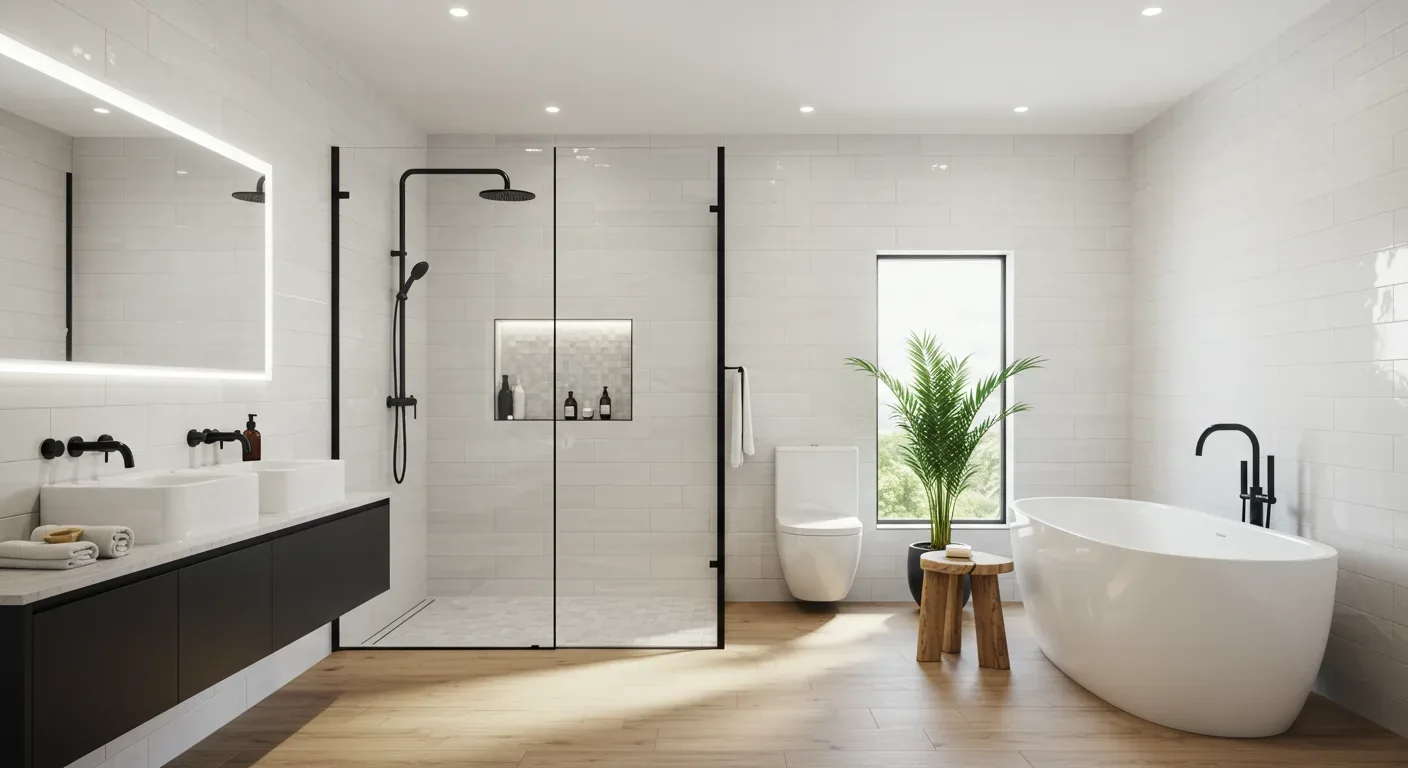
Effective organization of your bathroom vanity is essential to maximize space and create a calming, functional environment. The key is choosing the right storage solutions that blend seamlessly with your aesthetic while addressing daily needs.
In this guide, we focus on smart, stylish vanity organizer ideas that balance form and function for 2026. Built from our active project files, this post explores how to select the best types of organizers for different vanity sizes, categorize toiletries efficiently, incorporate open and concealed storage, and even DIY options that suit contemporary Sacramento homes. As designers committed to warm restraint, we emphasize timeless solutions that enhance your space without cluttering it, providing expert insights rooted in real-world applications in Northern California’s evolving interior landscape.
Direct Answers (Bathroom Vanity Organizer Ideas)
| What are some effective bathroom vanity organizer ideas? | Effective ideas include open shelving paired with discreet drawers, using materials like solid wood or acrylic, and categorizing toiletries for easy access. |
| How do I choose the right size and type of organizer for my vanity? | Consider your vanity dimensions and daily routines; shallow drawers (4-6 inches deep) are good for cosmetics, while deeper ones (8-10 inches) fit larger items, and match the style and finish of your vanity. |
| What materials are recommended for bathroom vanity organizers in Sacramento? | Materials like solid wood, acrylic, and engineered quartz are recommended for durability and style, especially in Sacramento’s moisture-prone environment. |
| Are custom vanity organizers worth the cost compared to stock options? | Based on available information, custom organizers offer tailored fit and higher quality, but stock options can be more cost-effective and quicker to install. |
Prioritizing Simplicity and Accessibility in Vanity Organization
Across our active project specifications, the first major design move in bathroom vanity organization is simplifying storage to keep essentials within reach while maintaining a clean aesthetic. We often see homeowners overwhelmed by clutter, especially in smaller Sacramento bathrooms where every inch counts. The trend now leans toward open shelving paired with discreet drawers, creating a visual balance that feels airy and organized.
Choosing organizers made from materials like solid wood or acrylic helps create a timeless look that complements popular vanity finishes such as matte black hardware or natural wood grains. Brands like Blum and Salice offer full-extension, soft-close undermount glides that are durable and quiet, making daily routines smoother. The goal is to create a system that is intuitive, easy to maintain, and enhances the space’s overall aesthetic. Across our recent projects, integrating materials that match or subtly contrast with the vanity’s finish elevates the design while keeping clutter at bay.
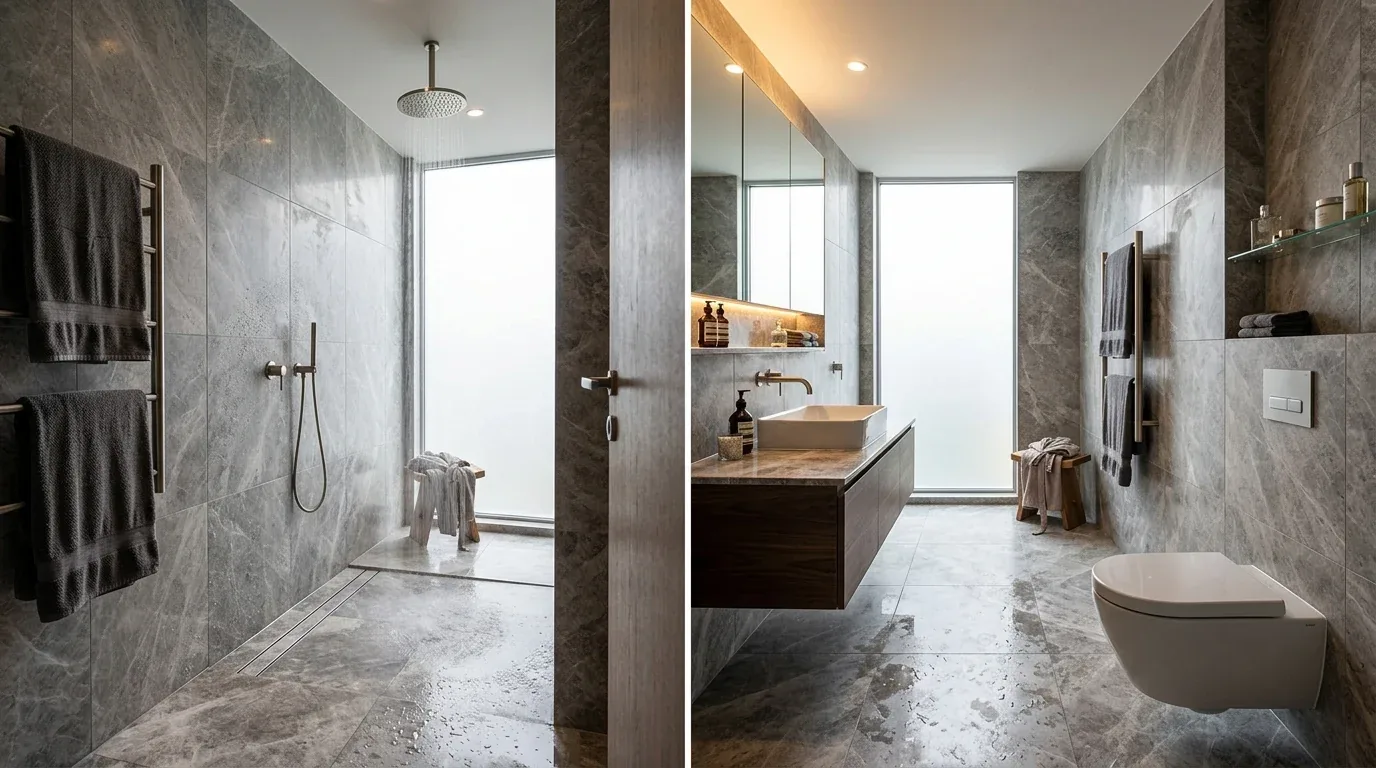
Material Specificity for Longevity and Style
Authenticity-grade materials
- White oak (rift-sawn), for floors and slat detail; calmer grain than plain-sawn
- Bamboo, sustainable, durable, and warm-toned for eco-conscious design
- Acrylic, high-gloss or matte finishes for modern, easy-to-clean vanity accessories
- Solid brass hardware with PVD finish, corrosion-resistant and stylish
- Quartz slabs (engineered, 90-93% quartz), for countertops, uniform and low-maintenance
- Natural stone (granite/quartzite), durable, with character and variation
- Soft-close Blum undermount glides, for smooth drawer operation
- Catalyzed lacquer or conversion varnish, for long-lasting finish on organizers
Generic-grade tells we refuse to spec
- MDF, lower-cost, less durable, prone to moisture damage
- Particleboard, inexpensive but not suitable for damp environments
- Laminate, easy to clean but can look cheap if overused
- Low-grade plastics, prone to cracking and discoloration
- Chrome-plated hardware, less durable than PVD finishes
- Thin veneer, susceptible to peeling and moisture issues
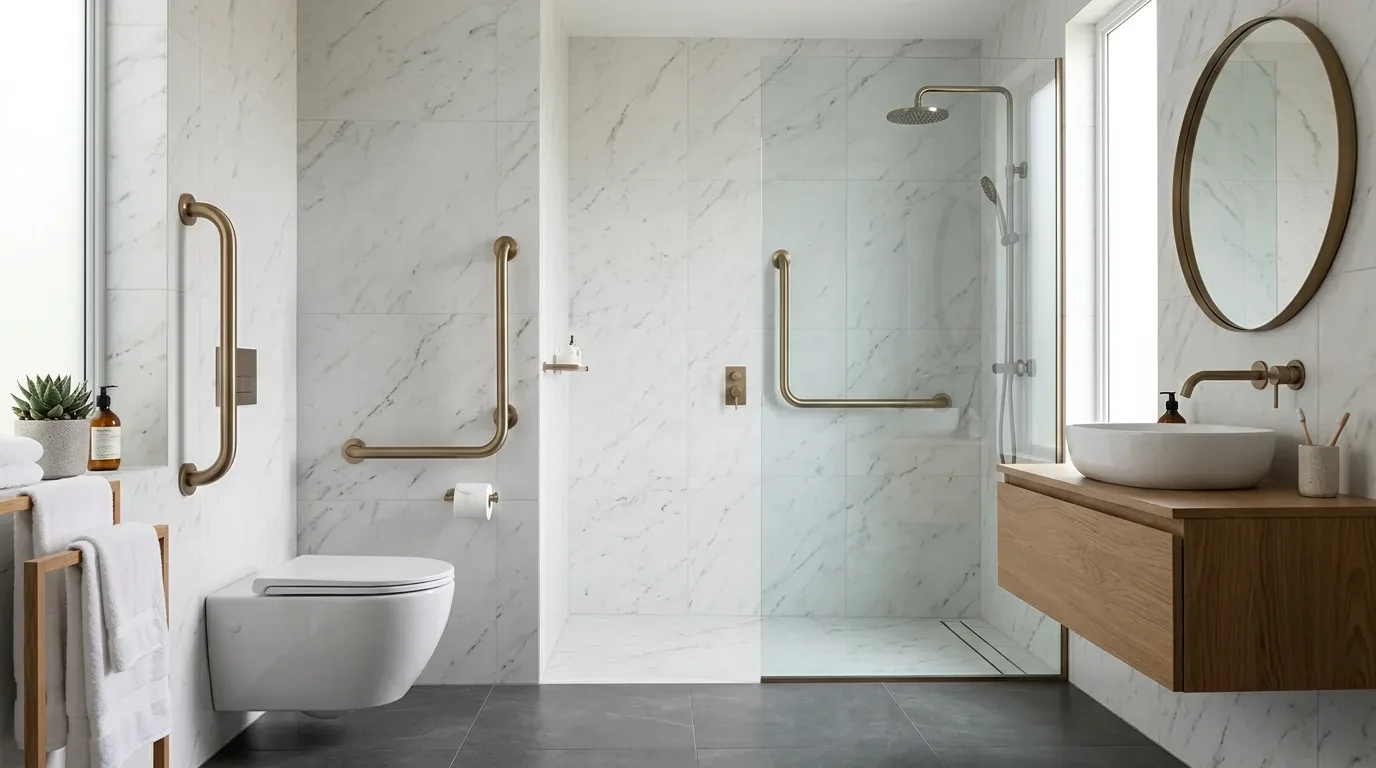
How can I choose the right size and type of organizer for my vanity?
The first decision many homeowners face is determining the appropriate size and type of organizer to fit their vanity dimensions and daily routines. For vanities ranging from 36 to 48 inches, it’s vital to select organizers that maximize storage without crowding the space. For example, shallow drawers measuring 4-6 inches deep work well for cosmetics and small toiletries, while deeper drawers (about 8-10 inches) accommodate larger items like hairdryers or skincare devices.
Next, consider the vanity’s style and finish. A sleek, matte black finish pairs beautifully with acrylic trays and minimalist hardware, while natural wood tones benefit from solid wood or bamboo organizers. The NKBA’s guidance on functional design emphasizes the importance of categorization, so grouping items by use and frequency helps keep essentials accessible and reduces clutter. For smaller vanities, vertical stacking and tiered trays maximize space, while larger units can support modular systems that expand over time.
What are the advantages of custom versus stock vanity organizers?
When deciding between custom and stock organizers, cost, lead time, and quality are the primary factors. Custom solutions, often fabricated by local millwork shops, offer tailored dimensions, finishes, and configurations that match your vanity precisely. These typically cost more, ranging from $3,000 to $8,000 across our active Sacramento projects, and take about 4-6 weeks to produce. They excel in creating a cohesive, high-end look, especially when integrating specialty materials like solid wood or engineered quartz.
Stock organizers from brands like Ikea, Wayfair, or local suppliers are more budget-friendly, generally costing under $1,000, with immediate availability. While they may not fit perfectly, smart planning and adjustable components can still deliver excellent functionality. The American Society of Interior Designers highlights that well-chosen stock solutions can look equally refined when styled thoughtfully, and they are ideal for homeowners seeking quick updates or smaller budgets.
Should I incorporate open shelving or concealed storage in my vanity?
The decision hinges on your daily habits, aesthetic preferences, and the level of clutter you’re comfortable displaying. Open shelving offers easy access and a modern look, making it ideal for frequently used items like daily skincare or hair products. The trend toward open displays is reinforced by the desire for a relaxed, curated aesthetic that feels accessible and warm.
Concealed storage, on the other hand, ensures a tidy appearance by hiding less-used items or cleaning supplies. The American Institute of Architects emphasizes that combining both approaches often yields the best results, creating a balanced visual while maintaining functionality. In Sacramento homes, where natural light and views are prioritized, a mix of open and closed storage helps keep the space looking fresh and uncluttered without sacrificing practicality.
How can I creatively organize under-sink space without clutter?
Under-sink areas are often overlooked but can be transformed into efficient storage zones with creative solutions. Using stackable acrylic bins and shallow drawers allows for categorization of cleaning supplies, toiletries, and spare towels. Incorporating adjustable dividers helps customize space for taller items like bottles or spray cans. The key is maintaining clear pathways and visual order to avoid a cluttered look.
Custom pull-out trays or sliding baskets can optimize deeper spaces, especially in larger vanities. In Sacramento’s humid climate, choosing moisture-resistant materials like stainless steel or sealed wood is crucial. Our design team recommends integrating lighting, such as small LED puck lights, to improve visibility. These simple but strategic choices make under-sink areas both functional and visually appealing, supporting a clutter-free routine.
What are common mistakes that make vanity organization look cheap or dated?
One common mistake is overusing low-quality materials like thin plastic or laminate in high-visibility areas, which quickly look dated. Another is failing to categorize items properly, resulting in a cluttered, chaotic appearance that detracts from the overall aesthetic. Lastly, ignoring lighting and accessibility can make even well-designed storage seem impractical, leading to clutter accumulation and frustration.
To avoid these pitfalls, invest in durable, authentic materials like solid brass hardware and engineered quartz, and plan your organization around your daily routines. Incorporating lighting and thoughtful categorization ensures your vanity remains both stylish and functional over time, especially in the evolving Sacramento interior landscape.
Observed Failure Modes, How Bathroom Vanity Organizer Ideas Goes Wrong
From our project debriefs and post-occupancy reviews, 2023-2026.
Overbuilt Storage Solutions
Many homeowners assume that adding larger or more custom cabinetry will solve clutter issues. In the Wemple Project, the homeowners requested a larger vanity with extensive storage, prompting the contractor to propose a high-gloss lacquered custom cabinet that would take six to eight weeks and cost nearly $8,000. During a walk-through, I used a story pole and cardboard mockups to re-evaluate the space. It became clear that the real problem was not the total storage but how the items were categorized and accessed daily. We realized that a mix of shallow drawers for cosmetics, acrylic trays for daily essentials, and concealed cabinets for infrequently used items would suffice. Avoiding costly overbuilds saved the client thousands and kept the project within budget, illustrating that thoughtful organization can often outperform expensive custom solutions.
Poor Material Choices
Using low-grade, moisture-sensitive materials like particleboard or laminate in a bathroom vanity leads to quick deterioration, especially in a climate like Sacramento’s. We often see homeowners opt for inexpensive options that peel, warp, or stain over time. The American Society of Interior Designers emphasizes selecting authentic, durable materials such as solid wood, acrylic, or engineered quartz that resist humidity and wear. Failing to consider material longevity results in frequent replacements and a dated appearance, ultimately costing more in the long run.
Lack of Categorization
Cluttered vanity spaces often stem from inadequate categorization. Without thoughtful organization, items pile up, making the space look chaotic and less functional. A simple mistake is using generic baskets without labels or grouping similar items together. Implementing labeled trays, dividers, and designated zones for skincare, hair tools, and makeup helps maintain order. This approach not only saves time but also preserves the aesthetic integrity of the vanity over years.
Ignoring Lighting
Insufficient lighting in vanity areas can make even the best storage solutions seem ineffective. Shadowed corners hide clutter and make routine tasks more difficult. The trend in 2026 leans toward integrated LED lighting, especially around mirrors and within open shelves, to improve visibility and add ambiance. Proper lighting enhances the functionality of organized spaces and prevents the appearance of clutter, maintaining a fresh, modern look consistent with Sacramento’s design preferences.
What's Going Out for 2026
- Overstuffed drawers
- Excessive open shelving without organization
- Cheap plastic containers
- Heavy hardware that distracts from design
- Dark finishes that hide clutter
- Obsolete materials like laminate in high-end spaces
- Overly complex DIY solutions
- Ignoring moisture-resistant materials
What Bathroom Vanity Organizer Ideas Costs in 2026
| Scope | Typical range |
|---|---|
| Refresh scope: new hardware, minor reorganization | $25K-$45K |
| Mid-tier full remodel with custom cabinetry and integrated lighting | $50K-$70K |
| Estate-scale upgrade with designer finishes, smart storage, and advanced lighting | $80K-$150K |
“I had a fantastic experience working with Amy on my bathroom remodel and new pantry after water damage in my home. She has a great eye for design and was amazing at keeping everything organized, especially with all the material choices.”
Working Notes
What We Have Learned Doing This: Bathroom Vanity Organizer Ideas
“On any bath in a home built before 2010, the demolition scope includes one inspection cut in the wet wall before the new fixtures are ordered.”
Waterproofing is the part nobody sees and the only part that fails expensively. We never let the schedule rush the membrane.
After enough projects you stop fearing bad taste and start fearing the boring things: delays, sequencing mistakes, moisture behind a wall, an electrician improvising, framing that is not where the drawings swear it is. The aesthetic part still matters, it is why anyone hires anyone, but execution decides whether the room ever gets built the way it was drawn.
The cheapest tool on any project is a sample board and an afternoon. We have watched five-figure mistakes get caught by a fifteen-dollar paint sample lived with for a week in the actual light of the actual room. Decisions made under showroom lighting do not survive contact with a real house.
Order the long-lead items before anything else and design the sequence so the rest of the job can proceed without them. The appliance, the stone, the custom millwork set the schedule, and pretending otherwise is how a project loses a month it never gets back.
These notes come from our own bathroom vanity organizer ideas project debriefs. Most were learned the expensive way the first time.
Sources & Professional References
This guide's positions on materials are grounded in published building-code, standards, and recognized design-authority sources, alongside Designed | Curated Interiors' verified credentials and active project files:
- American Society of Interior Designers (ASID): interior-design practice standards
- International Code Council (ICC): Chapter 8 Interior Finish Decorative Materials And Furnishings
- NKBA, Amy Kunst Member Profile (verified credential, NKBA Committee Member)
- Featured in: Homes & Gardens (design expert quote, May 2026) · Sacramento Love (guest author, 2024)
Frequently Asked
What are some effective bathroom vanity organizer ideas?
How do I choose the right size and type of organizer for my vanity?
What materials are recommended for bathroom vanity organizers in Sacramento?
Are custom vanity organizers worth the cost compared to stock options?
Do I need permits for installing new vanity storage solutions in Sacramento?
What are common mistakes to avoid when organizing a bathroom vanity?
From Bathroom Vanity Organizer Ideas to a Real Room
A trend piece is the briefing document, not the deliverable. The pages below show how we translate these principles into finished rooms across Sacramento and the rest of Northern California.
- Sacramento & Bay Area Interior Design Services How we scope, source, and deliver work end to end.
- Interior Designer Hub, Sacramento Where most of our Sacramento work lives, the regional fit explained.
- Mid Century Bathroom Vanity: A Designer's Guide to the 2026 Look Discover the resurgence of mid-century bathroom vanities in Mill Valley for 2026, featuring natural materials and timeless design elements.
- Standard Bathroom Vanity Height: A Designer's Guide to the 2026 Look In 2026, standard bathroom vanity height trends focus on customization and accessibility, particularly relevant for Mill Valley and Sacramen