
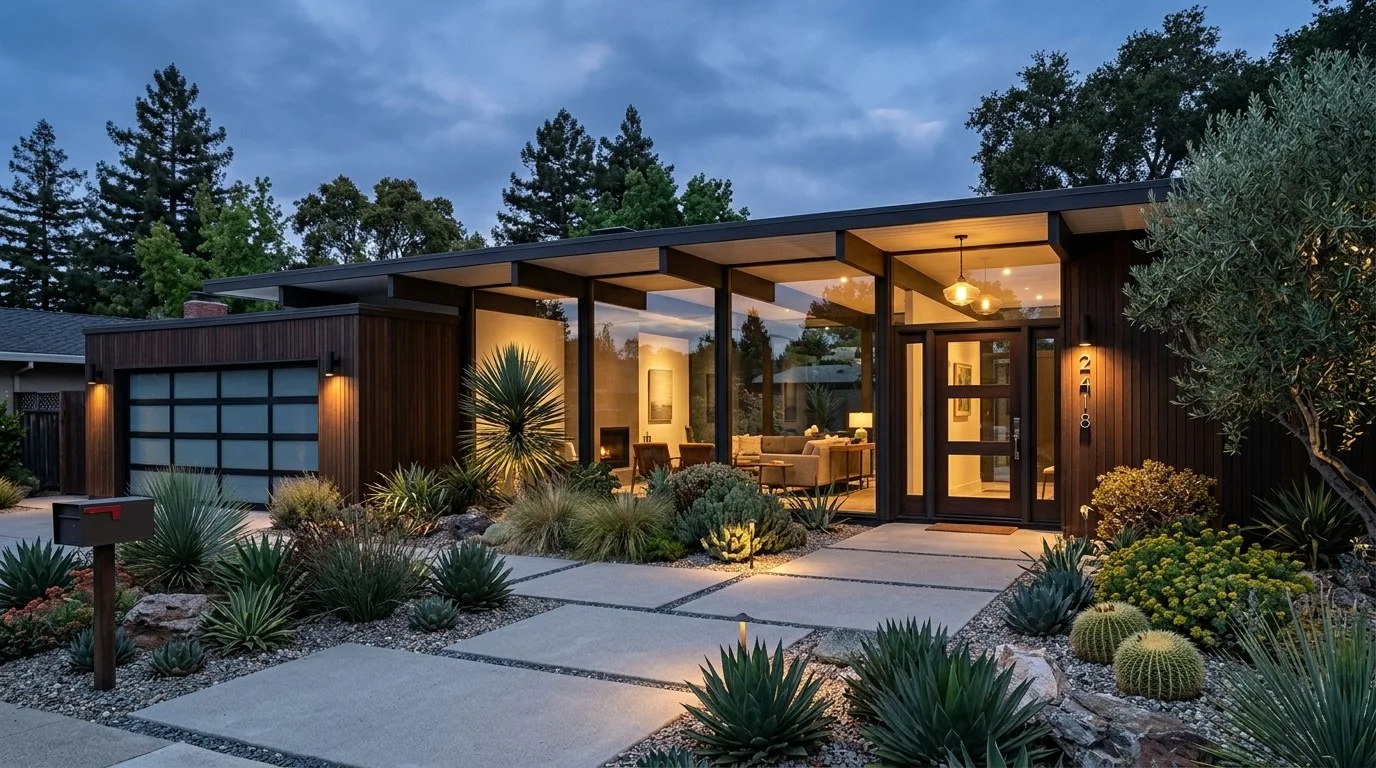
Remodeling Eichlers in Cupertino has its quirks. Structural integrity and design preservation are huge. Local regulations add a layer of complexity. Understanding these specific difficulties upfront can save homeowners from costly surprises and delays.
Built from our active project files, this guide will explore common structural hurdles, local code impacts, material recommendations, and weather considerations particular to Cupertino. Keeping it authentically Eichler takes work. Find contractors who know these homes inside out. Focus on real-world experience, lay out clear steps. Help homeowners without losing the home’s essence or hitting surprise issues.
Direct Answers (Cupertino Eichler Home Remodeling Challenges)
| What are the main remodeling challenges for Eichler homes in Cupertino? | Moisture, mid-century style, codes. The big three in Eichler redesign. |
| How does Cupertino’s climate affect Eichler home remodeling? | Dry summers meet fog here. Both mess with your timing and materials, mostly outside. Plan for it or face weather stalls. |
| What structural issues are commonly found during Eichler home renovations in Cupertino? | Water damage behind walls. Rot. Old framing’s a problem. Get thorough assessments. |
| Why is early site assessment important when remodeling an Eichler in Cupertino? | Spot issues like moisture or rot early. Saves money and keeps the structure safe. |
Cupertino Eichler Home Remodeling Challenges 2026 at a Glance
| Element | In | Out |
|---|---|---|
| Structural Challenges | Structural challenges with Eichler homes | Ignoring structural issues |
| Building Codes | Local Cupertino building code restrictions | Overlooking local codes |
| Materials | Material requirements for preservation | Using incompatible materials |
| Weather | Weather impacts on renovation timelines | Underestimating weather delays |
| Design Aesthetics | Design considerations for mid-century style | Sacrificing authentic design |
| Costs | Cost ranges for remodeling | Underbudgeting projects |
| Contractor Experience | Contractor expertise in Eichler projects | Hiring inexperienced contractors |
| Climate Impact | Climate considerations affecting work | Misjudging climate impact |
| Permitting | Permitting complexities in Cupertino | Skipping permit requirements |
Prioritizing Structural Integrity and Preservation
The first major design move when remodeling an Eichler in Cupertino is addressing the home’s structural foundation and framing to ensure long-term stability while maintaining the original open floor plan. Post-and-beam style is tricky. Looks great, but hides surprises. Humidity around Stevens Creek Blvd hits Eichlers. Moisture and rot sneak in over years.
Recently, a client wanted a bigger kitchen. Large steel beam in the proposal to make space work. Measured the framing, checked old plans. Found we could keep walls with little tweaks. Saved cash by avoiding a full add-on. Kept the home’s shape. Demo work often uncovers surprises in old Cupertino homes. Moisture and bugs damage unseen.
Know the building methods. Check framing early to respect home’s build and save money. The American Society of Interior Designers emphasizes that authentic preservation combined with thoughtful updates is key to maintaining Eichler’s unique architecture in a modern context.
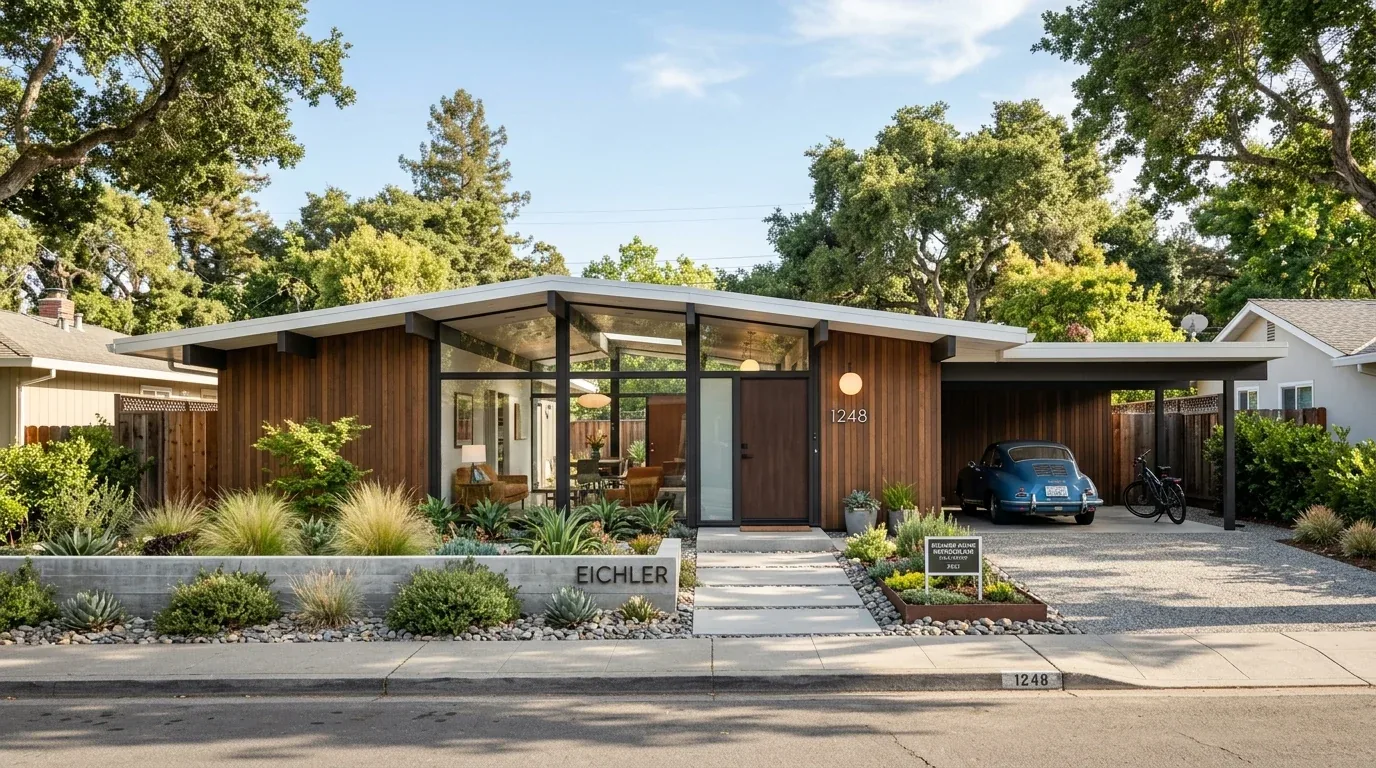
Material Specificity for Authentic Preservation
Authenticity-grade materials
- White oak (rift-sawn), for floors and slat detail; calmer grain than plain-sawn
- Treated cedar, for exterior siding; weather-resistant and true to mid-century style
- Formica laminate, for kitchen counters; authentic look with modern durability
- Aluminum window frames, original style, lightweight, resistant to corrosion
- Terra cotta tiles, for outdoor patios, durable and period-appropriate
- Fiberglass roofing shingles, for roof replacements; mimicking original asphalt with better longevity
- Powder-coated aluminum hardware, for window and door accents, resistant to weathering
- Mid-century modern lighting fixtures, in brass and matte black finishes to preserve aesthetic
Generic-grade tells we refuse to spec
- Vinyl flooring, cheaper but less authentic
- PVC window frames, easier but less period-accurate
- Laminate countertops, affordable but less durable
- Aluminum siding, common but not period-specific
- Synthetic roofing materials, cost-effective but may compromise authenticity
- Plastic hardware, inexpensive but less durable
- Mass-produced lighting, generic and less characterful
Regional Perspective: Cupertino’s Unique Challenges and Opportunities
Cupertino’s housing stock is heavily weighted toward mid-century homes like Eichlers, making renovations both a preservation challenge and an opportunity. Dry summers and foggy days here push for durable exteriors. Rancho San Antonio nearby means lots of greenery around. Our San Jose-based team understands that maintaining the authentic mid-century aesthetic requires careful material selection and detailed structural assessment, particularly in homes near Stevens Creek Boulevard where moisture intrusion can be an unseen threat.
Land’s pricey, so folks remodel. Strict codes demand structural and energy standards. Permits in Cupertino keep design and safety balanced. Talk to the Building Division early. Fewer weather delays, but still plan for seasons. Local designs up property value here.

Should You Remodel or Rebuild in Cupertino?
Remodel or rebuild? That’s what Cupertino Eichler owners decide. The first question we ask is: what is the scope of the project and what is the condition of the original framing? Found solid post-and-beam framing. But there’s hidden moisture or insect damage behind walls. Moisture meter showed hidden rot in sill plates. Needed delicate repair, not a full rebuild.
Keep a tight budget watch. Remodeling makes more sense if your foundation’s solid, especially around pricey Cupertino. Rebuilding’s worth it for major structural issues or zoning limits. Don’t overlook local permits. They push for keeping original details and energy-efficient updates. Check things early. Measure and research permits. These guide you in preserving your home’s character and value.
What Are the Common Structural Challenges in Cupertino Eichlers?
In Cupertino, Eichlers often hide structural surprises. Common headaches: wood rot from moisture, insect-damaged frames, shifting foundations. The American Society of Interior Designers emphasizes that understanding these hidden problems is key to successful renovation. Found rot in a wall where moisture leaked through a bad window seal. Took down drywall first, used a borescope. Needed full wall reinforcement, not cheap! Could’ve caught it with early checks.
Soil and weather play into these problems. Cupertino’s permits are strict on repairs. Use Eichler-savvy contractors to maintain original design while ensuring safety. Spot issues early to dodge pricey fixes, vital with high land costs and the push to keep architectural flair.
How Do Weather Conditions in Cupertino Impact Remodeling?
Cupertino’s climate, warm and dry summers, cool and foggy winters, steers what we do with Eichlers. Fog’s a factor. Exterior jobs need careful timing to prevent weather downside. Schedule siding work to steer clear of moisture entrapment. Avoid future rot. Treated cedar and fiber cement siding fend off weather damage.
Cold months shrink and swell materials, so schedule interior work wisely. Plan well and pick the right materials. It eases the whole effort. Moderate weather here means year-round work. But watch the weather and get materials early to avoid delays.
Observed Failure Modes, How Cupertino Eichler Home Remodeling Challenges Goes Wrong
From our project debriefs and post-occupancy reviews, 2023-2026.
Ignoring Hidden Moisture Damage
One common failure mode is assuming that visible framing is sound without thorough inspection. In the Wind Creek Project, we almost overlooked rot behind the walls because surface inspections seemed fine. To expand the kitchen, the contractor suggested a wall removal with a steel beam installation. Used moisture meter, tape. High moisture behind the drywall, rotted sill. Without checking, repair costs would hit $50k. In Cupertino, find moisture early or pay a lot. The lesson: always perform detailed site investigations before planning structural modifications.
Underestimating Local Code Complexity
Another failure mode is underestimating Cupertino’s permitting and preservation standards. Age doesn’t make remodeling simple. Local codes demand energy updates and keeping original looks. Bear Valley: seismic retrofits added $30k and six months. Talk to the Building Division early, especially for Eichlers. Skipping this step leads to expensive redesigns.
Choosing Inappropriate Materials
Selecting materials that do not match Eichler’s original aesthetic or are incompatible with the climate can lead to early failure and devalue the home. Vinyl fails quickly in Cupertino’s damp climate. Wind Creek used treated cedar and fiber cement, both local and tough. Keeps the mid-century vibe, saves maintenance money. Pick materials suited for Cupertino’s weather for durability.
Misjudging the Structural Load
Underestimating the load-bearing capacity of original framing can cause significant issues during renovations. Eichler frames often look fine but are weakened. Owner wanted a big skylight in living room. Checked plans, talked to engineers, used a laser level. Some beams sagged, couldn’t handle skylight load. Added steel supports cheaper than rebuilding. The key takeaway is that careful structural assessment with precise tools is critical to avoid unexpected reinforcement costs.
What’s Going Out for 2026
- Ignoring structural assessments before renovations
- Overlooking local Cupertino building codes and preservation standards
- Using incompatible or low-quality materials
- Assuming exterior weather won’t impact interior work
- Neglecting moisture and insect damage hidden behind walls
- Choosing design options that conflict with original Eichler features
- Failing to engage experienced Eichler-specific contractors
- Disregarding permit requirements early in the project
What Cupertino Eichler Home Remodeling Challenges Costs in 2026
| Scope | Cupertino / Bay Area | Sacramento |
|---|---|---|
| Refresh scope including minor updates and cosmetic repairs | $75K-$150K | $50K-$100K |
| Mid-tier scope with structural repairs and layout updates | $200K-$400K | $150K-$300K |
| Estate-scale renovation with major structural, systems, and design overhaul | $600K-$1.2M | $400K-$800K |
Local permits & planning
Working Notes
What We Have Learned Doing This: Cupertino Eichler Home Remodeling Challenges
“Good rooms are built twice. Once on paper, once in the field.”
The cheapest tool on any project is a sample board and an afternoon. We have watched five-figure mistakes get caught by a fifteen-dollar paint sample lived with for a week in the actual light of the actual room. Showroom decisions don’t always match real homes.
Order the long-lead items first. Plan so other work can proceed without them. Appliance, stone, custom millwork, these set the schedule. Losing a month is easy if you ignore this.
A renovation is a dependency chain, not a list of tasks. A two-day cabinet delay quietly becomes a two-week slip by week sixteen because every trade downstream is holding a calendar. The least glamorous part of this work, and the most valuable, is keeping that chain from cascading.
These notes come from our own cupertino eichler home remodeling challenges project debriefs. Most were learned the expensive way the first time.
Sources & Professional References
This guide’s positions on structure are grounded in published building-code, standards, and recognized design-authority sources, alongside Designed | Curated Interiors’ verified credentials and active project files:
- International Code Council (ICC): Chapter 23 Wood
- International Code Council (ICC): Chapter 93 Mandatory Earthquake Hazard Reduction In Existing Woo
- Building Division, Cupertino (Santa Clara County) building permit portal
- NKBA, Amy Kunst Member Profile (verified credential, NKBA Committee Member)
- Featured in: Homes & Gardens (design expert quote, May 2026) · Sacramento Love (guest author, 2024)
Frequently Asked
What are the main remodeling challenges for Eichler homes in Cupertino?
How does Cupertino’s climate affect Eichler home remodeling?
What structural issues are commonly found during Eichler home renovations in Cupertino?
Why is early site assessment important when remodeling an Eichler in Cupertino?
Are there specific permits or codes to consider in Cupertino for Eichler remodels?
How can homeowners maintain the authentic Eichler look during renovation?
From Cupertino Eichler Home Remodeling Challenges to a Real Room
A trend piece is the briefing document, not the deliverable. The pages below show how we translate these principles into finished rooms across Cupertino and the rest of Northern California.
- Sacramento & Bay Area Interior Design Services How we scope, source, and deliver work end to end.
- Interior Designer Hub, Cupertino Where most of our Cupertino work lives, the regional fit explained.
- San Francisco Pre1940 Homes Remodeling Challenges Related cluster piece referenced from the San Francisco Pre1940 Homes Remodeling Challenges build files.
- Cupertino 2025 Building Codes Remodeling Requirements Related cluster piece referenced from the Cupertino 2025 Building Codes Remodeling Requirements build files.
- Cupertino High Development Fees Remodeling Related cluster piece referenced from the Cupertino High Development Fees Remodeling build files.