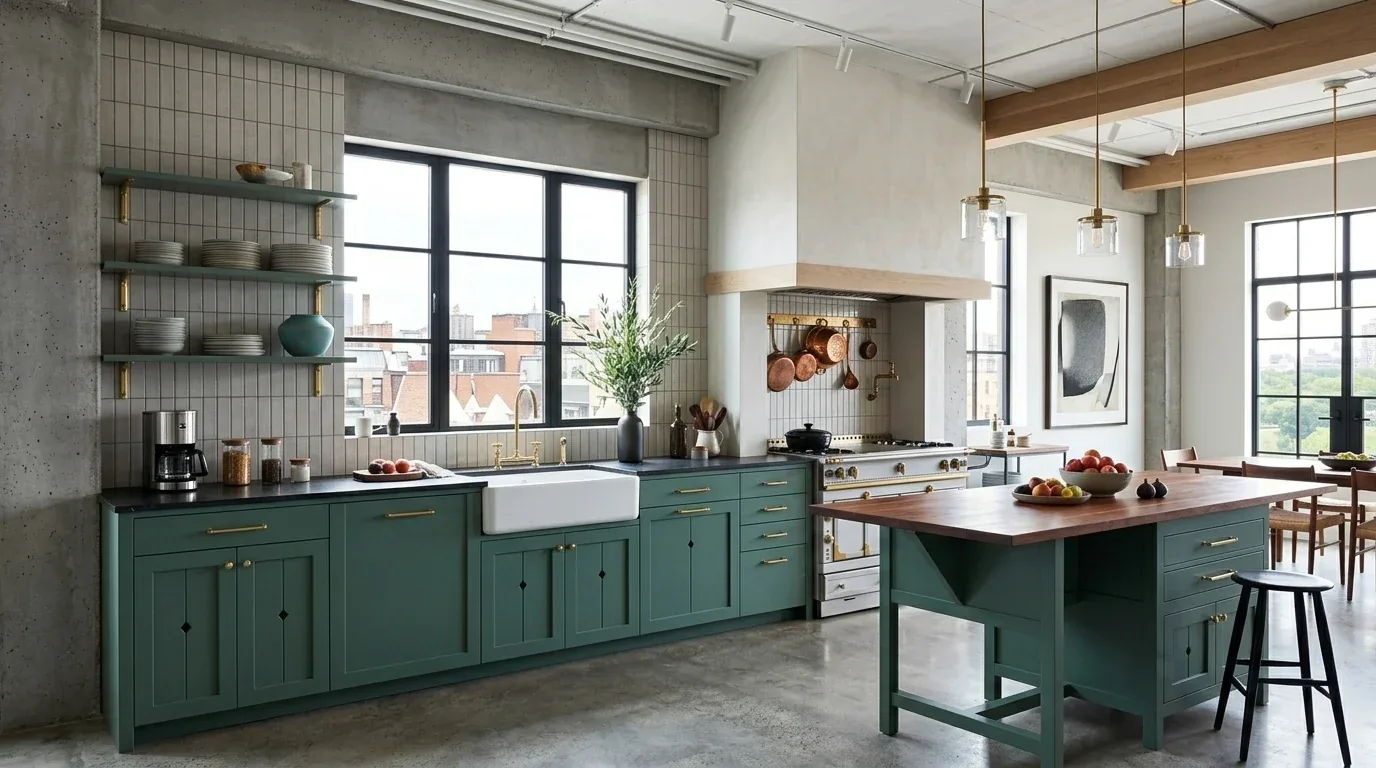
Change the lighting. The room's look and function? New ball game. Highlight built-in features. Good lighting smooths the everyday. By 2026, use varied lighting for coziness.
Tips on lighting different rooms and picking fixtures. Fit lighting to Sacramento's architecture and light.
Direct Answers (Decorate House With Lights)
| How can I decorate my house with lights in Sacramento? | Combine various lighting types for effect. LEDs, sconces, and lamps create warmth. |
| What are some tips for decorating a house with lights in Sacramento? | 2700K to 3000K mirrors Sacramento daylight well. Dimmer switches? You need them for adapting spaces. |
| When should I consider adding decorative lighting fixtures in my Sacramento home? | Character comes from chandeliers or sconces. Blend them with other lighting for balance. |
| Are there any regional lighting trends I should follow in Sacramento? | Warm light mixes well with sleek LEDs in Sacramento. |
The Power of Layered Lighting for Interior Aesthetics and Functionality
Creating a well-lit interior begins with understanding the importance of layering different types of lighting. We fine-tune ambient, task, and accent light balance. Ambient lights fill the space. Task lights, like those in kitchens, handle specific jobs. Accent lights make features or art pop, adding character.
Layer these thoughtfully so your home stays cozy and usable. A Sacramento living room? Use warm LEDs with table lamps. Choose dimmable, energy-efficient options from Lutron or WAC. The American Society of Interior Designers emphasizes the importance of color temperature and light control in achieving a balanced design. Layering light highlights your home's features.
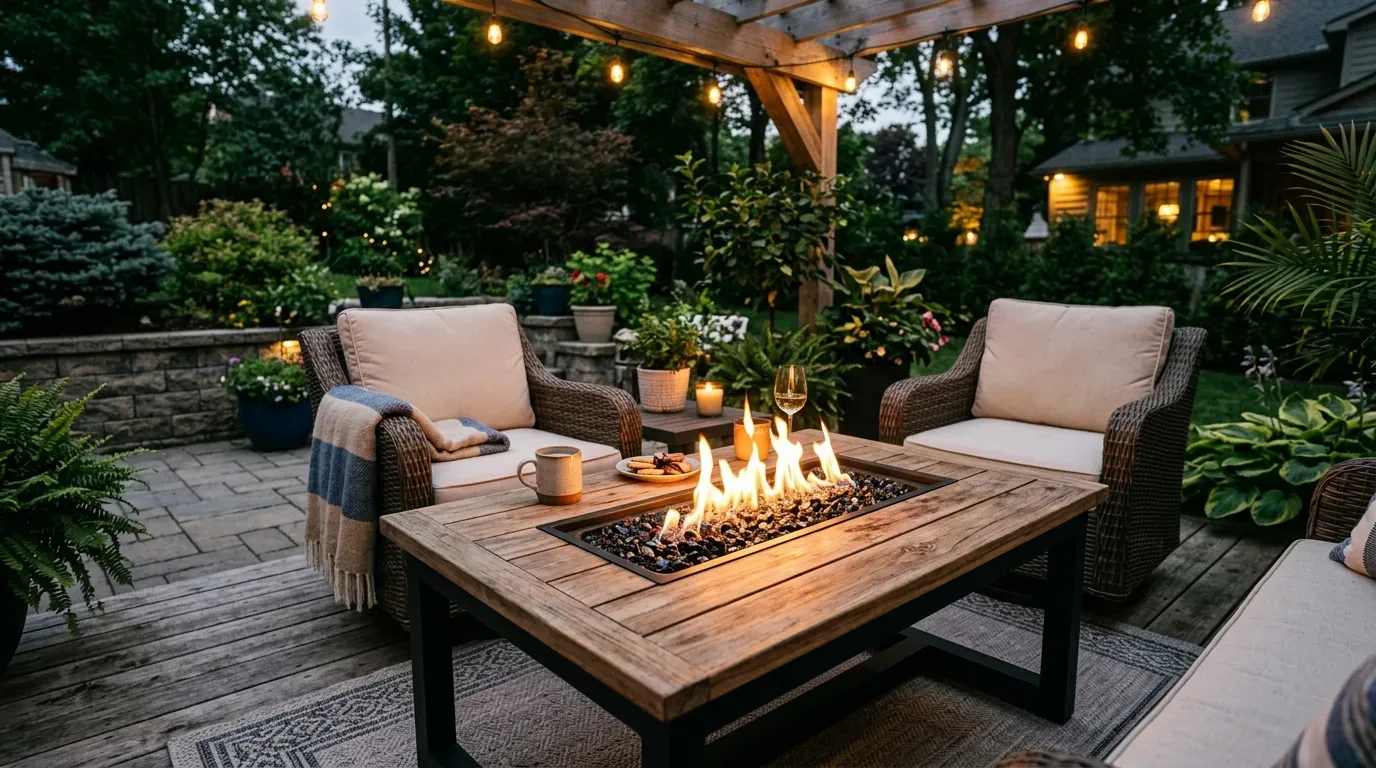
Material Specificity for Lighting Fixtures and Finishes
Authenticity-grade materials
- Brass (hand-rubbed), adds warm, durable accents in fixtures and hardware
- Clear glass (soda-lime), classic, versatile for shades and diffusers
- Matte black metal, modern, non-reflective finish for fixtures
- Porcelain (matte finish), softens light diffusion in decorative fixtures
- Wood (oak or walnut), natural warmth in lamp bases and accents
- Woven rattan or cane, organic texture for pendants and lampshades
- Silicone-coated LED strips, flexible, long-lasting for hidden or indirect lighting
- Frosted glass, diffuses light softly, ideal for sconces and pendants
Generic-grade tells we refuse to spec
- Plastic, often cheap and unrefined
- Chrome finish, overly shiny, high-maintenance
- Bright white paint, can feel cold and sterile
- Uncoated metal, prone to fingerprints and corrosion
- Low-quality LED strips, flicker and short lifespan
- Standard incandescent bulbs, less energy efficient
- Mass-produced fixtures, generic and impersonal
How to Choose the Right Fixtures and Placement for Your Rooms
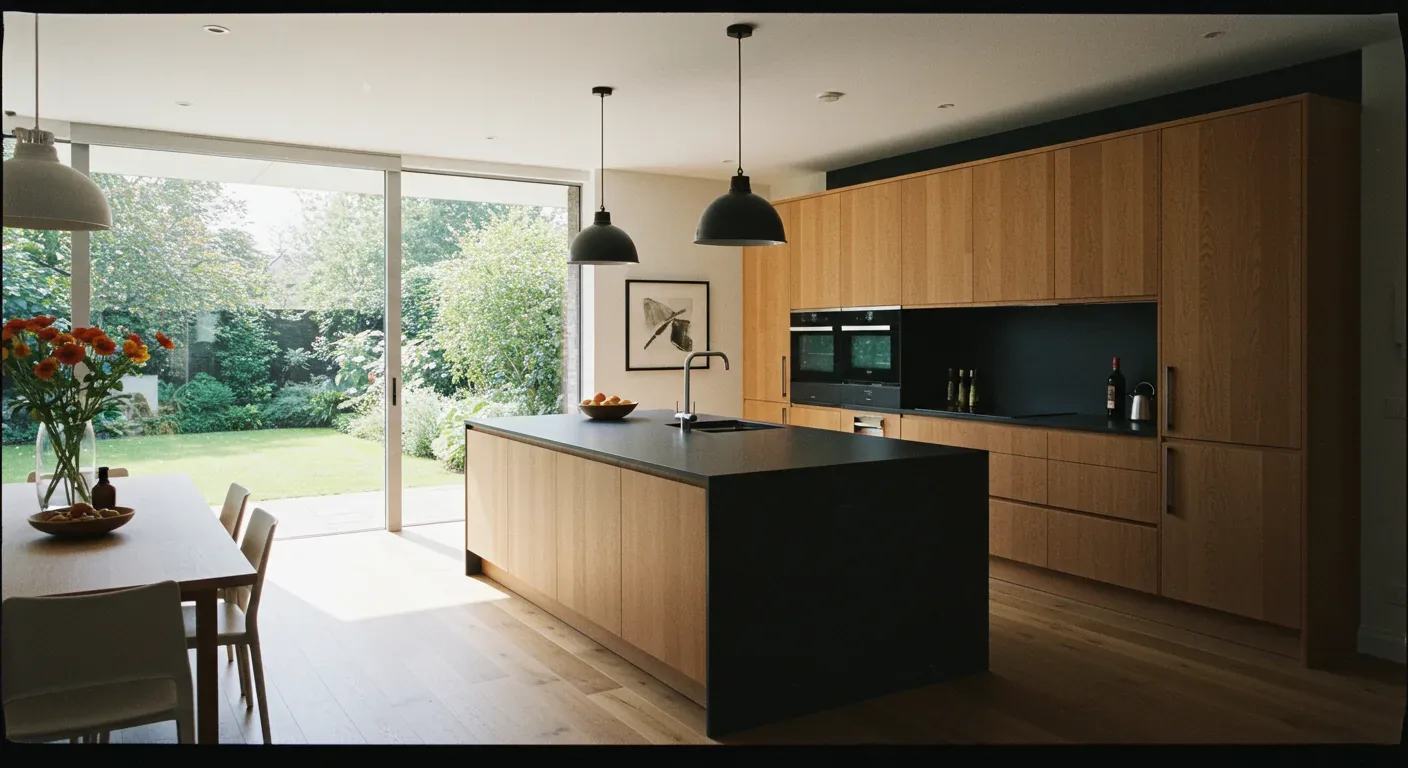
When planning to decorate your house with lights, the first question we ask is: What decision are you struggling to make about this space? People want brighter rooms but fear excess. Don’t clutter or over-light. Know the room’s purpose; layer the right lights. Install pendants right above your kitchen island, mix in recessed spots, and maybe some LED strips.
Look at the ceiling height first. Determines fixture size and where it goes. Install a 600 CFM hood over your 36-inch range. Always match widths. If your bedroom ceilings are 9 feet, hang a chandelier above the bed. The American Society of Interior Designers emphasizes that fixtures should complement existing decor, whether traditional or modern. Use recessed lights on a grid, add lamps for a cozy touch. Balanced, functional.
For sizing details, check below. A good lighting plan makes life easier and ups your home's value.
Comparing Custom and Stock Lighting Options
Deciding between custom and stock lighting fixtures is a common high-stakes decision in decorating with lights. The first question we ask is: Are you aiming for a specific style that must match existing architectural details? Custom local fixtures can cost more but fit precisely. Wayfair and IKEA sell budget light fixtures. They might not be unique or fit well.
Expect custom pieces to run between $2,000 and $8,000. Think about design complexity and what materials you want. Expect 6-12 weeks for delivery. Stock fixtures are usually under $500. You'll have them in a few days. Good lighting can boost a home's value. Fit and style matter for ROI. For Sacramento homes, especially those in historic styles, custom lighting fits well. It’s worth the investment for timeless design. Casual interiors do fine with stock fixtures. They’re easy to switch out later.
Your pick should match what you want, how much you’ve got, and how long you’ve got. Think about ambiance and added value vs. initial cost. Your lighting should fit your home's style and needs.
Should You Remodel or Rebuild When Updating Lighting and Interior Decor
The core decision for many Sacramento homeowners updating their interiors with new lighting is whether to remodel or rebuild. The first question we ask is: What is the underlying goal of your renovation? Outdated fixtures age a home. Updating them could do wonders. A bad layout or high energy bills might justify a rebuild.
Updating old Sacramento homes with new lights can be subtle. Use recessed lights, LEDs, and smart controls. Do it within the current space to save money and time. We’ve found a rebuild is needed only if the home’s layout fails or its structure is weak. The American Society of Interior Designers emphasizes that thoughtful updates can preserve value without extensive reconstruction, especially when guided by a local expert familiar with Sacramento’s historic stock.
Look at what a remodel could add in comfort, energy bills, and looks. Often, remodeling respects the home's style more. It’s better than rebuilding, especially with strict neighborhood rules or pricey land.
Common Mistakes to Avoid When Decorating Your House with Lights
In our experience, several common mistakes undermine even the best lighting plans. Overlighting is the worst. Too many fixtures can make things harsh and cold. Skipping layered lighting? That’s a big mistake. Makes for bland rooms. Hidden costs can creep in if fixtures don’t match color standards or dimmers. Watch for frequent replacements or increasing energy bills.
Layer lights to give depth and set the mood. It avoids problems. Use dimmable LEDs with high CRI for accurate colors. Sacramento’s warm light means your interiors should complement it. Don't put massive fixtures in small rooms or tiny pendants above big islands. Balance size with space. Consult a professional to keep lighting both affordable and effective without cluttering your space.
What's Going Out for 2026
- Using only ceiling-mounted fixtures without layering
- Ignoring the importance of color temperature
- Overdoing high-wattage bulbs in small spaces
- Choosing fixtures that clash with existing decor
- Forgetting to include dimming controls
- Relying solely on decorative fixtures without task lighting
- Installing fixtures without considering scale or proportion
- Neglecting outdoor or landscape lighting integration
What Decorate House With Lights Costs in 2026
| Scope | Typical range |
|---|---|
| Basic refresh with LED bulbs and fixture updates | $4K-$10K |
| Mid-tier lighting plan with custom fixtures and layered design | $10K-$30K |
| High-end, comprehensive lighting overhaul including integrated controls and custom fixtures | $30K-$75K |
Working Notes
What We Have Learned Doing This: Decorate House With Lights
“What survives the punch list is what was drawn clearly.”
A renovation is a dependency chain, not a list of tasks. A two-day cabinet delay quietly becomes a two-week slip by week sixteen because every trade downstream is holding a calendar. The least glamorous part of this work, and the most valuable, is keeping that chain from cascading.
Most of the money that gets wasted is spent solving the wrong problem confidently. A homeowner asks for more space, every contractor agrees and prices an addition, and the real issue turns out to be light, or proportion, or one bad sightline. We make the room tell us the problem before anyone signs a demolition contract.
Order long-lead items first, allowing other work to move along simultaneously. The appliance, the stone, the custom millwork set the schedule, and pretending otherwise is how a project loses a month it never gets back.
These notes come from our own decorate house with lights project debriefs. Most were learned the expensive way the first time.
Sources & Professional References
This guide's positions on materials are grounded in published building-code, standards, and recognized design-authority sources, alongside Designed | Curated Interiors' verified credentials and active project files:
- American Society of Interior Designers (ASID): interior-design practice standards
- International Code Council (ICC): Chapter 8 Interior Finish Decorative Materials And Furnishings
- NKBA, Amy Kunst Member Profile (verified credential, NKBA Committee Member)
- Featured in: Homes & Gardens (design expert quote, May 2026) · Sacramento Love (guest author, 2024)
Frequently Asked
How can I decorate my house with lights in Sacramento?
What are some tips for decorating a house with lights in Sacramento?
When should I consider adding decorative lighting fixtures in my Sacramento home?
Are there any regional lighting trends I should follow in Sacramento?
What permits or regulations should I be aware of when decorating with lights in Sacramento?
What common mistakes should I avoid when decorating with lights in Sacramento homes?
How much does it typically cost to decorate a house with lights in Sacramento?
From Decorate House With Lights to a Real Room
A trend piece is the briefing document, not the deliverable. The pages below show how we translate these principles into finished rooms across Sacramento and the rest of Northern California.
- Sacramento & Bay Area Interior Design Services How we scope, source, and deliver work end to end.
- Interior Designer Hub, Sacramento Where most of our Sacramento work lives, the regional fit explained.
- Decorate House With Lights Related cluster piece referenced from the Decorate House With Lights build files.