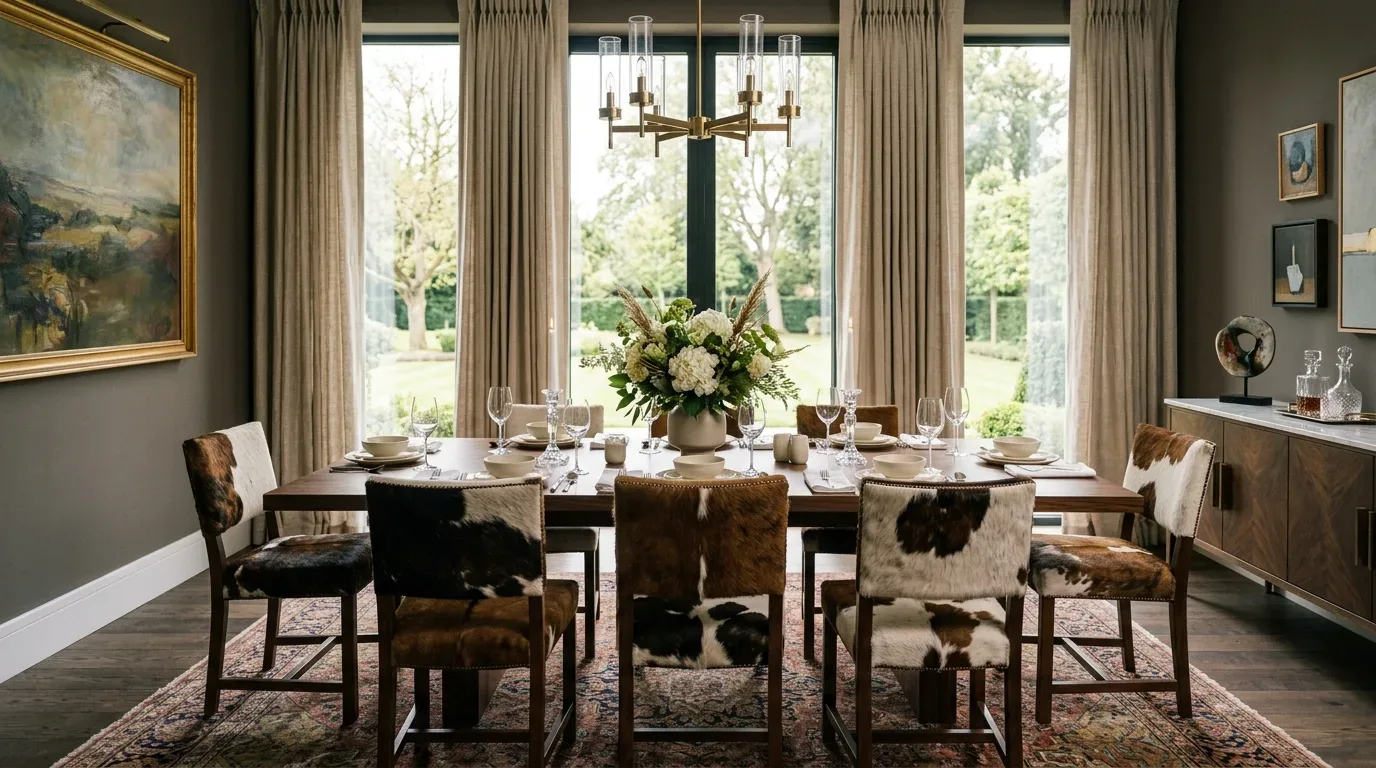
In 2026 interior design, effectively incorporating texture means balancing tactile richness with visual restraint to create spaces that feel both inviting and sophisticated. The key is understanding how to select, combine, and refine textures that enhance the overall mood without overwhelming the senses. Bold textures can add depth and warmth, but restraint keeps the space feeling modern and calm.
Built from our active project files, this guide explores anticipated texture trends for 2026, how to harmonize different textures, the materials gaining popularity, and how technology can help experiment with tactile elements. We’ll also review how texture influences space perception and mood, its role in sustainable design, and showcase recent successful projects that embody these principles. Our perspective emphasizes warm restraint, curating textures intentionally to support a calm, elevated Sacramento style that resonates with the Bay Area’s landscape and architectural diversity.
Direct Answers (How To Use Texture In Interior Design 2026)
| What are the key ways to incorporate texture in interior design in 2026? | In 2026, incorporating texture involves balancing tactile richness with visual restraint, using natural fibers, matte finishes, and layered materials to create inviting yet sophisticated spaces. |
| How can I harmonize different textures in my Sacramento home? | Pair rough textures like stone walls with smooth matte surfaces and soft textiles to create visual interest while maintaining a calm, cohesive aesthetic. |
| Why is understanding natural light important when using texture in interior design? | Natural light affects how textures appear; softer, matte finishes work well in Sacramento's diffuse light, enhancing warmth and reducing harsh reflections. |
| When planning textures for older Sacramento homes, what should I consider? | It's important to assess existing architecture and lighting, opting for sustainable, textured finishes like plaster that add richness without extensive structural changes. |
Embracing the Tactile Palette: The 2026 Texture Trend
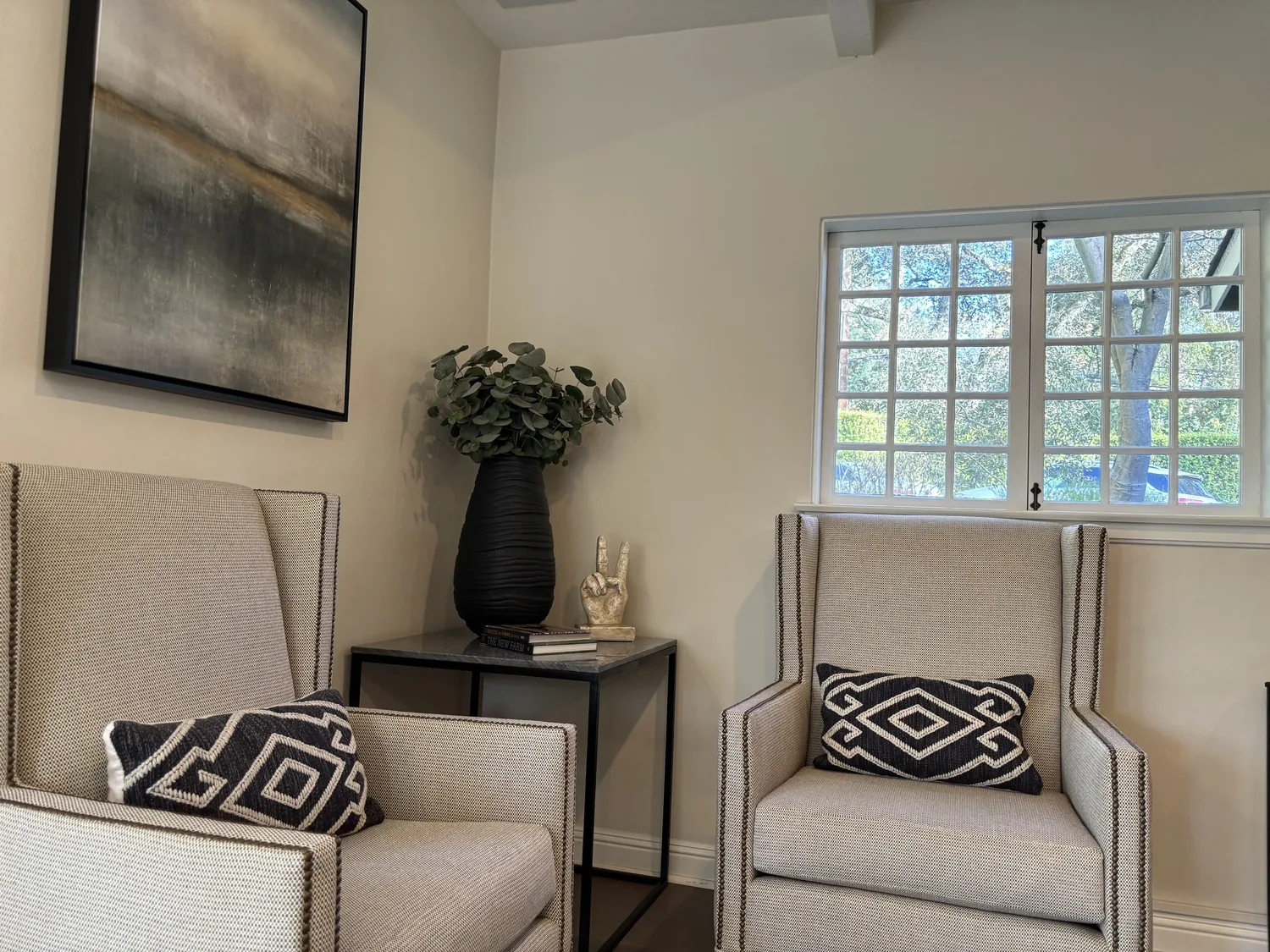
In 2026, the prevailing approach to texture in interior design is about creating layered, tactile environments that feel both fresh and grounded. Across our active project specifications, we see a trend toward natural fibers like linen, jute, and wool used in upholstery, curtains, and rugs. Matte finishes on surfaces, think chalky ceramics, brushed metals, and unglazed stone, are favored for their understated warmth and ability to diffuse light softly.
The key to success lies in harmonizing textures that complement each other without cluttering the space. For example, pairing a rough-textured stone wall with smooth, matte-finished cabinetry or soft woven textiles creates visual interest while maintaining a calm, cohesive aesthetic. Brands like Materialise and local artisans are increasingly offering eco-conscious options that align with the sustainable practices emerging in 2026. The American Society of Interior Designers emphasizes that texture should serve the space’s mood and function, not just fill a visual gap.
Material Specificity: The Textures That Will Define 2026
Authenticity-grade materials
- White oak (rift-sawn), for floors and slat detail; calmer grain than plain-sawn
- Reclaimed brick, adds historic character with eco-conscious appeal
- Matte ceramic tile, softens light and hides fingerprints
- Unpolished concrete, raw, durable, and sustainable
- Wool and linen textiles, natural, breathable, and texturally rich
- Brushed brass or matte black metals, subtle tactile contrast
- Recycled glass, vibrant but eco-friendly surface options
- Cork, sustainable, soft underfoot, and insulating
Generic-grade tells we refuse to spec
- Glossy surfaces, too reflective and cold
- Plastic composites, less authentic and eco-friendly
- Synthetic textiles, lack natural texture and breathability
- High-gloss paint, reduces tactile warmth
- Veneer finishes, superficial and less durable
- Overly processed materials, diminish natural character
How to Select and Size Textures for Different Spaces in 2026
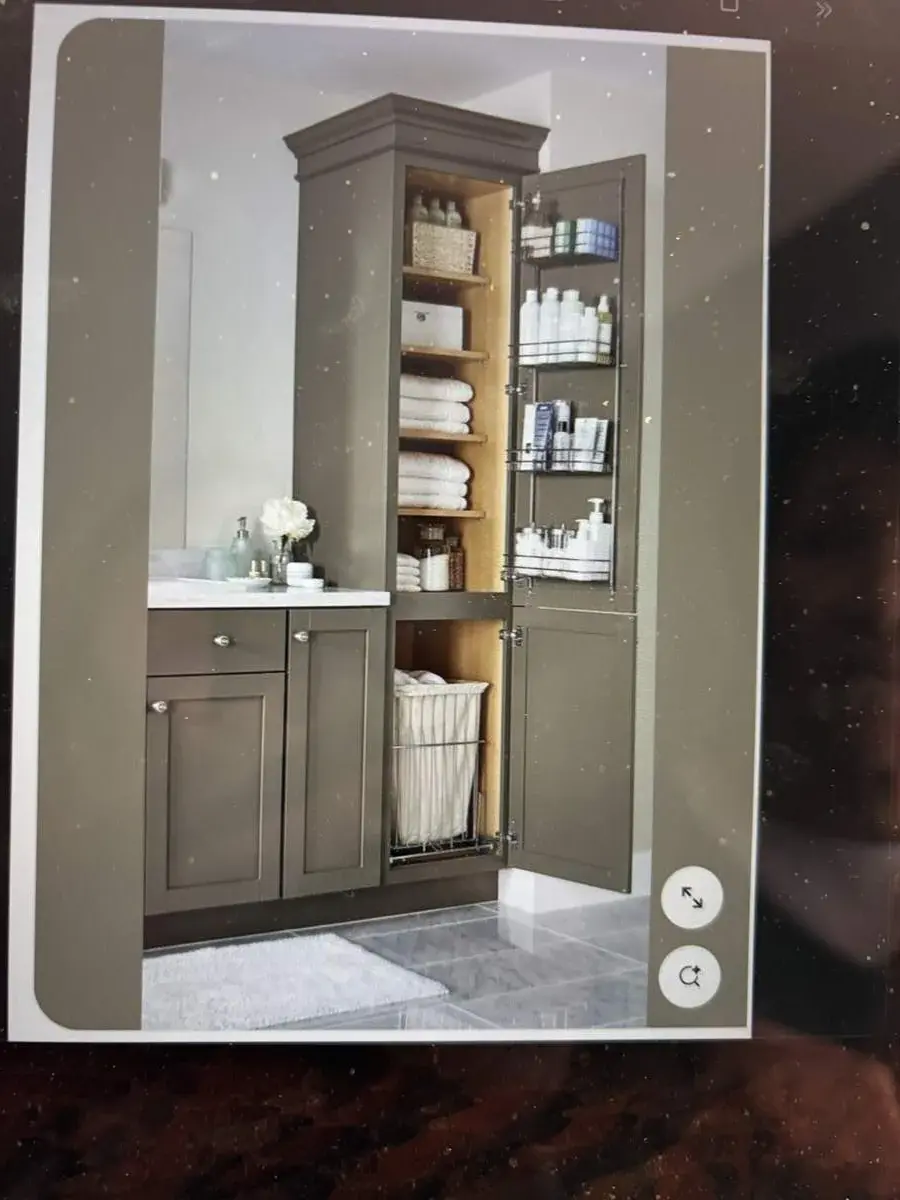
Choosing the right textures begins with understanding the space’s function, scale, and natural light. For example, a primary living room with high ceilings benefits from larger, textured textiles like woven wall hangings or broad linen drapes that add warmth without overwhelming. Kitchen and bathroom textures, such as matte tiles or unpolished stone, should be selected for durability and ease of maintenance.
The first question we ask clients is about their daily use and how they want to feel in the space. For a cozy primary suite, soft wool or linen bedding and plush rugs create intimacy, while in open-plan living areas, textured plaster or layered textiles define zones subtly. When sizing textures, consider ceiling height, higher ceilings can handle larger-scale textures without feeling cluttered, whereas smaller rooms benefit from more refined, delicate tactile details. Using the NKBA guidance on material and size selection ensures that textures serve the purpose and scale of each room.
Custom vs Stock Textural Products: Making the Right Choice in 2026
Deciding between custom and stock textures depends on budget, timeline, and desired authenticity. Custom textured finishes, such as hand-applied plaster or bespoke woven textiles, offer unique character but come with longer lead times and higher costs. Stock options like pre-made textured wallpaper or modular tiles can be installed quickly and affordably, making them attractive for projects with tight schedules or budgets.
The first question we ask is about the scope of the project and how much permanence is desired. For a high-end Sacramento renovation, investing in custom finishes can elevate the space and add a personal touch, aligning with the city’s appreciation for craftsmanship. Conversely, for a quick update or rental property, stock solutions provide flexibility and value. The key is balancing quality, authenticity, and practicality to achieve the intended mood and longevity.
Will Texture Trends in 2026 Age Well or Feel Date-Stamped?
Texture trends that emphasize natural, timeless materials like unpolished stone, raw wood, and organic textiles are expected to age gracefully, maintaining their appeal over time. The focus on sustainability and authenticity supports a look that is less about fleeting fashion and more about enduring quality. The first question we ask clients is whether they prefer styles that blend seamlessly with existing elements or make a bold statement.
In Sacramento, where many homes have historic features, integrating textures that echo the city’s architectural past, such as reclaimed brick or plaster, ensures longevity. The American Society of Interior Designers emphasizes that restraint and quality are key to avoiding a dated look. Choosing textures that are rooted in natural or artisanal qualities helps create spaces that feel both current and timeless, making them a smart investment for the future.
Common Mistakes We See with Textures in 2026
Biggest Waste: Overloading a space with too many competing textures, which creates visual noise and detracts from the overall calm aesthetic. Focus on a curated palette of three to five textures that complement each other.
Biggest Regret: Choosing synthetic or overly processed materials that look and feel cheap over time, especially in high-traffic areas. Opt for authentic, natural finishes whenever possible.
Hidden Cost: Underestimating the need for proper sealing or maintenance of textured surfaces like unpolished stone or natural fiber textiles, which can lead to higher upkeep costs down the line. Planning for durability and care from the start saves money and preserves the look.
What's Going Out for 2026
- Overly shiny or slick surfaces that feel cold
- Too many contrasting textures that clash visually
- Synthetic, non-biodegradable materials
- Heavy ornamentation that overwhelms space
- Uniform textures that lack depth
- Cluttered or inconsistent textural schemes
- Ignoring natural light in texture choices
- Overuse of processed finishes in traditional settings
What How To Use Texture In Interior Design 2026 Costs in 2026
| Scope | Typical range |
|---|---|
| Refresh scope including textiles, finishes, and small updates | $15K-$35K |
| Mid-tier scope with custom plaster, bespoke textiles, and curated finishes | $35K-$80K |
| Estate-scale transformation with integrated textures, large custom wall finishes, and premium materials | $80K-$250K |
Working Notes
What We Have Learned Doing This: How To Use Texture In Interior Design: A Designer's Guide to the 2026 Look
“A finish you cannot maintain is a finish you cannot afford.”
Old houses lie, and so do new ones. Even a ten-year-old house lies the moment you assume the framing sits where the plans say. We stopped trusting old drawings, prior contractor work, and the phrase it should be fine a long time ago. The budget needs a real line for what demolition will uncover, usually 15 to 20 percent once walls start opening.
Specify for the next ten years, not the next photo shoot. The work that holds its value is quiet, well made, and a little bit boring on the day it is installed.
After enough projects you stop fearing bad taste and start fearing the boring things: delays, sequencing mistakes, moisture behind a wall, an electrician improvising, framing that is not where the drawings swear it is. The aesthetic part still matters, it is why anyone hires anyone, but execution decides whether the room ever gets built the way it was drawn.
These notes come from our own how to use texture in interior design: a designer's guide to the 2026 look project debriefs. Most were learned the expensive way the first time.
Sources & Professional References
This guide's positions on materials are grounded in published building-code, standards, and recognized design-authority sources, alongside Designed | Curated Interiors' verified credentials and active project files:
- American Society of Interior Designers (ASID): interior-design practice standards
- International Code Council (ICC): Chapter 8 Interior Finish Decorative Materials And Furnishings
- NKBA, Amy Kunst Member Profile (verified credential, NKBA Committee Member)
- Featured in: Homes & Gardens (design expert quote, May 2026) · Sacramento Love (guest author, 2024)
Frequently Asked
What are the key ways to incorporate texture in interior design in 2026?
How can I harmonize different textures in my Sacramento home?
Why is understanding natural light important when using texture in interior design?
When planning textures for older Sacramento homes, what should I consider?
Who can help me select the right textures for my interior design project?
What materials are trending for textures in 2026?
From How To Use Texture In Interior Design 2026 to a Real Room
A trend piece is the briefing document, not the deliverable. The pages below show how we translate these principles into finished rooms across Sacramento and the rest of Northern California.
- Sacramento & Bay Area Interior Design Services How we scope, source, and deliver work end to end.
- Interior Designer Hub, Sacramento Where most of our Sacramento work lives, the regional fit explained.
- How To Use Mirrors In Interior Design: A Designer's Guide to the 2026 Look Explore the innovative ways to use mirrors in your Sacramento home design for 2026. Discover trends that enhance light and style.