Finding a trusted local interior design service in El Dorado Hills, California, is the first step toward transforming your home with confidence. Our firm specializes in tailored residential interiors that respect the region’s unique architecture and landscape.
Built from our active project files, this guide covers the top local interior design firms, their specialties, typical costs, viewing portfolios, and how to connect with the right professional for your needs. We focus on practical, regionally relevant insights that help homeowners make informed decisions without unnecessary risk or expense.
Common Questions
| What should I consider when hiring an interior designer in El Dorado Hills, California? | Prioritize designers with hands-on experience in Northern California’s residential market, especially those familiar with El Dorado Hills’ mild climate and regional aesthetic preferences. Verify their portfolio includes projects with similar scale, materials, and functional needs—like indoor-outdoor transitions or natural-light optimization—to ensure alignment with your goals. |
| How can I maximize natural light and privacy in my El Dorado Hills home through interior design? | Layered window treatments with breathable, natural fabrics (linen or cotton) allow light control while maintaining airflow, and frosted glass or decorative grilles can obscure views without blocking sunlight. Strategic placement of large glass doors—common in the region—also helps, but pair them with adjustable screens or vertical blinds for flexibility. |
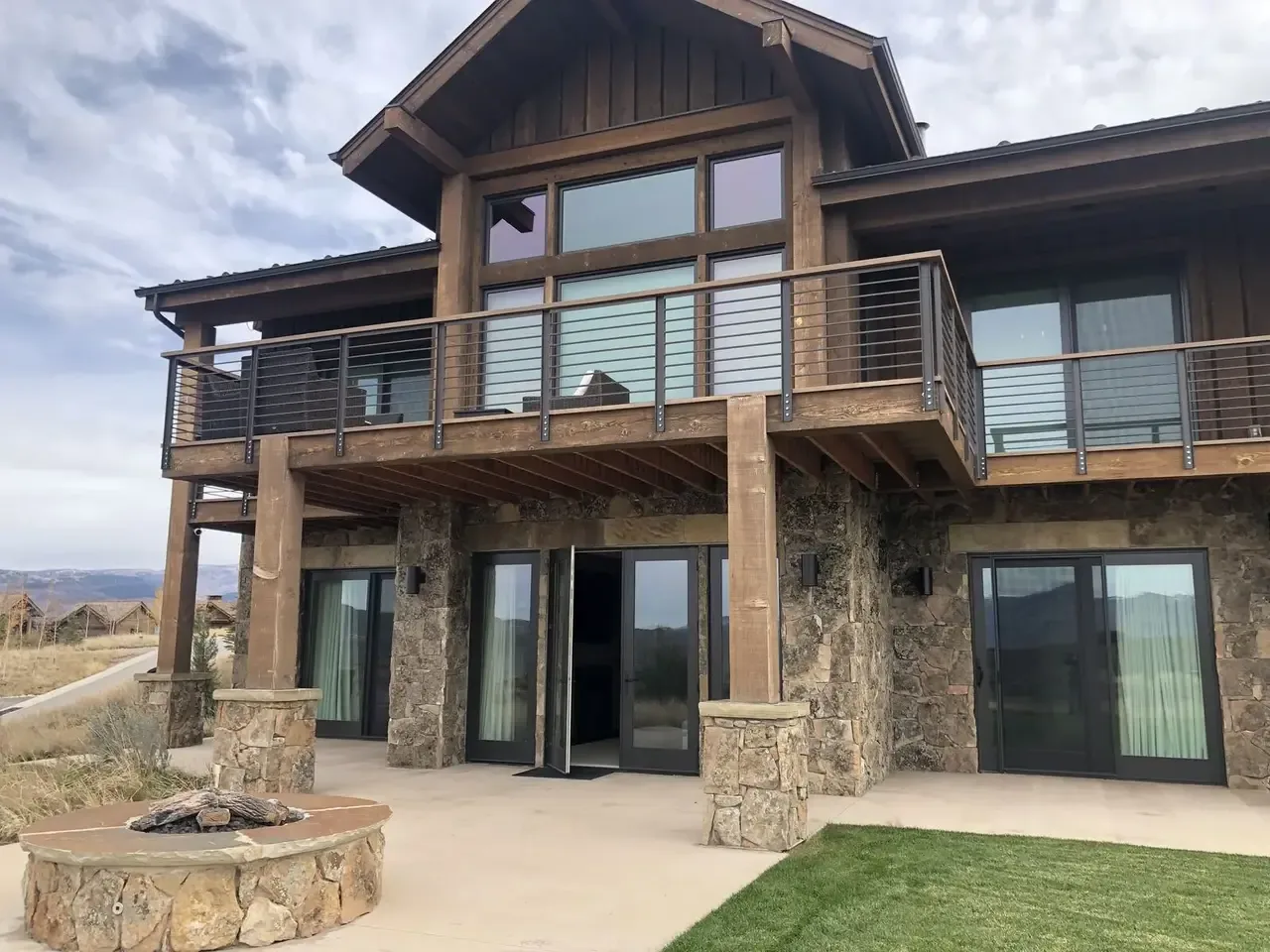
| What are the regional architectural influences that should guide my interior design choices in El Dorado Hills? | The area’s design leans into warm, earthy tones and materials like reclaimed wood or stone to complement the landscape, while large glass doors and sliding walls blur indoor-outdoor boundaries—a practical nod to the mild climate. Avoid heavy, enclosed spaces; instead, focus on open layouts that flow seamlessly to patios or gardens. |
| When is it better to remodel versus rebuild my home in El Dorado Hills? | Remodel if the existing structure is solid and you’re preserving the home’s character—think updated kitchens or bathrooms without touching load-bearing walls. Rebuild only if inspections reveal major foundation or structural flaws, like termite damage or poor drainage, that can’t be cost-effectively repaired while maintaining livability. |
Prioritizing Light and Privacy in El Dorado Hills Homes
One of the first major design moves we recommend in El Dorado Hills is to focus on maximizing natural light while maintaining privacy. Many homes in the area feature large windows and open floor plans but often lack strategic shading or window placement that balances view with privacy. Across our active project specifications, integrating layered window treatments using natural fabrics from brands like Kravet or Robert Allen can soften glare and provide privacy without sacrificing light.
Another key move is to consider the orientation and proportion of openings, especially in homes near El Dorado Hills Boulevard where views of the landscape are prized. Using materials like frosted glass or decorative grilles can subtly obscure views from neighboring homes while still inviting in daylight. The goal is to create interiors that feel open and airy, yet private and comfortable, an approach that aligns with regional architectural styles and landscape constraints. Thoughtful window placement and treatment choices are subtle but essential elements that influence daily comfort and the overall ambiance of your home.
Why El Dorado Hills’ Design Trends Align with Local Living
El Dorado Hills offers a unique blend of natural beauty, spacious lots, and a regionally inspired architectural stock that influences design choices. Our approach leverages the region’s abundant light, outdoor views, and diverse landscape to create interiors that feel both modern and rooted in place. The regional preference for warm, earthy tones and natural materials naturally complements current trends like textured wall finishes and eco-friendly surfaces. Our local expertise in El Dorado Hills ensures that design decisions respect the area’s architectural heritage while embracing innovation.
The landscape and light conditions in El Dorado Hills particularly support the trend toward transparency and indoor-outdoor living. Large glass doors, expansive windows, and covered patios are now standard features that shape interior planning. These elements are especially effective here because of the region’s mild climate and scenic views, making your home both functional and beautiful.
Furthermore, the region’s emphasis on sustainability aligns with the use of authentic, eco-conscious materials and energy-efficient systems. Our firm’s regional focus means we understand how to integrate these elements seamlessly, ensuring your project enhances both the environment and your lifestyle.
Should You Remodel or Rebuild in El Dorado Hills?
The fundamental question for homeowners in El Dorado Hills often revolves around whether to remodel an existing home or opt for a rebuild. The first question we ask is: what is the primary goal, updating style and function or increasing property value through new construction? Many older homes in the region have good bones but lack the modern layout or energy efficiency expected today. Remodeling can preserve character while integrating smart updates, but it’s crucial to assess structural integrity and permit requirements.
For example, on a recent project near El Dorado Hills Boulevard, we evaluated a 1980s ranch-style home with a dated interior. Using permit research from the County Building Division and site photos, we determined the foundation was sound, and the overall structure was worth preserving. A careful analysis of load-bearing walls and foundation conditions indicated that a full rebuild was unnecessary. Instead, strategic interior reconfiguration, new windows, and an updated roof could achieve the client's goals efficiently. The ROI of remodeling here was significant, especially since the land value supports incremental upgrades.
Our advice is always regionally informed: if the foundation is solid and the land’s value supports it, remodeling offers a sustainable, less disruptive path. Conversely, if the home’s layout or safety concerns are fundamental, rebuilding might be the better long-term investment. The key is to analyze the scope, costs, and potential permit hurdles early, ensuring your decision aligns with both your budget and lifestyle aspirations.
Cost ranges by scope: El Dorado Hills-specific refresh, mid-tier, and estate-scale projects
2026 planning ranges by scope, Sacramento against Bay Area / Marin. They bracket a budget; they are not a quote for a specific house.
| Scope | Sacramento | Bay Area / Marin |
|---|---|---|
| Refresh scope: minor updates, fixtures, paint | $10K-$30K | $15K-$40K |
| Mid-tier scope: kitchen/bath remodel, lighting, flooring | $50K-$100K | $70K-$150K |
| Estate-scale scope: full rebuild, luxury finishes, custom cabinetry | $200K-$500K | $300K-$800K |
Local permits & planning
- Our El Dorado Hills permits & remodel guide
Sources & Professional References
This guide's positions on structure are grounded in published building-code, standards, and recognized design-authority sources, alongside Designed | Curated Interiors' verified credentials and active project files:
- International Code Council (ICC): Chapter 93 Mandatory Earthquake Hazard Reduction In Existing Woo
- International Code Council (ICC): Chapter 23 Wood
- NKBA, Amy Kunst Member Profile (verified credential, NKBA Committee Member)
- Featured in: Homes & Gardens (design expert quote, May 2026) · Sacramento Love (guest author, 2024)
Related reading
- Sacramento & Bay Area Interior Design Services How we scope, source, and deliver work end to end.
- Interior Designer Hub, El Dorado Hills Where most of our El Dorado Hills work lives, the regional fit explained.
- El Dorado Hills Seismic Foundations Foundation Interior Design Related cluster piece referenced from the El Dorado Hills Seismic Foundations Foundation Interior Design build files.
- El Dorado Hills Interior Design Permits Sequencing Living Through Remodel Related cluster piece referenced from the El Dorado Hills Interior Design Permits Sequencing Living Through Remodel build files.
- El Dorado Hills Builder Grade Upgrade What Lasts What Resells Related cluster piece referenced from the El Dorado Hills Builder Grade Upgrade What Lasts What Resells build files.