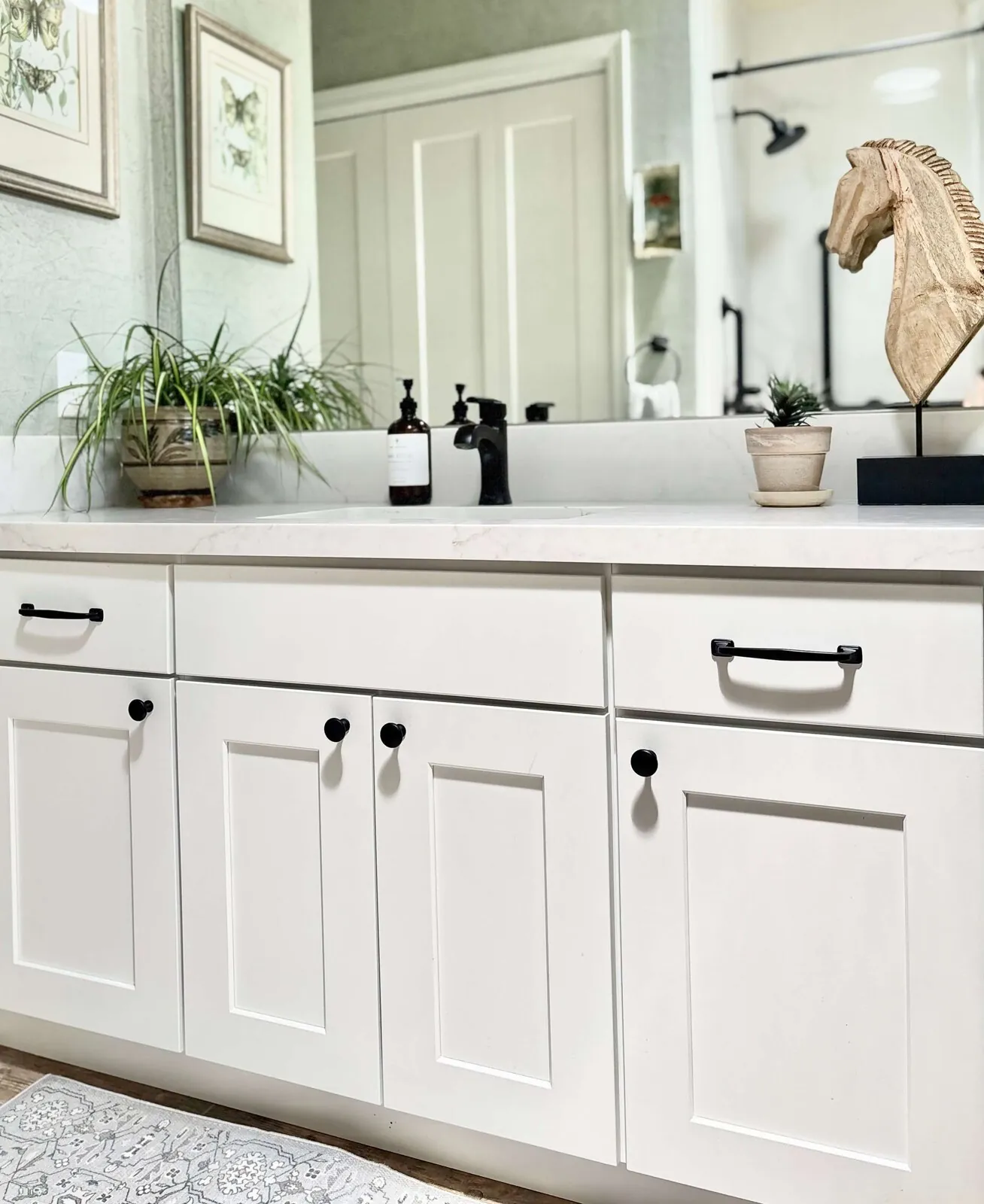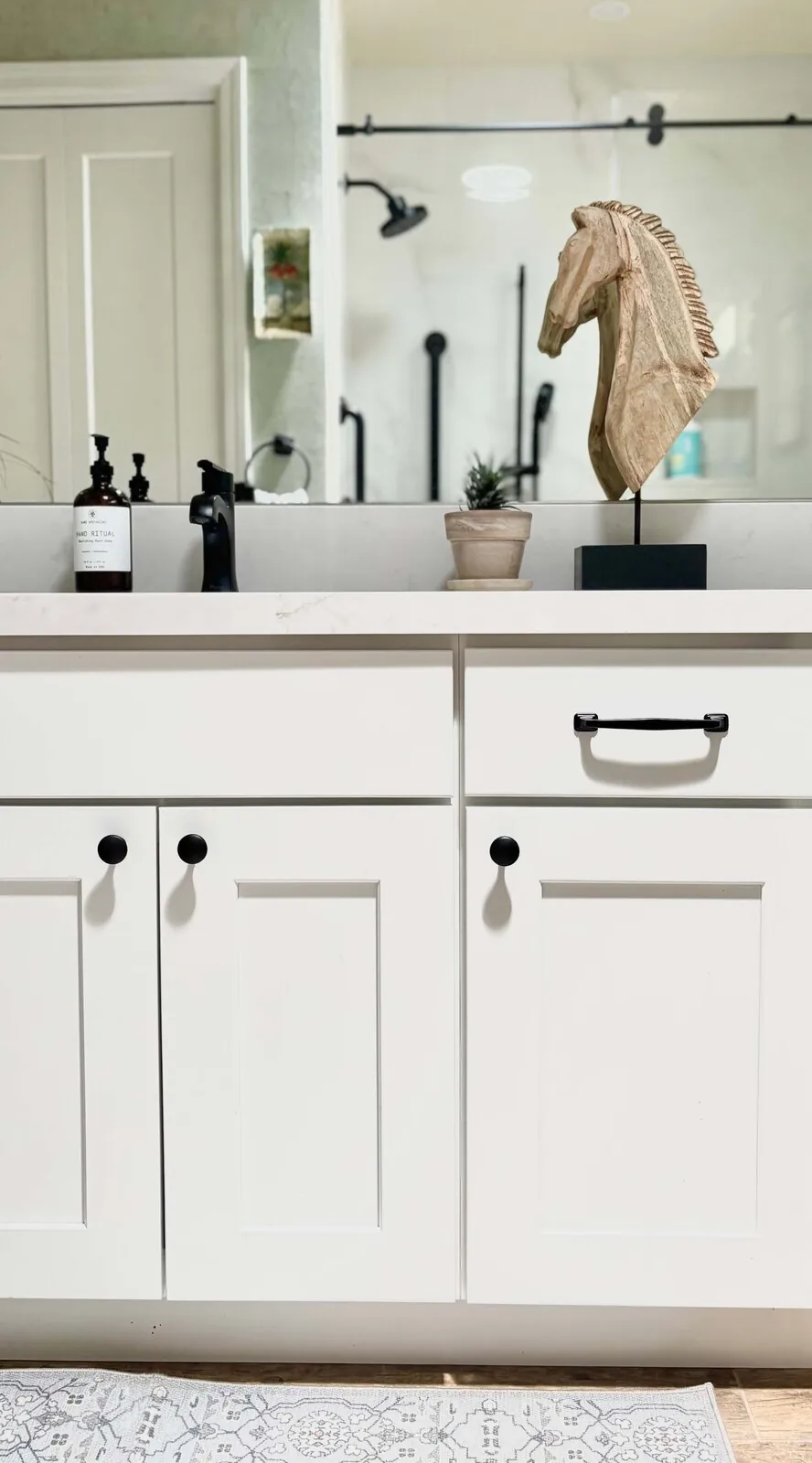
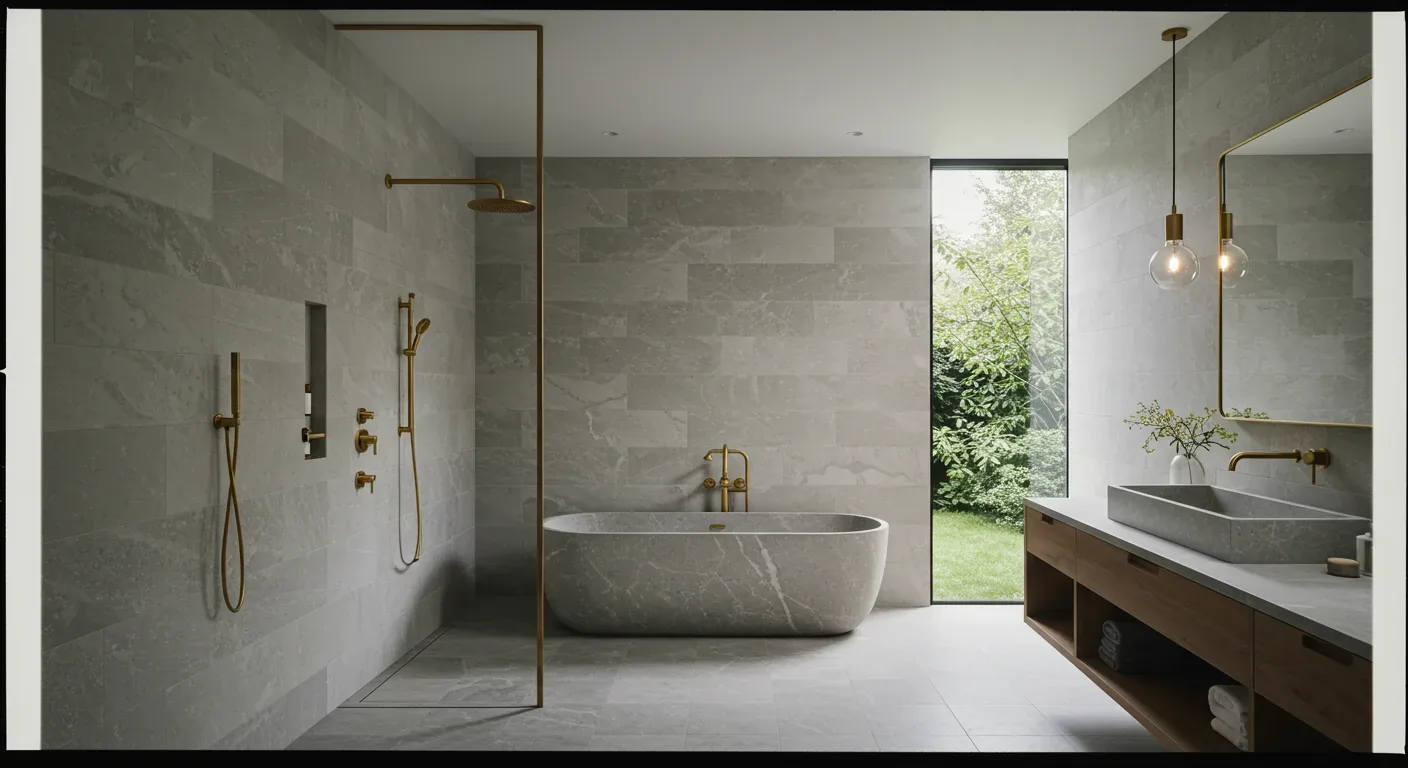
Bathtub designs in '25-'26 are moving towards sleek, tech-savvy, eco-friendly styles that mix looks and practicality. Expect materials, shapes, and finishes to evolve with an emphasis on sustainability, innovation, and subtle luxury. Current styles pull from both modern production and classic appeal.
Let's talk 2025 trends: new materials and tech, changing shapes, fresh colors. Innovation all around. These trends link to overall bathroom design and sustainability. Sacramento has its own touch.
Direct Answers (Latest Bathtub Design Trends 2025 2026)
| What are the latest bathtub design trends for 2025 and 2026? | Sleek curves and matte finishes, soft black, muted green. Integrated shelves too. |
| How does technology influence bathtub designs in 2025 and 2026? | Now we have tubs with touch controls and temp sensors. Blend. Smooth edges disappear. |
| What materials are popular for bathtubs in Sacramento during 2025 and 2026? | Quartz keeps up in sunny spots. Matte works well too. |
| Are custom bathtubs more common in Sacramento's new and historic homes? | Luxury projects love solutions like engineered quartz or stone, fitting specific design needs and room sizes. |
Emerging Shapes and Styles for 2025 and 2026
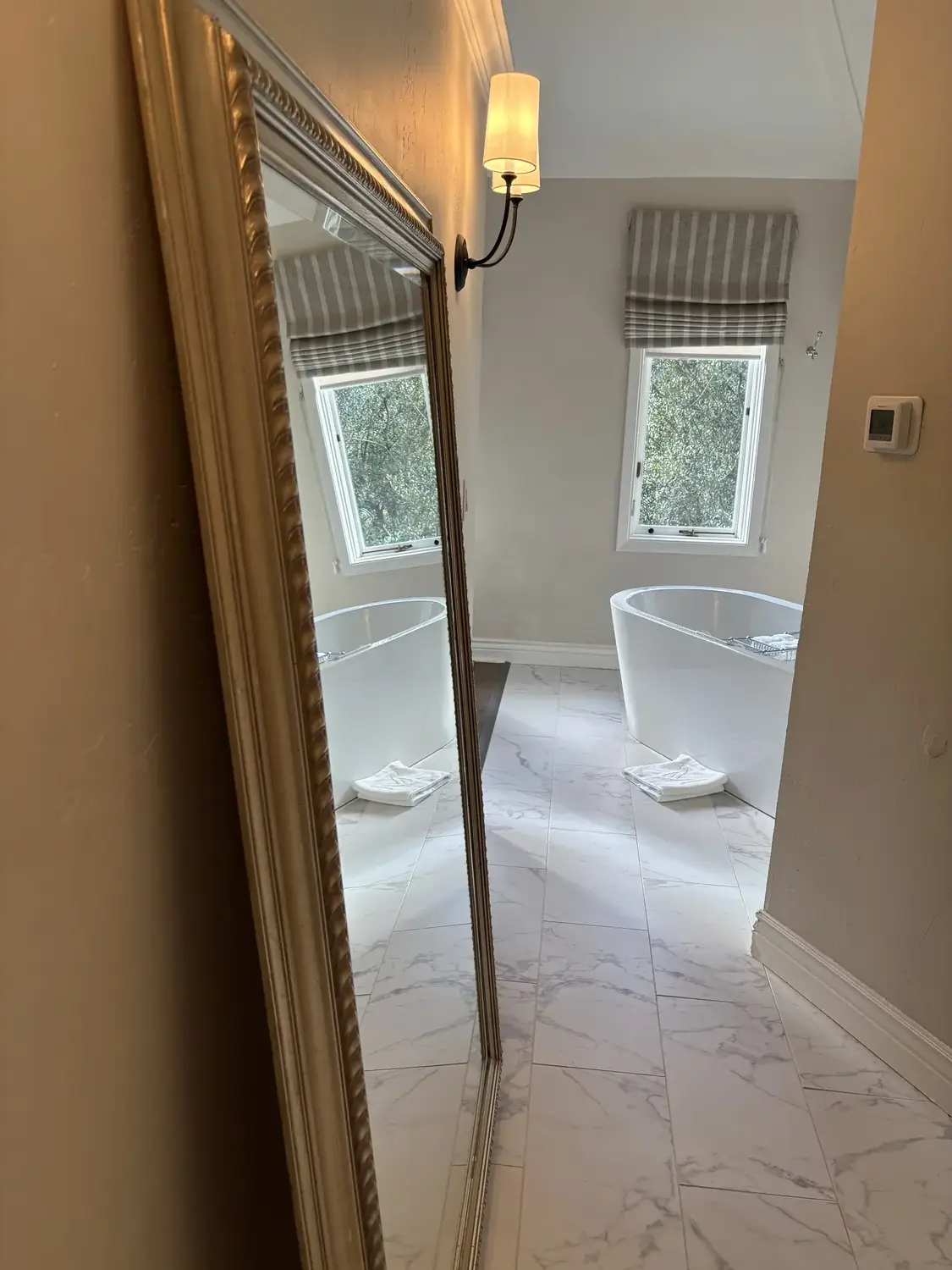
Across our active project specifications, we are noticing a clear shift toward minimalist, sculptural bathtub shapes that emphasize clean lines and subtle curves. Freestanding tubs feature angles. More than just oval. Asymmetrical tubs are in, adding interest to a space. Victoria + Albert and Kohler add integrated shelves or seats, merging comfort with style.
Lower profiles and smooth edges make baths less bulky, perfect for open-concept layouts. Matte shades like soft black, warm grey, or muted green are big, turning tubs into statement pieces. The trend leans towards spa-like spaces, balancing style with simple functionality. Smart tech like touch controls affect tub shapes, pushing for smooth, tech-friendly designs.
Should You Choose a Custom or Stock Bathtub in 2025 and 2026?
Choose between a stock tub or custom? Homeowners hit that decision a lot. We start with asking about the space, its purpose, future, and everything. Tight budget, transitional style in Sacramento? Kohler or American Standard stock tubs fit right, timely and valued. For luxury and spa vibes, try custom tubs. Engineered quartz or stone, worth it sometimes.
Custom options? They often fit unique spaces perfectly, add value too. East Sacramento client needed a niche-fit tub. Only custom worked. A luxe look could run $9k-$11k. Weigh your wishes against money and time. As the NKBA advises, understanding the functional and aesthetic priorities helps determine whether a standard model suffices or if a bespoke piece offers enough ROI to justify the extra cost.
How to Size a Bathtub for Different Sacramento Bathroom Types
The first question homeowners ask when planning a new bathtub installation is what size best fits their space and lifestyle. Guest baths? 60 inches works here. Enough comfort, fits the space. Got a roomy primary suite? For that spa feel, think 72-inch or even 84-inch. Ceiling height affects tub choice. Tall ceilings prefer freestanding tubs.
Here's a quick sizing guide: a 36-inch wide bathtub is suitable for small spaces or powder rooms, whereas a 48-inch or larger tub suits primary baths with generous layouts. Check CFM, depth first for tech. Our advice aligns with the guidance from the American Society of Interior Designers on creating spaces that balance comfort with spatial efficiency. Look into permits for plumbing tweaks. Framing changes? Sacramento might need permits.
Common Mistakes When Planning Bathtub Updates in 2026
One common mistake is choosing a bathtub solely based on aesthetic appeal without considering the actual space constraints or technical requirements. Big tubs overwhelm small bathrooms. Be ready for splashing. Ignoring plumbing specs means delays and costly fixes. Skipping water-saving and smart tech raises bills later. Proper planning, including site measurements with tools like laser distance meters and a thorough review of permit requirements from Sacramento’s Building Division, can prevent these costly errors. Balance what's needed with design wants for a successful bathroom renovation.
Common pitfalls in bathtub selection and installation in Sacramento
From our project debriefs and post-occupancy reviews, 2023-2026.
Overestimating space needs leads to unnecessary structural changes
In the Avenida Victoria Project, the homeowners initially insisted on a custom oversized tub, believing bigger was better. Contractors said a designer tub would bump costs over $60,000. Laser level handy. Looked at plans, questioned if size was the issue. It turned out that privacy and light, not the tub size, were the core concerns. Redoing the structure for a big tub isn't cheap. Picked a sleek tub that fit and relaxed the space. Saved $20k by skipping extra structural work. Fit upgrades to Sacramento neighborhood style to avoid over-spending without return.
Ignoring material waterproofing causes long-term repair costs
Another common mistake is selecting materials that are visually appealing but not suited for wet environments. Busy bathrooms aren’t kind to high-gloss. Scratches. Discoloration. Happens. In our projects, we emphasize durable, NKBA-approved materials like engineered quartz or cast iron for longevity and ease of cleaning. Is the material water-proof? If not, costly repairs ahead. Look at manufacturer specs. For new plumbing, older Sacramento homes may need extra support. Opt for strong materials, style and durability can go together.
Underestimating water and power requirements triggers plumbing upgrades
Many homeowners underestimate the importance of planning for water and electrical needs in bath upgrades. The first sign of trouble is an underpowered water supply or inadequate CFM for water features and smart tech. Hooking up a tub with LED lights and touch controls? Check power capacity first, to avoid issues. Adding new tech? Some Sacramento houses might require electrical upgrades. You risk leaks and hefty fines by moving plumbing without permits. Consulting with licensed professionals and referencing the guidance from the American Society of Interior Designers helps ensure that technical systems are correctly planned, preventing costly retrofit work later.
Overlooking sustainability impacts water efficiency and resale value
In 2026, ignoring eco-friendly options is a mistake that can impact long-term costs and environmental impact. Using a traditional tub doesn’t mean you save water automatically. Look into sustainable choices. Trends lean towards engineered composites. They use less water and energy. Smart flow control fixtures help save without losing performance. Choose low-flow tubs in Sacramento. Save hundreds of gallons yearly. The American Society of Interior Designers emphasizes the importance of sustainable design, which not only benefits the environment but also appeals to resale value and future-proofing your home.
Estimated costs for bathtub-related renovations in 2026
2026 planning ranges by scope. They bracket a budget; they are not a quote for a specific house.
| Scope | Typical range |
|---|---|
| Bathroom refresh with standard fixtures | $25K-$45K |
| Mid-tier remodel with custom features | $50K-$75K |
| Estate-scale luxury bath with extensive upgrades | $100K-$150K |
“I had a fantastic experience working with Amy on my bathroom remodel and new pantry after water damage in my home. She has a great eye for design and was amazing at keeping everything organized, especially with all the material choices.”
Sources & Professional References
This guide's positions on bathroom are grounded in published building-code, standards, and recognized design-authority sources, alongside Designed | Curated Interiors' verified credentials and active project files:
- International Code Council (ICC): Chapter 29 Plumbing Systems
- International Code Council (ICC): Chapter 27 Plumbing Fixtures
- NKBA, Amy Kunst Member Profile (verified credential, NKBA Committee Member)
- Featured in: Homes & Gardens (design expert quote, May 2026) · Sacramento Love (guest author, 2024)
Frequently Asked
What should homeowners consider when choosing a bathtub style for 2025 and 2026?
Related reading
- Sacramento & Bay Area Interior Design Services How we scope, source, and deliver work end to end.
- Interior Designer Hub, Sacramento Where most of our Sacramento work lives, the regional fit explained.
- Bathtub Design Trends 2026: A Designer's Guide The 2026 bathtub audit from a working interior designer: sculptural freestanding silhouettes, desaturated color, unlacquered brass, wellness