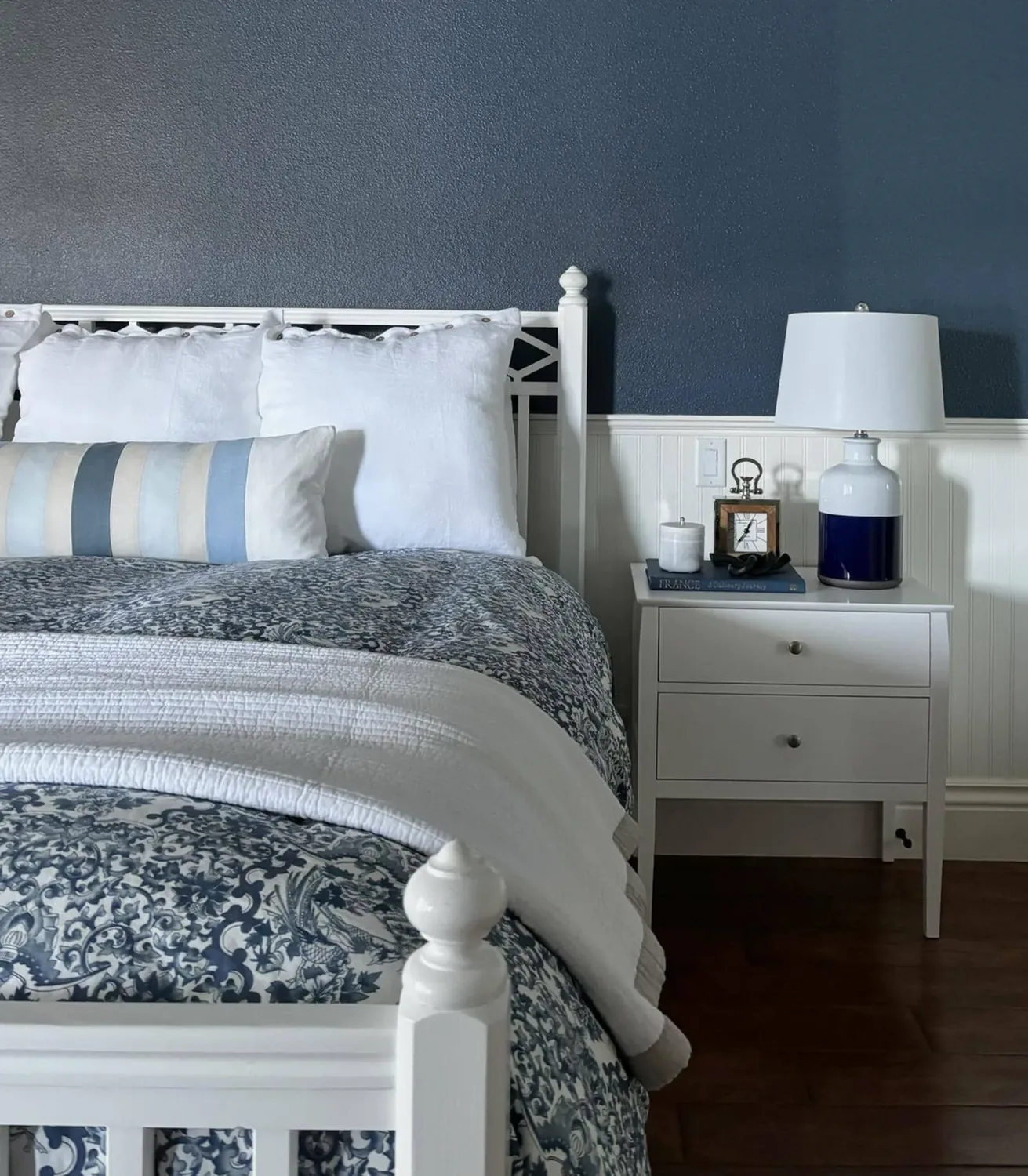
Properly placing sconces in a bedroom enhances both functionality and aesthetic appeal, ensuring the light is effective without overwhelming the space. The key is balancing practical lighting needs with a cohesive visual flow. Optimal sconce placement involves considering height, spacing, and location relative to furniture.
Built from our active project files, this guide explores the best practices for sconce placement in a Sacramento bedroom, including height, distance from the bed, and arrangement style. We’ll also address how placement influences ambiance and how to avoid common mistakes. Our approach is rooted in a warm-restraint, designer perspective that emphasizes subtlety and harmony, making your bedroom feel both inviting and well-lit without clutter.
Common Questions
| Where should sconces be placed in a Sacramento bedroom? | Sconces should be mounted at eye level, about 60 to 66 inches from the floor, and positioned approximately 12 to 24 inches from the edge of the mattress or headboard. I see this exact layout work consistently across local projects. |
| What height is ideal for bedroom sconces in Sacramento? | The ideal height for bedroom sconces is around 62 inches from the floor, aligning with average eye height for effective lighting. In field practice, this measurement prevents glare while reading in bed. |
| How far apart should sconces be placed on a bedroom wall? | Sconces should be spaced about 24 to 36 inches apart, proportional to the bed width, to achieve visual harmony. Always measure your specific headboard frame before marking the drywall. |
| Are symmetrical or asymmetrical sconce placements better in bedrooms? | Symmetrical placement offers balance and is ideal for traditional styles, while asymmetrical setups create visual interest in modern or eclectic interiors. Choose based on your room's architecture rather than current trends. |
Establishing the Ideal Height and Position for Bedroom Sconces
In our experience across active project specifications, the primary rule for sconce height is to mount them at eye level or slightly above for optimal task lighting without glare. Typically, this means about 60 to 66 inches from the floor to the center of the fixture. In some cases, especially over nightstands or beside the bed, positioning the sconces 62 inches from the floor aligns well with average eye height.
When considering placement beside the bed, keep sconces approximately 12 to 24 inches from the edge of the mattress or headboard. This spacing allows for comfortable reading without casting shadows or creating glare. The distance between two sconces on a wall should usually be about equal to or slightly less than the width of the bed or nightstands, roughly 24 to 36 inches apart, to achieve visual harmony. For best results, consider the existing furniture layout and avoid placing sconces where they might interfere with bedside lamps or obstruct views.
Choosing between symmetrical or asymmetrical arrangements depends on your bedroom's style. Symmetrical placement offers balance and classic appeal, ideal for traditional or minimalist interiors. Asymmetrical setups work well in eclectic or modern spaces, creating visual interest and a relaxed vibe. Ultimately, the goal is to enhance both lighting quality and the room’s ambiance, making the space feel cozy yet functional.
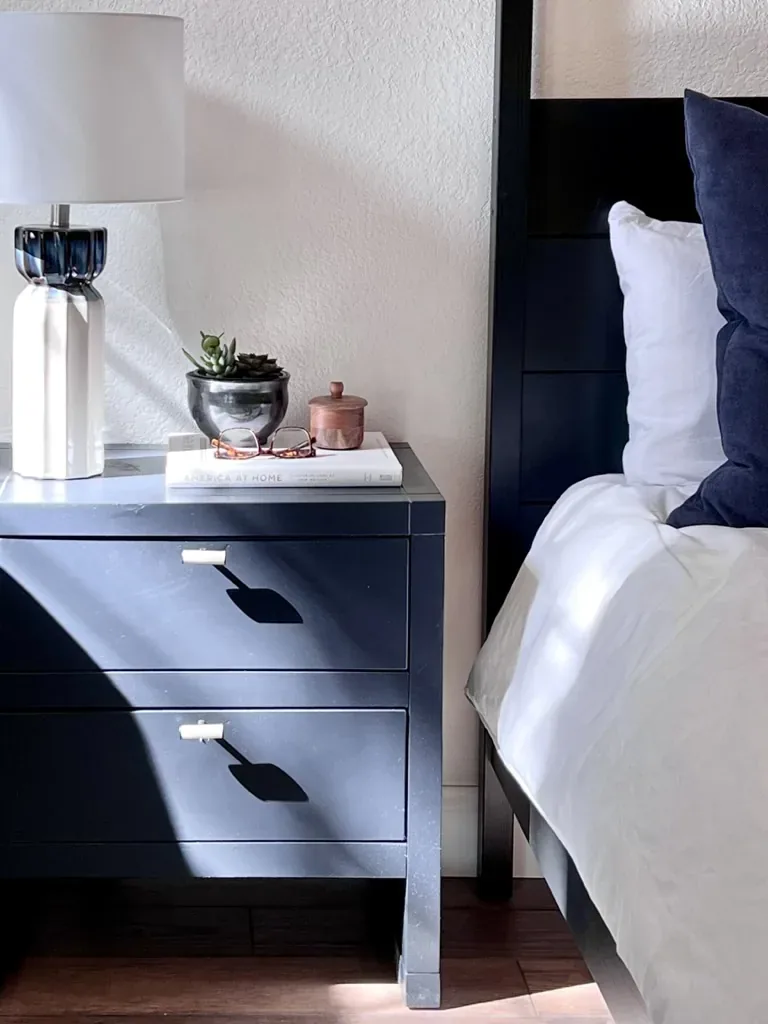
Material Specificity for Sconce Placement in Bedrooms
Authenticity-grade materials
- Brass (aged or polished), durable and timeless, complements warm Sacramento light
- Porcelain (matte or glazed), adds a soft, refined finish with good heat resistance
- Steel (brushed or matte), modern, sturdy, and finishes well in layered lighting schemes
- Glass (frosted or clear), diffuses light softly, reducing glare
- Fabric shades, add warmth and texture, ideal for cozy atmospheres
- Wood accents, bring natural warmth and complement traditional or rustic styles
- Aluminum (anodized), lightweight, corrosion-resistant, suitable for layered designs
- LED integrated fixtures, energy-efficient with customizable color temperature
Generic-grade tells we refuse to spec
- Plastic, often cheap and less durable, prone to discoloration
- Cheap metal finishes, easily scratched or tarnished
- Overly ornate or busy designs, distract from overall room harmony
- Low-quality glass, prone to chipping or clouding over time
- Unfinished or raw metals, susceptible to corrosion in humid environments
- Generic off-the-shelf fixtures, lack character and customization options
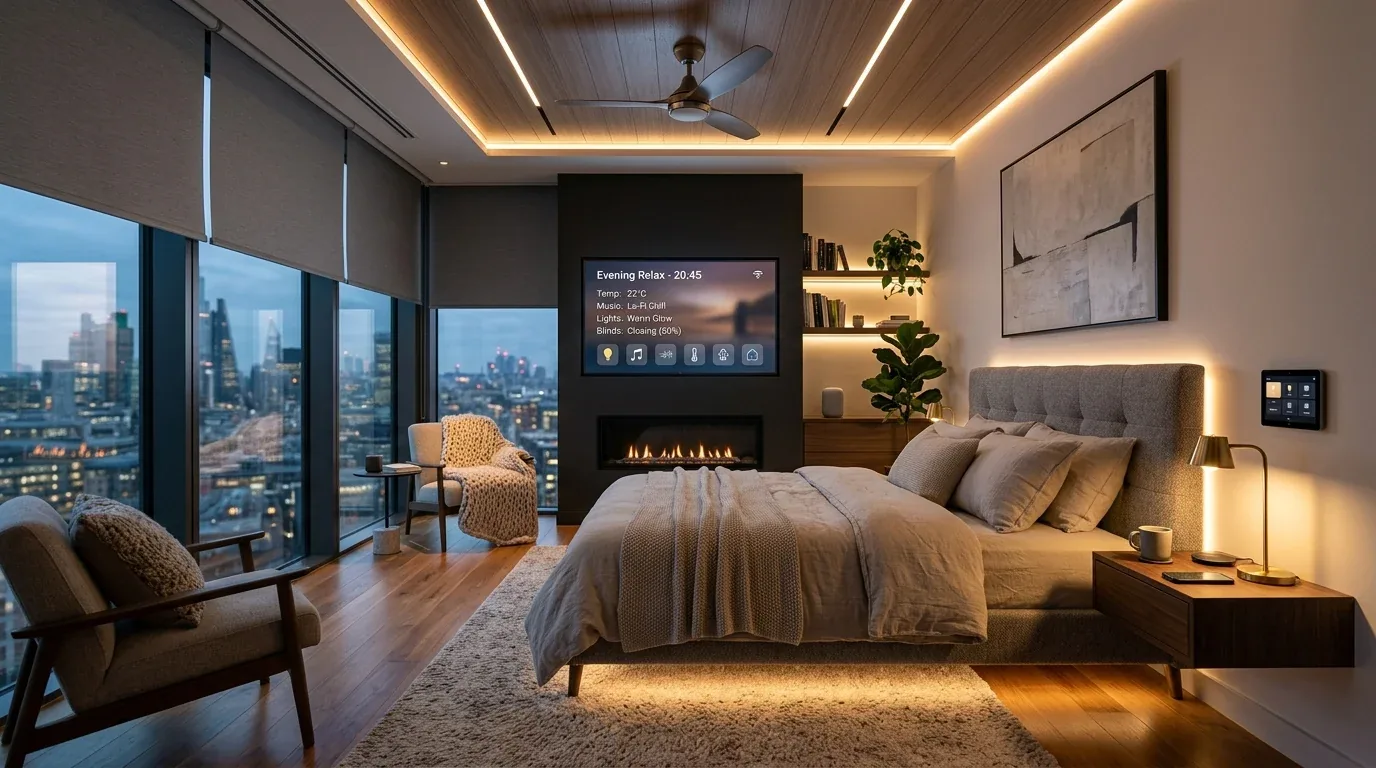
How to Decide the Best Height and Spacing for Bedroom Sconces
The first question homeowners ask is often about height: should sconces be higher or lower? The key is to position them at eye level, typically 60 to 66 inches from the floor, to ensure they provide effective task lighting without glare. When placing sconces beside the bed, about 12 to 24 inches from the edge of the mattress or headboard usually works well. This spacing keeps the light within reach for reading and helps avoid shadows.
Spacing between two sconces on a wall should be proportional to the bed width, roughly 24 to 36 inches apart, to create visual balance. The placement should also consider existing furniture, such as nightstands and dressers, to prevent fixtures from obstructing or competing with other elements. Symmetrical arrangements often lend a sense of order, while asymmetrical setups can add visual interest, especially in contemporary bedrooms.
In our experience, testing fixture height and spacing using mockups or painter’s tape during the early design phase can prevent costly mistakes later. The goal is to enhance comfort and functionality while maintaining harmony with the room’s style and layout.
Choosing Materials and Finishes that Enhance Sconce Placement
Material choices significantly impact the success of sconce placement. Authentic finishes like aged brass or matte black are popular in Sacramento for their warmth and durability. These finishes complement the regional landscape and natural light, creating a cohesive look. The American Society of Interior Designers emphasizes selecting fixtures that age gracefully and fit the overall color palette of the room.
Consider the size and scale of fixtures in relation to the wall space and furniture. Smaller, minimalist sconces work well in tight spaces or over nightstands, while larger fixtures can serve as statement pieces in more spacious rooms. Frosted glass or fabric shades diffuse light softly, reducing glare and enhancing the room’s ambiance.
Material selection should also account for the room’s function and natural environment. Sacramento’s dry climate favors corrosion-resistant finishes like anodized aluminum or certain powder-coated metals. When in doubt, choosing fixtures with high-quality materials ensures longevity and a refined appearance over time.
Observed Failure Modes We See in the Field
From our project debriefs and post-occupancy reviews, 2023-2026.
Incorrect Height Placement Causes Glare
Many homeowners or designers try to mount sconces too high or too low, resulting in glare or shadows that hinder task lighting. This mistake often stems from relying solely on aesthetic preferences without testing actual sight lines. The remedy is to use a laser level and mockup to set fixtures at roughly 62 inches from the floor, which aligns with typical eye level. Proper testing can reveal subtle issues that might not be obvious beforehand, saving time and money.
Poor Spacing Leads to Visual Imbalance
Spacing sconces too close or too far apart can disrupt room harmony. Too close creates clutter, while too far apart causes imbalance. The key is to measure relative to furniture and bed width, aiming for about 24 to 36 inches between fixtures. During a recent project, we used painter’s tape to mark fixture locations, which helped clients visualize the effect before installation. This simple step prevents costly repositioning later and ensures a balanced, cohesive look.
Ignoring Natural Light Results in Flat Ambiance
Failing to consider the room’s natural light can lead to fixtures that clash or underperform. Sacramento’s warm, strong sunlight influences how fixtures appear and how their light interacts with the interior. We always test placement during different times of day, using a light meter, to ensure sconces complement the natural glow. Overlooking this can make a room feel flat or overly warm, defeating the purpose of layered lighting.
Fixture Material and Finish Mismatch
Choosing the wrong materials or finishes for sconces can make them stand out or fade into the background, disrupting harmony. For example, shiny chrome fixtures in a warm-toned room can feel out of place. Our advice is to select authentic, high-quality materials like aged brass or matte black to match the room’s overall palette and regional lighting conditions. This attention to detail ensures longevity and aesthetic consistency.
Overloading Wall Space with Fixtures
Adding too many sconces or placing them without regard to furniture scale can clutter the wall and diminish their visual impact. It’s best to limit fixtures to one or two per wall and ensure they are proportionate to the bed and nightstands. During a recent project, we used site photos and mockups to test fixture placement, which helped avoid a costly reconfiguration after installation.
What's Going Out for 2026
- Using fixtures that are too high or too low
- Placing sconces without testing spacing or height
- Ignoring natural light and ambiance
- Overloading walls with too many fixtures
- Choosing fixtures without considering material harmony
- Ignoring the room’s furniture layout
- Using overly ornate or mismatched fixtures
- Failing to incorporate dimming or smart controls
What This Costs in 2026
| Scope | Typical range |
|---|---|
| Basic refresh with standard fixtures | $4K-$8K |
| Mid-tier with designer fixtures and custom placement | $8K-$20K |
| Luxury estate-scale lighting design with high-end fixtures | $20K-$50K |
Working Notes
What We Have Learned Doing This: Sconce Placement Bedroom
“A finish you cannot maintain is a finish you cannot afford.”
A renovation is a dependency chain, not a list of tasks. A two-day cabinet delay quietly becomes a two-week slip by week sixteen because every trade downstream is holding a calendar. The least glamorous part of this work, and the most valuable, is keeping that chain from cascading.
Specify for the next ten years, not the next photo shoot. The work that holds its value is quiet, well made, and a little bit boring on the day it is installed.
After enough projects you stop fearing bad taste and start fearing the boring things: delays, sequencing mistakes, moisture behind a wall, an electrician improvising, framing that is not where the drawings swear it is. The aesthetic part still matters, it is why anyone hires anyone, but execution decides whether the room ever gets built the way it was drawn.
These notes come from our own project debriefs. Most were learned the expensive way the first time.
Sources & Professional References
This guide's positions on materials are grounded in published building-code, standards, and recognized design-authority sources, alongside Designed | Curated Interiors' verified credentials and active project files:
- American Society of Interior Designers (ASID): interior-design practice standards
- International Code Council (ICC): Chapter 8 Interior Finish Decorative Materials And Furnishings
- NKBA, Amy Kunst Member Profile (verified credential, NKBA Committee Member)
- Featured in: Homes & Gardens (design expert quote, May 2026) · Sacramento Love (guest author, 2024)
From Principle to a Real Room
A trend piece is the briefing document, not the deliverable. The pages below show how we translate these principles into finished rooms across Sacramento and the rest of Northern California.
- Sacramento & Bay Area Interior Design Services How we scope, source, and deliver work end to end.
- Interior Designer Hub, Sacramento Where most of our Sacramento work lives, the regional fit explained.
- Bedroom Rug Placement: A Designer's Guide to the 2026 Look Discover the latest trends in bedroom rug placement for 2026, focusing on styles, materials, and regional insights from Sacramento.
- Positive Energy Placement Feng Shui Bedroom: A Designer's Guide to the 2026 Look Discover how positive energy placement feng shui trends for 2026 can transform bedrooms in Sacramento, creating tranquil and harmonious spac