
\n
\n
Knowing precisely when to hire a professional interior designer in Richmond can make or break your home project’s success and budget. Know the phases where a designer is vital. Talk to a local designer early. They’ll sync your ideas with practicalities like permits and codes, reducing headaches later. This post explores the ideal timing for bringing in a Richmond interior designer, the project stages requiring oversight, and how their integration can prevent costly mistakes.
Built from our active project files, this guide offers insights into project management, regional considerations, and specific design strategies to help homeowners navigate complex renovations confidently and effectively.
\n\n
\n\n\n
Direct Answers (When To Hire Professional Oversight For Home Projects In Richmond Interior Designer)
\n
| When should I hire a professional interior designer for my home project in Richmond? | Engage an interior designer early in the project to align design goals with local standards, permits, and regional considerations, saving time and money. |
| What project stages require professional oversight from a Richmond interior designer? | Design decisions at the outset, fixture selections, layout planning, and permit navigation are key stages where professional oversight is most beneficial. |
| Why is early involvement of an interior designer important in Richmond renovations? | Early involvement helps clarify goals, ensures compliance with local building codes, and integrates regional aesthetics, preventing costly revisions later. |
| How can a designer help with permit requirements in Richmond? | A designer familiar with Richmond’s Building Division can assist in navigating permit processes and ensuring design compliance with local regulations. |
\n
\n
When DIY Isn’t Enough: Identifying the Need for Professional Oversight
As an interior designer with extensive experience across Northern California, I often find homeowners grappling with a common question: when do they need to bring in professional oversight? The answer isn’t always obvious but is crucial for ensuring your project stays on track and within budget.
Most projects need some professional input. Paint a wall? Move a chair? DIY works. For anything involving walls, plumbing, or wiring, you’ll want a designer. If you’re spending over $5,000, a pro can ensure you’re following the local rules.
- DIY can miss the mark on design flow and function.
- Pros make sure everything’s safe and legal.
- A designer helps with permits, saving time and avoiding fines.
- Expert design makes small spaces work better in NorCal homes.
- Hire early to skip costly fixes.
From Amy Kunst’s NorCal projects. In Folsom, folks who delay hiring face costs like $1,800 to $4,200 for compliance with ARC reviews. Start with Title 24 checks to avoid hiccups.
Big project or over $5,000? Bring in a professional. This investment can save you money and ensure a successful outcome.
\n
When To Hire Professional Oversight For Home Projects In Richmond Interior Designer 2026 at a Glance
| Element | In | Out |
|---|---|---|
| Project Phases | Professional oversight is critical during planning and permit stages | Post-design adjustments |
| Design Integration | Design integration from project start ensures better outcomes | Late-stage material choices |
| Cost Management | Avoid costly rework with early professional input | DIY project management |
| Regulatory Standards | Phased oversight prevents scope creep | Ignoring permit requirements |
| Material Selection | Local Richmond standards influence project timing | Uncoordinated contractor work |
| Project Complexity | Designers help streamline contractor coordination | Overlooking local regulations |
| Contractor Coordination | Early involvement enhances material selection accuracy | Last-minute design changes |
| Timing Criticality | Increased project complexity calls for professional oversight | Skipping professional consultation |
\n
The First Major Design Move: Early Professional Involvement
\n
In Richmond, the most impactful design decisions often occur at the project’s outset. An interior designer checks that your plans meet building codes. Choose fixtures and layouts early. You’ll avoid changing mid-project. Local designers get what works in Richmond from the start.
In early stages, designers keep contractors and codes in sync. This proactive approach prevents delays caused by non-compliance and allows for a cohesive aesthetic that respects Richmond’s historic neighborhoods and land stock. The investment in professional oversight upfront often results in smoother execution and better value.
\n
\n
\n
Material Specificity for Richmond Homes
Authenticity-grade materials
- White oak (rift-sawn), for floors and slat detail; calmer grain than plain-sawn
- Limestone (Cararra or similar), for countertops and fireplace surrounds; offers durability and subtle texture
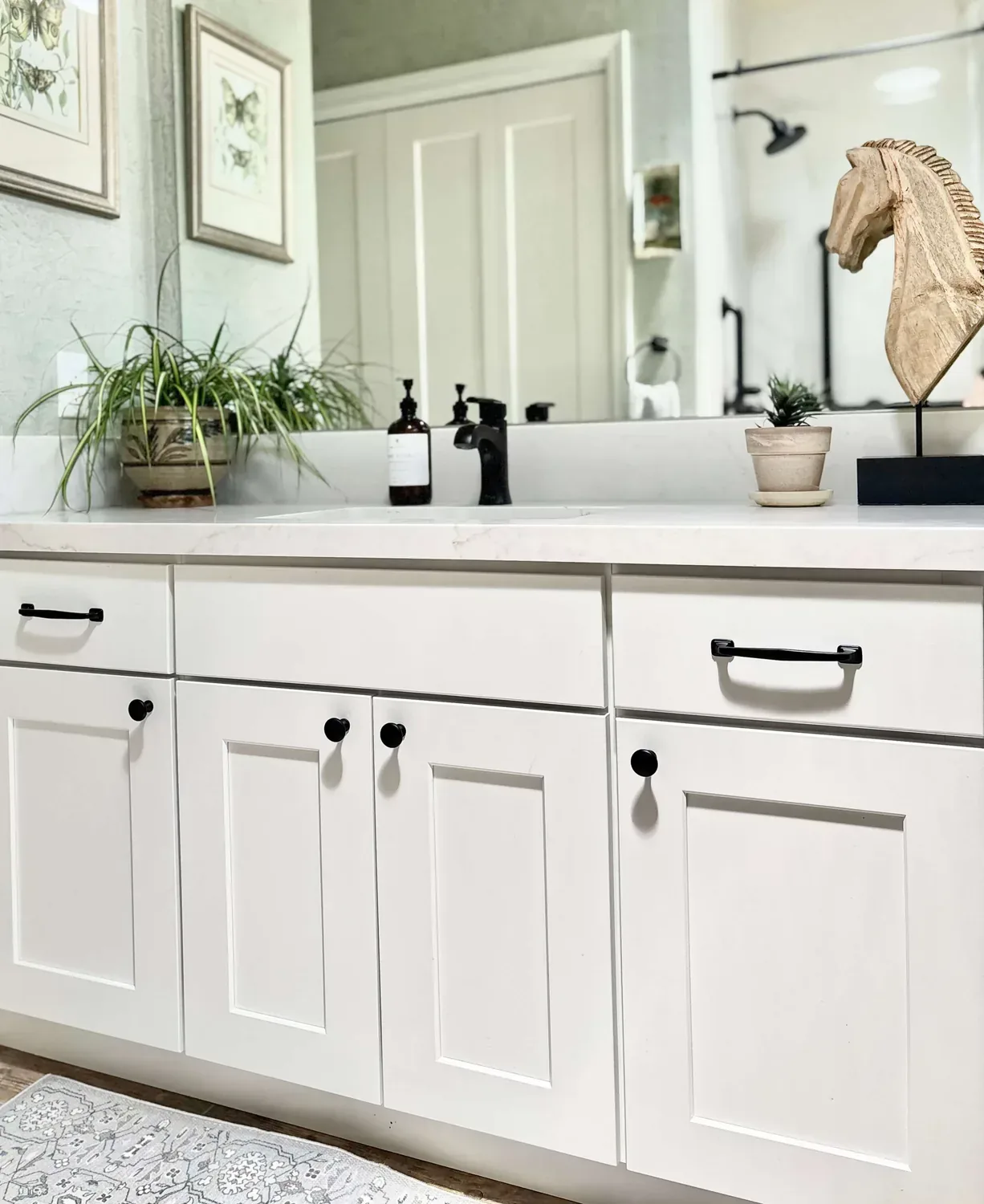
- Matte black hardware, modern yet timeless, complements historic and contemporary styles
- Soft-close cabinetry, ensures longevity and quiet operation in high-use kitchens
- Natural linen fabric, for window treatments, adding texture and softness
- Brushed nickel fixtures, for durability and a sleek finish in bathrooms
- Reclaimed wood, for accent walls or custom millwork, adding regional character
- Low-VOC paints, for healthier indoor air quality and compliance with local standards
Generic-grade tells we refuse to spec
- Standard laminates, less durable and less authentic
- Glossy finishes, may look cheap over time
- Mass-produced hardware, less unique and often lower quality
- Synthetic fabrics, less breathable and less natural
- Pre-finished cabinetry, limited customization
- High-VOC paints, can impact indoor air quality
- Cheap tile, prone to cracking and discoloration
- Plastic fixtures, less durable and less fitting in high-end spaces
\n
Richmond Regional Perspective on When to Hire a Designer
\n
Richmond’s unique architectural landscape and historic neighborhoods make early professional oversight especially valuable. Old homes here can be tricky. Local designers know how to handle these challenges. The region’s light and landscape influence material choices and spatial layout, making regional expertise critical for successful renovations. Our insights from Concord affirm that engaging a designer early helps navigate Richmond’s permit process, which is governed by the Building Division. By planning ahead, designs fit local rules, cutting down on hiccups and saving money.
Richmond’s mix of houses makes early planning key for site and build choices. A local designer familiar with building codes helps keep things on track and within budget. The regional context emphasizes that timing your engagement is not just about aesthetics but also about compliance and strategic planning, especially when considering permits and structural modifications.
\n
\n
When to Bring in a Designer for Fixtures and Product Choices
\n
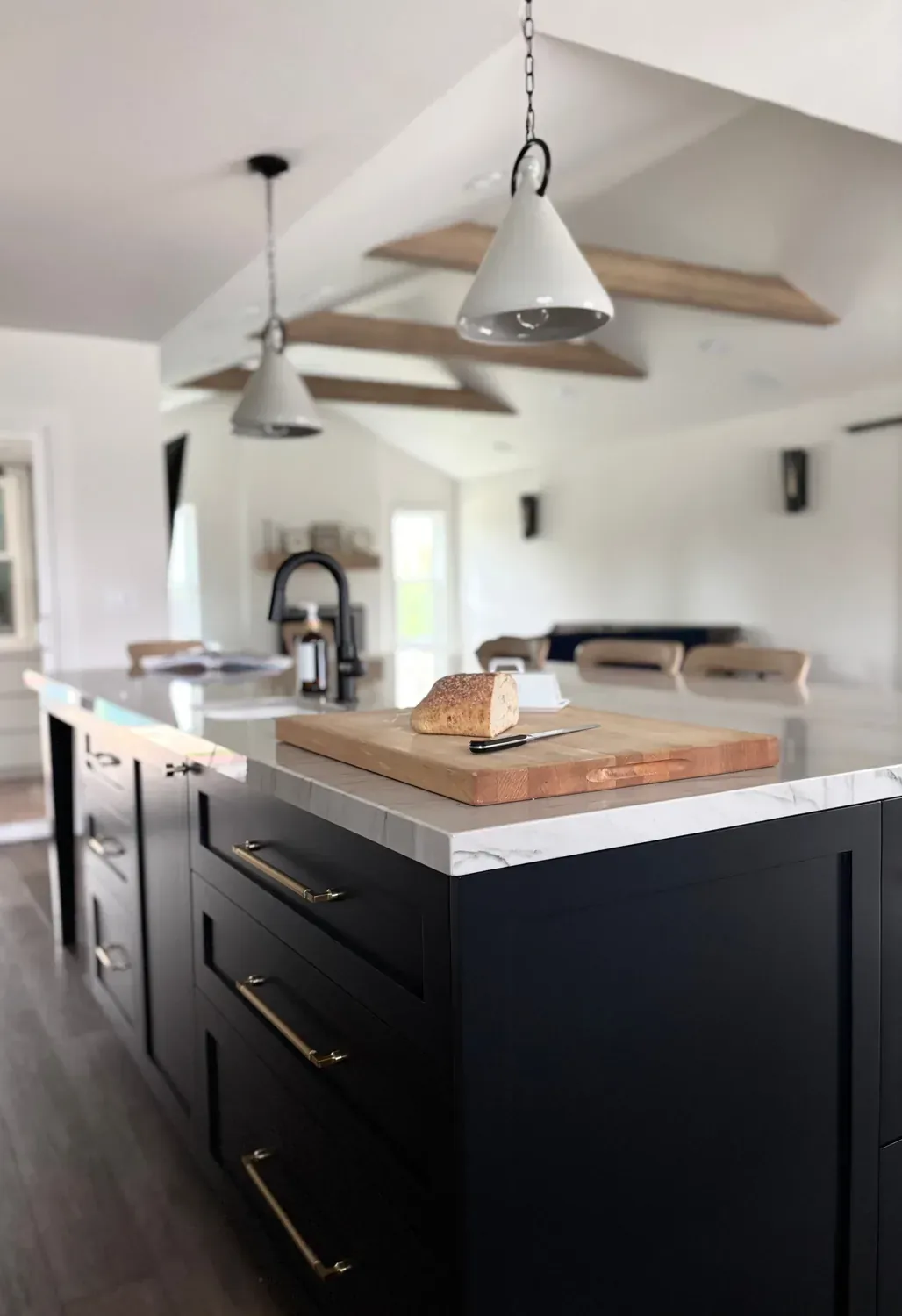
The homeowner’s real concern is often about selecting the right fixtures, appliances, and finishes to match their aesthetic and functional needs. First, check if you’re adding new things like islands or vanities. Get your designer involved right away to ensure the new furniture fits.
| Fixture Type | Recommended Timing | Notes |
|---|---|---|
| Range Hood | Design phase | Proper sizing for venting and aesthetics |
| Kitchen Island | Preliminary layout | Size and placement critical for workflow |
Delaying decisions often leads to mismatched sizes, incompatible finishes, or delays in ordering custom products. Bringing a pro on board can help match materials with your home style. This strategic timing minimizes costly adjustments and ensures your project reflects your vision from the outset.
\n
Sizing and Specification Guide for Richmond Renovations
\n
Understanding the right dimensions for fixtures and structural elements is essential in Richmond’s older homes, where ceiling heights, window sizes, and room proportions vary widely. For a 36-inch stove, get a hood that’s 24 inches deep. Make sure the CFM fits what you require.
- Range hood width: 36-48 inches
- Ceiling height: 8-10 feet preferred for open spaces
- Counter depth: 24-25 inches for standard cabinetry
Early input from a designer helps specify these details, ensuring the final installation looks balanced and functions efficiently. It also prevents over- or under-sizing, which can impact both aesthetics and performance, especially in Richmond’s diverse housing stock.
\n
Custom vs Stock Products: Making the Right Choice in Richmond
\n
Homeowners often face the dilemma of choosing between custom millwork and stock products from sources like Wayfair or local fabricators. The American Society of Interior Designers emphasizes that early planning with a designer helps weigh the trade-offs between cost, quality, and lead time. Custom cabinets are pricey and need time to complete, but they fit just right. Stock cabinets are quick and cheap but might miss that personal touch for a Richmond home.
Choosing early lets designers align your plans with local styles and standards. This strategic timing can save thousands in rework costs and lead to a more cohesive, high-quality result.
\n
Is Your Project Too Complex for DIY Management?
\n
Richmond homeowners often ask if their renovation has become too complicated for DIY oversight. Need permits or big changes? Time to call in help. The AIA notes that projects need professional oversight when multiple trades and rules are involved.
If you can’t handle vendors or permits, or face structural issues, call a designer. Their expertise ensures your project adheres to regional standards and avoids costly mistakes that can quickly escalate in complexity.
\n
Common Mistakes That Make Richmond Renovations Look Cheap or Date Fast
\n
In Richmond, we see several recurring pitfalls that undermine project quality. Generic fixtures can make a space feel off without local touch. Improper fixture sizing leads to awkward proportions. Skipping professional oversight can lead to unexpected scope changes or permit problems. Being aware of these pitfalls helps homeowners and designers create timeless spaces that respect Richmond’s unique character and land stock.
\n\n
Observed Failure Modes, How When To Hire Professional Oversight For Home Projects In Richmond Interior Designer Goes Wrong
From our project debriefs and post-occupancy reviews, 2023-2026.
Underestimating Permit and Structural Challenges
Homeowners in Richmond often assume that minor renovations do not require permits or structural review. During the Wood Project, a homeowner near Macdonald Avenue assumed a simple kitchen upgrade was straightforward. The contractor proposed removing a wall to open the space, citing no permit needed. However, upon review of Richmond’s Building Division regulations, I discovered that the wall was load-bearing and required structural reinforcement and permits. Using a story pole and permit research, I identified the hidden complexity. Skipping early issue checks can mean delays and costly do-overs. Having an expert on local codes early prevents expensive surprises.
Misjudging Material Suitability
Many homeowners select finishes without considering regional climate and home style. High-gloss paint on a historic bungalow in Richmond? Bad idea; it wears fast and clashes. We stick to reclaimed wood and low-VOC paints that suit local styles. Homeowners face mismatched styles and costly fixes without expert input.
Ignoring Regional Design Context
Design choices made without regional awareness can result in spaces that feel out of place. Picture modern minimalism alongside Craftsman homes. It doesn’t fit. Local designers help make sure your project aligns with Richmond’s style. Context matters for creating interiors that fit and last.
Overlooking Local Regulations and Standards
Failing to research Richmond’s specific building and permit standards can cause delays and fines. The American Society of Interior Designers emphasizes that understanding local codes from the start streamlines approval processes. For example, not consulting the Richmond Building Division early on can lead to rework and added costs. Professional oversight ensures compliance, especially when dealing with structural or electrical modifications in older homes.
\n
What’s Going Out for 2026
- Ignoring local permit requirements
- Choosing finishes without regional context
- Starting construction before design finalization
- Skipping professional assessment for structural issues
- Relying solely on DIY project management
- Disregarding regional climate in material choices
- Overlooking local historic preservation standards
- Selecting fixtures without sizing considerations
\n
What When To Hire Professional Oversight For Home Projects In Richmond Interior Designer Costs in 2026
| Scope | Richmond / Bay Area | Sacramento |
|---|---|---|
| Refresh scope: minor updates, finishes, fixtures | $15K-$40K | $10K-$30K |
| Mid-tier scope: full room remodel with custom finishes | $60K-$150K | $40K-$100K |
| Estate-scale: major renovation with structural changes | $200K-$1M | $150K-$500K |
\n
Local permits & planning
\n\n\n\n\n
\n\n
Working Notes
What We Have Learned Doing This: When To Hire Professional Oversight For Home Projects In Richmond – Interior Designer
“What survives the punch list is what was drawn clearly.”
Old houses lie, and so do new ones. A house ten years old? Plans never account for surprises behind walls. Old plans and guesses aren’t dependable. Keep 15-20% in the budget for demolition surprises.
You end up stressing over delays and hidden moisture, not just poor taste. Design matters, but execution determines if it ever looks that way.
A renovation depends on many interlinked steps, not just a checklist. A two-day cabinet delay quietly becomes a two-week slip by week sixteen because every trade downstream is holding a calendar. The least glamorous part of this work, and the most valuable, is keeping that chain from cascading.
These notes come from our own when to hire professional oversight for home projects in richmond – interior designer project debriefs. Most were learned the expensive way the first time.
\n\n
Sources & Professional References
\n
This guide’s positions on kitchen are grounded in published building-code, standards, and recognized design-authority sources, alongside Designed | Curated Interiors’ verified credentials and active project files:
\n
- \n
- American Society of Interior Designers (ASID): interior-design practice standards
- Building Division, Richmond (Contra Costa County) building permit portal
- NKBA, Amy Kunst Member Profile (verified credential, NKBA Committee Member)
- Featured in: Homes & Gardens (design expert quote, May 2026) · Sacramento Love (guest author, 2024)
\n
\n
\n
\n
\n
\n
Frequently Asked
When should I hire a professional interior designer for my home project in Richmond?
\n
What project stages require professional oversight from a Richmond interior designer?
\n
Why is early involvement of an interior designer important in Richmond renovations?
\n
How can a designer help with permit requirements in Richmond?
\n
Are there specific fixtures or product choices that should be decided on early in Richmond projects?
\n
What are the risks of delaying professional design input in Richmond home projects?
\n\n
From When To Hire Professional Oversight For Home Projects In Richmond Interior Designer to a Real Room
\n
A trend piece is the briefing document, not the deliverable. The pages below show how we translate these principles into finished rooms across Richmond and the rest of Northern California.
\n
- Sacramento & Bay Area Interior Design Services How we scope, source, and deliver work end to end.
- Interior Designer Hub, Richmond Where most of our Richmond work lives, the regional fit explained.
- When To Hire Battery Backup Systems For Estates San Rafael – Interior Designer Related cluster piece referenced from the When To Hire Battery Backup Systems For Estates San Rafael – Interior Designer build files.
- When To Hire An Interior Designer In Washington Dc Related cluster piece referenced from the When To Hire An Interior Designer In Washington Dc build files.
\n
\n
\n
\n
Start a Project Conversation →
\n
\n