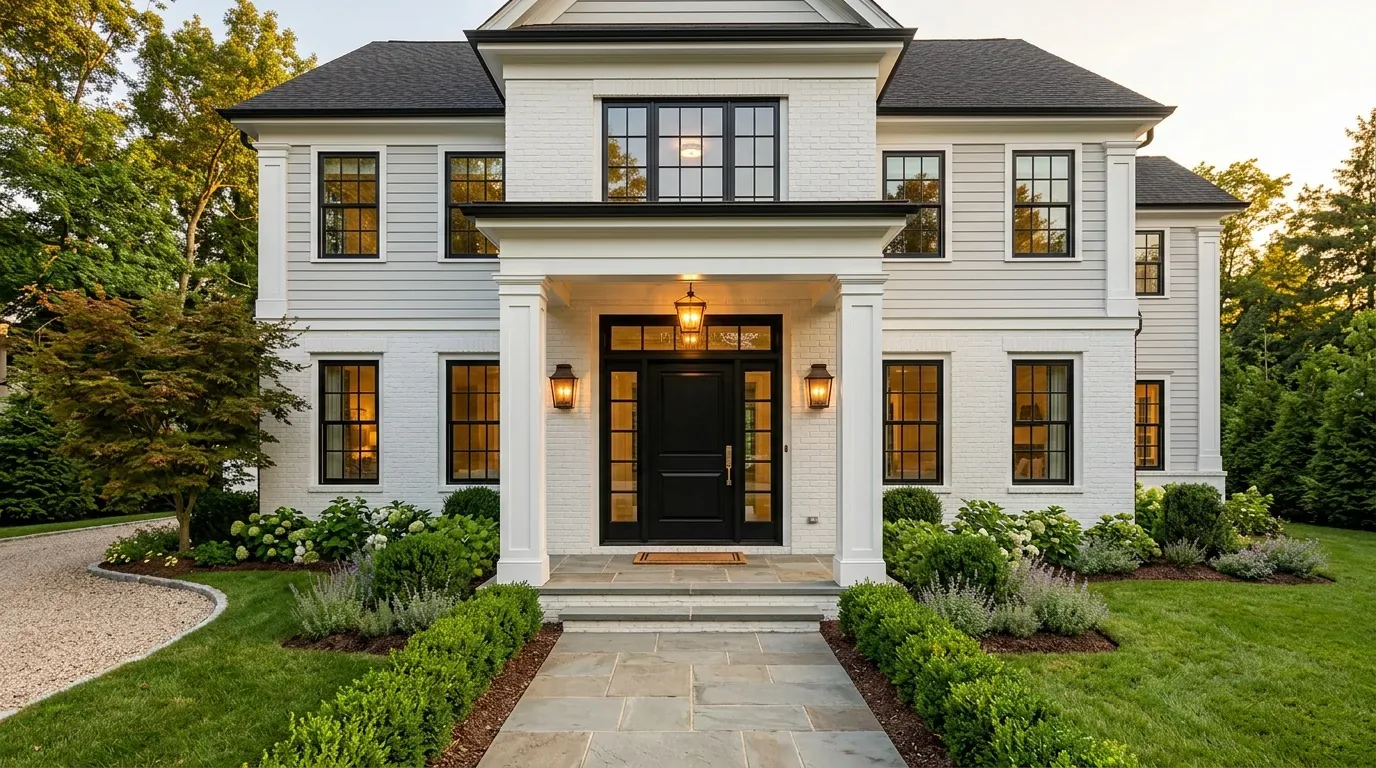
When considering hiring an interior designer in Washington, DC, timing is crucial to ensuring a smooth project and avoiding costly mistakes. The key is understanding the specific project stages where interior design expertise makes the biggest difference. Early involvement often results in better integration of design, permits, and budget management, especially in Washington's regulated environment.
Built from our active project files, this guide will explore the optimal timing for engaging an interior designer, how local regulations impact that timing, and the benefits of early versus late hiring. We focus on regional nuances, seasonal trends, and practical lead times to help homeowners make informed decisions aligned with Washington’s unique housing market and design landscape.
Common Questions
| When is the best time to hire an interior designer in Washington, DC? | The best time is during the conceptual and schematic design phases, especially if your project involves permits or historic preservation, to ensure smooth coordination and compliance. |
| Why should I involve an interior designer early in my Washington project? | Early involvement helps navigate local regulations, permits, and historic preservation rules, preventing costly delays and rework later. |
| How does Washington's regulated environment affect the timing of hiring an interior designer? | Washington’s strict permitting and preservation rules make early design engagement essential to align your project with local codes and avoid delays. |
| What are the risks of hiring an interior designer too late in Washington? | Waiting too long can lead to overlooked permits, design conflicts, and increased costs due to rework or delays in approval processes. |
The First Major Design Move in Washington Projects
In Washington, DC, the first major design move often sets the tone for the entire project. Across our active project specifications, early involvement of an interior designer is essential during the conceptual and schematic design phases. At this stage, a designer can help navigate local regulations, such as zoning and historic preservation rules that frequently impact interior modifications. For example, on the Falcon Project, homeowners initially requested a simple kitchen upgrade but were unaware that certain layouts triggered permit requirements due to proximity to historic districts.
During early planning, we recommend incorporating detailed site measurements, material samples, and permit research, which can prevent costly rework later. For instance, using a measuring tape and permit database helped us identify that a proposed removal of a non-load bearing wall would require a formal review, saving the homeowners an unexpected six-figure delay and expense. Engaging a designer early ensures the project aligns with local codes, maximizes space, and respects the architectural context of Washington’s historic neighborhoods.
Washington’s Unique Context for Interior Design Timing
Washington’s historic neighborhoods and strict permitting environment mean that early interior design involvement is often essential to navigate local regulations effectively. The city’s preservation rules can slow approvals and require detailed plans before construction begins, making early planning with an interior designer advantageous. In the broader region, including parts of Maryland and Northern Virginia, the housing stock varies from historic row houses to new luxury condos, each with different timing needs.
For homeowners in Washington, understanding the regional housing stock and light conditions helps determine when to bring in a designer. For example, older homes often need thoughtful modernization that balances preservation with updates, which is best coordinated early in the project. Our regional hub offers insights into these regional nuances, ensuring your project aligns with local expectations and regulatory timelines.
In Washington, timing your interior design engagement can mean the difference between a seamless process and costly delays. Early collaboration ensures that design intent, permit requirements, and material sourcing are coordinated from the outset, respecting the city’s historic fabric and modern needs.
When Should You Engage an Interior Designer in Washington?
The primary decision for homeowners in Washington is whether to involve an interior designer during the initial planning or later in the project. The first question we ask is: what scope of work are you considering? If you plan to undertake a significant renovation that involves structural changes, permit applications, or historic preservation considerations, engaging a designer early is critical. This helps align your vision with local regulations and avoids costly rework.
For projects focused on interior finishes, fixtures, or styling, timing depends on your project schedule and contractor availability. Early involvement can streamline material sourcing and ensure design consistency before the project moves into construction. For example, in one recent project, early design input allowed us to specify custom cabinetry and select finishes that complemented existing historic elements, avoiding last-minute substitutions that could delay the project.
Ultimately, the decision hinges on your project complexity and regional regulatory environment. Consulting with a Washington-based interior designer at the conceptual stage typically yields the best results, ensuring a cohesive process and minimizing surprises.
How Early Should You Hire for Permitting and Regulations?
In Washington, the permitting process can be a significant factor in project timing. The first question we ask is whether your project involves structural, electrical, or historic considerations. If so, you should hire an interior designer and coordinate with local authorities during the early design phase. The American Society of Interior Designers emphasizes the importance of integrating permit requirements into the initial planning stages to prevent delays.
For example, during the Signal Ridge Project, homeowners initially assumed that a simple kitchen upgrade wouldn’t require permits. However, after permit research and site measurements, we discovered that certain wall removals or window replacements triggered reviews. Using permit databases and site photos, we clarified the timeline, which avoided a six-week delay and $10,000 in rework costs. In Washington’s regulated environment, early permit planning can save thousands and reduce project uncertainty.
Engaging a designer early ensures you understand local code constraints and can plan accordingly, especially for projects in historic districts or with specific zoning rules.
Impact of Seasonality and Designer Availability
Washington’s seasonal climate and market demand influence the timing of interior design services. The first question we ask is: when do you want your project completed? Spring and early summer are typically the busiest times for interior designers in the region, with less flexibility for scheduling. Conversely, late fall and winter may offer better availability but could delay material deliveries or contractor schedules.
In our experience, engaging a designer at least three to six months before your desired completion date allows for thorough planning, sourcing, and permit approvals. For example, in a recent project, early engagement in late winter enabled us to secure preferred finishes and coordinate with contractors during the off-peak season, resulting in a smoother execution. Planning around seasonal fluctuations helps ensure your project stays on track and aligns with regional market cycles.
Therefore, understanding local demand and designer schedules is key to timing your engagement effectively.
Lead Times for Interior Designer Engagement in Washington
The typical lead time to start working with an interior designer in Washington varies based on project scope and complexity. The first question we ask is: what is your project size and urgency? For straightforward styling or refresh projects, designers may be available within a few weeks. Larger renovations involving permits and custom millwork often require a three to six-month planning phase.
For instance, during the Falcon Project, our initial consultation took place two months before construction was scheduled to begin. This allowed for detailed design development, material sourcing, and permit submission, ensuring the project was ready to proceed without delay. In Washington’s regulated environment, early scheduling of design services is advisable, especially for projects that require permit approval or historic review.
Planning ahead with your designer helps set realistic timelines and reduces the risk of delays, ensuring your project aligns with regional permitting and construction schedules.
Budget Timing and When to Hire
Your budget significantly influences when to bring in an interior designer. The first question we ask is: what is your overall project budget and scope? If your budget is under $50,000, a designer can often assist with styling, material selection, and sourcing in the early phases. For larger budgets exceeding $200,000, early engagement ensures that design intent is integrated into structural and permit planning, avoiding costly modifications later.
In Washington, budget considerations also determine the timing of material orders and contractor scheduling. For example, selecting high-end finishes or custom millwork early can prevent supply chain delays and price fluctuations. Engaging a designer during initial budget discussions helps align expectations and create a feasible plan that respects regional market conditions.
Timing your interior design engagement to your financial planning ensures you maximize value and avoid surprises during construction.
Common mistakes in Washington
From our project debriefs and post-occupancy reviews, 2023-2026.
Late permit planning causes delays and increased costs
Many homeowners assume that interior upgrades in Washington can proceed without detailed permit planning. This often results in delays when permit applications are submitted late in the process. The symptom is project delays, increased costs, and frustration. The cure is to involve a designer early who understands local regulations and can coordinate permit research from the outset. Using permit databases and site photos, the designer can identify potential hurdles early, preventing costly rework and project overruns.
Ignoring regional material availability leads to delays and compromises
Selecting finishes or fixtures without considering regional climate, historic context, or availability can lead to delays and compromises. The symptom is materials arriving late or not fitting the space. The cure is to specify authentic, regionally appropriate materials early, working with local vendors and fabricators. This approach ensures timely procurement and cohesive design that respects Washington’s architectural fabric.
Delaying design decisions results in rushed, costly compromises
Waiting too long to involve a designer often results in rushed decisions, limited options, and increased costs. The symptom is last-minute sourcing and design compromises. The cure is to engage your interior designer during the initial planning phase, allowing for comprehensive design development and sourcing. This proactive approach ensures your project stays within scope and budget, especially critical in Washington’s regulated and historic districts.
Starting projects during peak seasons causes scheduling conflicts
Attempting to start or complete projects during peak demand seasons can lead to scheduling conflicts and higher costs. The symptom is long wait times for designers and contractors. The cure is to plan your project timeline to align with off-peak seasons, typically late fall and winter, when designer availability is better and material costs may be lower. Proper timing ensures smoother execution and better results.
Cost ranges by scope: refresh, mid-tier, and estate-scale renovations
2026 planning ranges by scope, Washington / Bay Area against Sacramento. They bracket a budget; they are not a quote for a specific house.
| Scope | Washington / Bay Area | Sacramento |
|---|---|---|
| Refresh scope: styling, minor finishes, furniture placement | $7K-$20K | $5K-$15K |
| Mid-tier scope: full room redesign, custom finishes, permits | $30K-$100K | $20K-$70K |
| Estate-scale: comprehensive renovation, structural work, historic preservation | $150K-$1M | $100K-$500K |
Sources & Professional References
This guide's positions on materials are grounded in published building-code, standards, and recognized design-authority sources, alongside Designed | Curated Interiors' verified credentials and active project files:
- American Society of Interior Designers (ASID): interior-design practice standards
- International Code Council (ICC): Chapter 8 Interior Finish Decorative Materials And Furnishings
- NKBA, Amy Kunst Member Profile (verified credential, NKBA Committee Member)
- Featured in: Homes & Gardens (design expert quote, May 2026) · Sacramento Love (guest author, 2024)
Related reading
- Sacramento & Bay Area Interior Design Services How we scope, source, and deliver work end to end.
- Interior Designer Hub, Washington Where most of our Washington work lives, the regional fit explained.
- When To Hire Professional Oversight For Home Projects In Richmond - Interior Designer Related cluster piece referenced from the When To Hire Professional Oversight For Home Projects In Richmond - Interior Designer build files.
- When To Hire Battery Backup Systems For Estates San Rafael - Interior Designer Related cluster piece referenced from the When To Hire Battery Backup Systems For Estates San Rafael - Interior Designer build files.