2026 still feels the 1950s. Old style, new life. Updating those mid-century details for now. It's practical and new. Use vintage details, but make sure your home stays inviting.
This guide pulls from our projects. It's about using 1950s design in 2026 with authentic updates. Check materials, colors, and furniture that work. We'll cover what's happening around Sacramento and the Bay Area, helping you choose with a nod to both local history and current trends.
Common Questions
| What are the key features of 1950s interior design that might influence 2026 trends? | Streamlined pieces, soft colors, geometric designs. New mixes with the 1950s in 2026. |
| How can I incorporate 1950s design elements into my Sacramento home in 2026? | Try using matte laminates. Engineered stone works too. Stick with earthy colors and old-style fixtures. Leave the original framework alone. |
| Is it better to remodel or rebuild to achieve a 1950s look in Sacramento homes? | Vintage look can stay. Structural quirks can surprise you. |
| What regional factors should I consider when designing a 1950s-inspired interior in Sacramento? | Old Sacramento homes love natural light for retro designs. |
Modern interpretation of 1950s interior design
In 2026, the key to adapting 1950s interior design elements lies in balancing authenticity with modern sensibility. Pastels and playful patterns defined 1950s style. Today, update those with newer materials that nod to history. Check out Article or Blu Dot. Their designs echo 1950s clean lines with modern touches. Go for geometric tiles or wall textures. Adds interest without cluttering.
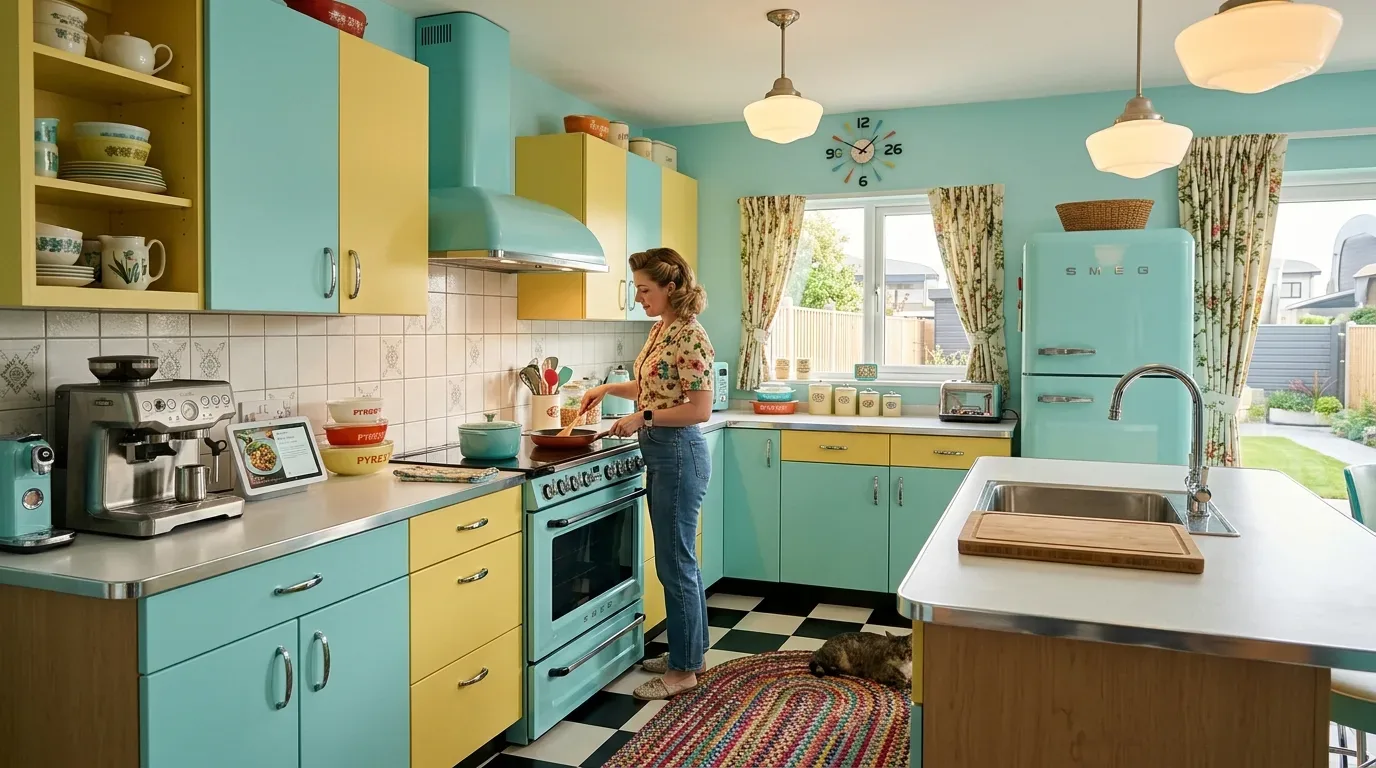
Current projects show a shift to earthy 1950s color schemes. Imagine sage greens, warm beige, and terracotta. Throw in mustard or teal for a pop. Matte laminates, engineered stone, and brushed metals create a strong vintage look. Low maintenance, too. The American Society of Interior Designers emphasizes restraint and subtlety, encouraging a curated approach that avoids the excess of previous decades while still capturing their spirit.
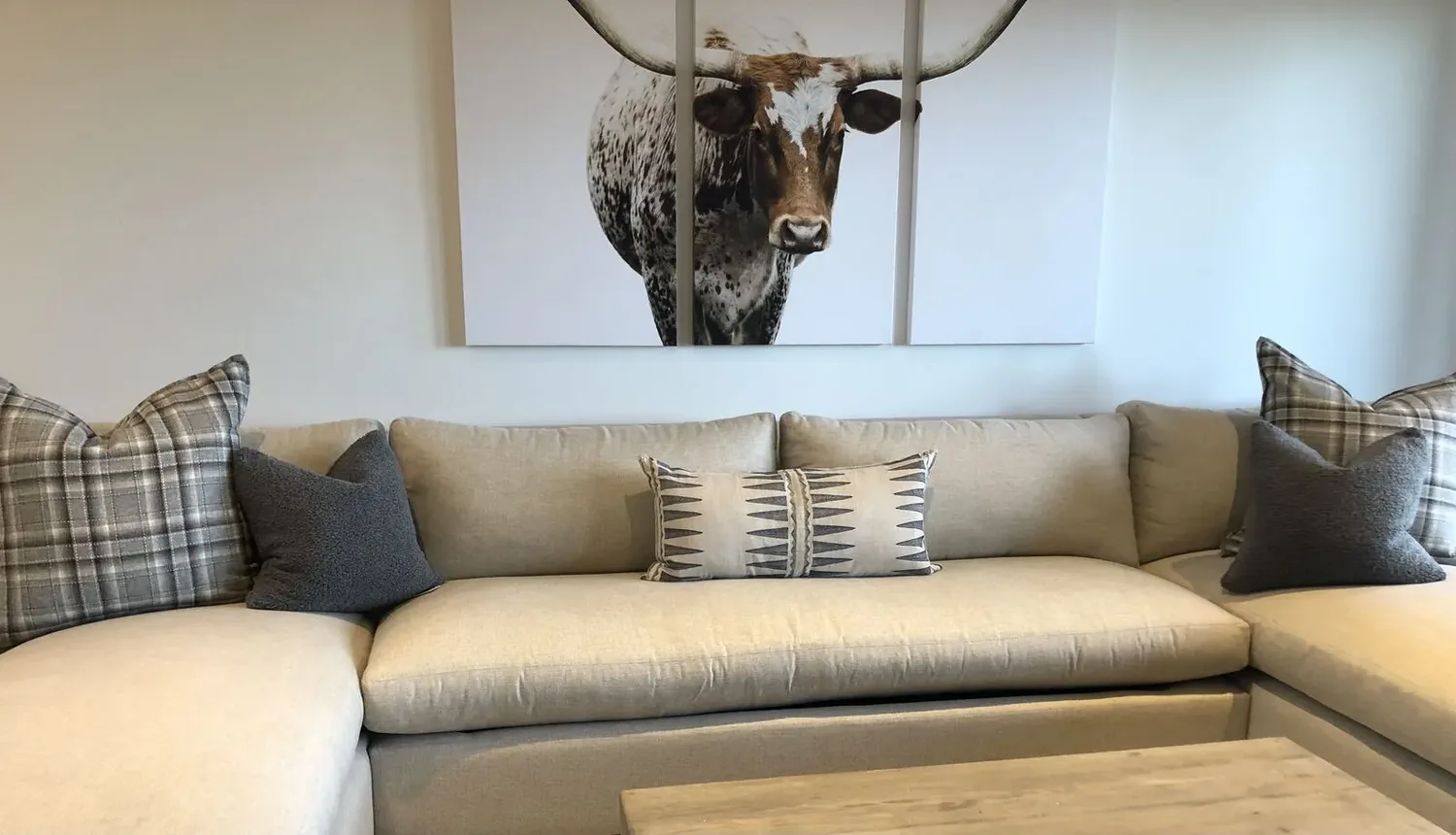
Material specificity for 1950s-inspired interiors in 2026
Authenticity-grade materials
- White oak (rift-sawn), for floors and slat detail; calmer grain than plain-sawn
- Formica or laminate countertops, authentic 1950s look with durability and modern updates
- Brushed brass or matte black hardware, finishes that balance vintage charm with contemporary style
- Textured wallcoverings, subtle geometric or organic patterns for visual interest
- Velvet or boucle upholstery, soft, inviting fabrics that nod to mid-century softness
- Acrylic or vintage-inspired glass lighting, sleek, modern fixtures with retro influence
- Terrazzo or patterned tile, for floors and backsplashes, blending old-school charm with new durability
- Muted pastel paints, sage, blush, and soft yellow tones for walls and cabinetry
Generic-grade tells we refuse to spec
- Low-quality laminates that look cheap
- Plastic hardware that feels out of place
- Bright primary colored paints
- Overly glossy finishes
- Synthetic fabrics lacking texture
- Cheap tile with inconsistent patterning
- Plastic or faux wood furniture
- Bright neon or overly saturated hues
Should You Remodel or Rebuild to Achieve a 1950s Look?
Should you remodel or start fresh? A common question on 1950s interiors. Current structure and budget guide the fix path. In Sacramento, old homes often have structural quirks. Want to update but keep vintage charm? Remodeling is your friend. Look over the space to sidestep surprise costs.
Winding Project: started with a full gut idea for vintage vibes. Laser check showed moisture issues under the floors. Kept the layout, upgraded materials. Muted colors, textured walls. Kept character, skipped unnecessary structural work. Judge the building's state first, before deciding. AIA says know the building's heart first, then change looks.
How to Incorporate 1950s Decor and Materials in a Modern Sacramento Home
Integrating 1950s decor into a contemporary Sacramento home requires a curated approach. We ask: how authentic do you want it? Pick one vintage sideboard and maybe a pendant light. That's it, no clutter. Terrazzo is great. It lasts and adds a vintage touch, no fuss.
Sage cabinets and mid-century chairs match. Remember today even with vintage. The American Society of Interior Designers emphasizes restraint and layering, which helps avoid a dated look. Pick materials that improve over time.
What This Costs in 2026
| Scope | Typical range |
|---|---|
| Refresh scope with new finishes and small updates | $20K-$50K |
| Mid-tier renovation with custom cabinetry and new fixtures | $75K-$150K |
| Estate-scale overhaul with structural updates and high-end finishes | $200K-$500K |
Working Notes
What We Have Learned Doing This: 1950S Interior Design: A Designer's Guide to the 2026 Look
“A finish you cannot maintain is a finish you cannot afford.”
Order the long-lead items before anything else and design the sequence so the rest of the job can proceed without them. The appliance, the stone, the custom millwork set the schedule, and pretending otherwise is how a project loses a month it never gets back.
The cheapest tool on any project is a sample board and an afternoon. We have watched five-figure mistakes get caught by a fifteen-dollar paint sample lived with for a week in the actual light of the actual room. Decisions made under showroom lighting do not survive contact with a real house.
Old houses lie, and so do new ones. A decade-old house might mislead; the framing isn’t always where plans indicate. We don’t rely on old drawings or previous contractor’s work. The budget needs a real line for what demolition will uncover, usually 15 to 20 percent once walls start opening.
These notes come from our own project debriefs. Most were learned the expensive way the first time.
Sources & Professional References
This guide's positions on materials are grounded in published building-code, standards, and recognized design-authority sources, alongside Designed | Curated Interiors' verified credentials and active project files:
- American Society of Interior Designers (ASID): interior-design practice standards
- International Code Council (ICC): Chapter 8 Interior Finish Decorative Materials And Furnishings
- NKBA, Amy Kunst Member Profile (verified credential, NKBA Committee Member)
- Featured in: Homes & Gardens (design expert quote, May 2026) · Sacramento Love (guest author, 2024)
From Principle to a Real Room
A trend piece is the briefing document, not the deliverable. The pages below show how we translate these principles into finished rooms across Sacramento and the rest of Northern California.
- Sacramento & Bay Area Interior Design Services How we scope, source, and deliver work end to end.
- Interior Designer Hub, Sacramento Where most of our Sacramento work lives, the regional fit explained.
- Modern Tudor Homes: Authentic, Revival, and Neo-Tudor (A Designer Reference) Heritage-architecture renovation patterns from our project files.
- Japandi Living Room: A Designer's Guide to the 2026 Look The 2026 warm-neutral playbook applied to the living room.