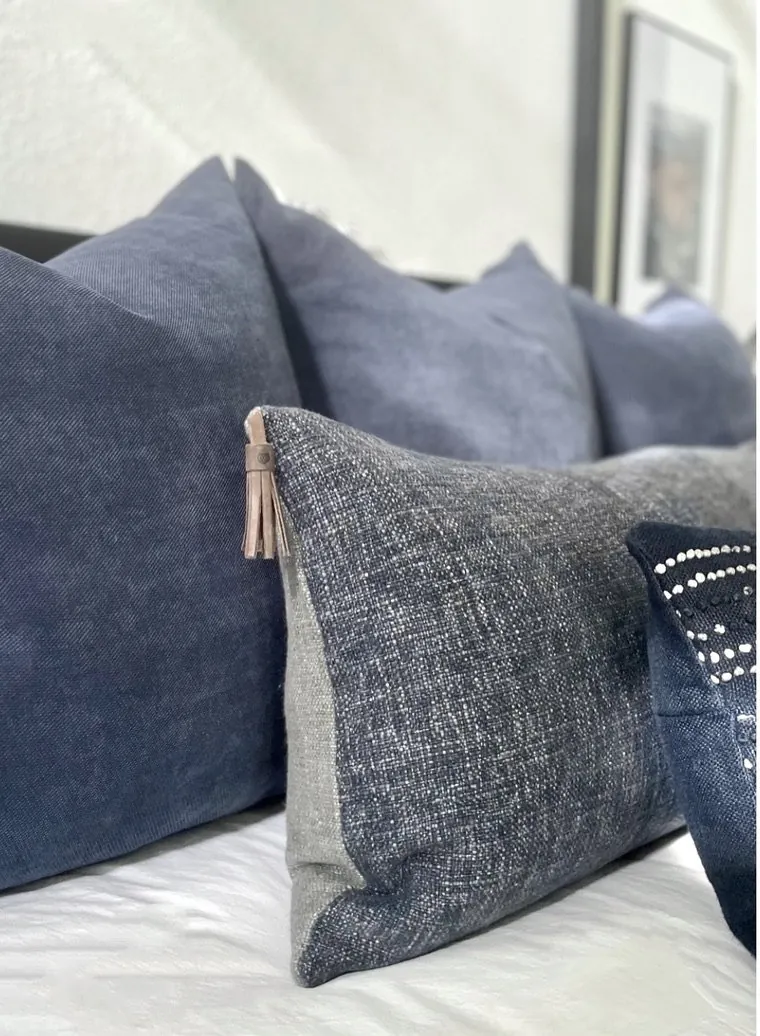

Blend Japanese with Scandinavian. Get calm. That's the recipe for a functional, stylish room. The core of Japandi style is the balance between minimalism and warmth, combining clean lines with natural textures. Make it feel cozy; keep things minimal.
From our files, we identify Japandi traits, pick matching furniture, choose colors, and work out minimal layouts. All about balance and natural materials. We stick to warm restraint. Sacramento homes. Timeless look, avoiding clutter. Whether revamping or starting fresh, get calm and functional. Fits 2026.
Common Questions
| What are the key elements of a Japandi living room design? | Japandi style, a mix of minimal and warm. Clean lines, natural textures. |
| How can I incorporate natural materials into my Sacramento Japandi living room? | Go with oak or walnut. Linen gives warmth, try hemp for texture. |
| What furniture styles work best for a Japandi living room? | Choose sofas and chairs that sit low. Built-ins keep it functional. |
| Are there regional considerations for designing a Japandi living room in Sacramento? | Local natural light and architecture make simple textures work here. |
Japandi Living Room Design 2026 at a Glance
| Element | In | Out |
|---|---|---|
| Color Palette | Muted color palettes | Bold colors |
| Materials | Natural textures | Overly ornate furniture |
| Furniture Style | Simple furniture forms | Heavy textures |
| Layout | Clutter-free layouts | Cluttered layouts |
| Lighting | Warmth through materials | Bright artificial lighting |
| Decor | Sustainable choices | Synthetic materials |
| Textures | Soft lighting | Over-accessorized decor |
| Design Approach | Clean lines | Complex patterns |
| Aesthetic Focus | Functional decor | Maximalist style |
Embracing Minimalism with Warmth in Japandi Living Rooms
One of the first major moves in achieving a successful Japandi living room is selecting furniture that balances simplicity with comfort. Low sofas, clean lines. Brands like Menu, Muuto. Oak or walnut accents. Warmth without clutter. Focus on comfort and sleek shapes. Important.
Build storage in. Keep surfaces clear for a minimalist look. We look at scale and proportion. Each item keeps the room steady. Scandinavian style with Japanese skill stands out. Linen or hemp fabrics. They’re neutral and add Japandi elegance.
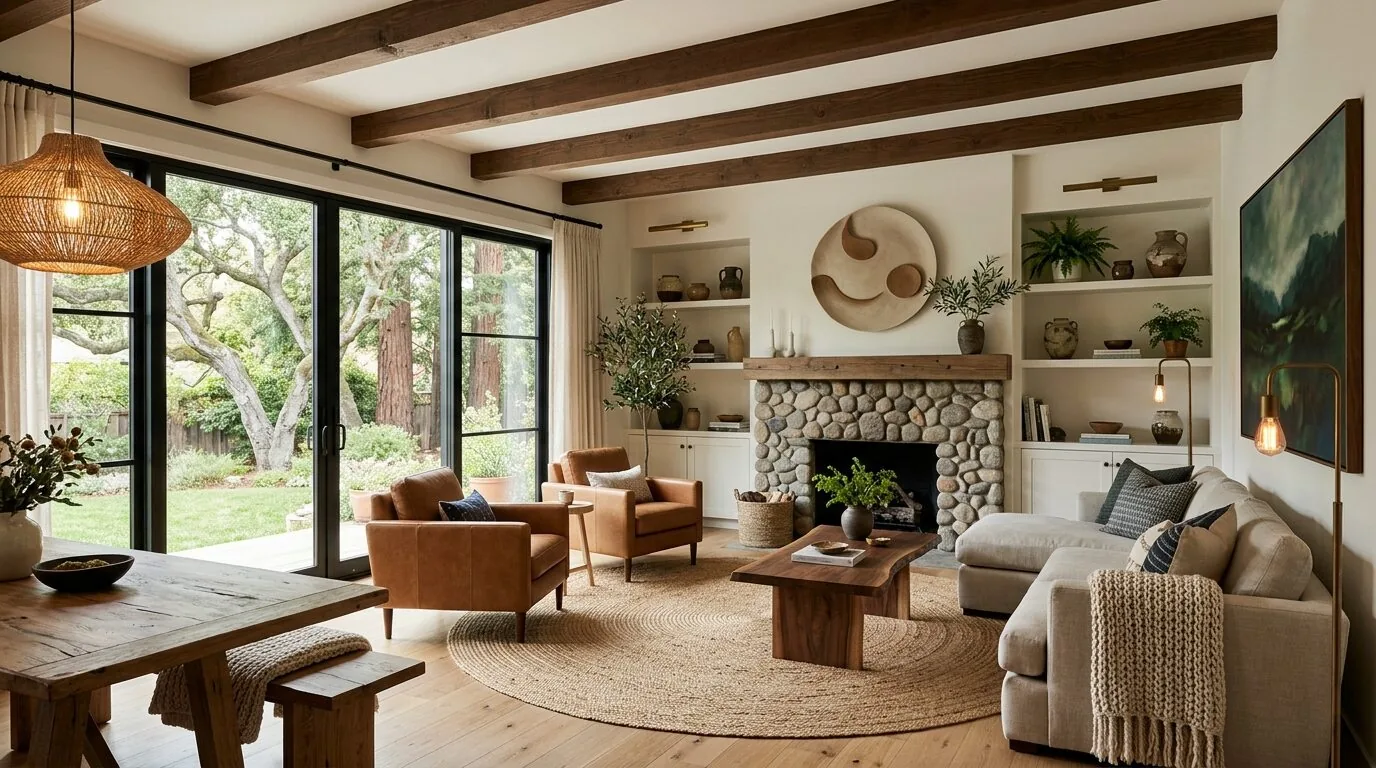
Material Specificity for Authentic Japandi Aesthetics
Authenticity-grade materials
- White oak (rift-sawn), for floors and slat detail; calmer grain than plain-sawn
- Linen or hemp, for upholstery and window treatments, adding texture and softness
- Matte black or muted metals, for hardware and fixtures, providing contrast without glare
- Stone or ceramic tiles, in natural tones for flooring or accents, emphasizing durability
- Bamboo or reed, for decorative screens or accents, highlighting natural materials
- Unfinished or lightly finished wood, for furniture and shelving, maintaining organic authenticity
- Wool or jute rugs, for warmth and texture underfoot
- Glass and matte ceramics, for lighting fixtures and accessories, balancing transparency with tactility
Generic-grade tells we refuse to spec
- Chrome or polished metals, overly shiny and less authentic
- Synthetic fabrics, lack texture and warmth
- High-gloss finishes, too reflective and modern for Japandi
- Brightly colored plastics, clash with muted palettes
- Veneer or faux wood, less durable and less natural-looking
- Synthetic rugs, low authenticity and durability
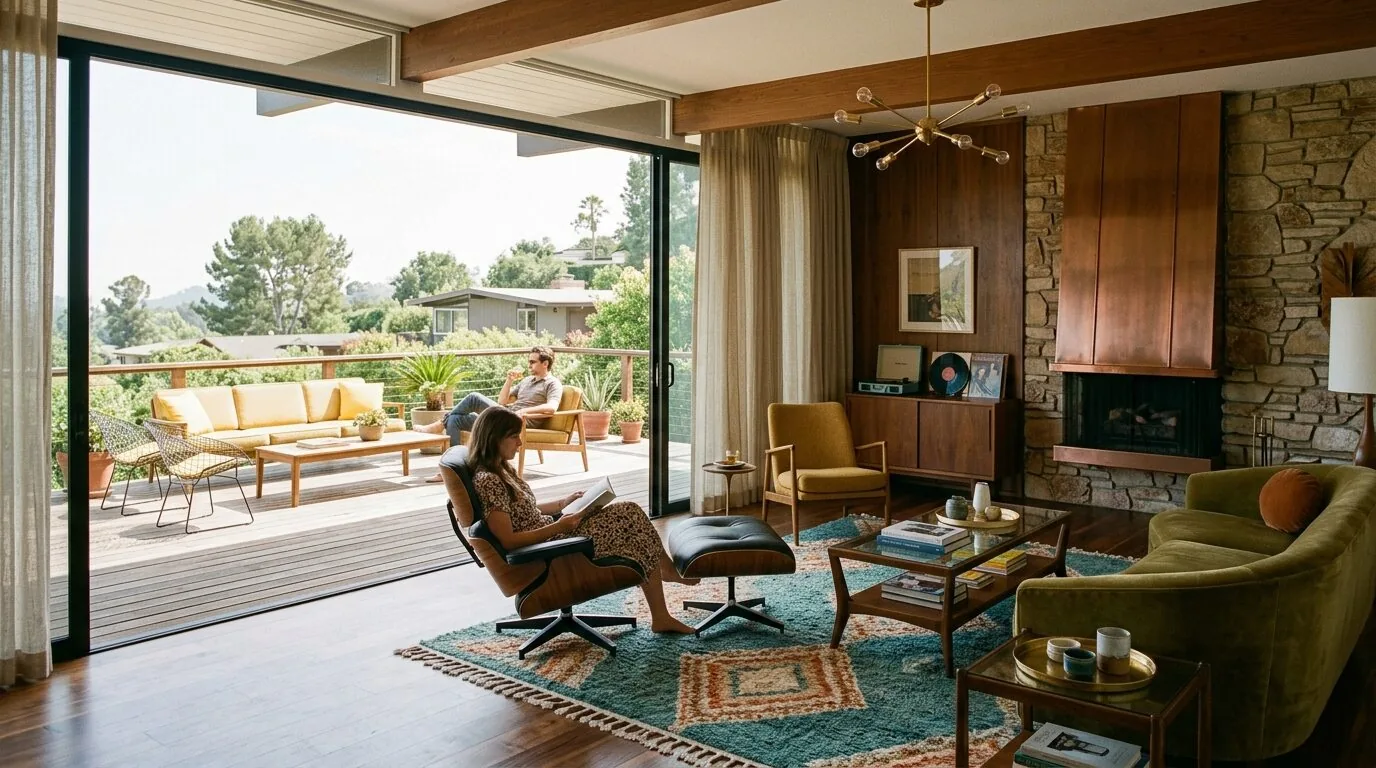
How to Choose Furniture and Decor that Harmonize Japanese and Scandinavian Aesthetics
The homeowner’s core question is often about balancing the distinctive yet complementary elements of Japanese and Scandinavian design. The first question we ask is: What decision are you struggling to make about this space? Balance both traditions without leaning too much. We pick simple lines, natural oak, bamboo. These define both styles.
Neutral sofa, artisan wooden table, makes a good base. Less is more with decor. A single Japanese vase or Scandinavian wool throw adds warmth without extra clutter. Look at textured fabrics or matte finishes. They bring calm and balance. This creates a living room that's cohesive, timeless, and fits the region.
How to Incorporate Natural Materials and Textures Effectively
The real decision here involves understanding which textures add warmth without visual overload. Our first question is: Are you aiming for a space that feels cozy or sleek? Keep it cozy. The climate here calls for it. Unsealed wood. Jute rugs. Woven accents. They all add texture. The American Society of Interior Designers emphasizes the importance of authentic, natural textures to evoke a sense of calm and connection to nature.
Opt for a wool rug with a quiet pattern or a matte media cabinet. Linen curtains diffuse light well too. Marrying Japanese detail with Scandinavian ease. Skip synthetic or overly polished materials. They can throw off the authentic feel.
What This Costs in 2026
| Scope | Typical range |
|---|---|
| Refresh scope: new pillows, accessories, minor furniture updates | $5K-$12K |
| Mid-tier scope: new furniture, lighting, and textiles | $25K-$60K |
| Estate-scale: full remodel, custom millwork, integrated storage | $100K-$250K |
Working Notes
What We Have Learned Doing This: Japandi Living Room: A Designer's Guide to the 2026 Look
“A finish you cannot maintain is a finish you cannot afford.”
Most of the money that gets wasted is spent solving the wrong problem confidently. A homeowner asks for more space, every contractor agrees and prices an addition, and the real issue turns out to be light, or proportion, or one bad sightline. We make the room tell us the problem before anyone signs a demolition contract.
Order long-led items first. The job moves better without waiting. Appliances, stone, custom millwork decide the schedule. Missing this costs you a month.
Specify for the next ten years, not the next photo shoot. The work that holds its value is quiet, well made, and a little bit boring on the day it is installed.
These notes come from our own project debriefs. Most were learned the expensive way the first time.
Sources & Professional References
This guide's positions on materials are grounded in published building-code, standards, and recognized design-authority sources, alongside Designed | Curated Interiors' verified credentials and active project files:
- American Society of Interior Designers (ASID): interior-design practice standards
- International Code Council (ICC): Chapter 8 Interior Finish Decorative Materials And Furnishings
- NKBA, Amy Kunst Member Profile (verified credential, NKBA Committee Member)
- Featured in: Homes & Gardens (design expert quote, May 2026) · Sacramento Love (guest author, 2024)
From Principle to a Real Room
A trend piece is the briefing document, not the deliverable. The pages below show how we translate these principles into finished rooms across Sacramento and the rest of Northern California.
- Sacramento & Bay Area Interior Design Services How we scope, source, and deliver work end to end.
- Interior Designer Hub, Sacramento Where most of our Sacramento work lives, the regional fit explained.
- Designing a Living Room Ideas TL;DR: the best living rooms are usually the result of correct sequencing, not better taste. Most expensive mistakes happen when homeowners
- Should I Hire Living Room Design In Fresno | Interior Designer Related cluster piece referenced from the Should I Hire Living Room Design In Fresno | Interior Designer build files.
- Nature Living Room Related cluster piece referenced from the Nature Living Room build files.