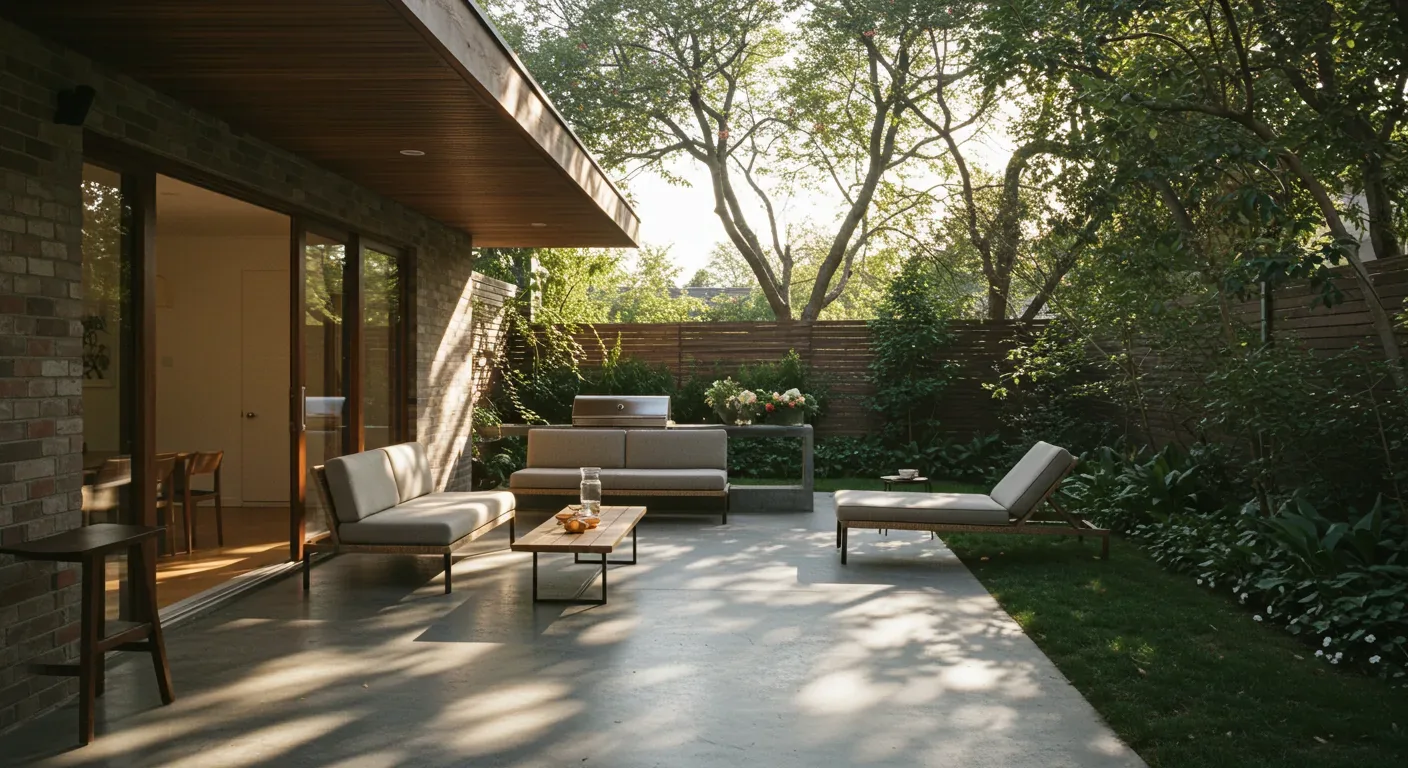
Cozy is the word for 2025 homes. Pick warm colors. Soft textures, too. Updating a bungalow? Or a Mill Valley estate? A home feels like a sanctuary with these.
Looking ahead to 2025: design choices, colors, eco-friendly ideas. Let's mix styles for a modern home. I've got tips.
Direct Answers (2025 Home Design Trends Lean Toward Cozy And Inviting Spaces)
| Are 2025 home design trends leaning toward cozy and inviting spaces? | 2025 It's all about textures that invite comfort. |
| What design elements contribute to making a home feel cozy in 2025? | Thick rugs feel great underfoot. Earthy tones add warmth. |
| How can Sacramento homeowners incorporate cozy trends without a costly renovation? | Add built-in banquettes. Coziness doesn't mean you have to spend big. Aim for quality over quantity. |
| What materials are recommended for creating a cozy atmosphere in 2025? | Opt for wool or linen. Both bring warmth and texture. |
The Power of Warmth and Texture in 2025 Design
In 2025, the biggest shift toward cozy spaces is rooted in the deliberate use of tactile textures and layered materials. Trends are leaning toward inviting finishes now. White oak floors paired with plush rugs? A classic mix. Matte, earthy paint tones are the current trend. Think Benjamin Moore.
Furniture can really build intimacy in a space. Opt for overstuffed sofas in linen to make the space welcoming. Group seating to spark conversations. Install dimmable LEDs. It boosts comfort. The American Society of Interior Designers emphasizes that lighting should support both function and mood, elevating a space from merely functional to truly inviting.
Material Specificity for Cozy Spaces in 2025
Authenticity-grade materials
- White oak (rift-sawn), for floors and slat detail; calmer grain than plain-sawn
- Wool and linen fabrics, for upholstery and throws, offering natural softness
- Matte ceramic tiles, for kitchens and baths, providing warmth and subtle texture
- Reclaimed wood, for accents and furniture, emphasizing sustainability and authenticity
- Cork and sisal rugs, for comfort and eco-friendly appeal
- Brushed brass or matte black fixtures, for hardware and lighting, adding warmth and contrast
- Linen window treatments, for softness and light diffusion
- Soy-based foam and natural latex, for cushions and mattresses, supporting eco-conscious choices
Generic-grade tells we refuse to spec
- Plastic laminates, avoid for warmth
- High-gloss finishes, prefer matte textures
- Synthetic fibers, opt for natural textiles
- Veneered surfaces, seek solid wood or reclaimed options
- Bright white paint, favor warm neutrals
- Chrome fixtures, choose warmer metals
How to Choose the Right Textiles and Materials for a Cozy Space
When deciding on textiles and materials for a cozy home, the first question homeowners often ask is how to balance comfort with style. Pick natural fabrics. Wool, linen, soft cotton. They're your go-to for upholsteries or throws. These materials feel welcoming. These materials suit Sacramento weather. The American Society of Interior Designers emphasizes that textured finishes and layered textiles create visual warmth and tactile comfort, essential for inviting spaces.
Focus on how long it lasts. Eco-friendly options help too. Reclaimed wood or sisal rugs work well. They add character. Warmth with a green touch. That's wood and sisal for you. Textiles like thick throws and cushions give depth. Local artisans or West Elm, Serena & Lily are options. Think it through. Comfort doesn’t compromise style.
What Furniture Arrangements Enhance Cozy and Inviting Spaces
The most pressing decision homeowners face is how to arrange furniture to foster connection and comfort. Does the layout make for good talks and relaxed hangouts? Project setups have cozy seating clusters. Sofas and chairs in warm fabrics help. Don't go for stiff setups. Keep it welcoming.
A built-in bench in the corner invites you in. Cozy spots matter. Size furniture right. Keep paths clear. Don’t overcrowd. The American Society of Interior Designers recommends layering lighting and adding textiles like throws and cushions to soften the overall environment. Simple details invite warmth. Tuck a chair by the window. Make life easy on regular days and when friends visit.
Lighting Choices That Warm and Comfort
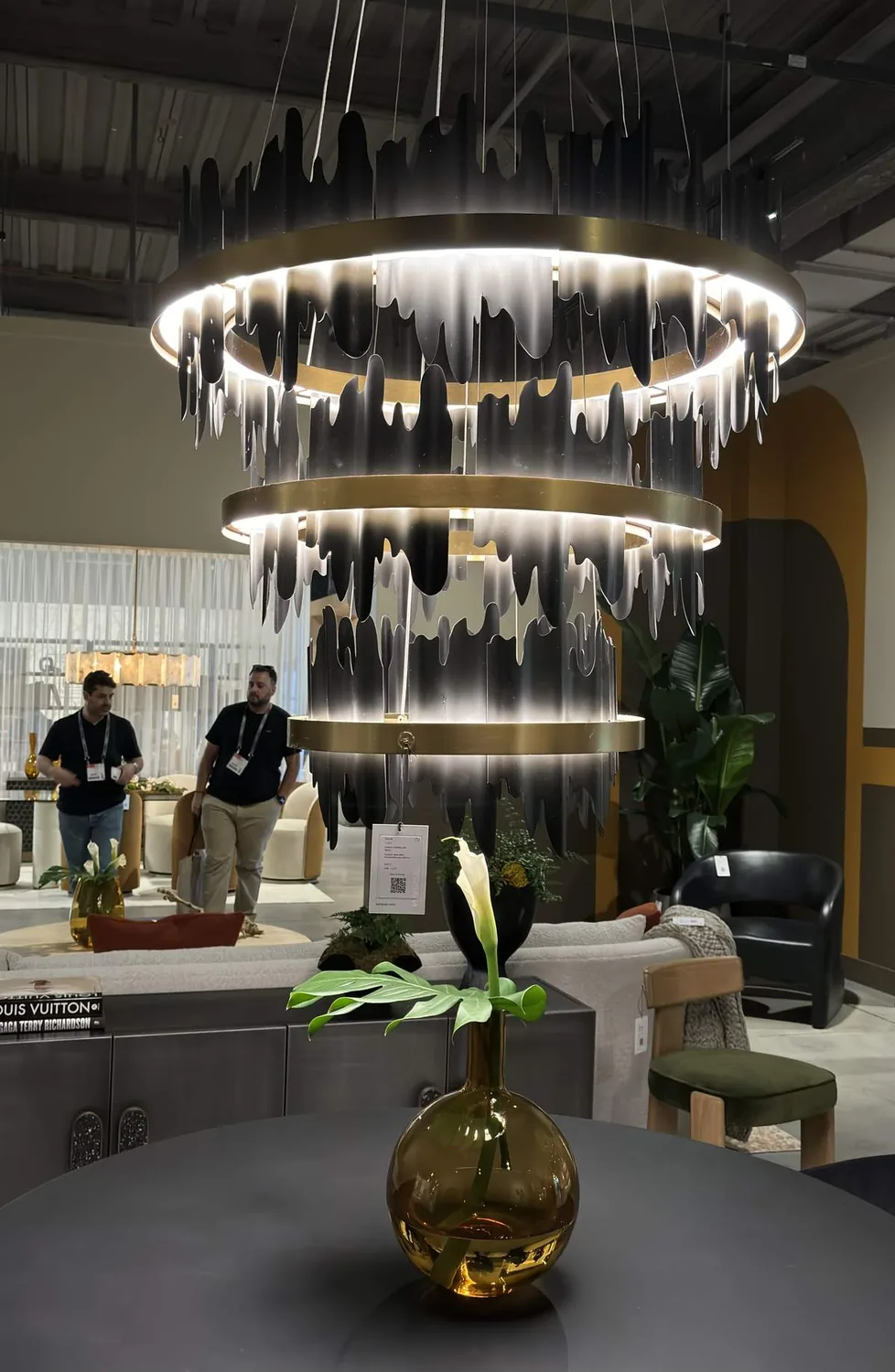
The first question homeowners ask is how to select lighting that enhances warmth without sacrificing functionality. Pick LEDs with dimmers, fabric shades, or wall lights for 2025. They vary light levels and add warmth. Use dimmable lights to relax. It's key for intimate settings. The American Society of Interior Designers emphasizes that lighting should evoke mood and support the tactile textures used elsewhere in the space.
Winter days are pretty short here in Sacramento. On cloudy days, warm lights keep things calm. Brushed brass or matte black finishes? They add warmth, depth, interest. A solid choice for fixtures. Careful placement matters. Sconces by the fireplace, lamps on tables. These create comfort zones in a room. Homes should fit daily life and evening relaxation. That turns it into a retreat.
Sustainable Practices for Cozy and Eco-Friendly Homes
The first question is how to incorporate sustainability without compromising comfort or style. Materials that respect the Earth matter. Reclaimed wood and low-VOC paint are staples. The American Society of Interior Designers highlights that sustainable materials often bring added warmth and character, enriching a space’s inviting feel.
Accent walls? Sacramento’s reclaimed wood is perfect. It’s sustainable and adds character. Linen curtains, wool rugs? They feel great and help the environment. Perfect mix of comfort and conscience. These choices fit today’s values. They make homes feel genuine and rooted in place.
Textiles and Throws: The Finishing Touches
The first question homeowners ask is how textiles can transform a space from plain to cozy. Natural fiber throws or jute rugs? Needed for adding warmth and texture. The American Society of Interior Designers emphasizes that textiles are the final layer that ties a room together, adding warmth and softness.
Choose earthy textiles in Sacramento homes. They set a welcoming tone. Local artisan throws from brands like Coyuchi? They support the community and look great. Textiles on sofas or chairs add layers. They invite relaxation and conversation.
Integrating Technology While Maintaining Warmth
The first question is whether technology disrupts or enhances the cozy atmosphere. Tech will just fit in come 2025. Smart lights and hidden speakers. Make comfort simple. The American Society of Interior Designers suggests that technology should blend seamlessly, supporting the tactile and visual warmth of a room.
Voice or app controls in Sacramento let folks keep spaces cozy with ease. Concealed tech maintains an inviting vibe. Keep spaces open. Make them welcoming. Thoughtful integration ensures that the home feels warm and welcoming, not cold or overly mechanized.
Observed Failure Modes, How 2025 Home Design Trends Lean Toward Cozy And Inviting Spaces Goes Wrong
From our project debriefs and post-occupancy reviews, 2023-2026.
Overly Sparse Layouts
Many homeowners assume minimal furniture creates a clean look, but this can lead to spaces feeling cold and uninviting. A sparse arrangement reduces opportunities for connection and comfort. Layer seating with different fabrics. Add some soft throw pillows. The room just welcomes you right in.Ignoring Textural Variety
Focusing solely on color palettes without considering texture results in flat, uninspiring rooms. Mix textures. It adds warmth. Try woven rugs and soft cushions. Go for matte finishes.Harsh Lighting Choices
Bright, unlayered lighting can make a space feel clinical rather than cozy. Use dimmable lights. Soft bulbs do wonders. Switch up your lighting. Try table lamps for warmth, then use ceiling lights for practicality.Neglecting Sustainability
Choosing synthetic, non-renewable materials may seem cost-effective initially but can compromise the warm, authentic feel that sustainable choices provide. Go with natural materials. Support local craftsmanship. It feels good.Overlooking Furniture Scale
Furniture that is too large or small for the room can disrupt the cozy balance. Size things right to keep intimacy. Avoid clutter. Fit well-padded furniture to the space.What's Going Out for 2026
- Cold, stark color palettes
- Synthetic, non-textured materials
- Harsh, unlayered lighting
- Sparse furniture arrangements
- Overly glossy finishes
- Fake or overly synthetic textiles
- Ignoring natural light
- Overly modern, minimalist styles without warmth
What 2025 Home Design Trends Lean Toward Cozy And Inviting Spaces Costs in 2026
| Scope | Typical range |
|---|---|
| Refresh scope including textiles and lighting | $35K-$80K |
| Mid-tier renovation with new furniture and finishes | $80K-$250K |
| Complete overhaul including structural updates and custom built-ins | $350K-$1M |
Working Notes
What We Have Learned Doing This: 2025 Home Design Trends Lean Toward Cozy And Inviting Spaces
“Trades do not read minds. They read drawings.”
After enough jobs, the fear shifts. Delays and moisture issues become the real concern. Aesthetics matter but getting the room built as planned is crucial.
Trust grows in the dull talks. The ones about structure, changes, and delays. Clients forgive reality. They do not forgive being surprised by it.
Most of the money that gets wasted is spent solving the wrong problem confidently. A homeowner asks for more space, every contractor agrees and prices an addition, and the real issue turns out to be light, or proportion, or one bad sightline. We make the room tell us the problem before anyone signs a demolition contract.
These notes come from our own 2025 home design trends lean toward cozy and inviting spaces project debriefs. Most were learned the expensive way the first time.
Sources & Professional References
This guide's positions on bathroom are grounded in published building-code, standards, and recognized design-authority sources, alongside Designed | Curated Interiors' verified credentials and active project files:
- International Code Council (ICC): Chapter 29 Plumbing Systems
- International Code Council (ICC): Chapter 27 Plumbing Fixtures
- NKBA, Amy Kunst Member Profile (verified credential, NKBA Committee Member)
- Featured in: Homes & Gardens (design expert quote, May 2026) · Sacramento Love (guest author, 2024)
Frequently Asked
Are 2025 home design trends leaning toward cozy and inviting spaces?
What design elements contribute to making a home feel cozy in 2025?
How can Sacramento homeowners incorporate cozy trends without a costly renovation?
What materials are recommended for creating a cozy atmosphere in 2025?
Why is regional climate and architecture important for cozy home design in Sacramento?
From 2025 Home Design Trends Lean Toward Cozy And Inviting Spaces to a Real Room
A trend piece is the briefing document, not the deliverable. The pages below show how we translate these principles into finished rooms across Sacramento and the rest of Northern California.
- Sacramento & Bay Area Interior Design Services How we scope, source, and deliver work end to end.
- Interior Designer Hub, Sacramento Where most of our Sacramento work lives, the regional fit explained.
- Modern Tudor Homes: Authentic, Revival, and Neo-Tudor (A Designer Reference) Heritage-architecture renovation patterns from our project files.
- Japandi Living Room: A Designer's Guide to the 2026 Look The 2026 warm-neutral playbook applied to the living room.