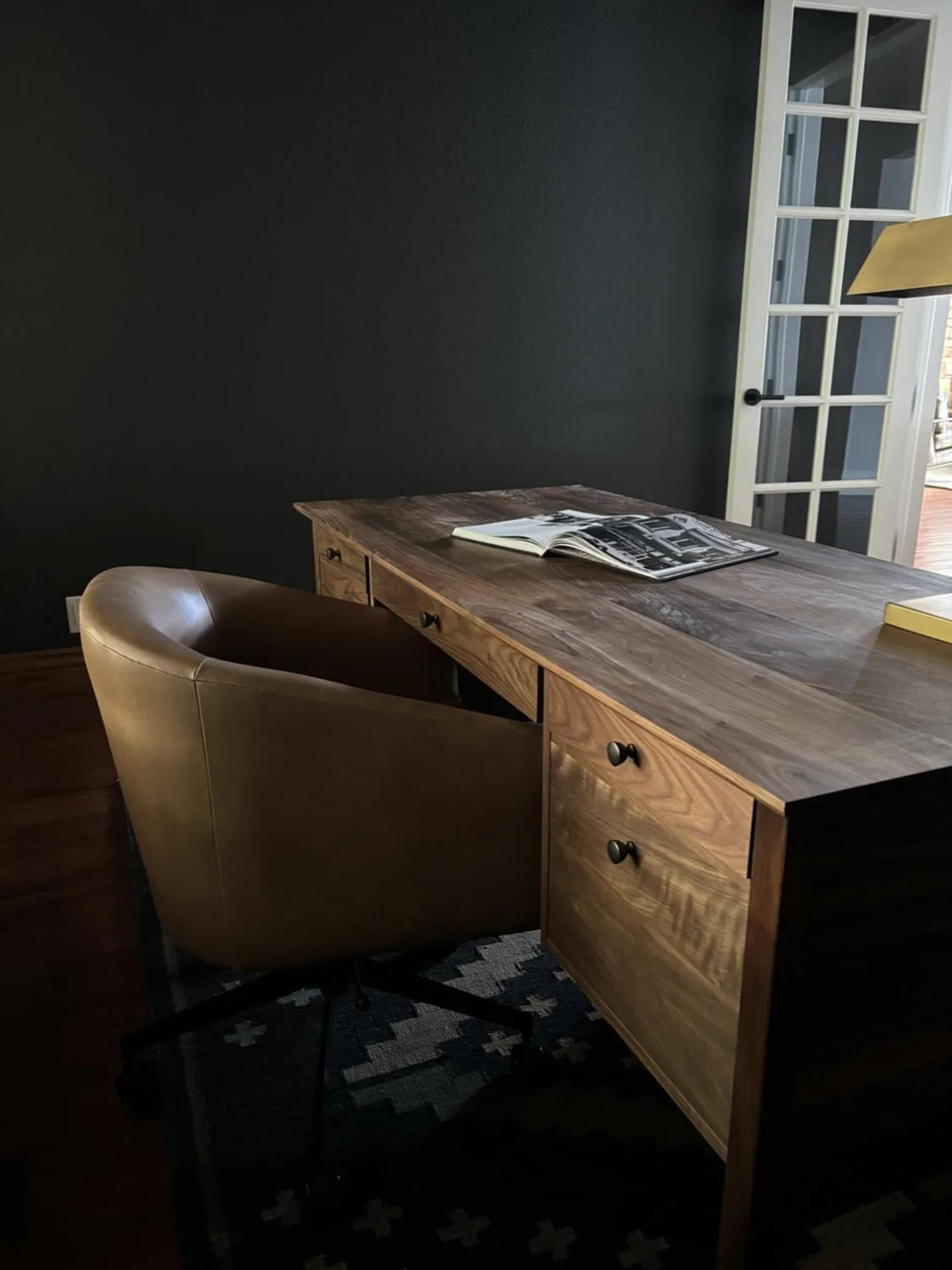
By the six-month mark in an interior design project, you should have a clear understanding of progress, milestones achieved, and whether the project is on track. If you're asking what questions to pose at this stage, it's about ensuring your vision aligns with reality and that your investment is paying off. Six-month interior design check-in questions should focus on milestones, budget, effectiveness, and future planning.
Built from our active project files, this article will guide you through the key questions to ask your Richmond interior designer at six months, how to evaluate their work, and how to address any concerns. We’ll also cover regional considerations specific to Richmond’s housing stock and design environment, with actionable insights to keep your project moving smoothly in 2026.
Common Questions
| What are the key questions to ask an interior designer after six months in Richmond? | Focus on whether the project is hitting its scheduled milestones—like finalized material selections or structural assessments—since older Richmond homes often hide surprises behind walls. Ask if the design still aligns with your original goals, especially if the home’s original character needs preservation. Also confirm if the budget is tracking realistically, given that material costs in this market can shift unexpectedly. |
| How can I evaluate if my Richmond interior designer is on track at six months? | Check for concrete progress: Are material samples finalized, and do they reflect the original vision? Have any structural or electrical assessments been completed before demolition? Compare the timeline to actual achievements—Richmond’s older housing stock means what looks simple (like a drywall wall) often isn’t. Progress photos alone won’t cut it; you need documented inspections or blueprints if major work is planned. |
| What should I inquire about regarding budget management at the six-month mark? | Demand a line-item breakdown of costs so far, including any permits or inspections tied to structural work—Richmond’s building codes don’t bend for optimism. Ask if the initial budget accounted for rerouting utilities or hidden electrical/plumbing behind walls, since those oversights add $50K+ fast. Market fluctuations here mean material prices can jump; confirm if the designer’s contingency plan covers that. |
| Why is it important to reassess design choices at six months in Richmond homes? | Because what looks like a straightforward renovation—like removing a wall—often reveals the home’s bones. Richmond’s older housing stock hides electrical panels, plumbing, and load-bearing elements behind drywall. The regional style also demands careful balancing: modernizing without erasing the home’s original character requires adjustments you can’t see until the demo starts. Skip the reassessment, and you’ll pay for it twice. |
6 Month Questions To Ask An Interior Designer Richmond 2026 at a Glance
| Element | In | Out |
|---|---|---|
| Milestones | Milestones achieved | Unmet milestones |
| Progress | Progress evaluation | Lack of progress |
| Budget | Budget review | Budget overruns |
| Effectiveness | Design effectiveness | Poor communication |
| Timelines | Timeline expectations | Timeline slips |
| Design adherence | Adherence to vision | Design drift |
| Delays | Common delays | Unexpected delays |
| Dissatisfaction | Addressing dissatisfaction | Unresolved issues |
| Next steps | Future steps | No future plan |
First Major Design Move at Six Months
At the six-month point, the first major design move often involves finalizing key material selections and layouts that set the tone for the entire project. For example, across our active project specifications, we’ve seen successful projects where choosing a durable, warm white oak flooring paired with matte black hardware created a cohesive foundation. In some cases, the initial focus on big-ticket items like custom cabinetry or lighting fixtures needs reevaluation to ensure they align with overall style and budget.
The challenge here is balancing the aesthetic vision with practical constraints. We emphasize that this is the time to review all selections, verify installation timelines, and confirm that the project is still aligned with your initial goals. A proactive approach can prevent costly revisions later, especially in Richmond’s older housing stock where structural nuances and existing architectural details matter greatly.
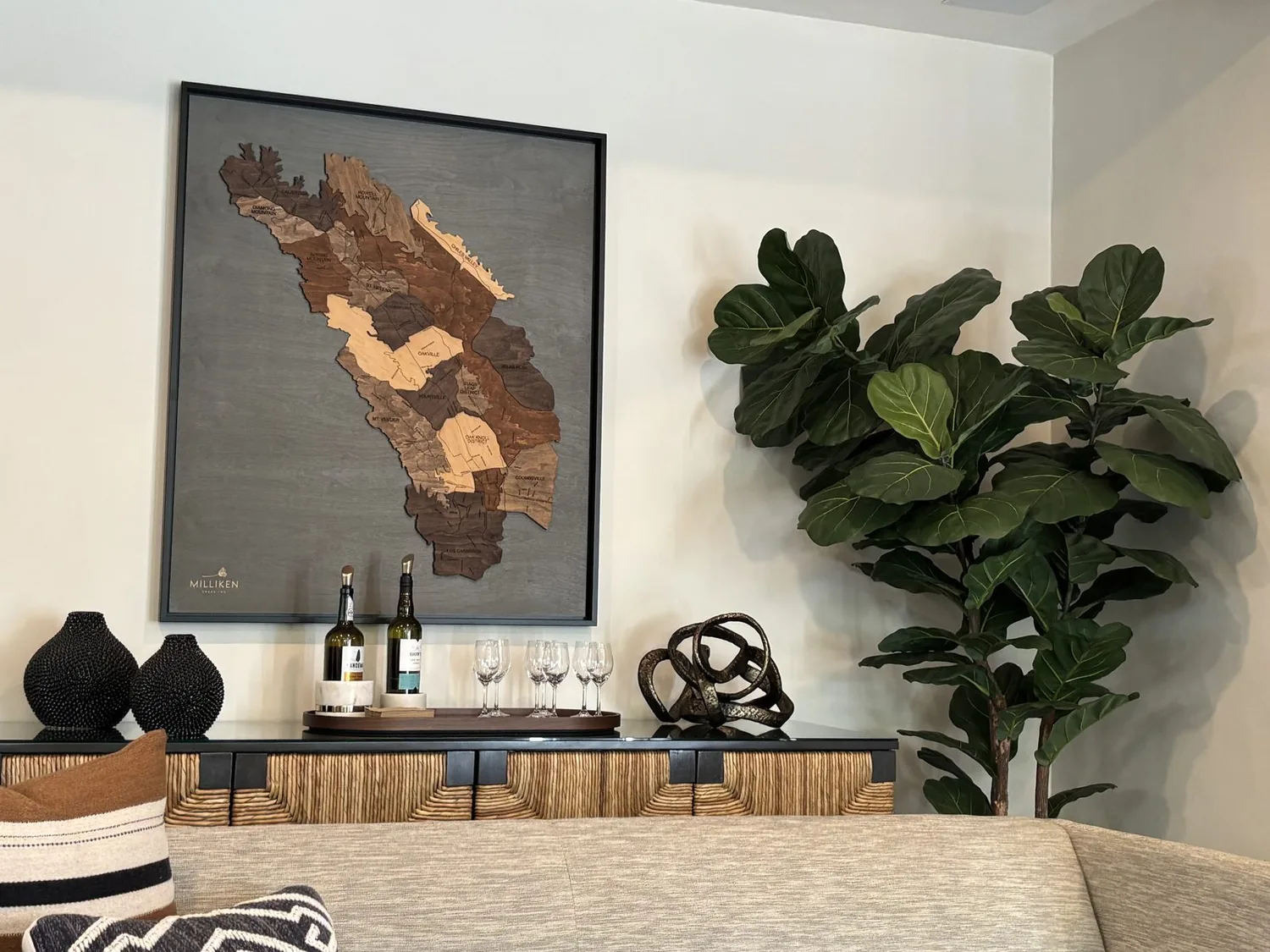
Material Specificity in Richmond Homes
Authenticity-grade materials
- White oak (rift-sawn), for floors and slat detail; calmer grain than plain-sawn
- Limestone (Carrara or similar), for countertops and accent features; timeless and durable
- Matte black hardware, for a modern, understated look
- Soft natural linens, for window treatments; light and breathable
- Reclaimed Douglas fir, for custom shelving; sustainable and warm
- Polished nickel fixtures, for a touch of luxe in bathrooms
- Low-VOC paints, for healthier indoor air quality
- Glass mosaic tiles, for a subtle, textured backsplash
Generic-grade tells we refuse to spec
- Standard laminate countertops
- Pressed wood veneer cabinetry
- Polished chrome hardware
- Synthetic upholstery fabrics
- Mass-produced light fixtures
- Pre-finished flooring
- Non-reclaimed wood
- High-VOC paints
Richmond Regional Perspective on Interior Design in 2026
Richmond’s historic neighborhoods and older housing stock make design choices particularly nuanced. The region’s abundant natural light and mature landscape support warm, earthy palettes that enhance architectural details. In our work across Richmond and nearby Concord, we find that preserving character while modernizing interiors is especially valuable for property value and home comfort. For instance, integrating traditional moldings with contemporary fixtures creates a timeless yet current look that appeals to local buyers.
Light quality in Richmond’s climate often requires thoughtful window treatments and lighting layers to avoid a cold or flat interior. The region’s architecture, ranging from Victorian to mid-century modern, demands a tailored approach to material and style combinations. For more region-specific insights, visit our Concord interior designer hub for strategies on blending historic charm with modern efficiency.
…
How to Evaluate Your Interior Designer’s Progress at Six Months
The key question is whether the project milestones are on schedule and aligned with your initial vision. The first question we ask homeowners is: What specific outcomes do you expect by this point? This might include material selections, mockups, or layout adjustments. To assess progress, review your project timeline and compare it with actual achievements. Are the cabinet styles, flooring choices, and lighting plans finalized? If not, what obstacles are causing delays?
In several recent projects, delays stemmed from supply chain issues or permit holdups, especially for custom millwork or structural changes in older Richmond homes. Use a simple
- checklist
- progress photo review
- material samples
Questions to Determine if Your Interior Designer is Meeting Expectations
At six months, you should feel confident your project is heading in the right direction. Ask questions like: Are the current selections consistent with the overall design style we agreed upon? Have the expected milestones been met, such as ordering custom cabinetry or finalizing paint colors? Are the contractors working according to the schedule? If not, what are the causes?
It's also wise to discuss how effectively your designer is managing the budget. Are there unforeseen costs emerging? In Richmond’s market, material costs can fluctuate, so understanding the financial health of your project is crucial. Open communication at this stage ensures you can address concerns promptly and keep your project on track.
Addressing Dissatisfaction and Future Planning
If you are dissatisfied with the progress or design choices so far, the first step is to articulate specific concerns clearly. Is it the material quality, the style, or the timing? Your questions should prompt your designer to explain their process and propose adjustments. For example, asking: What are the next steps to align the project with my expectations? How can we address any missed milestones or design concerns?
Looking ahead, you should have a clear understanding of the remaining timeline, upcoming decisions, and installation phases. Expect your designer to outline the schedule for fixtures, finishes, and final walkthroughs. This proactive approach helps ensure your project remains aligned with your vision and budget, especially in Richmond’s dynamic market where delays can be costly.
Ensuring Design Vision and Regional Fit in Richmond
Throughout the project, it’s vital to verify that your original design intent remains intact. Ask questions like: How are you ensuring the design stays true to my style preferences? Are the materials and finishes still appropriate for Richmond’s climate and architecture? Is there a plan to integrate local elements or architectural details that preserve the neighborhood’s character?
In Richmond, where historic homes and landscape influence design, maintaining regional authenticity is key. Regular check-ins and visual references help keep the project aligned. For tailored strategies on balancing modern updates with historic charm, visit our Concord interior designer hub. This regional perspective ensures your home reflects both your style and its context.
Observed Failure Modes We See in the Field
From our project debriefs and post-occupancy reviews, 2023-2026.
Assuming More Fixtures Always Means Better Lighting
One common failure pattern is believing that installing additional recessed cans or fixtures will automatically improve lighting. In the River Bluff Project, homeowners near Macdonald Avenue assumed that more lights would eliminate glare and flatness. Using a light meter and a CRI check on the lamps, we discovered that the problem was not the number of fixtures but the layering of light. Without task and accent lighting, the space felt sterile and uninviting, despite the extra fixtures. The costly solution proposed was to add a $3,200 lighting package, which ultimately didn’t solve the core issue. The lesson for Richmond homeowners is that quality lighting design involves layering and placement, not just quantity. Properly lighting work surfaces and corners creates a more inviting environment and avoids unnecessary expenses.
Overlooking Material Compatibility with Richmond Climate
Another mistake is choosing materials that do not hold up well in Richmond’s moisture and temperature variations. For example, selecting inexpensive laminate countertops or mass-produced cabinetry without considering local climate can lead to warping or damage. This oversight often results in costly repairs or replacements down the line. The American Society of Interior Designers emphasizes selecting durable, climate-appropriate materials that age gracefully. For homeowners, asking about material warranties and maintenance requirements early in the process can save money and preserve beauty. In Richmond, natural stone and reclaimed wood tend to perform better over time, especially when paired with proper installation techniques.
Neglecting Permits and Structural Considerations
Many projects stumble because homeowners or designers overlook permit requirements, especially when structural changes or electrical upgrades are involved. In Richmond, the Building Division’s guidelines must be followed to avoid delays or legal issues. Using tools like permit research or consulting with local authorities early can prevent surprises. The failure to secure necessary permits can lead to costly rework or fines, which disrupt timelines and budgets. Always verify whether your project involves changes that require approval, and work with your designer to ensure compliance from the start.
Ignoring Regional Architectural Context
Designs that clash with Richmond’s historic neighborhoods or architectural style can diminish property value and aesthetic harmony. For example, modern minimalist fixtures in a Victorian home may feel out of place. The key is to balance contemporary updates with traditional elements, respecting the regional character. The Joint Center for Housing Studies of Harvard University highlights that maintaining contextual integrity enhances both home value and homeowner satisfaction. Asking your designer how proposed styles complement the neighborhood’s architecture is an essential check at six months.
Failing to Review Progress Regularly
One common mistake is not conducting regular review sessions or walk-throughs to assess progress. Without these checks, small issues can snowball into major delays or budget overruns. In our projects, we recommend scheduled walkthroughs, photo documentation, and progress meetings to stay aligned. This proactive approach allows for quick course corrections, especially when working with contractors in Richmond’s older homes where unforeseen issues like hidden structural problems or outdated wiring often emerge.
What's Going Out for 2026
- Assuming more fixtures always improve lighting
- Choosing cheap materials without climate consideration
- Skipping permit checks for structural changes
- Ignoring regional architectural context
- Failing to review progress regularly
- Overlooking light layering and placement
- Using incompatible materials for Richmond climate
- Neglecting to verify milestone completion
What This Costs in 2026
| Scope | Richmond / Bay Area | Sacramento |
|---|---|---|
| Basic refresh with minor updates | $30K-$70K | $20K-$50K |
| Mid-tier renovation with custom finishes | $75K-$200K | $50K-$150K |
| Large estate-scale remodel | $200K-$750K | $150K-$500K |
Local permits & planning
Working Notes
What We Have Learned Doing This: 6-Month Questions To Ask An Interior Designer Richmond
“The best money spent on a renovation is spent before it starts.”
After enough projects you stop fearing bad taste and start fearing the boring things: delays, sequencing mistakes, moisture behind a wall, an electrician improvising, framing that is not where the drawings swear it is. The aesthetic part still matters, it is why anyone hires anyone, but execution decides whether the room ever gets built the way it was drawn.
The cheapest tool on any project is a sample board and an afternoon. We have watched five-figure mistakes get caught by a fifteen-dollar paint sample lived with for a week in the actual light of the actual room. Decisions made under showroom lighting do not survive contact with a real house.
Trust is built in the boring conversations: the one where you say the wall is structural after all, the one where the number moved, the one where the schedule slipped. Clients forgive reality. They do not forgive being surprised by it.
These notes come from our own project debriefs. Most were learned the expensive way the first time.
Sources & Professional References
This guide's positions on materials are grounded in published building-code, standards, and recognized design-authority sources, alongside Designed | Curated Interiors' verified credentials and active project files:
- American Society of Interior Designers (ASID): interior-design practice standards
- International Code Council (ICC): Chapter 8 Interior Finishes
- Building Division, Richmond (Contra Costa County) building permit portal
- NKBA, Amy Kunst Member Profile (verified credential, NKBA Committee Member)
- Featured in: Homes & Gardens (design expert quote, May 2026) · Sacramento Love (guest author, 2024)
From Principle to a Real Room
A trend piece is the briefing document, not the deliverable. The pages below show how we translate these principles into finished rooms across Richmond and the rest of Northern California.
- Sacramento & Bay Area Interior Design Services How we scope, source, and deliver work end to end.
- Interior Designer Hub, Richmond Where most of our Richmond work lives, the regional fit explained.
- Do I Need Questions To Ask An Interior Designer In Arden-Arcade Related cluster piece referenced from the Do I Need Questions To Ask An Interior Designer In Arden-Arcade build files.
- 7 Questions to Ask a Mill Valley Interior Designer (and the One Nobody Asks) The 7 questions every Mill Valley client asks their interior designer (and the one nobody asks). Designer-voice answers on mistakes, dated f
- Granite Bay Remodel: Questions People Actually Ask (2026 Designer Answers) 33 questions Granite Bay homeowners ask about kitchen, bath, whole-house, ADU, and design remodels, with first-person designer answers and r