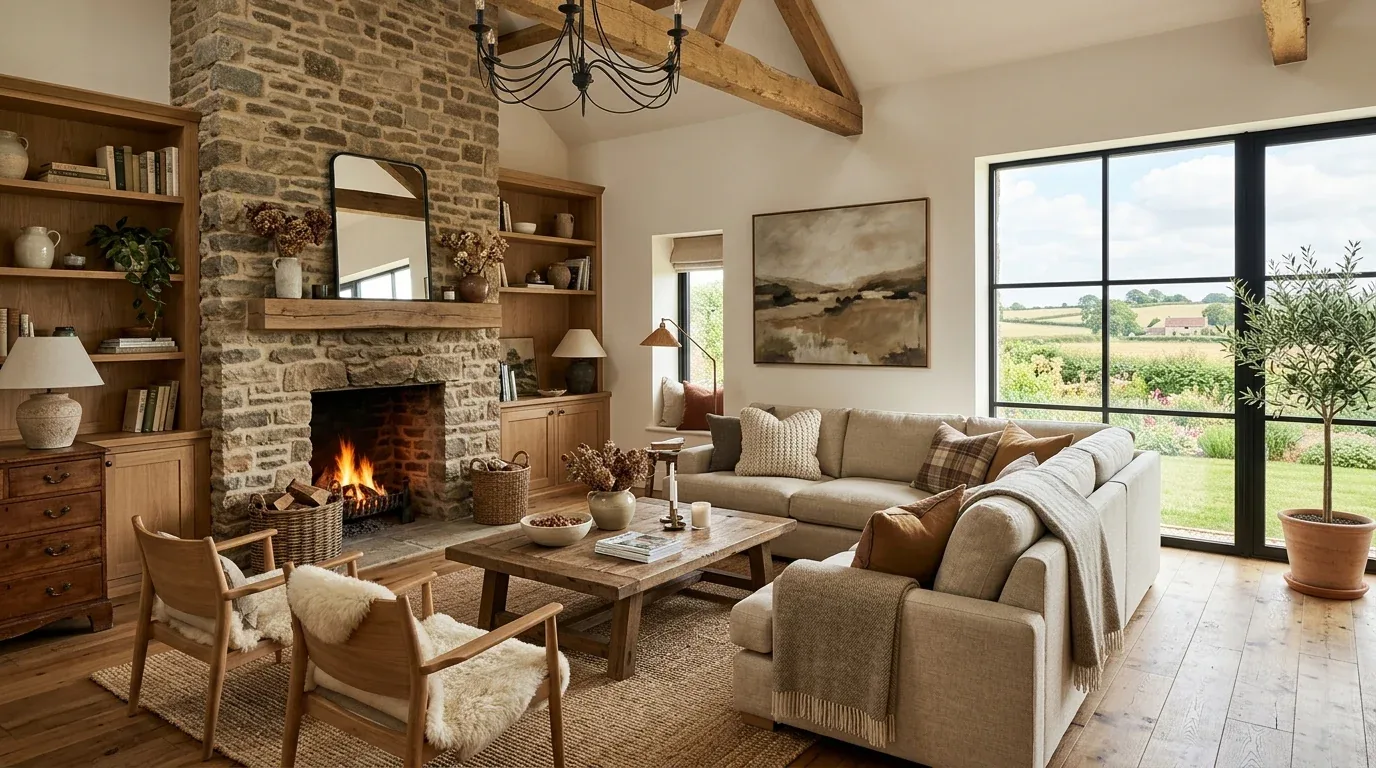
American interior design is characterized by its blend of traditional craftsmanship and modern simplicity, emphasizing comfort, functionality, and a sense of American heritage. It balances classic American styles with contemporary updates, creating spaces that feel both timeless and approachable.
Built from our active project files, this guide explores the defining characteristics, key elements, and popular styles of American interior design. We’ll compare it to international styles, highlight regional influences especially in Sacramento, and provide practical tips for incorporating its elements into your home with confidence. Our focus remains on warm restraint and designer perspective, helping homeowners make informed decisions without falling into design pitfalls.
Direct Answers (American Interior Design)
| What defines American interior design in Sacramento? | American interior design in Sacramento emphasizes comfort, heritage, and a blend of traditional craftsmanship with modern simplicity, often using natural materials like white oak and reclaimed wood. |
| How does regional influence affect American interior design in Sacramento? | Sacramento's landscape and historic architecture influence American interior design by favoring light-filled spaces, earthy palettes, and regional elements like handcrafted ceramics and woven textiles. |
| When should homeowners consider remodeling instead of rebuilding to achieve American interior design? | Homeowners should consider remodeling when their homes are structurally sound but need updates that reflect regional style and comfort, which can often be achieved without a costly rebuild. |
| What are common materials used in American interior design in Sacramento? | Common materials include warm wood finishes like white oak and maple, reclaimed wood, artisanal ceramics, and woven textiles sourced from local artisans. |
The Classic American Interior: Comfort Meets Heritage
American interior design across our active project specifications consistently emphasizes comfort and a sense of place. A key move is blending traditional craftsmanship with modern functionality, often seen in the use of warm wood finishes like white oak and maple for flooring and cabinetry. This approach creates interiors that feel rooted in American heritage yet adaptable to contemporary lifestyles. For example, in several recent projects, we incorporate classic shaker-style cabinets paired with sleek, minimalist hardware, balancing old-world charm with current trends.
Another hallmark is the layering of textures and meaningful accents, think woven textiles, vintage-inspired lighting, and artisanal ceramics, that add richness without clutter. We often select finishes and materials that age gracefully, reinforcing the idea that American interiors should be durable and welcoming. This design philosophy champions a relaxed, unpretentious elegance that prioritizes daily comfort while subtly referencing historic American styles.
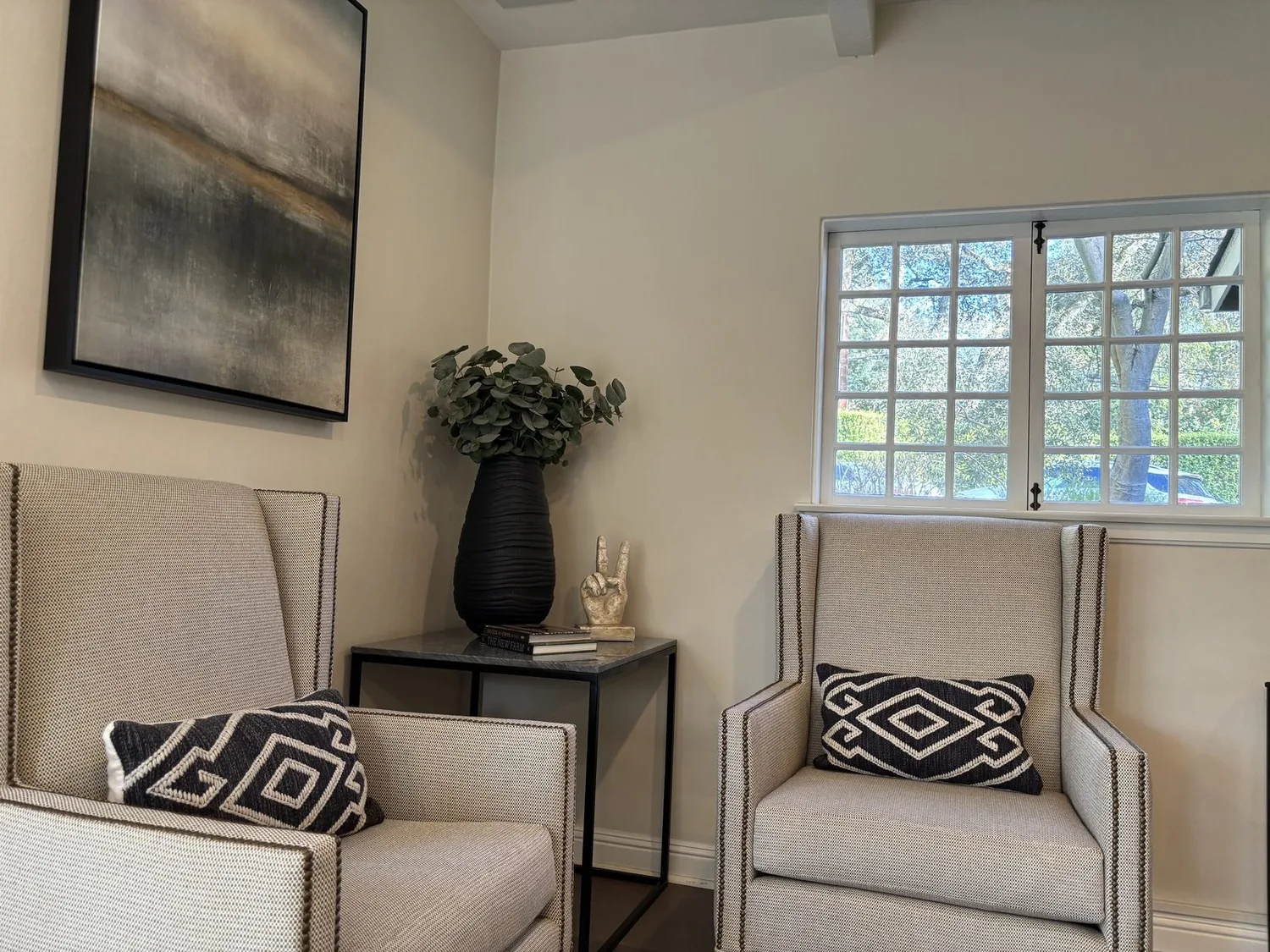
Material Specificity in American Design
Authenticity-grade materials
- White oak (rift-sawn), for floors and slat detail; calmer grain than plain-sawn
- Linen or cotton, for upholstery and soft furnishings, emphasizing comfort
- Bronze or brass hardware, warm metal accents that develop a patina over time
- Natural stone, such as soapstone or marble, used in countertops and backsplashes
- Reclaimed wood, for beams and accent pieces, adding authenticity and eco-consciousness
- Woven textiles, jute, sisal, and wool for rugs and upholstery, layered for tactile richness
- Matte finished paints, in warm neutrals to create a soothing backdrop
- Ceramic and artisanal pottery, as decorative accents emphasizing craftsmanship
Generic-grade tells we refuse to spec
- Mass-produced laminate countertops
- Synthetic fabrics for upholstery
- Chrome or nickel hardware
- Veneer finishes on furniture
- Low-quality MDF or particleboard
- Bright, high-gloss paints
- Plastic decorative accents
- Mass-market tile and stone
Should You Remodel or Rebuild in Sacramento?
The first question homeowners often ask is whether they should undertake a remodel or a rebuild to achieve their American interior design goals. The decision hinges on factors like the age of the home, structural integrity, and budget. In several recent projects, we’ve seen clients lean toward remodeling when their homes have good bones but need updates that reflect their lifestyle and regional style. For example, in the Masonite Industrial Project, the homeowners wanted to update their kitchen to match a more American traditional style but assumed they needed a full rebuild. After assessing the structure with a laser level and reviewing permits, we discovered that most updates could be achieved by reconfiguring existing layouts and refinishing surfaces, saving over $100,000 compared to a rebuild. The real root of their challenge was not space but the need for authentic materials and a warm palette that fit Sacramento’s climate and character. The key lesson is to evaluate the true condition of your home and explore all options before committing to a costly rebuild, especially in Sacramento where older homes are common and renovation-friendly.
How to Incorporate American Design Elements into Your Home
Integrating authentic American interior design into your space requires attention to detail and regional context. The first question we ask is what personal or regional elements resonate with you: do you want a cozy, heritage-inspired feel or a sleek, modern take on tradition? A practical step is choosing materials like reclaimed wood for flooring or accents, which evoke American craftsmanship and sustainability. Layering textures such as woven rugs and soft linens creates a welcoming atmosphere. Focus on furniture that balances comfort with style, think plush sofas, shaker-style cabinets, and vintage-inspired lighting fixtures. Color palettes in warm neutrals, earthy greens, and soft blues help anchor the design in regional authenticity. The key is to blend these elements thoughtfully so the space feels genuine and well curated, not trendy or forced. Our Sacramento projects often showcase how regional influences, like landscape views and historic architecture, inform material and color choices, making American design both personal and regionally appropriate.
Common Mistakes We See in American Interior Design
One common mistake is overusing trendy finishes that don’t age well, such as overly glossy surfaces or synthetic textiles. Another is neglecting the importance of authentic materials; opting for cheap veneers or mass-produced hardware can undermine the traditional feel. Lastly, many homeowners underestimate the value of layering textures and regional accents, leading to interiors that feel flat or impersonal. These pitfalls can result in a space that looks cheap, dated, or lacks a sense of place. The best approach is to prioritize durable, authentic materials and stay true to regional influences, ensuring your home remains timeless and meaningful.
Observed Failure Modes, How American Interior Design Goes Wrong
From our project debriefs and post-occupancy reviews, 2023-2026.
Assuming Bigger Is Always Better
Many Sacramento homeowners believe that enlarging a space will automatically improve its feel or function. In one case during the Masonite Industrial Project, the homeowners insisted on a 48-inch wide island, thinking it would be more impressive. The contractor agreed without question, assuming it was necessary for their lifestyle. During a walk-through with a laser level and a mockup with cardboard, we discovered the real issue was circulation around the space. The larger island blocked natural pathways and crowded the room, making it less livable. We advised a slight reduction in size and reworking the layout, which preserved the footprint but vastly improved usability. This experience reinforced that more space isn’t always the solution; understanding flow and proportion is key to authentic American comfort.
Ignoring Regional Material Sourcing
Many homeowners or designers default to importing materials or choosing generic finishes that do not reflect the regional landscape. In Sacramento, the best interiors incorporate locally sourced materials like reclaimed wood or regional ceramics. Ignoring this can result in interiors that feel disconnected from their environment. For example, selecting imported stone or synthetic textiles over regional artisans' work diminishes authenticity and can increase costs and lead times. Our advice is to prioritize regional sourcing where possible, which supports local craftspeople and enhances the sense of place in your design.
Overloading the Space with Decorative Items
Another common mistake is overdecorating with trendy accessories that clutter the space and distract from the core design. In an effort to be stylish, homeowners sometimes fill their rooms with numerous small decorative objects, which can diminish the warmth and authenticity of American interiors. Less is often more; curated accents like vintage ceramics or woven textiles add character without overwhelming. Keeping a focus on quality over quantity ensures the space remains inviting and genuine, especially in regions like Sacramento where understated elegance is valued.
What's Going Out for 2026
- Overly glossy or synthetic finishes
- Mass-produced furniture that lacks authenticity
- Trendy decor that quickly feels dated
- Ignoring regional materials and crafts
- Overfilling with decorative objects
- Using cold, neutral palettes exclusively
- Prioritizing size over flow and proportion
- Neglecting the regional climate in material choices
What American Interior Design Costs in 2026
| Scope | Typical range |
|---|---|
| Refresh scope | $80K-$150K |
| Mid-tier scope | $150K-$400K |
| Estate-scale | $400K-$2M |
Working Notes
What We Have Learned Doing This: American Interior Design
“Good rooms are built twice. Once on paper, once in the field.”
Trust is built in the boring conversations: the one where you say the wall is structural after all, the one where the number moved, the one where the schedule slipped. Clients forgive reality. They do not forgive being surprised by it.
Specify for the next ten years, not the next photo shoot. The work that holds its value is quiet, well made, and a little bit boring on the day it is installed.
The cheapest tool on any project is a sample board and an afternoon. We have watched five-figure mistakes get caught by a fifteen-dollar paint sample lived with for a week in the actual light of the actual room. Decisions made under showroom lighting do not survive contact with a real house.
These notes come from our own american interior design project debriefs. Most were learned the expensive way the first time.
Sources & Professional References
This guide's positions on materials are grounded in published building-code, standards, and recognized design-authority sources, alongside Designed | Curated Interiors' verified credentials and active project files:
- American Society of Interior Designers (ASID): interior-design practice standards
- International Code Council (ICC): Chapter 8 Interior Finishes
- NKBA, Amy Kunst Member Profile (verified credential, NKBA Committee Member)
- Featured in: Homes & Gardens (design expert quote, May 2026) · Sacramento Love (guest author, 2024)
Frequently Asked
What defines American interior design in Sacramento?
How does regional influence affect American interior design in Sacramento?
When should homeowners consider remodeling instead of rebuilding to achieve American interior design?
What are common materials used in American interior design in Sacramento?
What practical tips can help incorporate American design into my Sacramento home?
From American Interior Design to a Real Room
A trend piece is the briefing document, not the deliverable. The pages below show how we translate these principles into finished rooms across Sacramento and the rest of Northern California.
- Sacramento & Bay Area Interior Design Services How we scope, source, and deliver work end to end.
- Interior Designer Hub, Sacramento Where most of our Sacramento work lives, the regional fit explained.
- Modern Tudor Homes: Authentic, Revival, and Neo-Tudor (A Designer Reference) Heritage-architecture renovation patterns from our project files.
- Japandi Living Room: A Designer's Guide to the 2026 Look The 2026 warm-neutral playbook applied to the living room.