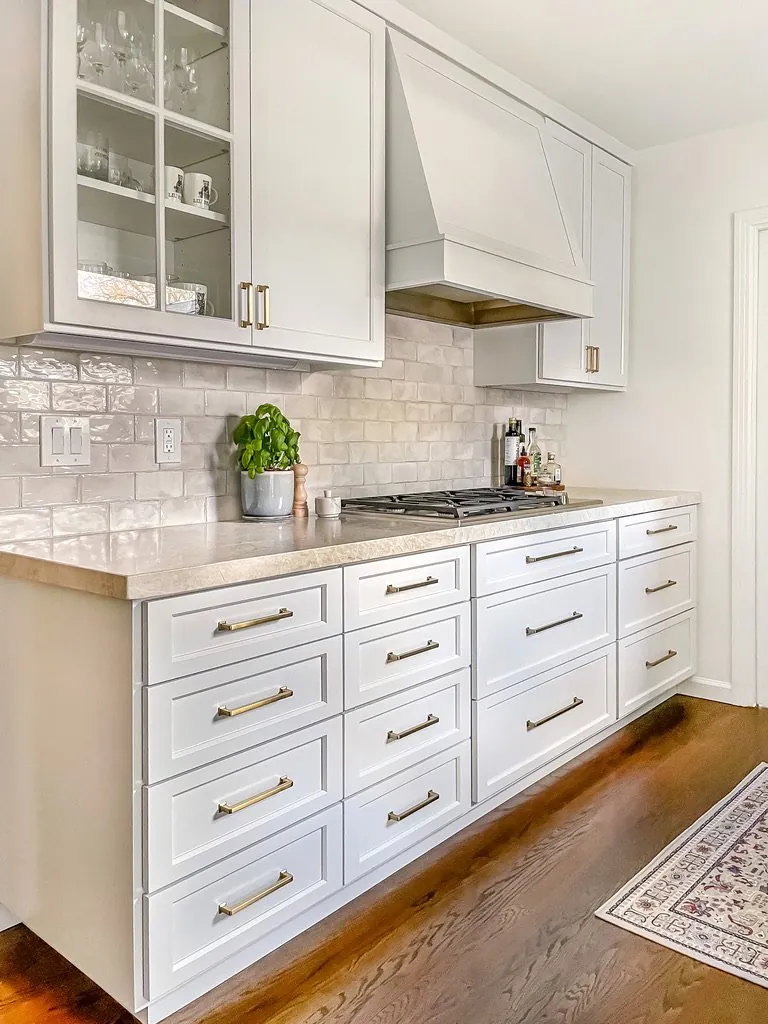
Amy’s approach to remodels in Angels Camp begins with an appreciation for the way light shapes the Sierra foothills’ terrain, where the morning sun catches the rolling hills and the afternoon glow bathes the historic homes scattered across the landscape. The area’s architecture blends Gold Rush-era simplicity with the clean lines of California Craftsman, so her work honors those original elements while updating them thoughtfully. She often preserves distinctive features like deep-set transoms or original redwood beams, pairing them with materials that reflect the region’s earthy palette, such as reclaimed wood for shelving or locally sourced stone for countertops. In neighborhoods like Gold Cliff or downtown Angels, where gabled roofs and wrap-around porches define the historic character, she reinforces those classic details with durable yet warm finishes, like fiber cement siding in soft greens or terracotta tones that harmonize with the surrounding hills.
The climate here, warm, dry summers and cool, misty winters, guides her material choices to ensure comfort year-round. She favors thick adobe walls for natural temperature regulation and deep overhangs to protect against the intense afternoon sun, while locally quarried stone, like the warm granite from nearby Calaveras County, anchors spaces like kitchens and fireplaces to the land’s rugged beauty. For outdoor living, she selects weather-resistant options such as cedar or composite decking, often styled with wide planks and wrought-iron accents that subtly reference the area’s mining past. Landscaping, too, reflects the foothills’ resilience, with drought-tolerant plants like manzanita or toyon thriving with minimal care in the well-drained soil of neighborhoods like Greenhorn Creek.
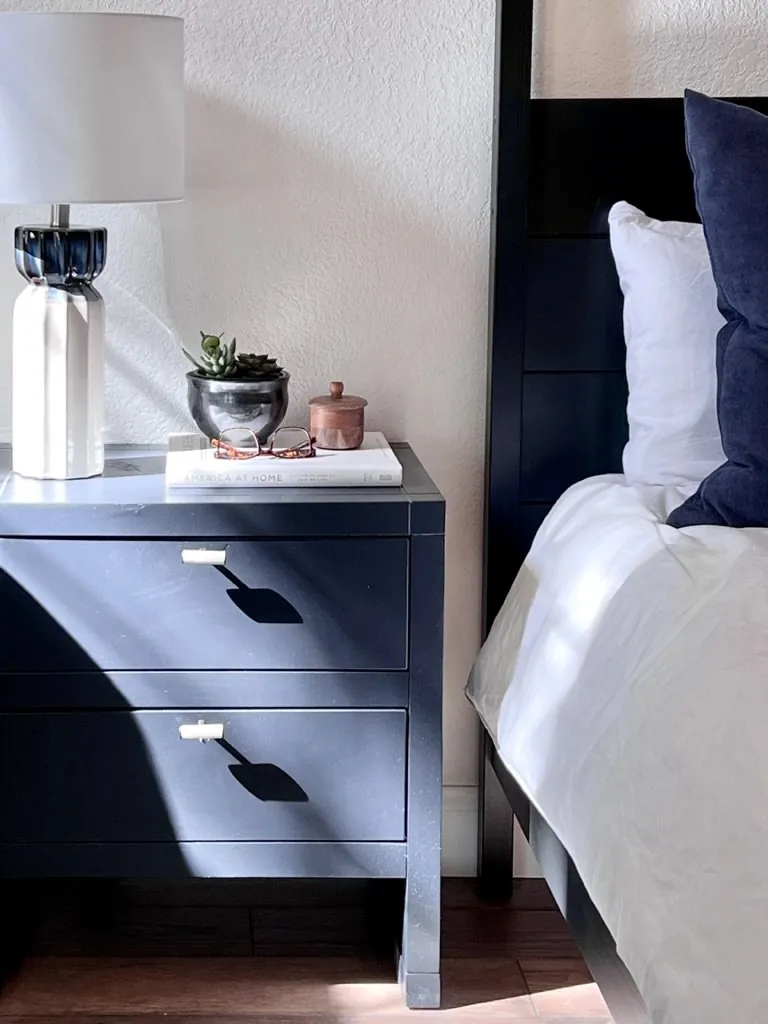
Amy’s designs aim to create homes that feel deeply rooted in Angels Camp’s identity, whether through the patina of a historic cabin or the bright openness of a modern retreat. She collaborates closely with homeowners to uncover what matters most, perhaps a reverence for the Gold Rush era, which might inspire vintage hardware or reclaimed wood accents, or a preference for minimalist lines balanced with the warmth of natural textures. In a restored Gold Rush home, she might pair original plaster walls with a sleek contemporary powder room, while in newer builds, she integrates elements like stone fireplaces or covered porches to blur the line between indoor and outdoor living, much like the way the community bridges historic downtown with the quieter charm of areas like The Gallery at Greenhorn Creek. Every choice is made with an eye on longevity, because in this foothills town, a home is as much about crafting a legacy as it is about creating a space to live.