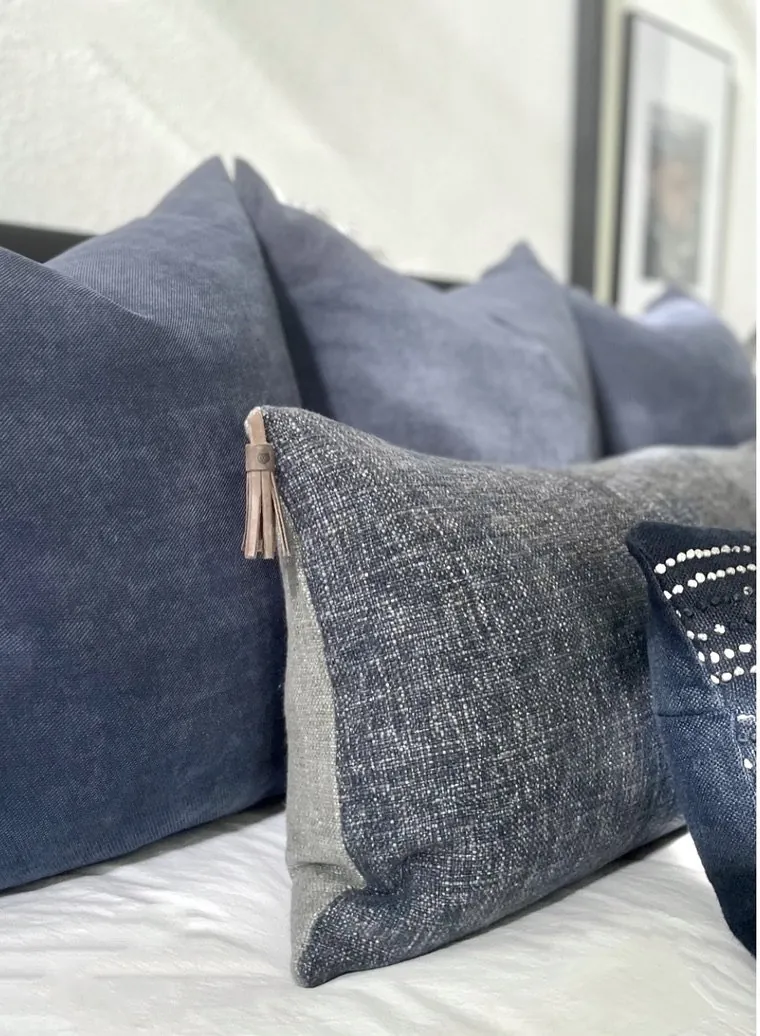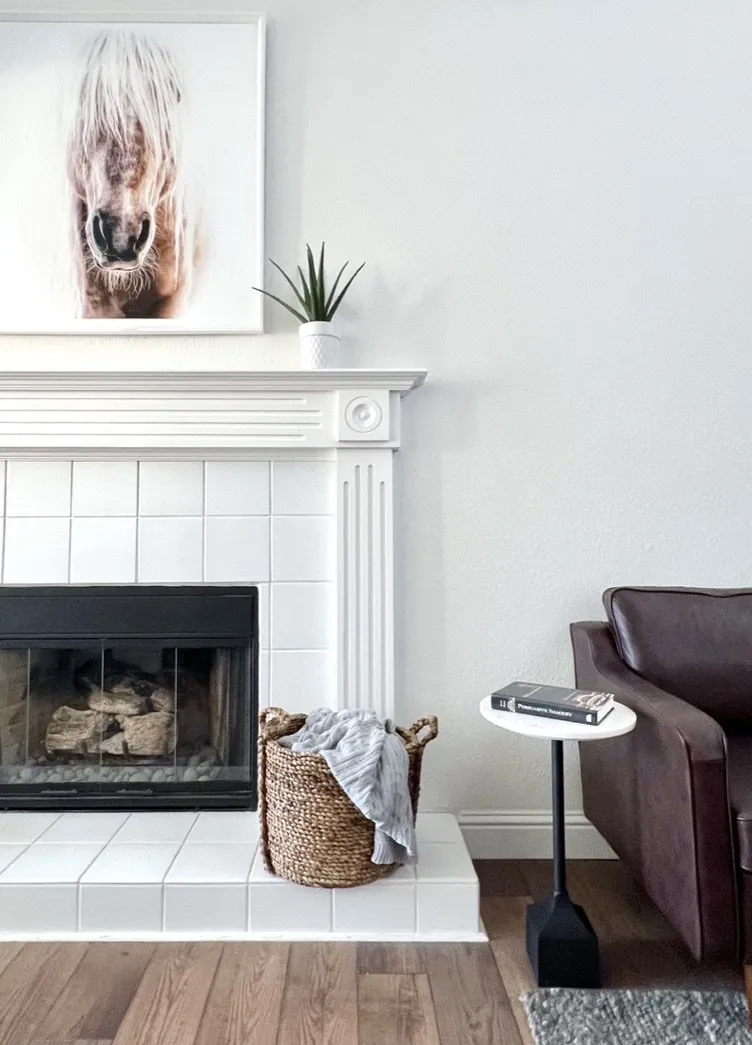
When Amy approaches a remodel in Colfax, she grounds her work in the town’s distinct character and the practical needs of its climate, where the Sierra Nevada foothills meet the flatlands of Placer County. The area’s architecture blends Craftsman warmth, Mid-Century Modern simplicity, and rustic farmhouse elements, often framed by mature oak trees or set against the rolling hills of the Mayacamas range. She begins by honoring the original structure’s integrity, preserving original hardwood floors, exposed beams, or vintage built-ins, while updating them to reflect Colfax’s effortless, refined aesthetic. The layout is carefully considered, especially in older homes where lower ceilings or irregular angles might exist, ensuring the space retains its charm while flowing seamlessly for modern living. For example, in a 1920s Craftsman home, she might keep the deep porches and built-in window seats but refresh them with locally reclaimed wood or muted, earthy stains that complement the region’s natural tones. Given Colfax’s dry, sunny summers and cooler evenings, she prioritizes materials that regulate indoor temperatures, such as durable tile flooring, thermal-efficient windows, and ventilation strategies that harness the natural breezes moving through the foothills.
Amy frequently sources materials that reflect the region’s landscape, like reclaimed redwood from nearby mills or stone from local Sierra quarries, ensuring textures and finishes suit the area’s varied microclimates. She favors durable yet inviting materials, hand-scraped oak, matte-stained cedar, or rough-finished stucco, that withstand the intensity of summer sun while maintaining warmth. Exteriors often feature agricultural-inspired details like metal roofs or organic-textured plaster, while interiors might contrast smooth plaster walls with raw concrete for a grounded, modern feel. Her approach also adapts to the neighborhood’s identity; in areas like Canyon Creek Estates or Rollins Lake Estates, where homes are more spread out, she emphasizes open, light-filled layouts, whereas in the quieter, more established pockets like Alpine Meadows, she might incorporate classic millwork or symmetrical details that nod to the town’s historic roots. Color palettes draw inspiration from the surrounding terrain, soft greens and blues evoking nearby waterways, warm terracottas mirroring the hills, or deep, earthy jewel tones that feel rooted in the landscape.
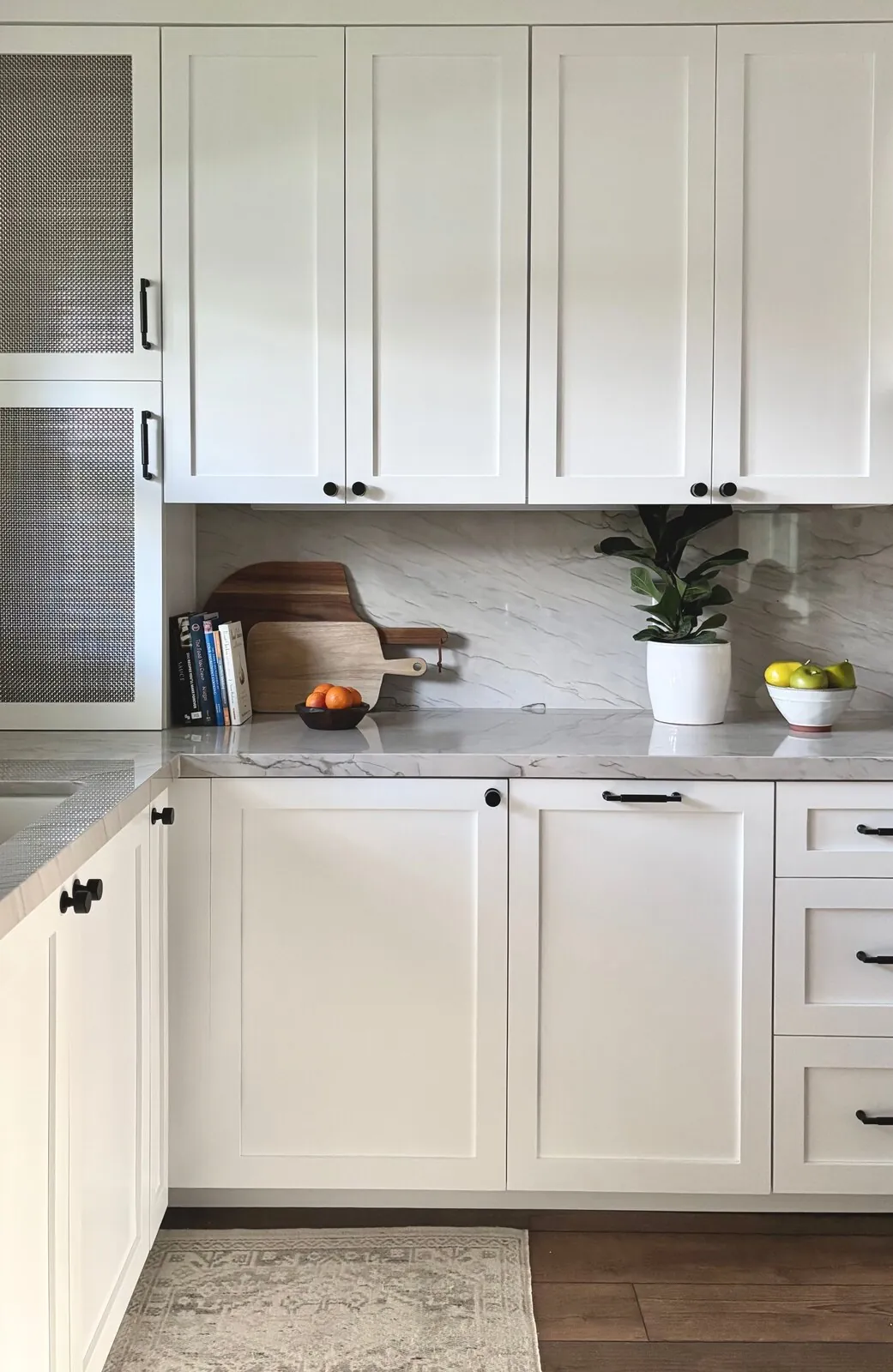
Amy’s process centers on aligning a home’s design with the homeowner’s lifestyle while respecting Colfax’s unique context. She starts with thoughtful questions: Does the space serve as a lively gathering place or a serene retreat? Should it embrace the cozy, lived-in feel of a farmhouse or the clean lines of a contemporary update? For a client who entertains often, she might design an open-concept kitchen with a farmhouse table crafted from reclaimed wood, while someone seeking privacy could have a sunroom with frosted glass to soften views of the foothills. She also considers how upgrades can enhance resale value in Colfax’s market, whether through energy-efficient features, universal design elements, or timeless details that age gracefully. Throughout the project, she shares sketches and material samples early, ensuring homeowners see how their vision harmonizes with the local surroundings, whether it’s a vintage-inspired kitchen with a butcher block island made from regional timber or a master bathroom with a durable soaking tub that feels like a spa. The result is a space that feels deeply personal yet inherently connected to Colfax’s landscape, history, and way of life.