When Amy takes on a remodel in Mill Valley, the first thing she notices, and what she always starts with, is the way the existing architecture plays into the landscape and the community’s history. Mill Valley’s homes often blend mid-century modern influences with Craftsman details, especially in older neighborhoods like Rockridge or along the hillside streets near Tamalpais Valley. The steep, wooded lots and expansive views mean that many homes here have open floor plans designed to frame nature, with large windows, sliding glass doors, and built-in seating that almost feels like an extension of the outdoors. Amy looks for those original architectural bones, exposed beams, clerestory windows, or even the way a home’s orientation captures light from the ridge or the bay, and preserves them as the foundation of the design. She’s particularly attuned to how the home’s structure interacts with the surrounding redwoods and oaks; if a remodel involves adding or expanding living spaces, she’ll often suggest keeping the existing footprint minimal to avoid disrupting the natural canopy or the neighborhood’s quiet, intentional layout. For example, in a 1960s ranch-style home, she might reinforce the original sliding glass walls to maintain that seamless indoor-outdoor flow, while in a more recent build near the downtown core, she’ll lean into the clean lines and large-scale windows that take advantage of the urban greenery and mountain views.
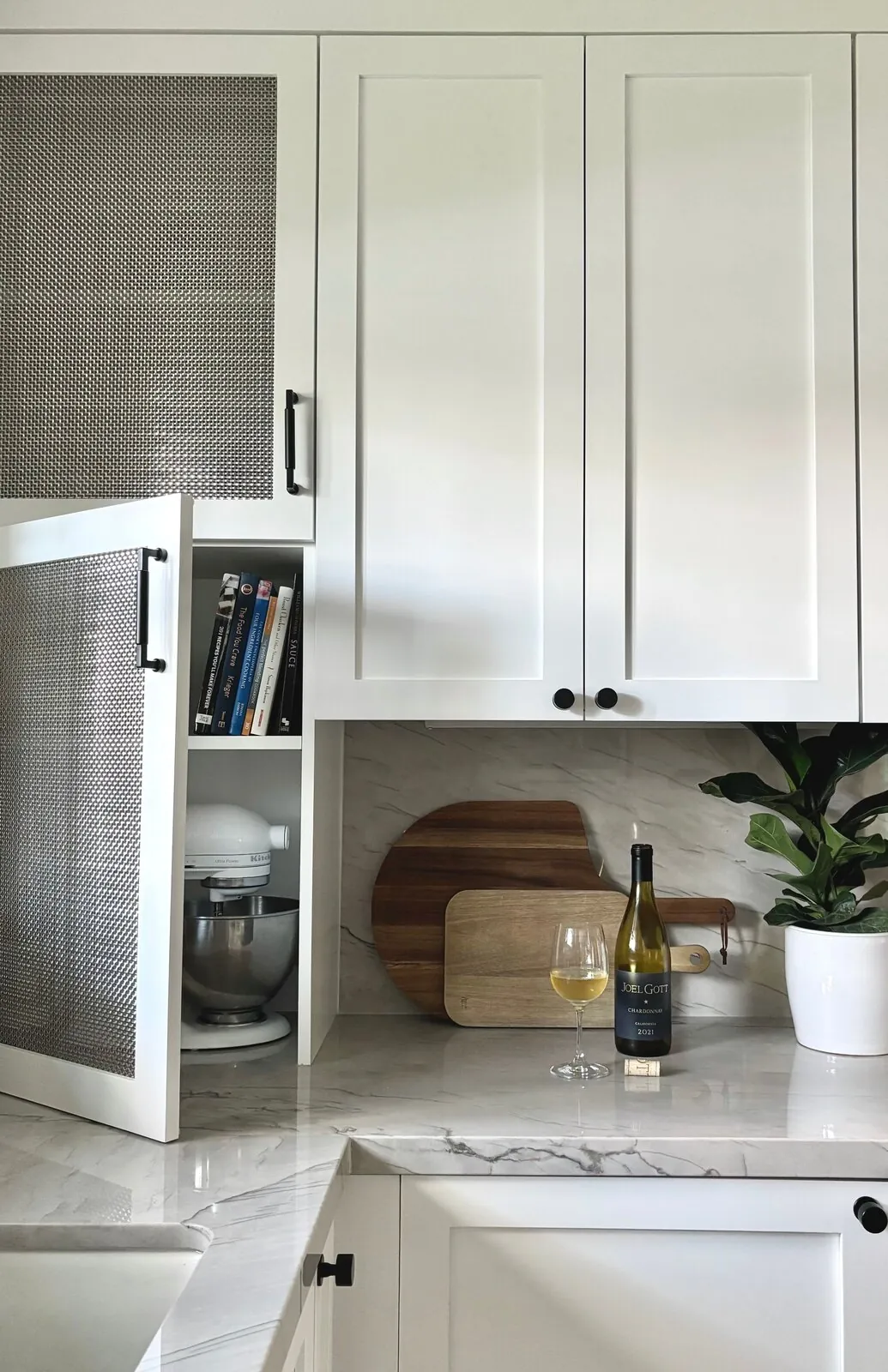
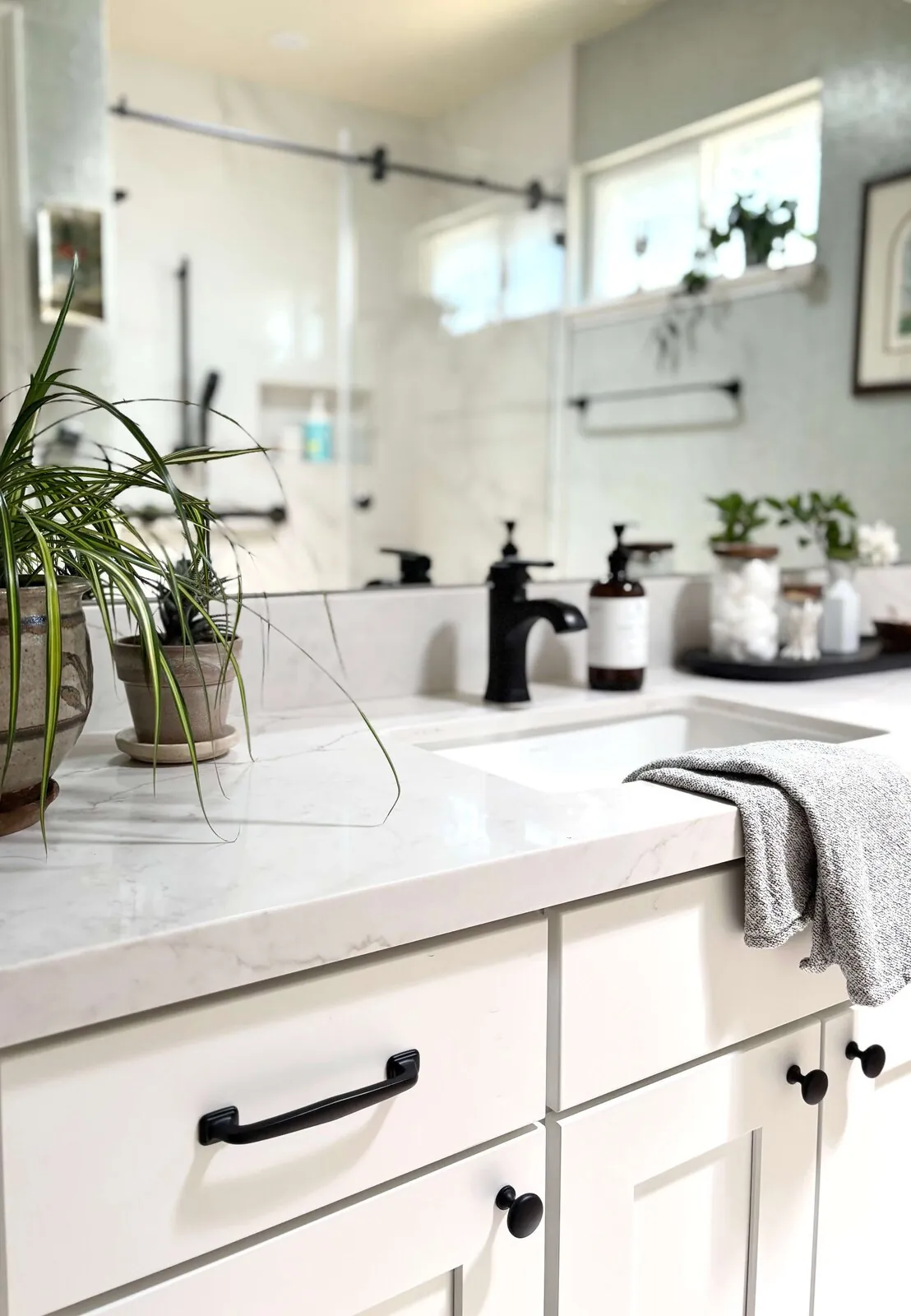
The materials Amy chooses for a Mill Valley home are always a conversation about resilience, warmth, and harmony with the environment, both inside and out. Given the area’s marine climate, with its damp winters and fog rolling in from the bay, she prioritizes durable, low-maintenance finishes that can handle moisture without sacrificing coziness. Locally sourced redwood or cedar is a staple for built-ins, cabinetry, or even accent walls, not just for its sustainability but for its ability to age beautifully, developing a silvery patina that complements the surrounding forest. For floors, she often recommends wide-plank oak or reclaimed wood, which can handle the occasional muddy boot or damp towel while keeping the space feeling grounded and organic. In kitchens and bathrooms, she specifies sealed stone like Soquel granite or composite quartz that mimics natural materials but stands up to the humidity. Even the paint colors lean toward muted, earthy tones, think sage greens, warm taupes, or soft blues, that echo the colors of the Marin headlands or the misty hills. And because Mill Valley’s neighborhoods have such distinct characters, downtown’s eclectic mix of craftsman bungalows and modern infill, or the more secluded, nature-focused homes on the ridge, she’ll adjust the material palette to reflect that. A home near the downtown farmers’ market might feature reclaimed wood and brass hardware for a lived-in, artisanal feel, while a property tucked into the hills might use lighter, more airy materials to keep the space feeling open and connected to the outdoors.
Ultimately, Amy’s approach to designing in Mill Valley is about striking a balance between honoring the home’s original spirit and adapting it to the way her clients actually live. She starts by asking questions that go beyond aesthetics: Do you entertain often, or is this a quiet retreat? Do you work from home, or is the space mostly for family time? Are you drawn to the cozy, textured look of an older home, or do you prefer the clean, minimalist lines of something more contemporary? For instance, if a client loves the idea of an open-concept living area but also wants a sense of privacy, she might suggest a built-in bookshelf or a room divider made from local stone to soften the transition between spaces, something that feels intentional, not forced. She’s also mindful of how Mill Valley’s lifestyle influences design choices; with so many outdoor enthusiasts and remote workers in the community, she often incorporates flexible spaces like a mudroom that doubles as a home office or a sunroom that can serve as a yoga studio or guest bedroom. And because sustainability is a core value here, she’ll always explore options for energy-efficient lighting, passive solar design, or even integrating native plants into the landscaping to support local ecosystems. The goal isn’t to make a home look like it belongs in a magazine, but to create a space that feels authentically *yours*—whether that means preserving the original hardwood floors under a fresh stain, updating a kitchen with locally crafted cabinetry, or simply arranging furniture to maximize those breathtaking views of the bay.
Featured Neighborhoods