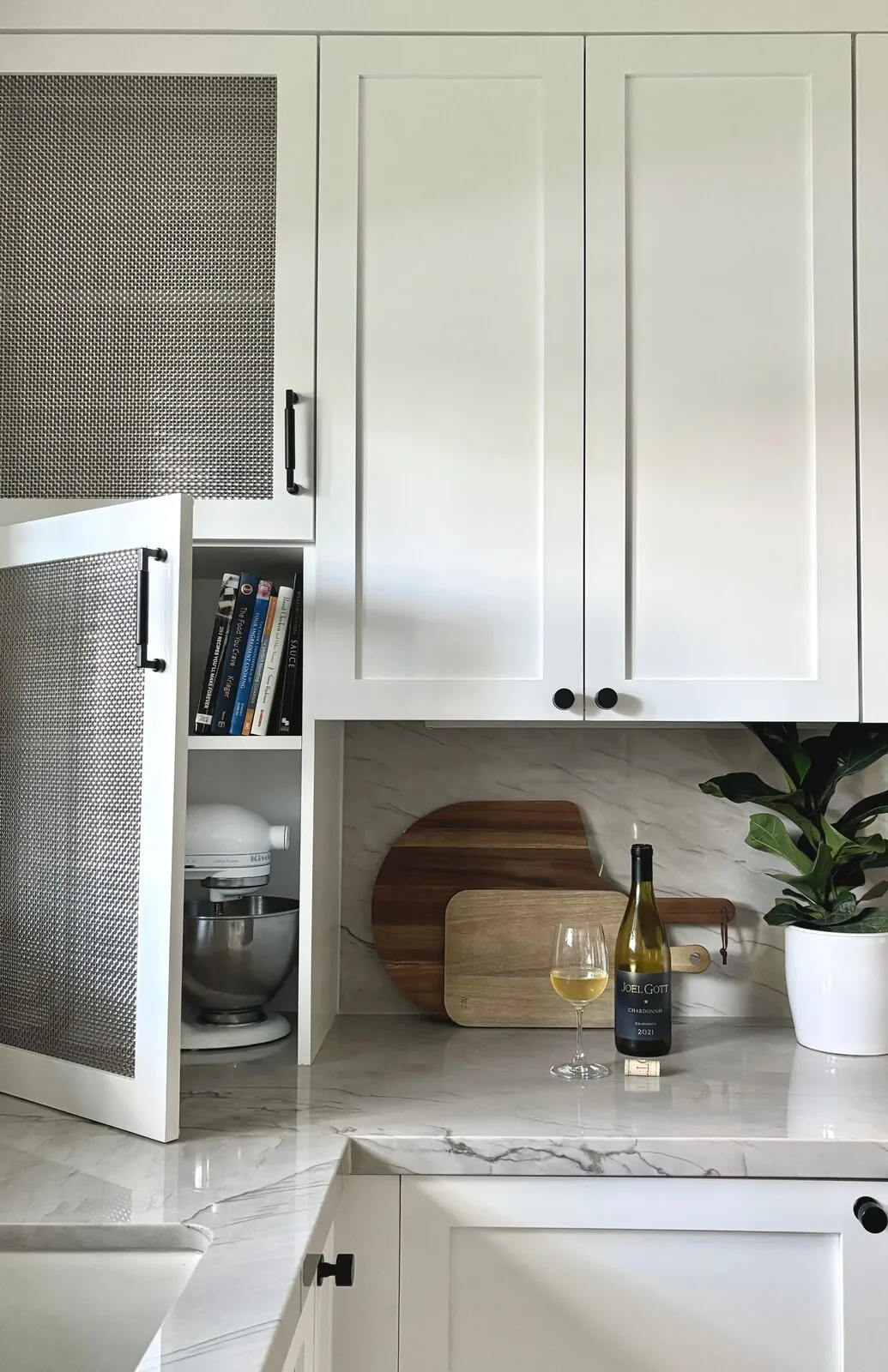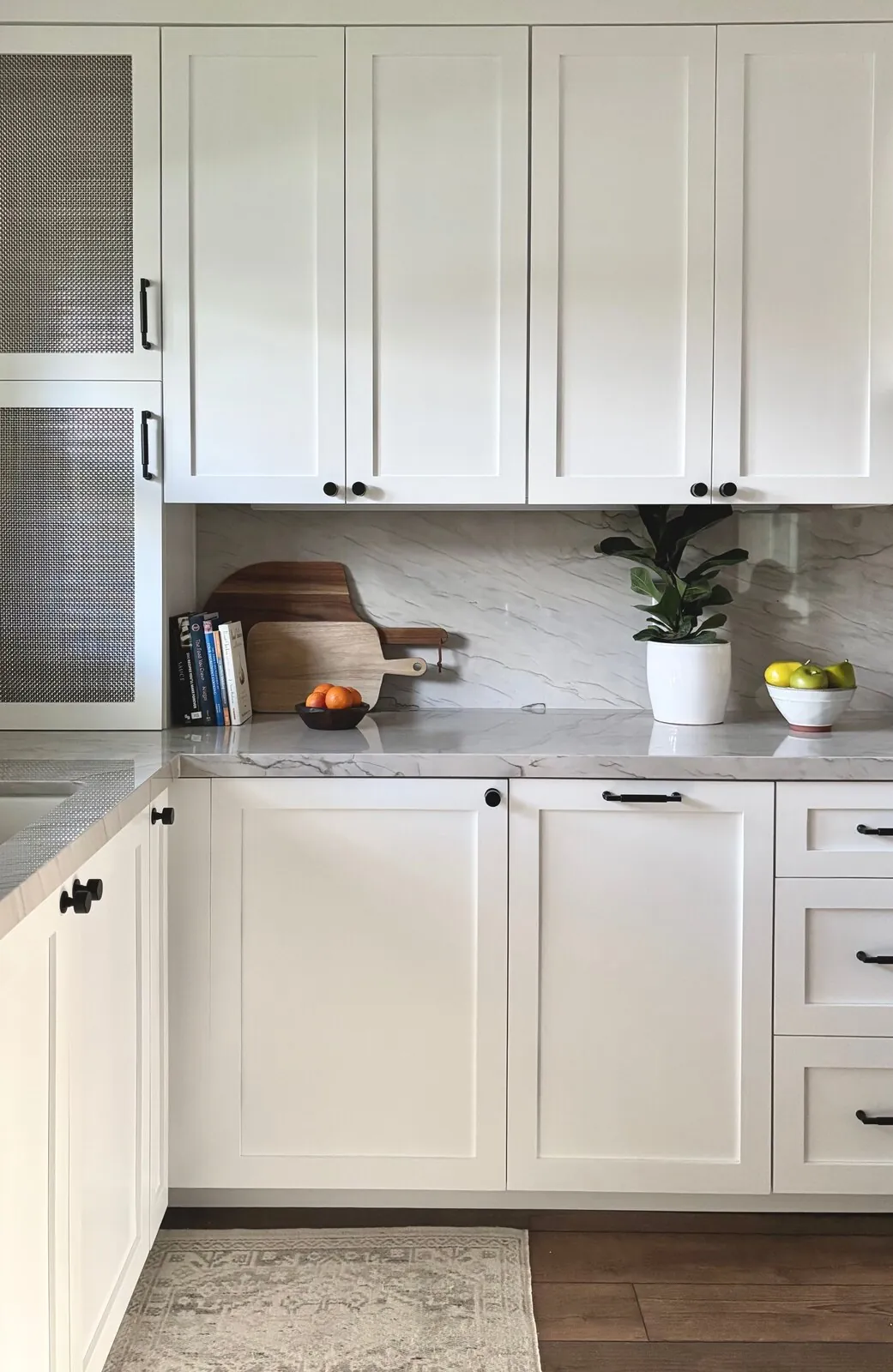
When we take on a remodel in Crescent City, my first step is always to consider how your home fits into the layered terrain of Del Norte County, where the rugged coastal hills meet the dense forests of the Klamath Mountains. The architecture here reflects the area’s natural contrasts, whether it’s the steep, wooded lots in neighborhoods like Elk Valley or the more open, windswept homes along Highway 101 toward the Oregon border. I begin by honoring the existing character of these spaces: the deep-set windows that capture the misty coastal air, the original timber framing that connects to the old-growth redwoods nearby, or the sturdy concrete foundations that anchor homes against the damp, shifting soil. If your home has that classic mid-century or early 2000s coastal style, think vaulted ceilings, large overhangs, or sliding glass doors that dissolve the boundary between indoors and out, I’ll often enhance those features rather than overhaul them. For instance, if your kitchen has those distinctive built-in cabinets from the ’80s, I might update them with warm, weathered wood like reclaimed redwood or cedar to keep them functional while giving them a timeless feel. The aim is to create a space that feels grounded in its surroundings yet effortlessly livable, because after a day of dealing with the damp coastal winds or the occasional seismic reminder of the region’s geology, your home should feel like a true retreat.
The materials I select for a Crescent City remodel are always chosen to withstand the area’s damp, windy climate while embracing its natural textures. Here, we deal with high humidity, occasional heavy rains, and the risk of wildfire smoke, so I prioritize durable, low-maintenance options that resist moisture and wear. Locally sourced cedar is a go-to for trim and cabinetry, as it develops a beautiful silvery patina over time, while recycled steel hardware ensures longevity without rust. For flooring, I often recommend wide-plank white oak or reclaimed Douglas fir, both of which handle occasional flooding or humidity better than less resilient materials. In homes near the waterfront or the Smith River, sealed concrete or large-format porcelain tile, designed to mimic local stone, provides both durability and a natural aesthetic. Since Crescent City blends transient residents, longtime locals, and visitors drawn to its artsy, laid-back vibe, I balance practicality with a touch of coastal charm, whether through a live-edge walnut countertop or a mural inspired by the nearby Jedediah Smith Redwoods. The goal is to craft a home that feels like a sanctuary while celebrating the story of its place.
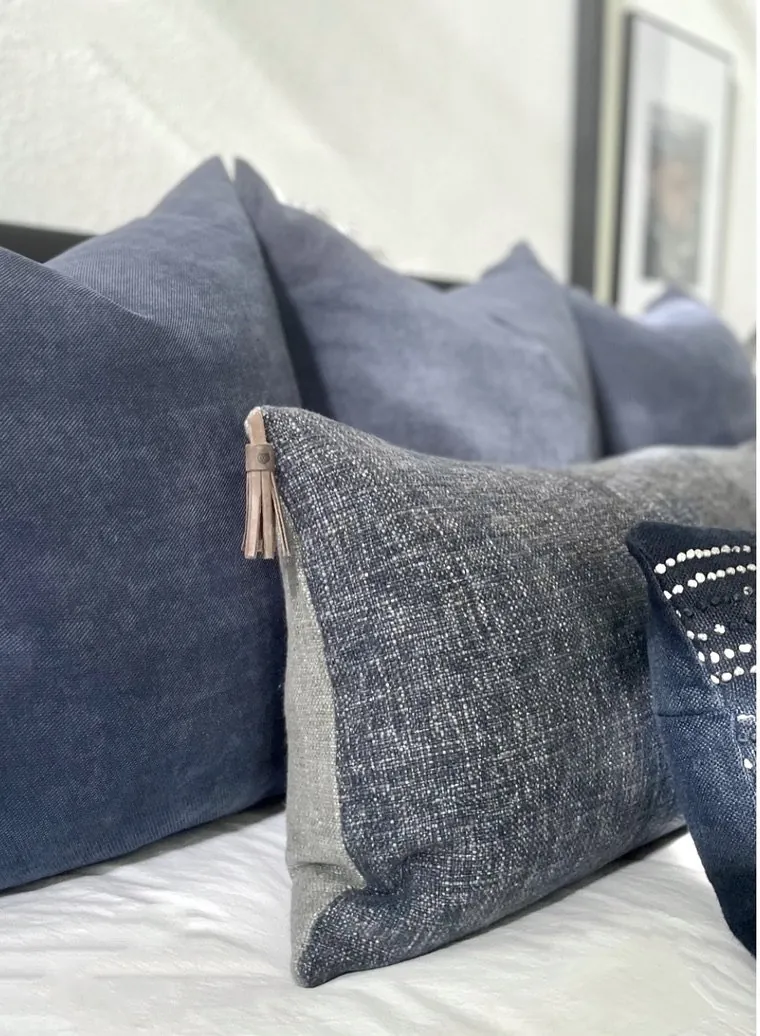
My approach to designing in Crescent City revolves around blending personal style with the town’s distinct character. Some clients want a modern update that still feels warm and lived-in, while others prefer a bohemian, handcrafted look, think vintage fishing gear as decor, driftwood sculptures, or a gallery wall of local landscapes. I always start by understanding your daily life: Do you entertain often, or do you need a space that’s easy to maintain after a day of outdoor activities? Are you restoring a historic home in the downtown area, where original woodwork and hardwood floors might still exist, or are you working with a newer build in Northcrest or North Pebble Beach? For example, in older neighborhoods near the library, I might preserve and restore salvaged wood or refresh original hardwood floors to highlight their natural beauty. In newer homes along the highway, I might introduce bold colors, deep blues or warm terracottas, to contrast the muted tones of the coastal landscape. The idea is to ensure your home reflects your personality while still feeling like it belongs in Crescent City, where the boundaries between indoors and out are always softened by the wind, the rain, and the ever-present horizon.