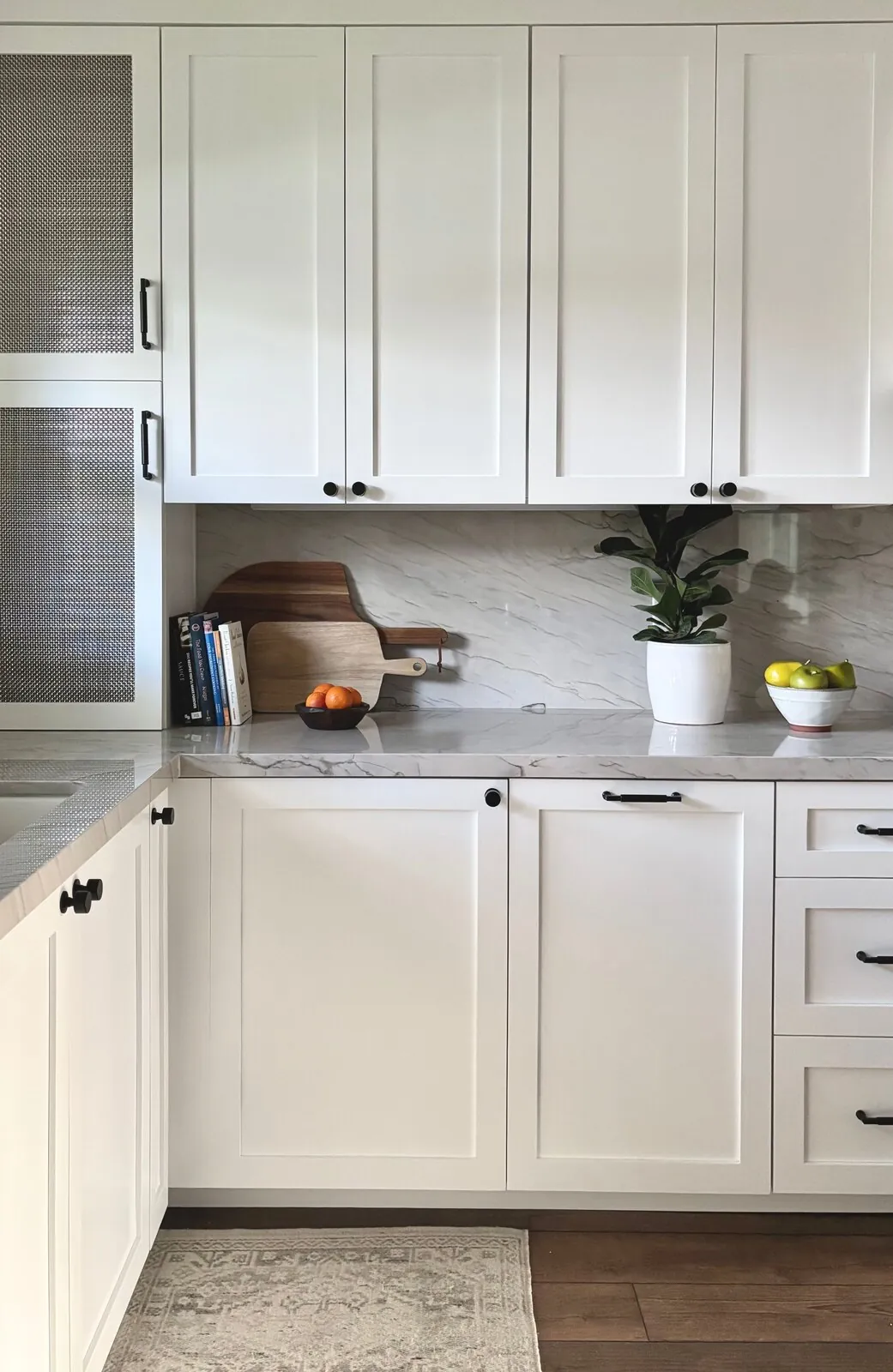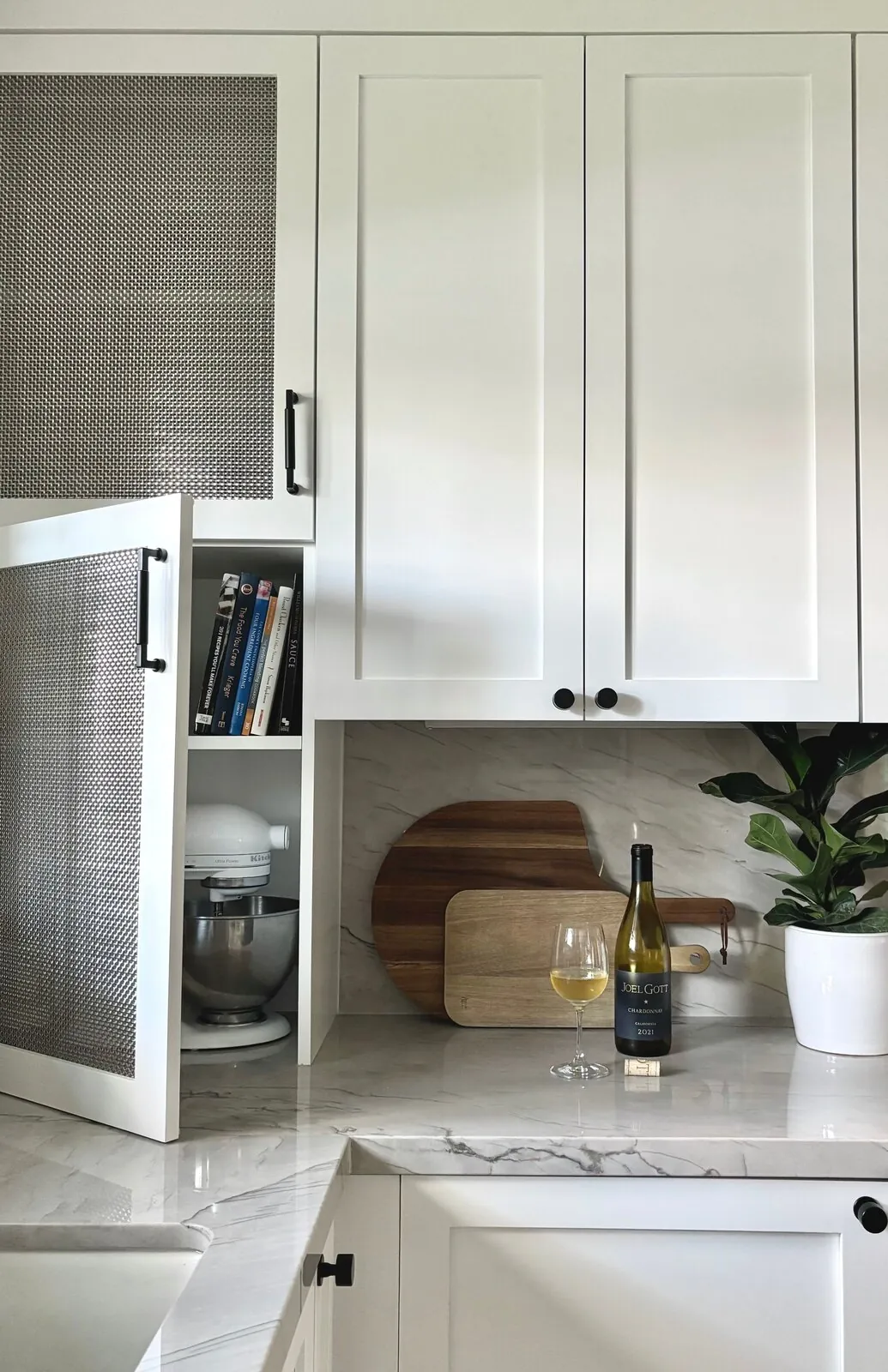
Cupertino’s homes reflect the city’s unique blend of Silicon Valley innovation and the rolling hills of the Santa Clara Valley, where modern design meets the practicality of a climate that ranges from warm, dry summers to cool, foggy winters. Unlike the coastal breezes of nearby San Francisco or the wine-country estates of Napa, Cupertino’s premium neighborhoods, such as Monta Vista, Homestead, and Rancho Rinconada, prioritize sleek, functional aesthetics that balance indoor-outdoor living with the challenges of the area’s terrain. In Monta Vista, where lots often slope gently upward, homes frequently feature staggered levels, built-in seating nooks, and expansive glass walls to frame views of the surrounding hills while allowing natural light to flood interiors. Meanwhile, the more established streets of Homestead and Rancho Rinconada showcase a mix of mid-century modern influences and contemporary updates, with open floor plans that maximize space without sacrificing privacy, a necessity in a city where outdoor areas must be both usable and weather-resistant. The result is a design language that feels both polished and lived-in, where technology and craftsmanship coexist seamlessly.
My approach to designing in Cupertino centers on three key principles: *contextual modernism*, *intentional flow*, and *tech-integrated functionality*, each adapted to the city’s specific geographic and cultural context. First, I emphasize *contextual modernism*, ensuring that each home respects the neighborhood’s architectural roots while evolving with contemporary needs. In Monta Vista, where Craftsman-style details remain subtle but present, I often incorporate deep overhangs for shade and natural ventilation, a practical response to the valley’s occasional heat, paired with clean, minimalist lines that feel distinctly modern. In Homestead or Rancho Rinconada, where mid-century influences are stronger, I blend warm wood accents and geometric patterns with open, airy layouts to create spaces that feel both nostalgic and fresh. Second, *intentional flow* is essential, particularly on lots where elevation changes require thoughtful circulation. I design for seamless movement, using built-in storage that doubles as architectural elements, hidden staircases that preserve sightlines, and outdoor terraces that extend living areas without overwhelming the landscape. Finally, *tech-integrated functionality* is woven into the design from the start, whether through discreet smart-home wiring, surfaces that conceal charging stations, or multi-purpose rooms that adapt to work, leisure, and family life. The goal is to create homes that feel intuitive and responsive, aligning with the fast-paced yet intentional lifestyle of Cupertino’s residents.
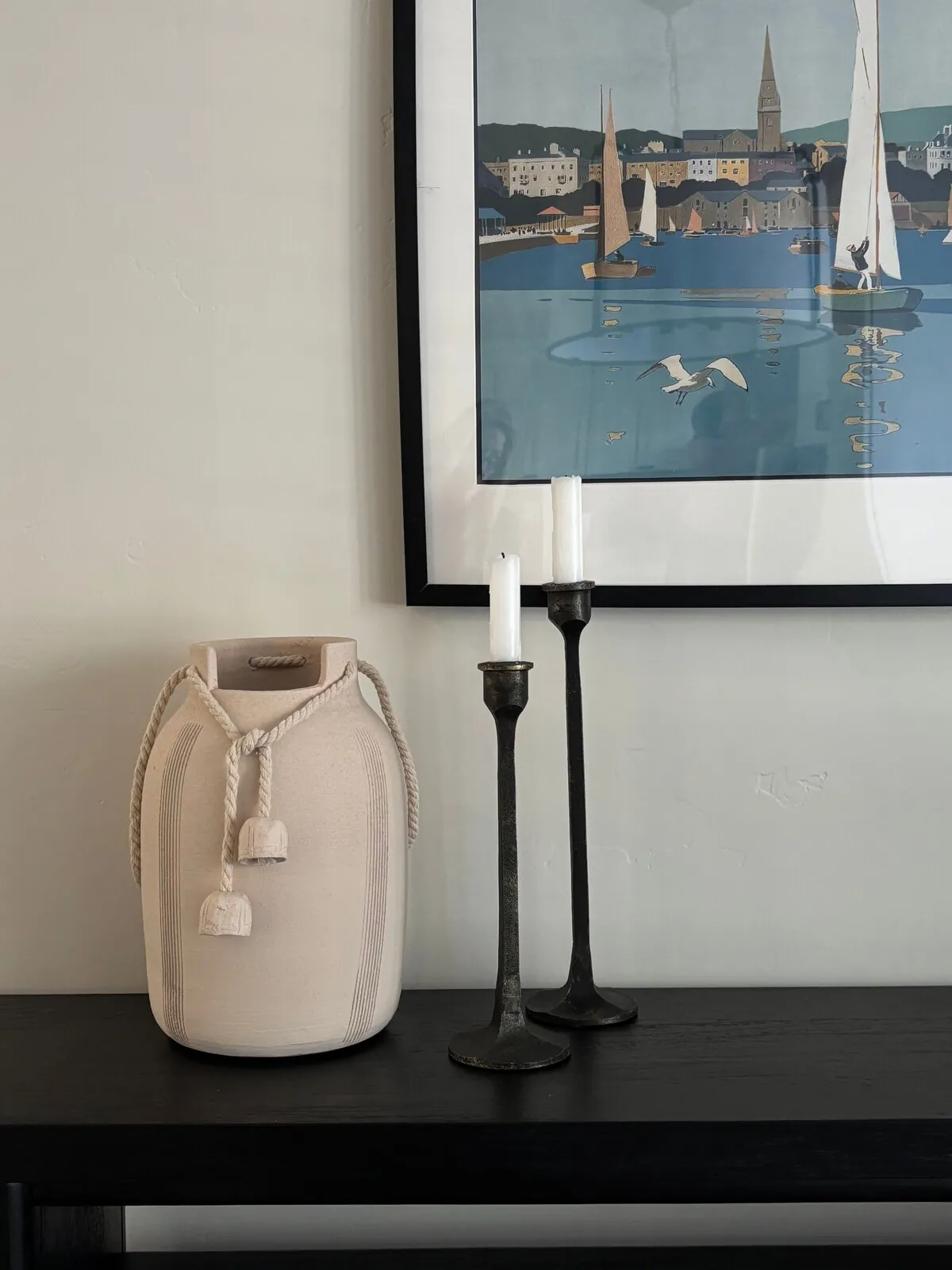
Cupertino’s design ethos stands apart from other Bay Area markets, where historic grandeur or rustic luxury often take center stage. Unlike the steep, fog-draped hills of San Francisco or the sprawling vineyard estates of Napa Valley, Cupertino’s architecture is shaped by the valley’s flat-to-gently rolling terrain and a climate that demands both durability and adaptability. The hillside lots here encourage creative solutions for outdoor access, think cantilevered decks, tiered gardens, and staircases that double as design features, while the valley’s occasional fog and cooler winters influence material choices, favoring low-maintenance yet warm finishes. The tech-driven culture of Santa Clara County also leaves its mark, not just in high-tech finishes like matte black fixtures or quartz countertops, but in the way spaces are designed to serve multiple purposes. Homes here often function as both workspaces and living areas, requiring flexible layouts that support everything from video calls to family gatherings. Even the materials tell a story: locally sourced stone and reclaimed wood ground the design in the region’s natural beauty, while sleek, durable surfaces reflect the area’s forward-thinking mindset. Ultimately, Cupertino’s design philosophy is about creating homes that feel dynamic and intentional, spaces that grow with their owners while staying true to the city’s understated, innovative spirit.
Featured Neighborhoods
Our interior design expertise spans Cupertino and the following neighborhoods: