
Decorative Christmas trees designed for mantels are a stylish way to enhance your holiday decor without overwhelming the space. The key is choosing trees that balance size, style, and materials to complement your mantel and overall room aesthetic. In 2026, the trend favors sleek, versatile designs that blend modern simplicity with traditional charm.
Built from our active project files, this guide will explore the best types of decorative trees suitable for mantels, ideal sizing, safe materials, style compatibility, color schemes, top brands, and creative arrangement ideas. As Sacramento’s design scene continues to favor warm, restrained holiday decor, understanding these elements helps homeowners craft memorable, balanced displays that elevate their seasonal ambiance while respecting their interior architecture.
Common Questions
| What are some decorative Christmas trees suitable for mantels in Sacramento? | Decorative trees for mantels in Sacramento include natural-style faux pine, burlap-wrapped branches, sleek metallic, and minimalist geometric trees, aligning with local aesthetic preferences. |
| How do I choose the right size of a decorative Christmas tree for my mantel? | For a standard 36-inch wide mantel, a tree around 12 to 18 inches tall and proportionally narrow is recommended to maintain balance and avoid clutter. |
| What materials are best for safe and authentic-looking decorative Christmas trees? | Natural textures like faux pine, burlap, and high-quality faux materials that mimic real textures are popular, with an emphasis on soft, matte finishes and subtle color accents. |
| When should I consider a custom decorative Christmas tree instead of a stock option? | Custom trees are ideal if you want tailored sizing, more realistic textures, or a unique style, though they may involve longer lead times and higher costs compared to stock options. |
First Major Design Move, Choosing the Right Tree Style
When selecting decorative Christmas trees for mantels, the first decision is style. Across our active project specifications, we see a clear shift toward minimalist and modern designs that emphasize clean lines and subtle textures. For a Sacramento home with a traditional or rustic mantel, a tree with natural materials like faux pine or burlap-wrapped branches can add warmth without clutter. Conversely, sleek, geometric trees made from metal or acrylic suit contemporary interiors, especially if paired with minimalist decor.
Brands like Bloomingdale's and Pottery Barn continue to offer high-quality faux trees that mimic real textures with convincing authenticity. Choosing trees with soft, matte finishes and subtle color accents helps avoid the dated plastic look, aligning with the 2026 trend toward warm restraint. When selecting style, consider how the tree complements your existing mantel architecture, whether that’s ornate woodwork, sleek stone, or painted drywall, and aim for a design that enhances rather than competes with your overall decor.

Material Specificity, Choosing Authentic and Safe Materials
Authenticity-grade materials
- Faux pine (high-quality, UV-resistant, for realistic texture and durability)
- Burlap-wrapped branches (natural look, eco-friendly)
- Wooden bases (sturdy, authentic feel)
- Metal frames (sleek, modern aesthetic)
- Silk foliage (soft, convincing realism)
- LED lighting (energy-efficient, safe for indoor use)
- Glass ornaments (delicate, adds sparkle)
- Natural accents (pinecones, berries for texture)
Generic-grade tells we refuse to spec
- Bright plastic (cheap look, less authentic)
- Low-grade faux greenery (poor realism, quick wear)
- Flimsy wireframes (unstable, easily deformed)
- Non-LED lights (less energy-efficient)
- Cheap painted finishes (chipping, look cheap)
- Synthetic glitter (overly shiny, dated)
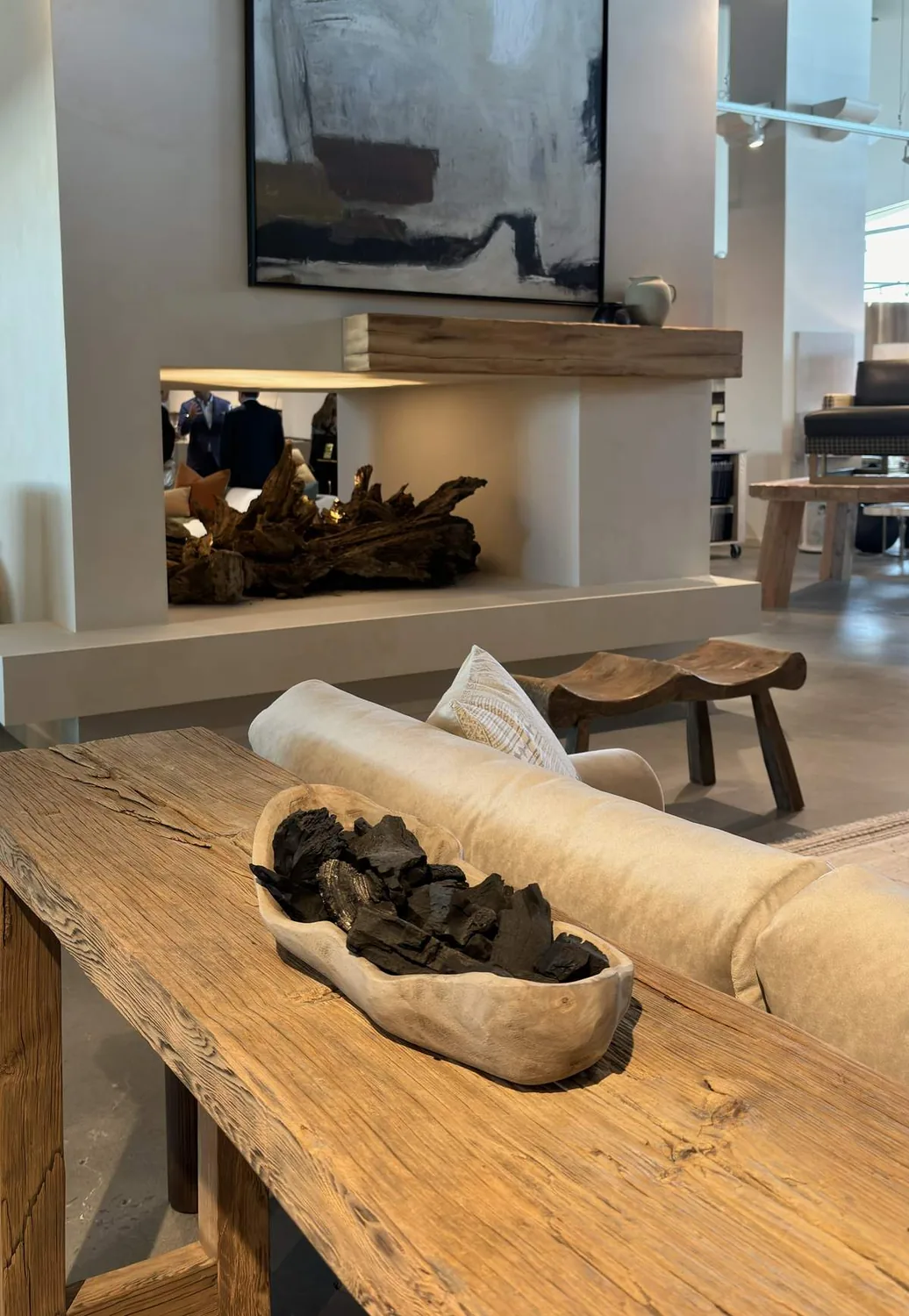
How to Select the Perfect Size and Style for Your Mantel
The homeowner’s real concern is how to choose a decorative Christmas tree that fits well on their mantel without overwhelming the space. The first question we ask is about the dimensions of the mantel and the overall room scale. A common mistake is selecting a tree that is either too tall or too wide, which makes the display feel cramped or unbalanced. For a standard 36-inch wide mantel, a tree around 12 to 18 inches tall and proportionally narrow works best.
In our projects, we emphasize layering different heights and textures to create depth and visual interest. Using a combination of small trees, greenery, and decorative accents can elevate a simple mantel into a focal point. We also consider the style, sleek modern trees pair well with minimalist mantels, while lush, traditional trees suit more classic interiors. The key is balancing size with the room’s architecture, avoiding clutter and ensuring the display enhances your holiday cheer rather than detracts from it.
Choosing Between Custom and Stock Decorative Trees
One of the most common dilemmas is whether to buy a ready-made tree or commission a custom piece. The first question we ask homeowners is about their budget, timeline, and desired aesthetic. Stock options from retailers like Wayfair or local boutiques are quick and often more affordable, but may lack the authenticity or unique charm of a handcrafted, custom tree. Custom options typically offer better materials, more realistic textures, and tailored sizing, but come with longer lead times and higher costs.
In several recent projects, we’ve seen clients opt for semi-custom trees, purchasing a high-quality faux tree and customizing it with natural accents or lighting. This approach offers a good balance of quality, personalization, and convenience. The American Society of Interior Designers emphasizes that thoughtful material choices and finish details help these trees look authentic and timeless. When planning your holiday decor, weigh the value of immediate availability versus long-term style investment to create a display that lasts beyond the season.
Avoiding Common Mistakes That Make Your Mantel Holiday Decor Look Dated
Many homeowners fall into predictable pitfalls that can cheapen or date their holiday displays. The biggest waste is overloading the mantel with overly large or brightly colored trees that compete with other decor. The biggest regret is choosing synthetic, shiny trees that look fake and detract from the room’s character. The hidden cost often lies in the need to replace cheap trees frequently, which adds up over time.
Our advice is to stick with authentic textures and neutral tones that age gracefully. Layering different textures and sizes, avoiding overly ornate or brightly colored trees, and integrating natural accents like pinecones or berries can elevate the aesthetic. A well-chosen, modest-sized tree with subtle lighting and complementary greenery creates a timeless holiday look that remains stylish year after year.
Observed Failure Modes We See in the Field
From our project debriefs and post-occupancy reviews, 2023-2026.
Overly Large or Bulky Trees
Choosing a tree that is too big for your mantel can make the space feel cramped and cluttered, detracting from the overall harmony of your room. Homeowners often assume bigger is better, but this can overwhelm the architecture and diminish the impact of other decor. The cure is to measure your mantel and select trees that are proportionate, typically no more than two-thirds the width of the mantel. Using layered greenery and smaller accents can help create a balanced, festive look without sacrificing space or style.
Cheap Faux Materials
Many pre-lit trees from lower-end brands use shiny, plastic finishes that look fake and cheapen the entire display. These materials tend to chip, fade, or flatten over time, requiring frequent replacement. To avoid this, specify high-quality faux greenery with matte finishes and realistic textures, like those offered by premium brands. Authentic-looking materials help your decor last season after season and elevate your home’s holiday style.
Clashing Color Schemes
Bright neon or overly vibrant trees conflict with more subdued, elegant mantel decor. This creates a jarring visual impact that can feel chaotic. Instead, opt for neutral or natural tones that complement your existing color palette, think whites, greens, and soft metallics. Incorporate subtle lighting and decorative accents to bring warmth and cohesion, ensuring your holiday display feels inviting and timeless.
Ignoring Scale and Proportion
Failing to consider the scale of your mantel and the size of your decor leads to awkward arrangements that look unbalanced. Small trees can get lost, while large ones dominate. Always measure your space and choose trees that fit comfortably within the proportions. Layering with greenery, candles, or garlands can help create a focal point that feels intentional and well-composed.
Over-Decorating with Ornaments
Decorative ornaments can add sparkle, but overdoing it creates visual clutter. Select a few meaningful ornaments and complement them with natural accents or string lights. This restraint ensures your mantel remains elegant and sophisticated, avoiding a cluttered holiday look that quickly feels dated.
Working Notes
What We Have Learned Doing This: Decorative Christmas Trees For Mantels
“A decision made late costs three times the same decision made early.”
Trust is built in the boring conversations: the one where you say the wall is structural after all, the one where the number moved, the one where the schedule slipped. Clients forgive reality. They do not forgive being surprised by it.
The cheapest tool on any project is a sample board and an afternoon. We have watched five-figure mistakes get caught by a fifteen-dollar paint sample lived with for a week in the actual light of the actual room. Decisions made under showroom lighting do not survive contact with a real house.
A renovation is a dependency chain, not a list of tasks. A two-day cabinet delay quietly becomes a two-week slip by week sixteen because every trade downstream is holding a calendar. The least glamorous part of this work, and the most valuable, is keeping that chain from cascading.
These notes come from our own project debriefs. Most were learned the expensive way the first time.
Sources & Professional References
This guide's positions on materials are grounded in published building-code, standards, and recognized design-authority sources, alongside Designed | Curated Interiors' verified credentials and active project files:
- American Society of Interior Designers (ASID): interior-design practice standards
- International Code Council (ICC): Chapter 8 Interior Finish Decorative Materials And Furnishings
- NKBA, Amy Kunst Member Profile (verified credential, NKBA Committee Member)
- Featured in: Homes & Gardens (design expert quote, May 2026) · Sacramento Love (guest author, 2024)
From Principle to a Real Room
A trend piece is the briefing document, not the deliverable. The pages below show how we translate these principles into finished rooms across Sacramento and the rest of Northern California.
- Sacramento & Bay Area Interior Design Services How we scope, source, and deliver work end to end.
- Interior Designer Hub, Sacramento Where most of our Sacramento work lives, the regional fit explained.
- Modern Tudor Homes: Authentic, Revival, and Neo-Tudor (A Designer Reference) Heritage-architecture renovation patterns from our project files.
- Japandi Living Room: A Designer's Guide to the 2026 Look The 2026 warm-neutral playbook applied to the living room.