Decorative items are the finishing touch that elevates your table setting from functional to beautifully inviting. The key is selecting pieces that enhance your style without overwhelming the space. In 2026, the focus is on curated, balanced decor that reflects subtle sophistication and harmony with your overall interior design. Built from our active project files, this guide will explore current trends, material choices, styling tips, and budget-friendly options for decorative table items, all rooted in a warm, restrained designer perspective that respects Sacramento’s architectural diversity and landscape influences.
Whether you prefer modern minimalism, rustic charm, or traditional elegance, understanding how to select and arrange decorative items can transform your table into a focal point that complements your room’s theme. We’ll also provide visual examples and practical styling tips tailored to different table styles and settings, helping you create cohesive and stylish tablescapes that stand out in 2026.
Direct Answers (Decorative Table Items)
What are some popular decorative table items for Sacramento homes?
Popular items include ceramics, small potted plants, textured textiles, and natural materials like wood and stone, reflecting Sacramento’s landscape and historic architecture.
How can I style decorative items to match my room's theme?
Choose decor that reflects your style, modern, rustic, traditional, or eclectic, by selecting materials, colors, and textures that complement your existing interior and regional influences.
What is the current trend in decorative table items for 2026?
The trend favors curated simplicity with understated elegance, natural materials, layered textures, and balanced arrangements that enhance rather than overwhelm the space.
Are there tips for avoiding overdecorating my table?
Yes, focus on a focal piece like a handcrafted centerpiece and add smaller accents, ensuring the arrangement feels organic and balanced without overcrowding.
Embracing the Art of Subtle Sophistication
In 2026, the most refined table settings lean toward curated simplicity. The trend is toward understated elegance achieved through a thoughtful selection of decorative items that enhance rather than compete with the overall room aesthetic. Across our active project specifications, we see a preference for natural materials like wood, stone, and ceramics paired with soft textiles and matte finishes. Brands like Heath Ceramics and West Elm continue to lead with pieces that balance form and function, adding visual interest through texture and subtle detail.
The key to successful decor is layering. For example, a textured linen runner can serve as a base, topped with a cluster of ceramic vases and small potted plants. The arrangement should feel organic and relaxed but intentionally placed. Avoid overwhelming the table with too many items. Instead, select a focal piece, such as a handcrafted centerpiece from a local artisan, and complement it with smaller accents. This approach ensures your table remains inviting and cohesive, aligning with the current trend toward warm restraint and designer-driven minimalism.
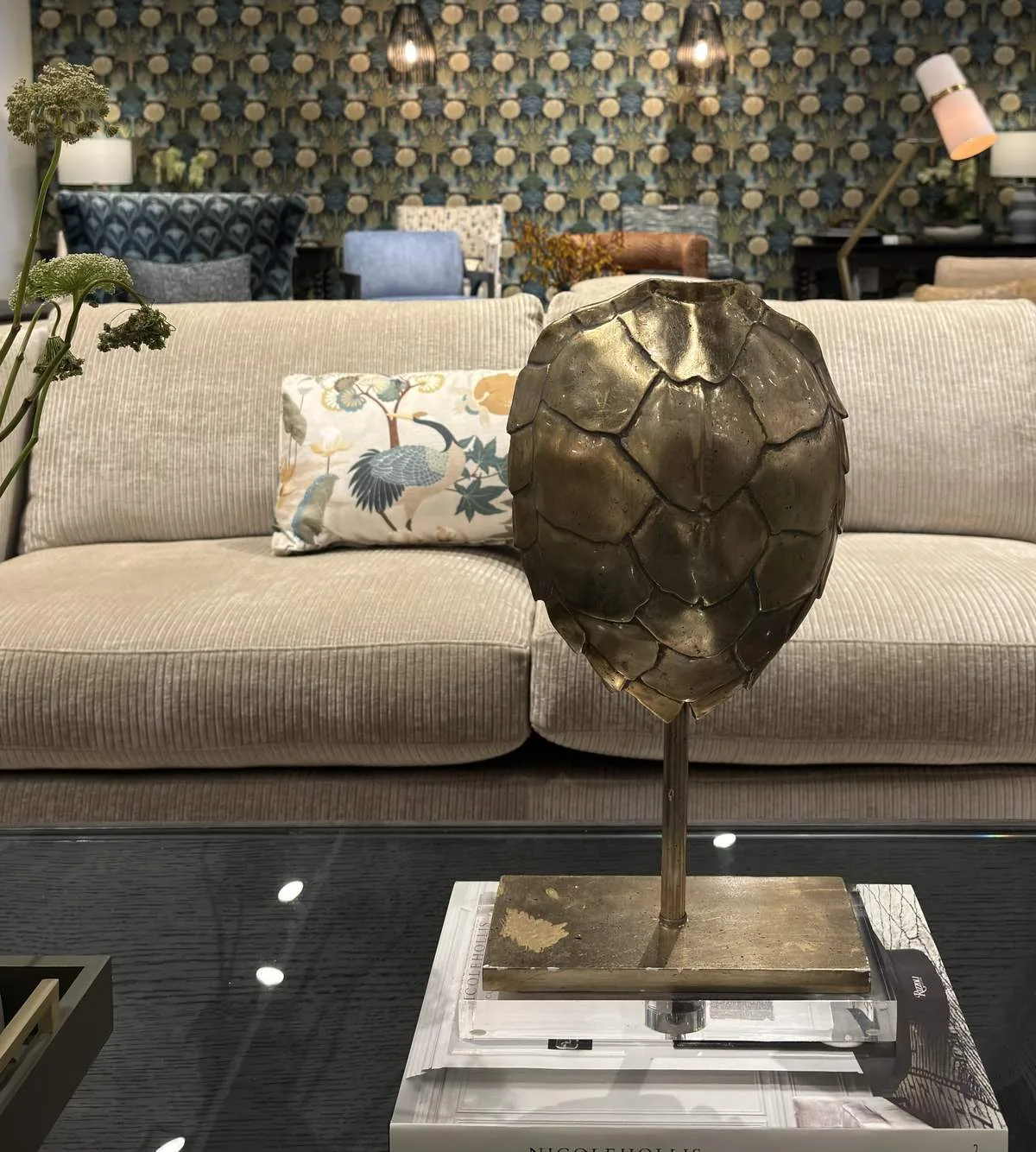
A living room with a beige corduroy sofa, decorative pillow, brass art piece on a glass coffee table, patterned wallpaper, and various chairs in the background.
Material Specificity for Timeless Elegance
Authenticity-grade materials
White oak (rift-sawn), for furniture and accents; calmer grain, less warping
Porcelain, for durable, high-quality decorative ceramics
Bronze, for warm metallic accents with patina
Linen, for textured textiles like runners and napkins
Reclaimed wood, for eco-friendly, textured bases
Marble, for elegant, cool-toned surfaces
Glass, for light-reflective accessories and containers
Ceramic, for handcrafted, tactile pieces
Generic-grade tells we refuse to spec
Plastic, inexpensive but lacks authenticity
Synthetic textiles, less tactile richness
Mass-produced metal finishes, often too shiny or uniform
Veneered wood, less durable and authentic
Low-grade ceramics, prone to chipping
Resin, cheap look and feel
Fake marble, lacks natural variation
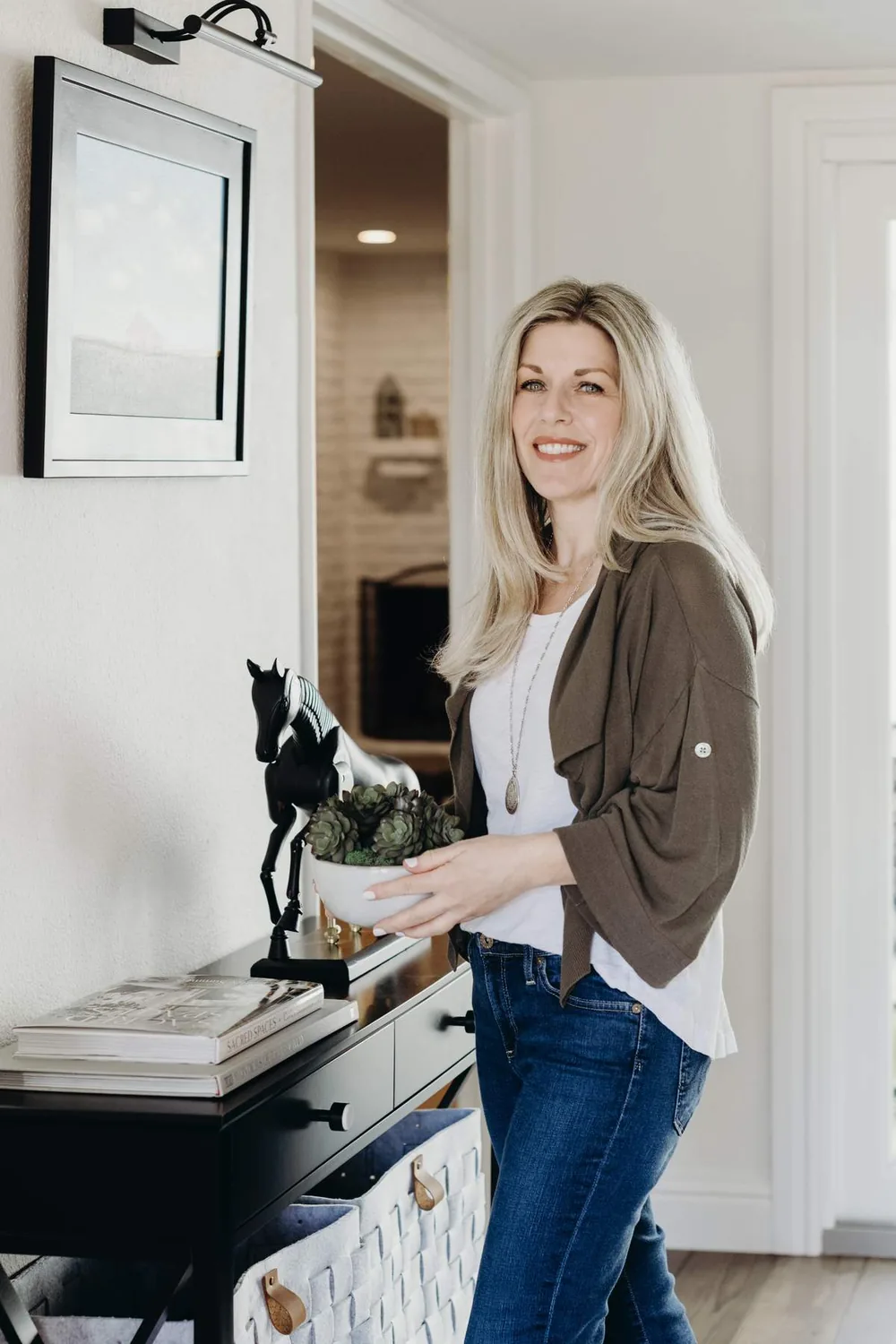
A woman standing next to a black console table with decorative items in a modern living space.
How to Choose Decorative Items That Complement Your Room's Theme
The first question we ask clients is what style they want their table to reflect, modern, rustic, traditional, or eclectic. This decision guides every other choice, from materials to arrangement. For example, a modern Sacramento home might favor sleek ceramics and matte metals, while a rustic space benefits from reclaimed wood and textured textiles.
Matching decor to your existing color scheme and room theme is vital. Use a color wheel to find complementary hues or stick to a neutral palette with accent colors. Incorporate texture through layered textiles and tactile ceramics to add depth without clutter. Visual balance is key, so place larger items like centerpieces centrally and smaller accents around them. Use a
with sample arrangements to see what works best for your space.
Budget considerations matter, too. You can achieve a polished look with affordable options like handmade ceramics from local artisans or curated finds from vintage markets. The goal is to strike a balance between style and cost, creating a cohesive look that elevates your table setting without overspending.
What Are the Best Centerpieces to Serve as Focal Points?
Centerpieces serve as the visual anchor of your table, drawing the eye and setting the tone for your gathering. The first question we ask is whether you want a statement piece or a subtle accent. For a modern look, consider a low-profile sculptural ceramic or a simple arrangement of seasonal greenery. In traditional or rustic settings, a vintage vase filled with fresh flowers or a curated collection of candles can add warmth and charm.
Popular trends in 2026 favor natural, handcrafted centerpieces that feel authentic and personal. Think locally made pottery, potted herbs, or a cluster of textured candles in matte holders. The scale is critical; a large centerpiece can dominate a small table, so measure carefully. Use a
list to compare different styles and identify what suits your space best.
Arranging the centerpiece at the table’s center with smaller accents around it creates a harmonious and inviting look. Remember, the goal is to enhance conversation and comfort, not obstruct sightlines or movement. A well-chosen focal point can elevate any table setting to a curated, designer-quality level.
How to Arrange Decorative Items for a Cohesive Look
Arranging decor on your table involves more than placing items randomly. The first question is whether your space calls for symmetry or an organic, asymmetrical feel. In contemporary Sacramento homes, asymmetry often feels more relaxed and natural, especially when paired with layered textures and varied heights.
Start with a focal piece such as a centerpiece or a large decorative jar. Then, add smaller accessories like candles, bowls, or plants, balancing their placement on either side. Use varying heights and materials to create visual interest without cluttering. For example, pair a low ceramic tray with tall candles or a potted plant.
Leave enough space around each item to avoid a crowded look. Use visual guides like a
list to plan your layout, ensuring everything feels intentional and harmonious. The goal is to create a table that feels curated yet inviting, where each piece complements the others, reflecting current trends in layered, textured decor.
Affordable Ways to Achieve Stylish Decorative Tablescapes
Creating a stylish table setting doesn't have to be expensive. The first question is how to find quality decor on a budget. Local artisan markets, vintage shops, and online platforms like Etsy offer unique, handcrafted pieces that elevate the look without a high price tag. For instance, a handmade ceramic bowl or a set of textured candles can serve as focal points.
Mixing high and low-end items is also effective. Use affordable textiles like linen runners from discount retailers paired with curated accessories from boutique shops. Seasonal updates, such as adding fresh flowers or seasonal fruits, can keep your tablescape feeling fresh and relevant.
Finally, repurposing items from other parts of your home or garden can add personal style and save money. For example, a collection of vintage glass bottles or a basket of potted herbs can serve as charming, budget-friendly decor that enhances your table’s aesthetic.
Observed Failure Modes, How Decorative Table Items Goes Wrong
From our project debriefs and post-occupancy reviews, 2023-2026.
Overdecorating the Table
Adding too many decorative items can clutter the table and detract from the overall aesthetic. It can also hinder conversation and make serving difficult. The cure is to select a few meaningful pieces and arrange them with space around each. Focus on layering textures and materials to create visual interest without overcrowding.
Ignoring Scale and Proportion
Choosing pieces that are too large or too small for your table can throw off the balance. Always measure your table and consider the size of each decorative item. A centerpiece should be low enough to allow sightlines across the table, and accessories should complement the scale of the space. Use a
to compare different sizes before purchasing.
Mismatch with Room Style
Decorative items that clash with your room’s overall style can feel out of place. For example, ornate gold accents may look awkward in a sleek modern space. Select decor that aligns with your interior’s aesthetic, whether modern, rustic, or traditional, and prioritize materials and finishes that complement existing furniture and finishes.
Neglecting Texture and Material Variety
Flat, uniform decor can look dull. Incorporate a variety of textures and materials such as ceramics, textiles, and metals to add depth. Layering different tactile elements creates a richer, more inviting tablescape that aligns with current design trends.
Failing to Consider Lighting and Surroundings
Decor items can look different under various lighting conditions. Always view your chosen decor in natural light and consider how it will look during evening gatherings. Incorporate lighting elements like candles or small lamps to enhance the ambiance and showcase your decor effectively.
What's Going Out for 2026
Overly ornate and bulky decor
Bright neon or overly shiny finishes
Synthetic, mass-produced items
Cluttered, overstuffed tables
Matching sets that lack personality
Too many seasonal decorations
Heavy use of metallics that clash with natural materials
Inconsistent style themes
What Decorative Table Items Costs in 2026
Scope
Typical range
Refresh scope with affordable decor
$500-$1500
Mid-tier curated tablescape
$1500-$4000
Estate-scale designer tablescape
$4000-$10,000
Working Notes
What We Have Learned Doing This: Decorative Table Items
“The best money spent on a renovation is spent before it starts.”
Most of the money that gets wasted is spent solving the wrong problem confidently. A homeowner asks for more space, every contractor agrees and prices an addition, and the real issue turns out to be light, or proportion, or one bad sightline. We make the room tell us the problem before anyone signs a demolition contract.
Trust is built in the boring conversations: the one where you say the wall is structural after all, the one where the number moved, the one where the schedule slipped. Clients forgive reality. They do not forgive being surprised by it.
A renovation is a dependency chain, not a list of tasks. A two-day cabinet delay quietly becomes a two-week slip by week sixteen because every trade downstream is holding a calendar. The least glamorous part of this work, and the most valuable, is keeping that chain from cascading.
These notes come from our own decorative table items project debriefs. Most were learned the expensive way the first time.
Sources & Professional References
This guide's positions on materials are grounded in published building-code, standards, and recognized design-authority sources, alongside Designed | Curated Interiors' verified credentials and active project files:
What are some popular decorative table items for Sacramento homes?
Popular items include ceramics, small potted plants, textured textiles, and natural materials like wood and stone, reflecting Sacramento’s landscape and historic architecture.
How can I style decorative items to match my room's theme?
Choose decor that reflects your style, modern, rustic, traditional, or eclectic, by selecting materials, colors, and textures that complement your existing interior and regional influences.
What is the current trend in decorative table items for 2026?
The trend favors curated simplicity with understated elegance, natural materials, layered textures, and balanced arrangements that enhance rather than overwhelm the space.
Are there tips for avoiding overdecorating my table?
Yes, focus on a focal piece like a handcrafted centerpiece and add smaller accents, ensuring the arrangement feels organic and balanced without overcrowding.
How do regional influences affect decorative table choices in Sacramento?
Sacramento’s landscape and historic architecture inspire natural, earthy materials and layered textures that create authentic, regionally inspired tablescapes.
From Decorative Table Items to a Real Room
A trend piece is the briefing document, not the deliverable. The pages below show how we translate these principles into finished rooms across Sacramento and the rest of Northern California.