Designer candles in 2026 show up in sophisticated hues and new shapes. Eco-friendly materials are taking the spotlight, too. The focus moves to luxury that's quiet and sustainable. Expect these to be big now.
From our project files, here's what you'll see in candles over the next couple of years. We’ll also look at how these trends can be integrated into various interior styles, with special attention to regional influences from Sacramento and Marin. As always, our focus remains on forward-looking insights that help you make smart, timeless design choices that avoid fleeting fads and costly mistakes.
Common Questions
| What are the main designer candle trends for 2024 to 2026? | Trends: colors pop, shapes surprise, materials get greener. |
| How do sculptural and textured candles fit into modern interior design? | Unexpected textures or layers make minimalist candle forms stand out. They work well in contemporary settings. |
| What materials are popular for designer candles in 2026? | Clay left raw, glass that doesn't gleam, resin that feels soft. These materials feel good to touch and they're easier on the planet. |
| Why is regional influence important in Sacramento’s candle trends? | Earthy tones with textured candles align with Sacramento's vibe, mixing with our local style. |
Emerging Minimalist Sculptural Shapes and Textured Surfaces
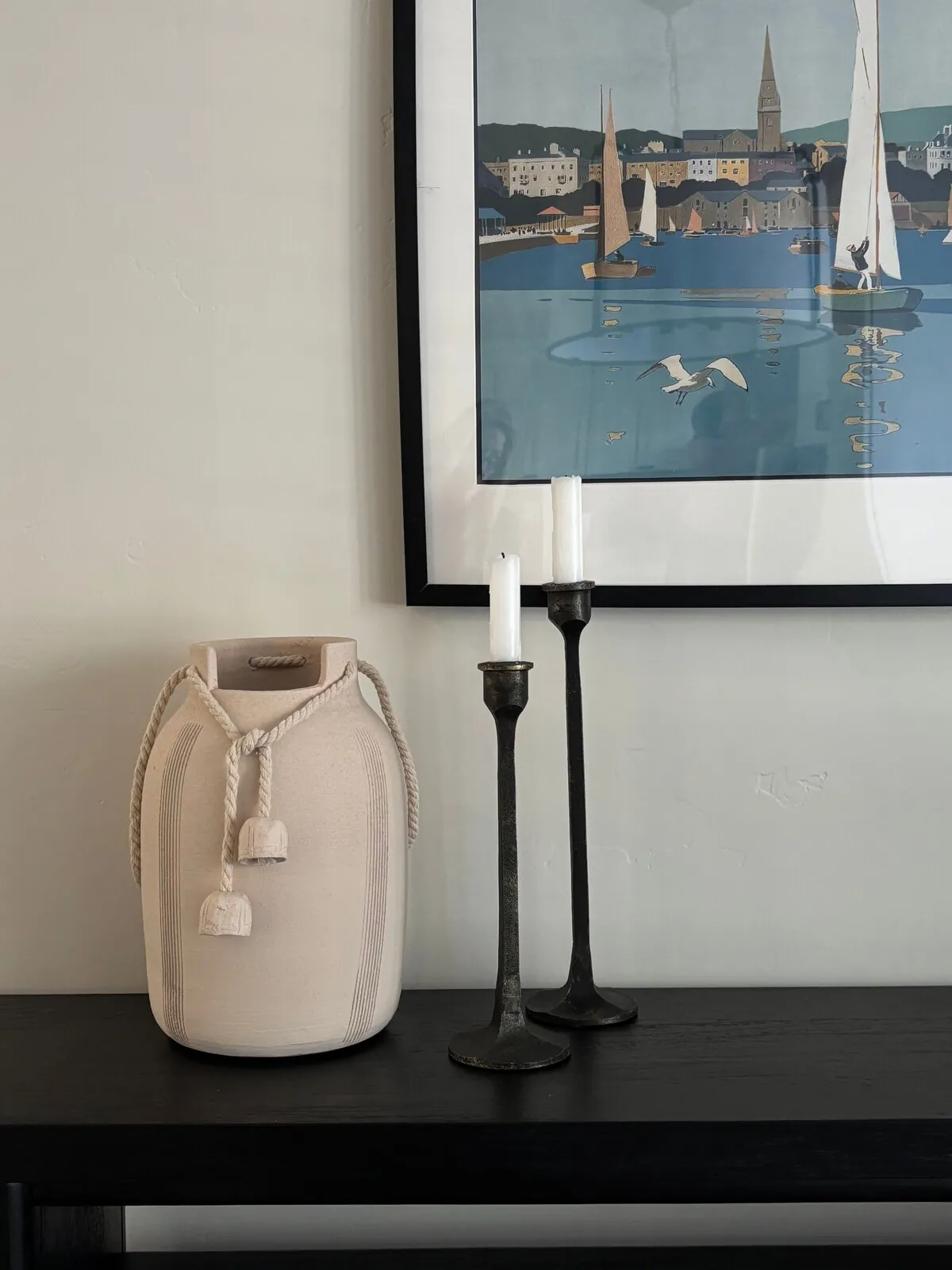
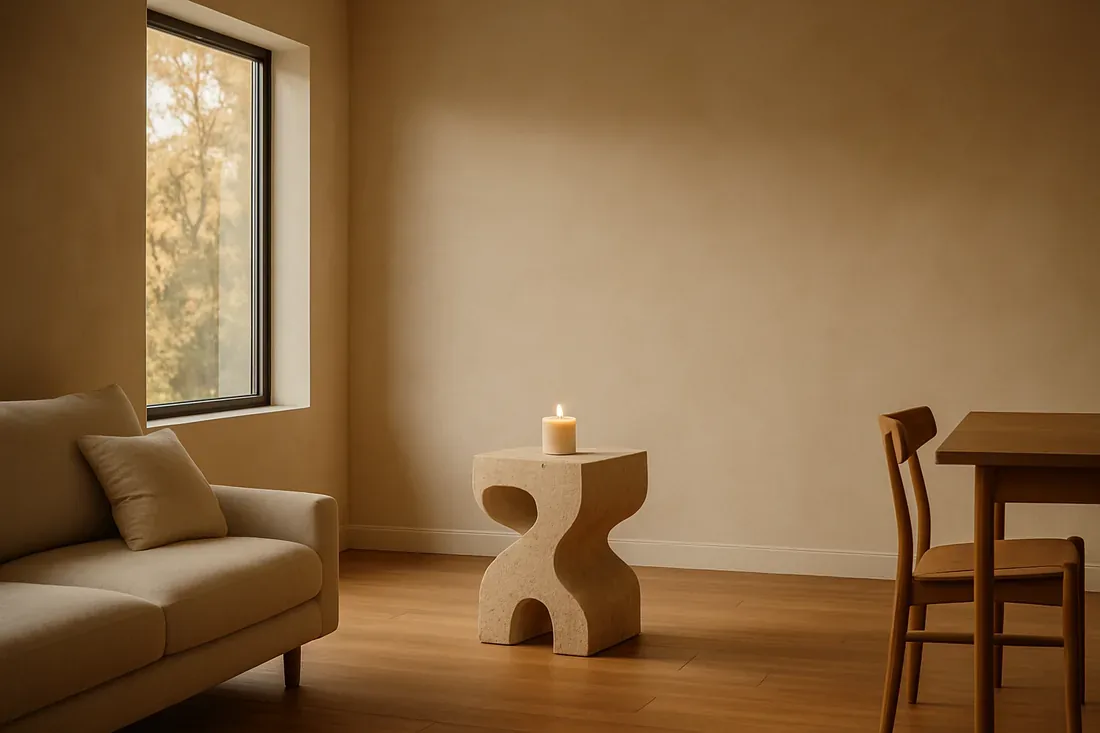
In 2026, the trend toward sculptural and textured candles is gaining momentum across our active project specifications. Lines are clean here. These candles function and decorate. MadebyHand and Elemental Scents go for matte finishes and unique textures. Depth is key. These candle shapes fit in urban lofts or transitional rooms. They add interest quietly.
We like unglazed clay and frosted glass. They add depth without fuss. You'll see muted neutrals everywhere. Deep green or charcoal pop as highlights. Ochre livens things up, too. Put designer candles on shelves or use them as art. They fit in without a fuss. Candles should not fight for attention. They should simply enrich the space.
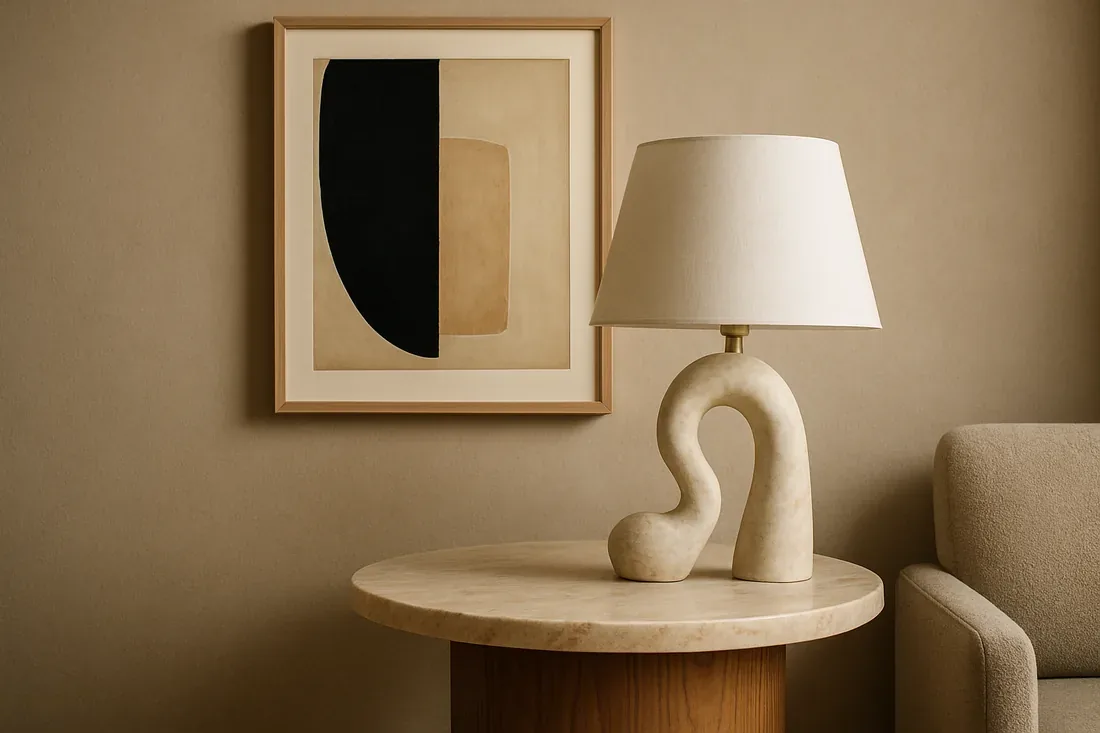
Material Specificity for 2026 Designer Candles
Authenticity-grade materials
- Frosted glass, for a soft, diffused glow and modern aesthetic
- Matte resin, durable, tactile finish with subtle color options
- Unglazed clay, for textured, handcrafted appeal
- Recycled metal, eco-friendly and sleek, perfect for sculptural shapes
- Biodegradable waxes (beeswax, soy), align with sustainability goals
- Natural fiber wicks, cotton or wood, for clean combustion
- Stone or marble bases, for weight and luxury feel
- Textured plaster, adds tactility and visual interest
Generic-grade tells we refuse to spec
- Standard paraffin wax, common but less eco-friendly
- Glossy finishes, often look cheap or dated
- Plastic or acrylic accents, not sustainable
- Mass-produced metal hardware, lacks uniqueness
- Synthetic fragrances, may cause sensitivities
- Overly bright or neon colors, clash with refined interiors
- Thin, flimsy wicks, burn unevenly
- Non-biodegradable packaging, increases waste
How to Choose the Right Designer Candle Style for Your Interior
When selecting designer candles for your space, the primary decision revolves around style coherence and ambiance. What mood are you after? That's my question to them. Are they seeking a calming, understated glow or a statement piece that draws attention? Across our active project specifications, blending form and function is key. I once used matte resin candles with geometric facets in a living room. They added depth.
Think about candle sizes next to your furniture. It matters. Big sculptural candles? Perfect on a mantel. Smaller ones fit side tables. Choosing materials changes how long they last. People want eco-friendly stuff. The American Society of Interior Designers emphasizes that well-chosen decor elements should enhance the space’s harmony, something that carefully curated candles achieve effortlessly when their style resonates with the overall interior theme.
Sizing and Placement Guidelines for 2026 Designer Candles
The key to integrating designer candles effectively is understanding their optimal size and placement. Candles from four to eight inches fit living rooms. Some sculptural pieces span two to four inches. Got space? Try 12-inch candles on mantels. Avoid overpowering with candles. Match their size to a 36- or 48-inch range hood in the kitchen. The American Institute of Architects' advice on scaling helps figure this out.
Keep candle placement safe, areas tidy. Vary heights, textures with candles for interest. In Sacramento homes, candles help define big open areas or tall ceilings. Group three candles, each a different height, for a balanced setup. Check fire safety rules.
Custom vs. Stock Designer Candles: Making the Right Choice
Deciding between custom-made or stock candles hinges on budget, timeline, and desired uniqueness. Use custom candles for shapes, scents that match your vibe. Expect longer waits, higher costs for custom candles, but they're crafted uniquely. Wayfair or Etsy offer stock candles, ready and cheaper, yet lack custom detail.
In Sacramento, we balance design goals with budgets. Custom candles work for standout pieces. Texture or form make them shine in a curated space. Stock candles fit into layered lighting. They create a chill atmosphere. The American Society of Interior Designers highlights that thoughtful selection, whether custom or stock, should prioritize sustainability, safety, and aesthetic harmony, ensuring your investment adds lasting value.
Will Designer Candle Trends in 2024-2026 Age Gracefully or Feel Dated?
Picking candles, you think about style. Will it last or fade fast? First question: is the design timeless? Simple forms and natural textures? Or does it chase trends like neon or ornate styles? In 2026, we're going for understated looks. They support styles, not take over.
Sculptural candles with natural textures age well. They fit modern and transitional spaces. The American Society of Interior Designers emphasizes that investment pieces should balance current trends with classic appeal, ensuring they remain relevant for years. In Sacramento’s homes where historical architecture blends with contemporary updates, choosing versatile candle styles can help maintain visual harmony and avoid costly refreshes.
Observed Failure Modes We See in the Field
From our project debriefs and post-occupancy reviews, 2023-2026.
Overly Ornate or Trend-Heavy Designs
Many homeowners fall into the trap of selecting candles that are overly ornate or follow fleeting trends, which can make the space feel dated quickly. Leave out the heavy trimmings. They clash easily. Bright hues can jar. You end up with a mismatch. Replacing or redesigning costs. Stick with classic shapes. 2026 will see matte finishes and neutral tones.
Ignoring Scale and Proportion
Choosing candles that are too large or too small for their intended space can disrupt the visual harmony and diminish their impact. A massive candle crowds the mantel. Tiny ones disappear among decor. This happens when you don't check scale against the surroundings. Measure carefully. Use proportion guidelines. Let candles enhance, not compete. Spaces here in Sacramento need careful scaling.
Costly Material Choices That Lack Sustainability
Opting for cheap, synthetic materials or non-biodegradable packaging may seem economical initially but can lead to dissatisfaction and environmental guilt. Bad choices compromise safety. Think burn time and scent. In 2026, sustainability means biodegradable wax and natural wicks are key. This choice fits regional values and ensures durability. Fits with eco-thinking.
Neglecting Fragrance Layering and Complexity
Many homeowners overlook the importance of fragrance layering, which can result in candles that either overpower or fall flat in ambiance. One scent can get dull. Let's mix it up. Layered fragrances keep things interesting. They add dimension without dominating. By 2026, multi-note aromas will scream luxury. Thoughtful fragrance selection, combined with complementary decor, creates an environment that feels both curated and inviting.
What's Going Out for 2026
- Bright, neon-colored candles
- Overly ornate and heavy designs
- Plastic-based finishes or accents
- Synthetic, overpowering fragrances
- Mass-produced, generic shapes
- Non-sustainable materials
- Cluttered candle displays
- Overly complex or busy textures
- Cheap-looking metallic finishes
- Unproportionate large candles for small spaces
What This Costs in 2026
| Scope | Typical range |
|---|---|
| Refresh scope | $2K-$5K |
| Mid-tier scope | $5K-$12K |
| Estate-scale | $12K-$35K |
Working Notes
What We Have Learned Doing This: Designer Candle Trends 2024 to 2026: What Sacramento Interior Designers Are Specifying Now in Scent, Form, Color, and Holder Design
“If a color is named in three magazines this year, it will date faster than its lifespan. Choose colors that have looked tasteful for twenty years.”
Undertone is the whole game. Light changes everything. That calm color swatch can turn garish with your flooring and afternoon sun. Full-size samples first.
Every house stretches the truth, new or old. Plans lie, even in newer homes. Old drawings and past contractor work? We've learned not to trust. The budget needs a real line for what demolition will uncover, usually 15 to 20 percent once walls start opening.
A renovation is a dependency chain, not a list of tasks. A two-day cabinet delay quietly becomes a two-week slip by week sixteen because every trade downstream is holding a calendar. Preventing domino effects isn't flashy but necessary.
Trust grows in dull chats. Telling them the wall stays because it’s structural. Breaking news when the budget shifts. Explaining why timelines change. Clients forgive reality. They do not forgive being surprised by it.
These notes come from our own project debriefs. Most were learned the expensive way the first time.
Sources & Professional References
This guide's positions on materials are grounded in published building-code, standards, and recognized design-authority sources, alongside Designed | Curated Interiors' verified credentials and active project files:
- American Society of Interior Designers (ASID): interior-design practice standards
- International Code Council (ICC): Chapter 8 Interior Finish Decorative Materials And Furnishings
- NKBA, Amy Kunst Member Profile (verified credential, NKBA Committee Member)
- Featured in: Homes & Gardens (design expert quote, May 2026) · Sacramento Love (guest author, 2024)
From Principle to a Real Room
A trend piece is the briefing document, not the deliverable. The pages below show how we translate these principles into finished rooms across Sacramento and the rest of Northern California.
- Sacramento & Bay Area Interior Design Services How we scope, source, and deliver work end to end.
- Interior Designer Hub, Sacramento Where most of our Sacramento work lives, the regional fit explained.
- Luxury Candle Design Trends 2024 In 2024, the strongest luxury candle trend is not decorative novelty but performance discipline. The candle has to work as an object, a comb