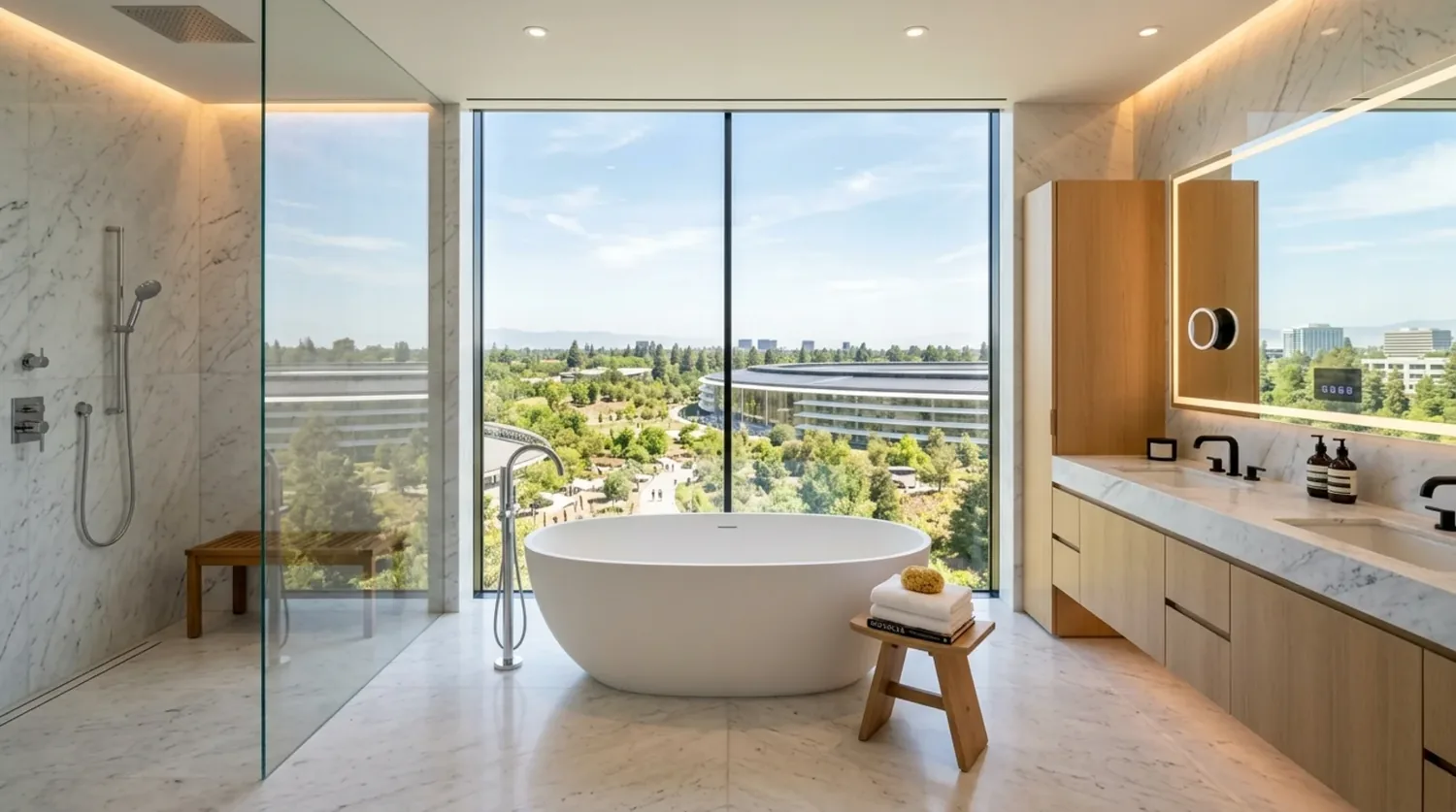
Proportion is usually what makes the difference. Two rooms can use completely different pieces and still feel related if the scale of the furniture and openings is right. Aged oak underfoot helps. Add limewash on the walls and one older timber piece, then give the room a chair that doesn't look brand new.
Start with the house. From there, I'd pull in the European details that suit its light and architecture rather than forcing a regional look onto the room. A new Sacramento house needs the same restraint. An older Northern California house simply gives you more architectural material to work with. French rooms can tolerate more ornament than Scandinavian ones. Italian interiors often put more emphasis on shape, while Belgian rooms tend to keep the palette quieter.This guide is built from our active project files, with a warm-restraint designer perspective rather than a catalog of European-looking products. I’d start with the regional style, then look hard at the architecture and the pieces that need real money behind them. That order keeps the room from becoming a pile of expensive references. I will also show how to bring those ideas into a Sacramento or Northern California home without pretending it is a centuries-old house in Europe.
Direct Answers (European Interior Design)
| What is European interior design? | European interior design is not one look. |
| How do I bring European interior design into a Sacramento home? | Look at the house first. A low ceiling calls for a different approach than a tall room, and a south-facing window won't read like one facing north. |
| Which materials work well for European interior design? | Start with materials that have some variation under your hand. Rift-sawn white oak, honed marble, warm plaster, linen upholstery, or a heavy woven fabric all give the room something to look at without adding shine. |
| Which European interior design style works best for my home? | The home's architecture should guide the choice. |
Start With Sacramento's Real Floor Plan, Not the Accessories
Start with the house itself. Plaster walls, substantial millwork, deep window trim, aged oak, stone thresholds, arches, tall windows, and original doors carry more European character than a room full of antique-looking objects. For a newer house, I’d rather put the money into a well-proportioned oak floor and a limewashed wall, then add one vintage piece with some weight to it. Too many European references start fighting each other. Our active specifications usually call for surfaces you can feel. Wood and plaster do a lot of that work, with stone where it needs to take wear. Quarter-sawn white oak keeps the grain quiet. I like that restraint on cabinet doors and floors where a busier pattern would take over. Walnut has more visual weight. Against warm plaster, that darker wood can keep a room from feeling washed out. Skip the polish if you're after a softer look. Honed marble has a quieter surface and starts to feel better with a little wear. Linen can look slightly rumpled in a good way. Wool and cotton velvet give upholstery more body, while a substantial woven fabric keeps the chair from looking straight out of a showroom. Brands matter less than construction and finish, but I pay close attention to cabinet hardware from Armac Martin, lighting from Visual Comfort, and plumbing or bath fittings from Waterworks when the specification calls for that level of detailing.Northern California light changes the calculation. Test the plaster color at noon. Sacramento's summer sun can push a warm sample much brighter than it looked that morning, so I want to see it on the wall before we commit. Very dark European palettes can get heavy here. Sacramento light is different, and I’d rather adjust the depth of the color than copy a room from a darker climate. Charcoal can feel cocooning in a dimmer northern room. In Sacramento, that same wall can look much heavier once the afternoon sun starts pouring through south- and west-facing windows.
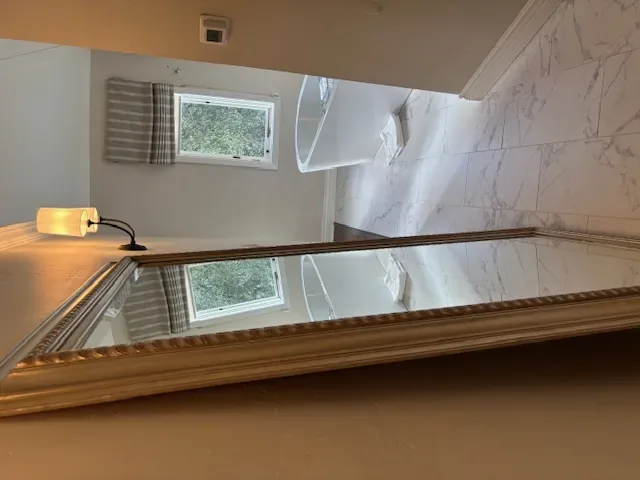
Choose Materials That Age Instead of Pretending to Age
Authenticity-grade materials
- White oak, rift-sawn, for floors, cabinetry, or slat detail because the restrained grain reads quietly and does not overwhelm older furniture.
- Walnut, for casegoods and selective millwork because its deeper tone gives a room weight without requiring dark wall color.
- Honed marble, for fireplace surrounds, consoles, or selected counters because the softer surface catches light without the showroom gloss of polished stone.
- Lime plaster, for walls where a softly varied surface is appropriate because the hand-worked texture changes subtly with daylight.
- Linen, for drapery and upholstery because its irregular weave keeps tailored furniture from feeling too formal.
- Wool, for rugs and upholstery because the fiber has visual depth and handles a restrained palette without looking flat.
- Solid brass, unlacquered or aged, for selected hardware because the surface develops a patina instead of staying visually frozen.
- Wrought iron, for restrained lighting and furniture details because the dark hand-worked surface gives Mediterranean and French references some visual structure.
- Terracotta, for floors or small architectural moments because its mineral variation works naturally with plaster, oak, and warm daylight.
- Natural stone, for thresholds, fireplaces, and selected architectural surfaces because variation in veining and edge detail makes the material feel connected to the building.
Generic-grade tells we refuse to spec
- Factory-distressed wood that repeats the same artificial marks on every board.
- High-gloss faux marble printed to imitate dramatic veining.
- Plastic-looking brass hardware with an intentionally aged coating.
- Thin polyester linen-look fabric used on major upholstered pieces.
- Perfectly uniform faux limewash with no tonal variation.
- Oversized reclaimed beams added where the architecture never supported them.
- Matching antique-style furniture sets purchased as a package.
- Decorative stone veneer used as a substitute for meaningful architectural stone.
Designer Decision Matrix: Which European Interior Design Approach Fits Your Home
How we actually decide: match your situation to what we would specify, and the reasoning behind it.
| Your Goal | Best Solution | Why We Recommend It |
|---|---|---|
| Lowest-cost European influence | Change lighting, textiles, hardware, and one substantial vintage or antique piece before changing cabinetry. | Swap art, keep cash. Leave drywall alone. |
| New Sacramento tract home | Use quiet plaster or mineral paint, natural oak, traditional-scale lighting, and one or two aged pieces instead of adding fake beams or arches. | East Sacramento builds take molding; El Dorado Hills tract builds fake it. Don't fake it. |
| Older home with good millwork | Keep original doors, trim, proportions, and substantial woodwork, then modernize furniture and lighting around them. | You can't buy 1926 board width at Home Depot. Buy a good sofa instead. |
| Small room | Use one pale mineral wall treatment, a properly scaled upholstered chair, and a medium-tone oak or walnut accent instead of filling the room with antiques. | Drop two chairs. Put raw oak there. |
| Contemporary European look | Combine sculptural Italian-style furniture with quiet plaster, stone, and restrained cabinetry. | Boxy sofa meets raw travertine. Stop overthinking the corners. |
| Authentic old-world character | Spend first on architectural surfaces and construction-quality millwork, then layer in vintage furniture. | Baseboards, jambs, floor grain first. Lamps come later. |
| Rental or no permanent changes | Use linen drapery, plug-in or hardwired-style lamps where allowed, vintage casegoods, rugs, and replaceable hardware. | Take the credenza with you when escrow closes. |
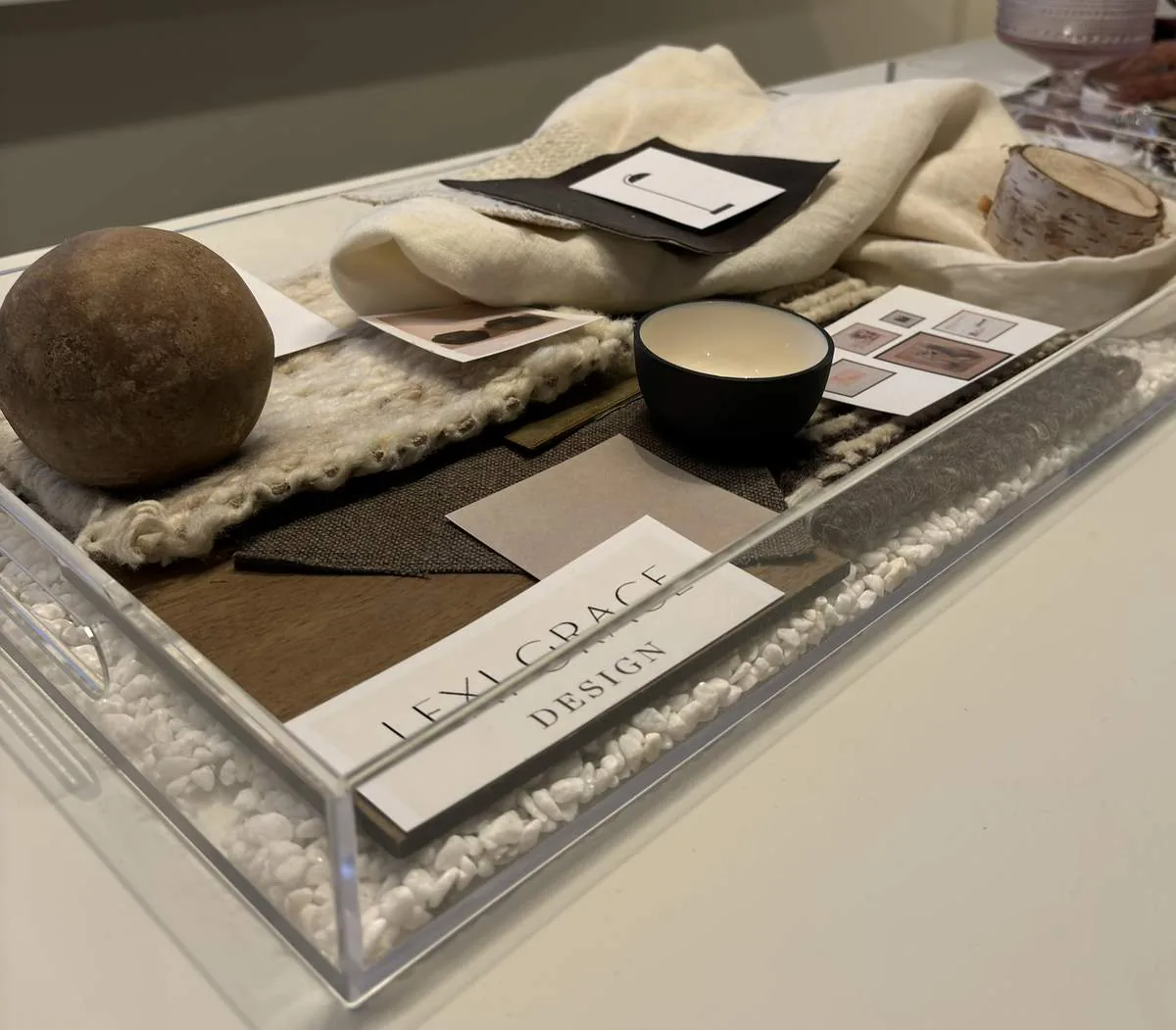
What Does European Interior Design Actually Mean?
The real question is not, “How do I make my house look European?” It is, “Which European design principles fit the architecture I already have?” The first question we ask is what the house is giving us. Measure the sash depth before buying Parisian sconces for a 2004 roofline.
Wrong trim makes French oak look like a flip special. tall 9-foot ceilings take the paneling. 8-foot ceilings choke on it. Brushed wire oak flooring does heavy lifting. Add linen curtains and shut up. Roman walnut leg, honed Carrara top. Heavy beats clever.
The National Kitchen and Bath Association's general emphasis on function and planning is useful here: the room still has to work before it looks collected. In a Sacramento home, I would rather have a properly scaled dining table, comfortable upholstery, and good circulation than force a European reference that makes the room difficult to use.
Which Architectural Features Are Worth Paying For?
With a tight budget, I’d put the money into the parts you can’t easily fake later. Door height and flooring are two places I’d start. Deep window trim changes the scale of a room. So do properly sized doors and good millwork. I’d take natural flooring or a real plaster finish over a decorative arch added just for the look. Good architectural details stay put when the sofa gets replaced.Look closely at the window size. A dark room cannot be made genuinely bright by choosing a lighter paint alone, as the project-file story illustrates. In Northern California, orientation and the intensity of summer daylight can make the same wall color behave very differently from one room to another. More glazing can make a major difference if the room and structure can support it. That decision may matter more than a new finish coat.
Permits are a separate question from taste, so I check the local requirements before treating a structural change as a design choice. Sacramento's Building Division provides the local permit framework at Sacramento Building Division permit services. That matters when a European reference leads someone toward new windows, altered openings, structural walls, or other work that moves beyond decoration.
How Do You Mix European Old and New Without Creating a Period Room?
Use contrast deliberately. An antique walnut cabinet can sit beside a modern sofa. A traditional plaster wall can support a very simple dining table. A vintage French chair can work with contemporary lighting. I don’t try to make the room look like one period. One older oak cabinet or stone table is often enough. Leave the wall blank.
Looks like Epcot if you buy the whole catalog. If one substantial antique sits against quieter contemporary pieces, the age difference becomes part of the composition. This is especially useful in newer Northern California houses, where trying to fake centuries of architecture usually looks more forced than simply accepting the home's age.
The American Society of Interior Designers emphasizes the relationship between design, function, and the people using the space. That is a useful check on European styling. Keep the sofa comfortable. Make the dining table usable. Put the lamp where someone can actually read. Character should come from the materials and proportions, not from making everyday life harder.
Where Should You Spend and Where Can You Save?
Put the budget into work that's hard to redo. Flooring and millwork are obvious examples. Windows belong in that category when they actually need replacement, as does stone once it's being fabricated into a permanent surface. Buy fewer movable pieces and spend more carefully on the parts that stay. A side table can move next year; a poorly proportioned mantel can't. One heavy Belgian linen frame beats three Wayfair velvet boxes.| Investment | Why it matters | Where to save |
|---|---|---|
| Architectural millwork | It sets the scale of the room and stays useful when furniture changes. | Keep the construction solid and simplify the decorative details. |
| Natural stone | Variation in real stone keeps a permanent surface from looking flat. | Use it on the surface that matters most instead of wrapping the whole room in it. |
| Upholstery | Fabric and construction show up every day in comfort. | Choose one or two strong pieces instead of filling the room. |
| Lighting | Good placement changes how wood, plaster, and fabric look after dark. | Fewer fixtures can work if the locations are right. |
Harvard's Joint Center for Housing Studies tracks the larger remodeling economy, but the homeowner's decision is pretty simple: spend first on work that stays useful and is expensive to redo. A decorative purchase can wait.
The Mistakes That Make European Design Look Cheap
Biggest Waste: Paying to manufacture decorative history. Fake beams, faux-distressed cabinets, and unnecessary decorative plaster can consume a surprising portion of a budget without improving the room's proportion or function.
Biggest Regret: Buying an entire “European” furniture set at once. A room needs variation in age, scale, and silhouette. A room starts looking like a showroom when every piece matches. I’d rather mix the finishes and let one older object carry some of the history.
Hidden Cost: Delicate materials can be a bad match for everyday California use. An unsealed limestone floor is a very different proposition from a durable finished surface. In a room that opens straight onto a patio, dirt, water, and bare feet can turn a pretty material into a maintenance job quickly. The better choice is not always the toughest material. It is the material whose aging pattern the homeowner is willing to live with.
Observed Failure Modes, How European Interior Design Goes Wrong
From our project debriefs and post-occupancy reviews, 2023-2026.
Treating Europe as One Style
The symptom is a room containing French chairs, Scandinavian oak, Mediterranean tile, English florals, and Italian marble with no hierarchy. The cure is to choose one primary regional language and borrow one secondary influence. A Belgian room can take an Italian lamp. A French room can use Scandinavian simplicity. The distinction is whether the borrowed piece supports the room's proportion and material palette. European design becomes expensive-looking when the references are edited, not when there are more of them.
Buying Patina Instead of Earning It
Artificially distressed furniture often has too much visual noise in exactly the wrong places. Real wood wears at edges, handles, seating surfaces, and places where hands repeatedly touch it. A factory can reproduce scratches, but it cannot reproduce the irregular history of a useful object. Skip the fake patina. If an antique isn't in the budget, I'd rather use a well-made contemporary piece with a natural finish than a new table made to look 150 years old.
Ignoring the House's Proportion
A European chandelier can look ridiculous under a low ceiling. Keep the trim in mind. Tall drapery can make a small window feel pinched when the casing is shallow. A huge stone fireplace is a lot for a modest Sacramento room. The surround can eat up the wall before the furniture even gets in. Measure first. Check the main sightline from the doorway, then size the sofa, casework, and trim to the actual room rather than forcing in pieces meant for a larger volume. Proportion does most of the work in European interiors. Get that wrong and the room feels off, even with beautiful materials.
Making Everything Beige
Warm neutrals are useful, but a European room rarely depends on beige alone. Wood grain, stone variation, linen texture, metal patina, shadow, and a controlled darker note provide the depth. In Sacramento's bright climate, a room made entirely from pale warm finishes can become washed out during the day. Sometimes one walnut cabinet does it. A darker iron fixture can give the room a visual stop, especially against a pale wall.
Forcing Historic Details Into New Builds
Adding fake arches, oversized corbels, or decorative beams to a house that never had them usually makes the architecture less convincing. A new house can take this direction without looking fake. I’d put the money into good proportions, real plaster, stone where it makes sense, and window treatments that have some weight. It doesn't need to fake an 1840 pedigree. Let the new parts look new. It needs a coherent material language.
Spending on Decor Before Light
A homeowner can spend heavily on linen, antiques, rugs, and stone and still dislike the room if the lighting is wrong. A west-facing room is going to treat materials differently at 4 p.m. than a north-facing room does at noon. I check the light before deciding on fixture placement, paint color, or a stone finish. Test paint and fabric in daylight and at night before ordering large quantities. A beautiful European palette under one overhead fixture is still one overhead fixture.
What's Going Out for 2026
- Faux-aged furniture sold as instant European character
- One-size-fits-all beige European palettes
- Overly distressed reclaimed-looking wood
- Fake architectural arches in unrelated houses
- Matching furniture collections from one period
- Glossy stone used on every surface
- Decorative beams with no structural or proportional reason
- Tiny accent furniture scattered throughout large rooms
- Single-source lighting in layered living spaces
- European labels used as a substitute for material quality
What European Interior Design Costs in 2026
| Scope | Typical range |
|---|---|
| Refresh scope: paint or mineral wall finish, lighting, textiles, hardware, styling, and selected vintage pieces | $20K-$55K |
| Mid-tier scope: one or two rooms with flooring or millwork, custom window treatments, quality upholstery, stone, lighting, and selected antiques | $75K-$200K |
| Estate-scale: multiple rooms with architectural millwork, premium stone, custom cabinetry, extensive lighting, flooring, windows, and custom furnishings | $250K-$650K+ |
Working Notes
What We Have Learned Doing This: european interior design
“The drawings are a promise. Demolition is the truth.”
These notes come from our own european interior design project debriefs. Most were learned the expensive way the first time.
Sources & Professional References
This guide's positions on materials are grounded in published building-code, standards, and recognized design-authority sources, alongside Designed | Curated Interiors' verified credentials and active project files:
- American Society of Interior Designers (ASID): interior-design practice standards
- International Code Council (ICC): Chapter 8 Interior Finish Decorative Materials And Furnishings
- NKBA, Amy Kunst Member Profile (verified credential, NKBA Committee Member)
- Featured in: Good Housekeeping (storage and space-planning expert quotes, July 2026) · Homes & Gardens (design expert quote, May 2026) · Sacramento Love (guest author, 2024)
Frequently Asked
What is European interior design?
How do I bring European interior design into a Sacramento home?
Which materials work well for European interior design?
Which European interior design style works best for my home?
Why should Sacramento homeowners test European-inspired paint colors before committing?
From European Interior Design to a Real Room
A trend piece is the briefing document, not the deliverable. The pages below show how we translate these principles into finished rooms across Sacramento and the rest of Northern California.
- Sacramento & Bay Area Interior Design Services How we scope, source, and deliver work end to end.
- Interior Designer Hub, Sacramento Where most of our Sacramento work lives, the regional fit explained.
- Modern Tudor Homes Heritage-architecture renovation patterns from our project files.