Sacramento + Marin Interior Designer · Amy Kunst, NKBA 📞 916-756-5977 Get Free Quote

Fair Oaks Contemporary Protecting Built-In Refrigeration In Kitchens - Interior Designer

A man is removing blue subway tiles from a kitchen
A man is removing blue subway tiles from a kitchen backsplash during a renovation.

In Fair Oaks, hiring an interior designer can help you incorporate contemporary kitchen design while safeguarding built-in refrigeration units. The key is balancing sleek modern aesthetics with functional, accessible, and protected appliance integration. Contemporary design does not mean sacrificing the practicality or longevity of your refrigeration systems.

Built from our active project files, this post explores how local designers approach this challenge, including the best practices for protecting built-in refrigeration in modern kitchens, the materials and techniques used, and how to achieve a seamless aesthetic without compromising function. We’ll also highlight specific project examples from Fair Oaks, discuss ventilation and accessibility solutions, and review the costs involved in hiring a regional expert for a contemporary kitchen update in 2026.

Direct Answers (Fair Oaks Contemporary Protecting Built In Refrigeration In Kitchens Interior Designer)

How can interior designers in Fair Oaks protect built-in refrigeration in contemporary kitchens?They incorporate dedicated venting panels, proper clearance, and moisture-resistant materials like phenolic panels or laminated MDF to safeguard the appliances.
What design techniques are used to seamlessly integrate built-in refrigeration in modern kitchens in Fair Oaks?Designers use custom panel-ready units, handleless hardware, and matching cabinetry materials to create a sleek, unified look.
Are there regional considerations for protecting built-in refrigeration in Fair Oaks kitchens?Yes, the region's humidity and temperature fluctuations influence material choices, favoring durable, moisture-resistant finishes like phenolic panels.
What are common challenges when incorporating built-in refrigeration into contemporary Fair Oaks kitchens?Balancing sleek aesthetics with ventilation and accessibility, while avoiding costly structural changes, is a primary challenge.

Fair Oaks Contemporary Protecting Built In Refrigeration In Kitchens Interior Designer 2026 at a Glance

ElementInOut
Design StyleMinimalist cabinetry with concealed refrigerationOverly ornate cabinetry
Cabinet FinishSleek integrated panelsExposed refrigeration units
Appliance IntegrationClean, handleless finishesCluttered layouts
VentilationSmart ventilation solutionsPoor ventilation systems
Material ChoiceUse of durable, modern materialsFragile or high-maintenance materials
Layout FocusFocus on accessibility and ease of maintenanceObstructed access to appliances
AccessibilityBalanced proportions and open layoutsHeavy decorative trims
SustainabilityEmphasis on thoughtful appliance placementInefficient lighting
Maintenance EaseSustainable design featuresCompromised functionality

Prioritizing Seamless Integration of Refrigeration in Contemporary Kitchens

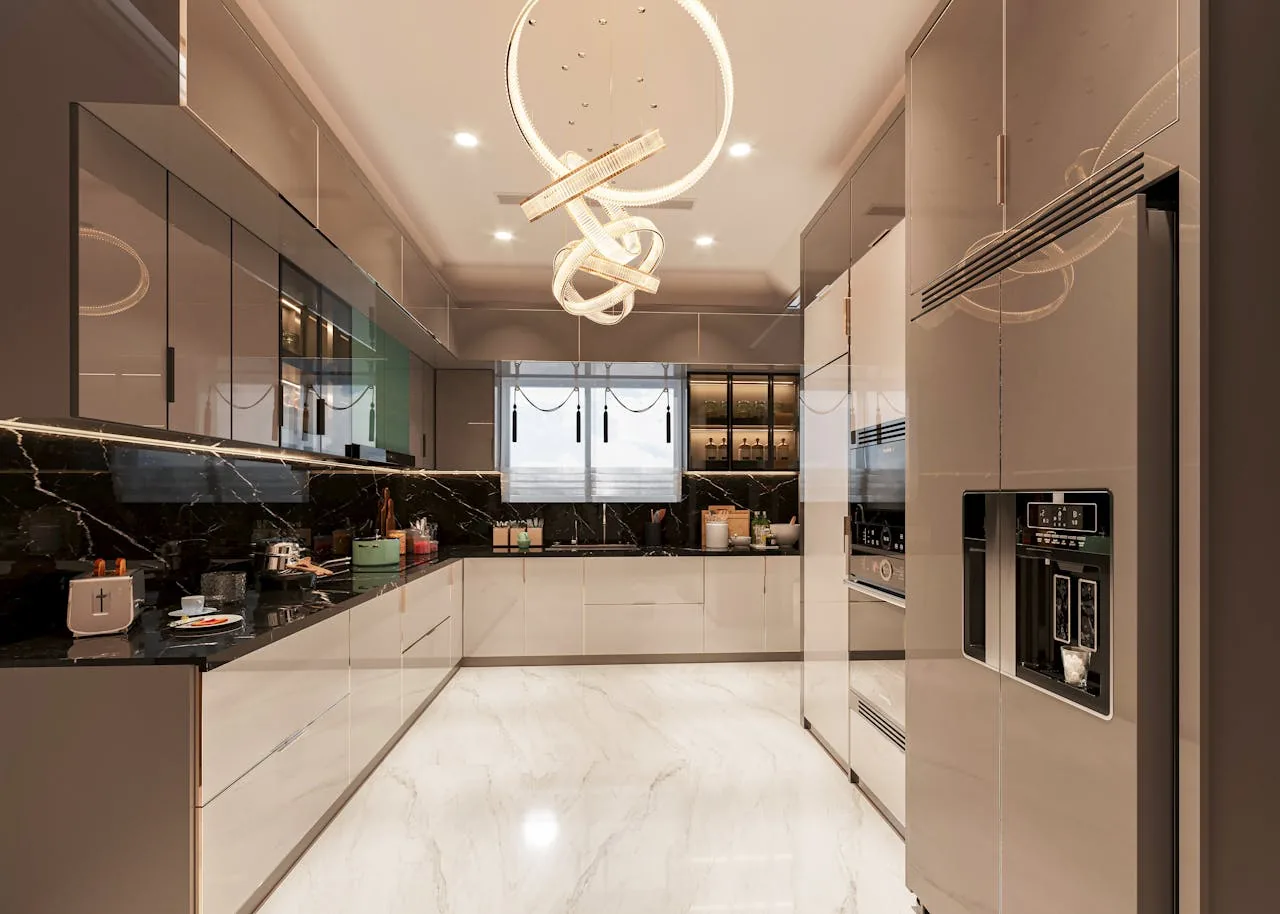
In contemporary kitchen design, the challenge lies in creating a sleek, unified look that conceals built-in refrigeration without compromising accessibility or ventilation. Across our active project specifications in Fair Oaks, we see a growing preference for integrated appliances that blend seamlessly with cabinetry. This often involves custom panel-ready units from brands like Sub-Zero or Thermador, which allow refrigerators to be clad in matching cabinet materials, creating a uniform aesthetic. Using high-quality, durable finishes such as matte lacquer or veneer, and employing handleless hardware, helps achieve the clean lines characteristic of modern design.

Designers also emphasize the importance of proper ventilation and accessibility. For example, incorporating dedicated venting panels and ensuring enough clearance around refrigeration units prevents overheating and facilitates maintenance. We often specify materials like phenolic panels or laminated MDF with moisture-resistant coatings to safeguard cabinetry from humidity and temperature fluctuations. The goal is to integrate appliances so seamlessly that they appear as part of the cabinetry, while still allowing for easy service access and ventilation. Our experience suggests that thoughtful planning during the cabinetry phase can prevent costly retrofits and ensure both form and function are preserved in a contemporary kitchen.

A modern kitchen showcasing a designer pot filler and pro range, integrated smart home control panel, plumbed-in coffee station and appliance suite, and a high-end island with integrated prep sink and pop-up outlets
A modern kitchen showcasing a designer pot filler and pro range, integrated smart home control panel, plumbed-in coffee station and appliance suite, and a high-end island with integrated prep sink and pop-up outlets.

Material Specificity for Contemporary Refrigeration Integration

Authenticity-grade materials

  • Matte lacquer veneer, for sleek, durable, and easy-to-clean cabinetry surfaces
  • Phenolic panels, moisture-resistant, ideal for high-humidity zones around refrigeration
  • Full-access dovetailed drawers, for durable, smooth operation under integrated units
  • Engineered quartz, for seamless, durable countertops that complement modern cabinetry
  • Solid brass PVD-finished hardware, for handleless, minimalist hardware accents
  • 304 stainless steel (16-gauge) undermount sinks, matching modern appliances with high durability
  • Low-emission, moisture-resistant MDF, for cabinetry with long-lasting finish
  • LED strip lighting, for unobtrusive, energy-efficient illumination

Generic-grade tells we refuse to spec

  • Particleboard, often used in lower-quality cabinetry
  • High-gloss laminate, can be prone to scratching and chipping
  • Plastic or thermofoil finishes, less durable and harder to repair
  • Thin stone veneer, susceptible to damage and staining
  • Standard chrome hardware, may tarnish or pit over time
  • Acrylic countertops, less heat resistant and prone to scratches
  • Conventional MDF, without moisture protection
  • Basic LED bulbs, less energy-efficient and with poor color rendering

Fair Oaks Regional Perspective on Modern Kitchen Integration

Fair Oaks homeowners often appreciate the balance of lush landscape and traditional architecture, which can pose unique challenges and opportunities for contemporary design. In our experience, contemporary kitchens that incorporate protected built-in refrigeration units work particularly well when paired with the region's light-filled interiors and generous lot sizes. The use of durable, moisture-resistant materials like phenolic panels and engineered quartz complements the region's climate, which can include humidity and temperature fluctuations.

In addition, Fair Oaks homes tend to have modest footprints, making careful appliance placement essential. The region's landscape and light conditions influence design choices, favoring open, airy layouts that hide appliances without sacrificing accessibility. For clients seeking a sleek, modern look while respecting the neighborhood character, collaborating with a local interior designer familiar with Fair Oaks’s architectural stock ensures the integration feels natural and timeless. For more on regional design expertise, visit our Sacramento hub for insights on balancing modern trends with local character.

Ultimately, the success of contemporary kitchen design in Fair Oaks hinges on thoughtful planning around appliance integration, ventilation, and materials that withstand regional conditions. Our team’s approach leverages local knowledge and design best practices to create kitchens that are both stylish and highly functional.

A woman painting a green wall in a kitchen with wooden recycled-content cabinetry and energy-efficient LED lighting
A woman painting a green wall in a kitchen with wooden recycled-content cabinetry and energy-efficient LED lighting.

How do I choose the right built-in refrigeration system for a contemporary kitchen?

The first question many homeowners ask is whether to opt for a fully integrated, panel-ready refrigerator or a more traditional built-in. This decision hinges on your aesthetic preferences, budget, and desired level of concealment. The key is understanding dimensions, clearance, and ventilation requirements. For example, a 36-inch panel-ready unit typically requires a minimum depth of 24 inches and proper airflow space behind and around the unit to prevent overheating. The American Society of Interior Designers emphasizes that ventilation is often overlooked but critical for longevity and performance.

Another factor is accessibility. Integrated units should be easy to open and service without compromising the sleek look. Custom cabinetry can hide the appliance entirely, but this involves precise measurements and often custom fabrication from a trusted local shop. Our experience suggests that a balanced approach, selecting a high-quality, panel-ready unit from brands like Sub-Zero with integrated venting and carefully planned cabinetry, delivers both style and function. The upfront planning ensures appliances are protected, accessible, and seamlessly incorporated, avoiding costly retrofits later.

What are the sizing and specifications to consider for built-in refrigeration in modern kitchens?

Choosing the right size depends on your household’s cooking habits and space constraints. A standard 36-inch refrigerator fits most Fair Oaks kitchens and provides ample storage, but a 48-inch unit may be necessary for larger families or frequent entertainers. The depth of the unit, often 24 inches for built-in models, must align with cabinetry thickness and venting needs. Height is typically dictated by ceiling height, with standard built-in units measuring about 84 inches.

When specifying a range hood or ventilation system, ensure the CFM (cubic feet per minute) capacity matches the appliance’s requirements to prevent overheating. For example, a large built-in refrigerator with a bottom freezer might need a dedicated venting panel rated for at least 600 CFM, with proper ducting to the exterior. Our project experience shows that detailed measurements and early consultation with appliance reps and HVAC specialists streamline installation and prevent surprises. For tailored advice, consulting NKBA guidelines and local building codes is essential, especially when planning for permits and structural considerations.

Should I go with custom cabinetry or stock panels for my refrigerator?

The decision between custom cabinetry and stock panels is often driven by budget, timeline, and desired aesthetic. Custom cabinetry offers a perfect fit, allowing for seamless integration with handleless fronts and minimal visual breaks, aligning with contemporary design principles. It also provides flexibility to incorporate special features such as moisture-resistant finishes or specific materials like phenolic or high-gloss lacquer. However, custom solutions typically require a lead time of six to eight weeks and an investment that can range from $15,000 to $30,000 for a full kitchen.

Stock panels from brands like Sub-Zero or Thermador can be a more immediate and cost-effective choice, usually ranging from $2,500 to $7,500, including installation. These panels are often available in a variety of finishes, but may not perfectly match the cabinetry. Our advice is to balance the desire for a sleek, uniform look with practical considerations. For high-end contemporary kitchens, custom cabinetry often provides the best long-term value and visual harmony, especially when paired with local fabricators who understand modern materials and regional conditions.

What are common mistakes that can make a contemporary kitchen with protected refrigeration look dated or cheap?

One common mistake is choosing low-quality materials or finishes that chip, stain, or fade quickly, such as cheap laminates or acrylics. This quickly undermines the sleek, minimalist aesthetic of modern design. Another pitfall is poor ventilation planning, which can cause overheating and damage the refrigeration units, leading to costly repairs or early failure. Lastly, neglecting proper clearance and accessibility can result in appliances that are difficult to open or service, making maintenance a chore and risking damage to cabinetry. Our experience in Fair Oaks shows that investing in moisture-resistant, durable finishes and consulting HVAC specialists during planning can prevent these issues. The key is balancing aesthetics with regional conditions and future-proofing your investment.

What's Going Out for 2026

  • Overly ornate or decorative cabinetry that clashes with modern refrigeration concealment
  • Exposing refrigeration units as feature focal points in a minimalist space
  • Ignoring ventilation requirements leading to overheating or appliance failure
  • Using low-grade, easily damaged materials in cabinetry or panels
  • Forcing appliances into tight spaces without proper clearance or airflow
  • Selecting hardware or finishes that are incompatible with contemporary aesthetics
  • Neglecting accessibility for service and maintenance
  • Overlooking regional climate effects on materials and cabinetry

What Fair Oaks Contemporary Protecting Built In Refrigeration In Kitchens Interior Designer Costs in 2026

ScopeSacramentoBay Area / Marin
Cosmetic refresh with panel-ready units and new countertops$35K-$55K$35K-$55K
Mid-range full remodel with integrated appliances and custom cabinetry$55K-$90K$55K-$90K
High-end layout change or structural update with premium materials$90K-$150K+$90K-$150K+

Local permits & planning

Working Notes

What We Have Learned Doing This: Fair Oaks Contemporary Protecting Built-In Refrigeration In Kitchens - Interior Designer

“If the cabinet drawings are not frozen before slab templating, expect rework.”

Panel-ready appliances drive the cabinet shop calendar, not the other way around. Order them first or accept that the boxes sit waiting for a panel.

Order the long-lead items before anything else and design the sequence so the rest of the job can proceed without them. The appliance, the stone, the custom millwork set the schedule, and pretending otherwise is how a project loses a month it never gets back.

Old houses lie, and so do new ones. Even a ten-year-old house lies the moment you assume the framing sits where the plans say. We stopped trusting old drawings, prior contractor work, and the phrase it should be fine a long time ago. The budget needs a real line for what demolition will uncover, usually 15 to 20 percent once walls start opening.

Specify for the next ten years, not the next photo shoot. The work that holds its value is quiet, well made, and a little bit boring on the day it is installed.

These notes come from our own fair oaks contemporary protecting built-in refrigeration in kitchens - interior designer project debriefs. Most were learned the expensive way the first time.

Sources & Professional References

This guide's positions on materials are grounded in published building-code, standards, and recognized design-authority sources, alongside Designed | Curated Interiors' verified credentials and active project files:

Frequently Asked

How can interior designers in Fair Oaks protect built-in refrigeration in contemporary kitchens?
They incorporate dedicated venting panels, proper clearance, and moisture-resistant materials like phenolic panels or laminated MDF to safeguard the appliances.
What design techniques are used to seamlessly integrate built-in refrigeration in modern kitchens in Fair Oaks?
Designers use custom panel-ready units, handleless hardware, and matching cabinetry materials to create a sleek, unified look.
Are there regional considerations for protecting built-in refrigeration in Fair Oaks kitchens?
Yes, the region's humidity and temperature fluctuations influence material choices, favoring durable, moisture-resistant finishes like phenolic panels.
What are common challenges when incorporating built-in refrigeration into contemporary Fair Oaks kitchens?
Balancing sleek aesthetics with ventilation and accessibility, while avoiding costly structural changes, is a primary challenge.
When planning a contemporary kitchen in Fair Oaks, what permits might be required for appliance integration?
Relocating plumbing or adding venting panels may require permits, especially if structural or electrical work is involved.
What materials are recommended for cabinetry around built-in refrigeration units in Fair Oaks?
Engineered quartz, phenolic panels, or laminated MDF with moisture-resistant coatings are recommended for durability and protection.

From Fair Oaks Contemporary Protecting Built In Refrigeration In Kitchens Interior Designer to a Real Room

A trend piece is the briefing document, not the deliverable. The pages below show how we translate these principles into finished rooms across Fair Oaks and the rest of Northern California.

Start a Project Conversation →

Call (916) 756-5977Book a Consultation