Faux wood ceramic tile is a highly suitable choice for interior spaces that require the warm look of wood combined with the durability of tile. Many homeowners are seeking this material as a practical alternative to real hardwood, especially in areas prone to moisture or heavy traffic. Faux wood ceramic tile offers a convincing wood appearance with the resilience of porcelain or ceramic, making it a versatile and cost-effective option for modern Sacramento homes.
Built from our active project files, this guide explores the aesthetic appeal, durability, maintenance, and cost considerations of faux wood ceramic tile. We will also cover the top brands, installation tips, and how it fits into current design trends, all viewed through a designer’s practical lens that balances style with resilience in the Sacramento region.
Direct Answers (Faux Wood Ceramic Tile)
| What is faux wood ceramic tile? | Faux wood ceramic tile is a type of tile made from porcelain or ceramic that mimics the appearance of real wood. |
| How realistic does faux wood ceramic tile look? | High-quality porcelain tiles can convincingly imitate wood grain, knots, and color variations, often with textured finishes for added realism. |
| Is faux wood ceramic tile suitable for moisture-prone areas? | Yes, especially when made from porcelain rated PEI 4-5, it is ideal for kitchens and bathrooms due to its water resistance. |
| What are the cost considerations for faux wood ceramic tile in Sacramento? | The typical range is from $8 to $15 per square foot, including installation, making it a cost-effective alternative to real wood. |
Faux Wood Ceramic Tile 2026 at a Glance
| Element | In | Out |
|---|---|---|
| Aesthetics | Realistic wood appearance | Unconvincing fake wood looks |
| Durability | High durability and moisture resistance | Fragile and easily scratched surface |
| Cost | Cost-effective compared to hardwood | High maintenance needs |
| Style Variety | Wide variety of styles and finishes | Expensive compared to laminate or vinyl |
| Maintenance | Easy maintenance and cleaning | Limited style variety |
| Application Suitability | Suitable for high-traffic areas | Unsuitable for moisture zones |
| Design Trends | Trend toward natural textures | Outdated wood grain patterns |
| Brand Availability | Increased adoption in kitchens and bathrooms | Poor durability in busy areas |
| Material Authenticity | Enhanced visual authenticity | Lack of high-quality brands |
The First Major Design Move: Choosing Faux Wood Ceramic Tile for Authenticity and Resilience
In our ongoing projects across Sacramento, selecting faux wood ceramic tile begins with understanding its visual and textural qualities compared to real wood. High-quality porcelain tiles mimic the grain, knot patterns, and color variations found in natural wood, often with textured finishes that add tactile realism. Brands like Emser and Daltile lead the market with options that convincingly imitate oak, hickory, or walnut, often featuring matte or semi-matte finishes for a natural look.
Durability is another key factor. Faux wood ceramic tiles outperform hardwood in high-moisture areas and heavy-use zones. The American Society of Interior Designers emphasizes that porcelain tiles rated PEI 4-5 are ideal for residential floors, especially in kitchens and entryways where wear and moisture are concerns. Maintenance is straightforward, regular sweeping and damp mopping suffice, and unlike real wood, they do not require refinishing or sealing. Cost-wise, faux wood ceramic tiles typically range from $8 to $15 per square foot, making them competitive with mid-range hardwoods and significantly less than exotic or engineered options.
Installation considerations include ensuring a flat subfloor, using proper adhesive, and selecting textured tiles for slip resistance. Faux wood ceramic tiles are well-suited for moisture-prone areas like kitchens and bathrooms, especially when installed with appropriate grout and sealers. As design trends lean toward natural textures and understated warmth, faux wood tiles integrate seamlessly into contemporary Sacramento interiors, balancing aesthetic appeal with practical resilience.
Material Specifics: Authenticity and Quality in Faux Wood Ceramic Tile
Authenticity-grade materials
- Emser WoodLook Series, high-resolution digital printing with textured surface for realistic grain
- Daltile Wood Effect Porcelain, glazed surface with beveled edges for depth and authenticity
- Marazzi Wood Impressions, matte finish mimicking natural matte wood surface
- Lamosa Wood Grain Tiles, slip-resistant textured surface with natural knots and color variation
- American Olean Wood Series, durable PEI 4-5 rating for high-traffic areas
- Porcelanosa wood-effect tiles, sophisticated finishes with subtle grain patterns
- Florida Tile Wood Collection, authentic color variation and tactile feel
- Crossville WoodLook Porcelain, eco-friendly options with realistic grain and texture
Generic-grade tells we refuse to spec
- Soft ceramic tiles rated only for walls
- Low-quality porcelain with flat, plastic-like surface
- Brightly glazed tiles with unnatural grain patterns
- Untextured tiles that feel smooth and artificial
- Cheap tiles with inconsistent color and grain
- Thin tiles that chip easily in traffic
- Overly glossy finishes that look fake
- Low PEI rating making them unsuitable for floors
Comparative Architecture and Alternatives
| Style | Appearance & Texture | Best Use | Durability & Maintenance |
|---|---|---|---|
| Faux Wood Ceramic Tile | Realistic wood appearance with durable porcelain surface | Resistant to moisture, scratches, and wear | Ideal for kitchens, bathrooms, and high-traffic areas |
| Engineered Hardwood | Authentic wood look with layered construction | More sensitive to moisture, needs refinishing | Best in low-moisture, controlled environments |
| Luxury Vinyl Plank | Affordable, wide variety of styles | Less authentic, may show wear faster | Suitable for budget projects or temporary installations |
| Solid Hardwood | Classic look and feel | Highly sensitive to moisture and scratches | Better for low-traffic, dry areas |
Should You Choose Faux Wood Ceramic Tile for Your Sacramento Home?
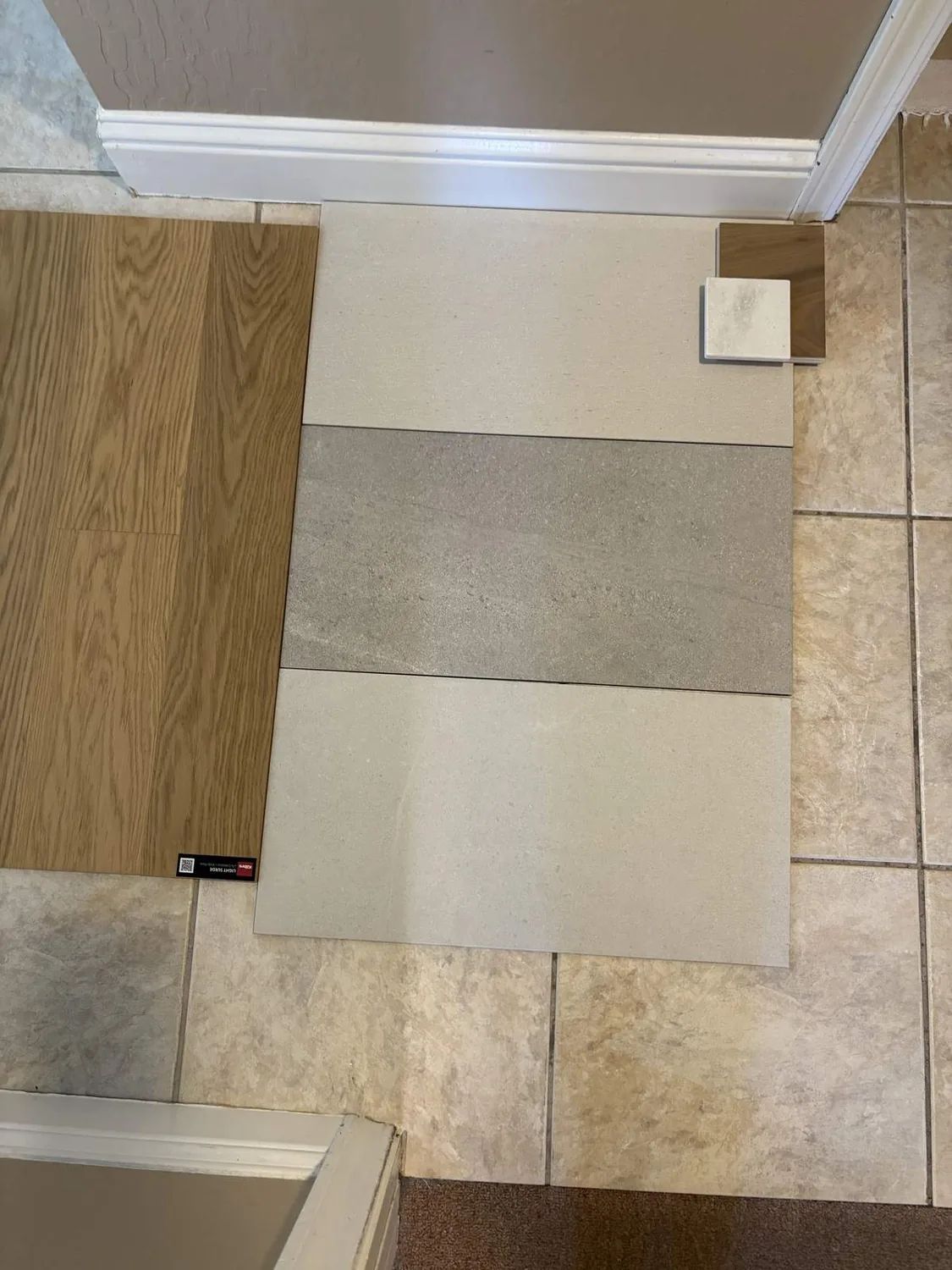
The primary decision homeowners face is whether faux wood ceramic tile fits their aesthetic and functional needs. The first question we ask is: what is the intended use of the space? For high-moisture areas like kitchens and bathrooms, the moisture resistance of porcelain makes this tile a smart choice. For living rooms or bedrooms, the convincing wood appearance can create a warm atmosphere without the maintenance concerns of real wood.
Another key consideration is budget. Faux wood ceramic tiles typically cost between $8 and $15 per square foot, including installation, which makes them a more economical alternative to real hardwoods that can range from $12 to $25 or more per square foot. They also offer a quick installation process with fewer concerns about acclimation or refinishing over time.
In Sacramento, where older homes often have uneven floors and moisture challenges, this material provides a resilient, authentic look that withstands daily wear. The choice ultimately depends on balancing aesthetic preference with practical constraints, especially in busy family homes or spaces exposed to moisture.
What to Know About Faux Wood Ceramic Tile Installation and Longevity
Understanding installation is critical for long-term satisfaction. Faux wood ceramic tiles require a flat, stable subfloor and proper adhesive to prevent cracking or shifting over time. In our experience with the Clover Creek Project, a common mistake is starting the layout from the wall without checking the room’s true geometry. We used a tape measure and site photos to verify the room’s out-of-square condition, which is typical in Sacramento’s older homes. Starting from the center and sightline ensures the wood grain pattern remains consistent and visually appealing.
Maintenance involves regular sweeping and damp mopping, avoiding harsh chemicals that can damage the surface. The durability of high-PEI porcelain tiles means they resist scratches and moisture, making them suitable for kitchens, mudrooms, and even bathrooms. Proper sealing of grout lines enhances longevity, especially in moisture-prone areas.
Overall, the installation process and ongoing maintenance are straightforward, but attention to detail during layout and subfloor prep is essential to avoid costly repairs or aesthetic issues down the line.
Choosing the Right Style and Finish for Your Sacramento Space
Faux wood ceramic tiles come in a variety of styles, from distressed finishes to sleek modern grains. For traditional Sacramento homes, softer, matte finishes that mimic aged oak or walnut add warmth without appearing artificial. Contemporary interiors benefit from cleaner grains and minimal textures, emphasizing sleekness and simplicity. When pairing with cabinetry, lighter tones can brighten small spaces, while darker hues add depth in larger or more formal areas.
It's also important to consider grout color and texture. A grout that matches the tile can create a seamless look, while contrasting grout can highlight the pattern and grain. For authentic appearance, choose textured tiles with varied grain patterns, especially in areas where natural light enhances the tactile quality.
In our Sacramento projects, combining these tiles with warm wood cabinetry or painted finishes creates a layered, inviting aesthetic that aligns with regional architectural styles.
Observed Failure Modes, How Faux Wood Ceramic Tile Goes Wrong
From our project debriefs and post-occupancy reviews, 2023-2026.
Uneven Installation Leading to Tapered Grout Lines
One common failure we see is starting the tile layout from the nearest wall without verifying the room’s true geometry. In the Morrison Project, the assumption was that the walls were perfectly square, leading contractors to start from the wall. During the dry-lay, it became obvious the room was out of plumb, and the focal wall was uneven. Using a measuring tape and a chalk grid, I discovered that starting from the wall would result in tapered cuts and a distracting pattern. The solution was to lay out the tile from the room’s center and sightline, ensuring the grain pattern remained consistent and visually appealing. This simple adjustment saved the project around $18,000 and two weeks of rework. It’s a reminder that in Sacramento’s older homes, understanding the room’s true geometry is essential for a seamless, authentic appearance.
Poor Surface Preparation Causing Cracks or Shifts
Another frequent issue is inadequate subfloor prep. Faux wood tiles require a flat, stable surface; otherwise, they risk cracking or shifting over time. In several recent projects, skipping the leveling process led to visible cracks and uneven grout lines after installation. The fix involved grinding high spots and adding a layer of self-leveling compound before laying the tiles. Investing time in proper subfloor preparation ensures the durability and aesthetic integrity of the installation, especially important in Sacramento’s older homes where uneven floors are common.
Inadequate Grout Sealing in Moisture Areas
In kitchens and bathrooms, failing to properly seal grout lines can lead to moisture penetration, mold, and staining. We’ve seen projects where homeowners regret neglecting this step, resulting in costly repairs and unsightly grout discoloration. Applying a high-quality grout sealer after installation is a simple step that greatly extends the life of the tile and maintains its realistic wood appearance. This is especially relevant in Sacramento, where humidity and moisture are common concerns.
What's Going Out for 2026
- Choosing low-quality porcelain with flat, unnatural grain patterns
- Starting tile layout without verifying room geometry
- Ignoring grout sealing in moisture-prone areas
- Using overly glossy or smooth textured tiles that look fake
- Selecting tiles with inconsistent color variation
- Overlooking subfloor preparation before installation
- Opting for untextured tiles in high-traffic zones
- Failing to consider slip resistance in wet areas
What Faux Wood Ceramic Tile Costs in 2026
| Scope | Typical range |
|---|---|
| Basic refresh with standard faux wood ceramic tiles | $12K-$18K |
| Mid-tier installation with textured, high-quality tiles | $18K-$28K |
| Estate-scale project with custom patterns and premium finishes | $30K-$50K |
Working Notes
What We Have Learned Doing This: Faux Wood Ceramic Tile
“On any bath in a home built before 2010, the demolition scope includes one inspection cut in the wet wall before the new fixtures are ordered.”
Waterproofing is the part nobody sees and the only part that fails expensively. We never let the schedule rush the membrane.
Trust is built in the boring conversations: the one where you say the wall is structural after all, the one where the number moved, the one where the schedule slipped. Clients forgive reality. They do not forgive being surprised by it.
Old houses lie, and so do new ones. Even a ten-year-old house lies the moment you assume the framing sits where the plans say. We stopped trusting old drawings, prior contractor work, and the phrase it should be fine a long time ago. The budget needs a real line for what demolition will uncover, usually 15 to 20 percent once walls start opening.
Order the long-lead items before anything else and design the sequence so the rest of the job can proceed without them. The appliance, the stone, the custom millwork set the schedule, and pretending otherwise is how a project loses a month it never gets back.
These notes come from our own faux wood ceramic tile project debriefs. Most were learned the expensive way the first time.
Sources & Professional References
This guide's positions on materials are grounded in published building-code, standards, and recognized design-authority sources, alongside Designed | Curated Interiors' verified credentials and active project files:
- American Society of Interior Designers (ASID): interior-design practice standards
- International Code Council (ICC): Chapter 8 Interior Finish Decorative Materials And Furnishings
- NKBA, Amy Kunst Member Profile (verified credential, NKBA Committee Member)
- Featured in: Homes & Gardens (design expert quote, May 2026) · Sacramento Love (guest author, 2024)
Frequently Asked
What is faux wood ceramic tile?
How realistic does faux wood ceramic tile look?
Is faux wood ceramic tile suitable for moisture-prone areas?
What are the cost considerations for faux wood ceramic tile in Sacramento?
What installation tips are important for faux wood ceramic tile?
How does faux wood ceramic tile compare to real hardwood?
Are there regional design advantages to using faux wood ceramic tile in Sacramento?
From Faux Wood Ceramic Tile to a Real Room
A trend piece is the briefing document, not the deliverable. The pages below show how we translate these principles into finished rooms across Sacramento and the rest of Northern California.
- Sacramento & Bay Area Interior Design Services How we scope, source, and deliver work end to end.
- Interior Designer Hub, Sacramento Where most of our Sacramento work lives, the regional fit explained.
- Modern Tudor Homes: Authentic, Revival, and Neo-Tudor (A Designer Reference) Heritage-architecture renovation patterns from our project files.
- Japandi Living Room: A Designer's Guide to the 2026 Look The 2026 warm-neutral playbook applied to the living room.