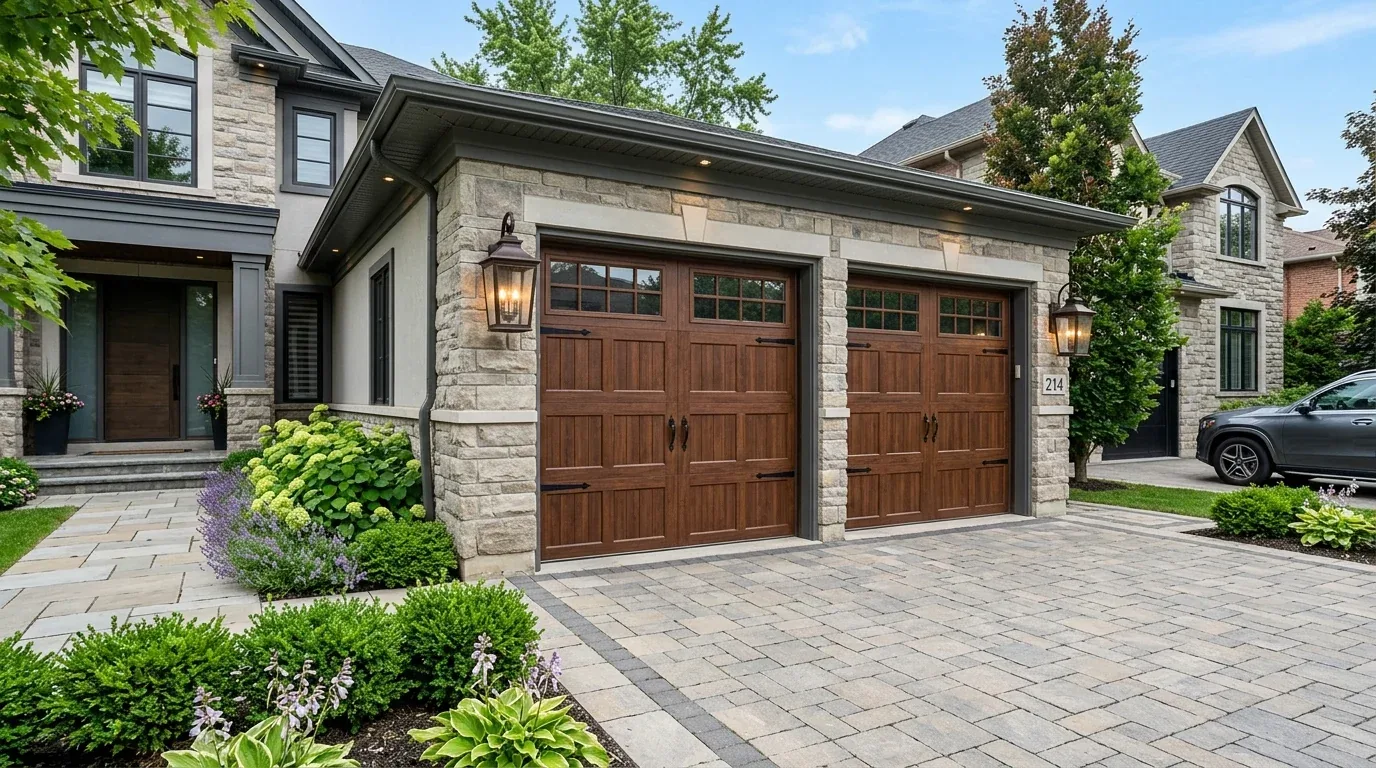
In interior design, form refers to the three-dimensional shape and structure of furnishings, architectural elements, and spatial arrangements that create visual and functional coherence. Understanding form helps you craft spaces that are both aesthetically compelling and practically effective.
Form shapes everything. It's the bones of any room. This post, built from our active project files, explores how form defines the character of a space, the differences from related elements like shape and line, and how to incorporate it thoughtfully across styles. We’ll also cover common pitfalls and practical examples to ensure your design decisions are both inspired and grounded.
Direct Answers (Form Definition In Interior Design)
| What is the definition of form in interior design? | Form? Think of it as the bones. The furniture's shape tells the story. |
| How does form influence the overall aesthetic of a space? | Form changes a room's dance with light and space. Balance and harmony grow from this. |
| Why is understanding form important when designing a room with high ceilings? | Tall pieces like cabinets or tall art can change a room's feel. Balance the space, extend some height. |
| When should I consider custom forms versus stock forms in Sacramento interior design? | Custom builds nail down exact sizes. Stock options? Small tasks wrap up quickly, saving money. |
The Power of Three-Dimensional Form in Interior Design
Understanding form as the three-dimensional shape of objects and architectural features is crucial for creating spaces that feel intentional and balanced. A smart form choice twists the entire feel of a room. It’s the secret ingredient. We’ve thrown in bold furniture lines and unique lights. The room now commands attention.
Form changes how light and movement play in a room. Designing a kitchen island? Shape affects the room's vibe. The American Society of Interior Designers emphasizes the importance of considering form in relation to other elements like line and space to achieve harmony. Matte black metal adds boldness. Warm wood invites touch.
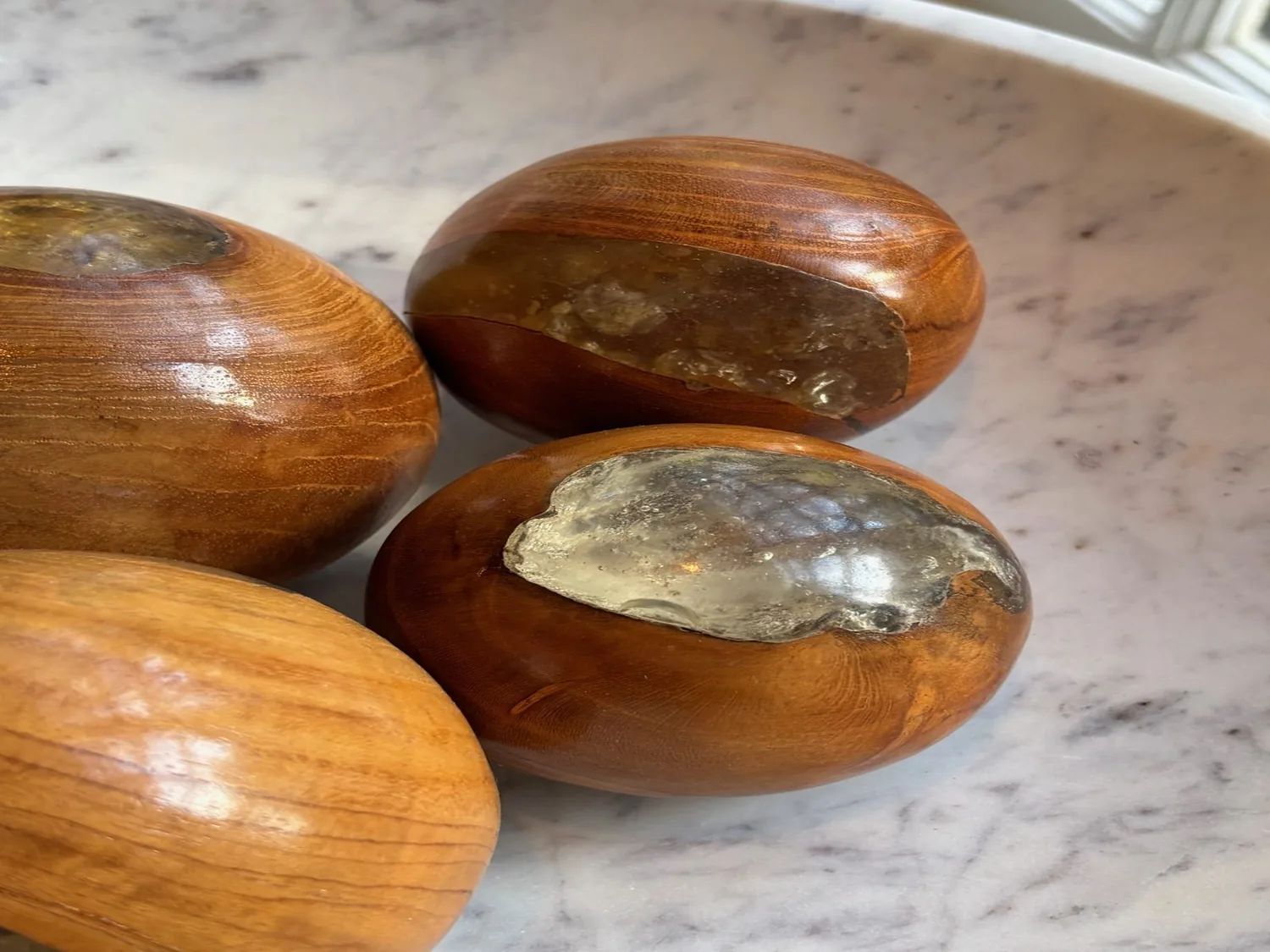
Material Specificity and Form Enhancement
Authenticity-grade materials
- White oak (rift-sawn), for floors and slat detail; calmer grain than plain-sawn
- Brushed brass, for fixtures and accents to add warmth and subtle sheen
- Matte black steel, for structural elements and hardware, emphasizing form
- Smooth plaster, for walls to create a clean, sculptural backdrop
- Textured concrete, for architectural features adding tactile interest
- Fumed oak, for cabinetry to deepen grain and enhance natural form
- Silk velvet, for upholstery, adding softness that complements sculptural shapes
- Natural linen, for drapery, emphasizing organic form
Generic-grade tells we refuse to spec
- Standard plywood, often overused and less authentic
- Laminates, which can look cheap if not carefully specified
- Glossy finishes, that may clash with matte textures
- Mass-produced fixtures, lacking material depth
- Synthetic fabrics, that diminish tactile quality
- Mass-produced hardware, that lacks unique detail
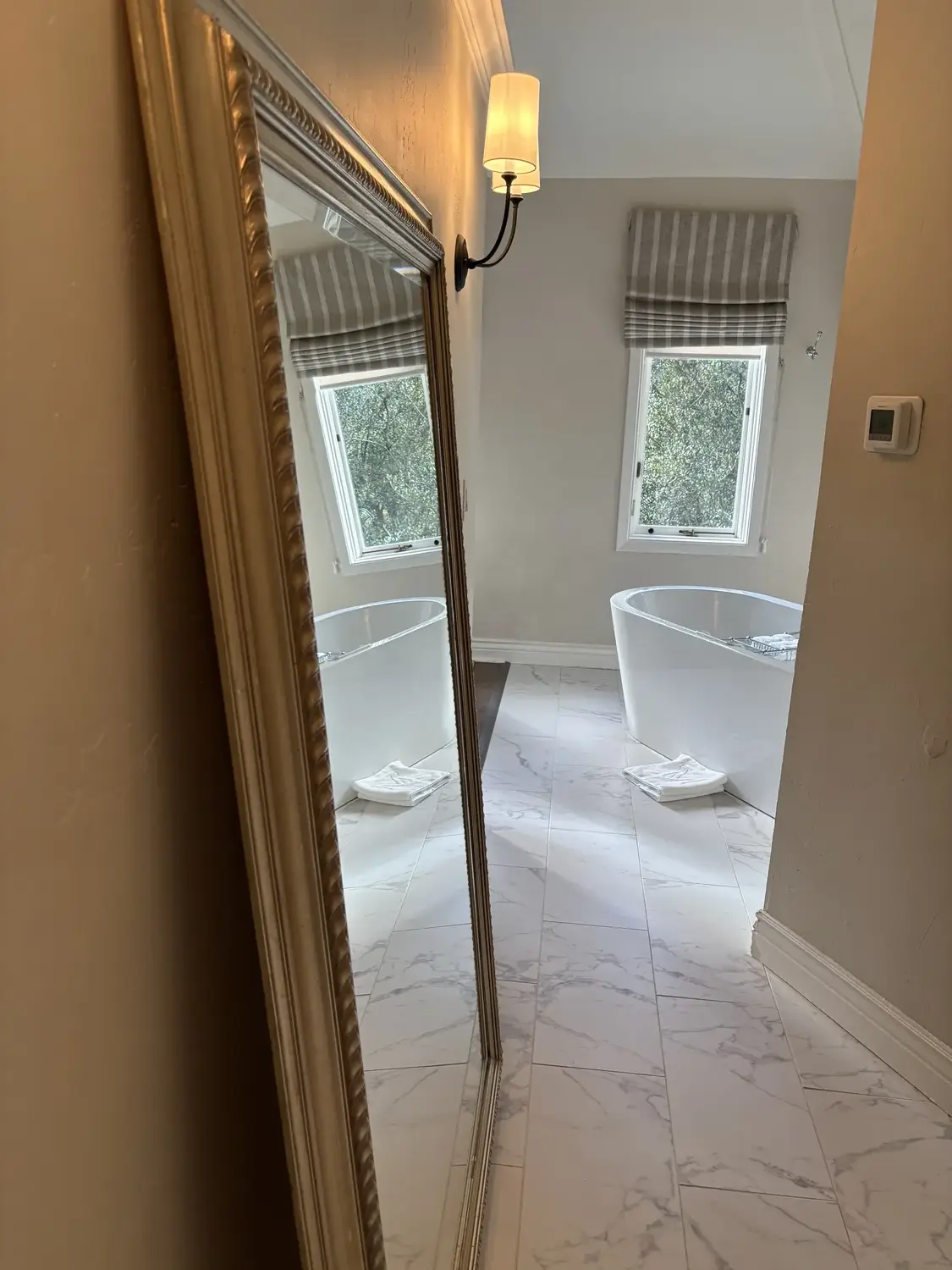
Should You Opt for Custom or Stock Forms in Sacramento?
Picking between custom and stock forms isn’t just a routine decision. The first question we ask is: what is the scope and budget of your project? In Sacramento? Maybe a standout light or custom shelves. Custom pieces fit perfectly but need more time and cash. Stock options often mean faster and cheaper through local places or Wayfair, but they can miss that special touch.
Lately, I mixed it up: custom for arches or built-ins, stock for small items. The key is to evaluate the impact of form on the space’s harmony and function. In Sacramento, think about how custom or stock fits with your home's vibe, old or new.
Decide if the form’s mostly for looks or has a job to do too. Custom adds flair and value. Stock gives a neat look fast without much cost.
The Mistakes That Make Form Look Cheap or Date Fast
One common mistake is over-complicating form with unnecessary details that distract from the overall harmony. Ornate moldings clash in minimal kitchens, quickly dating them. Ignoring scale can ruin a room. Big fixtures shrink small spaces. Steer clear of just trends. They can clash with the room's lines and feel outdated fast.
Stick with good proportions and solid materials. Use authentic finishes and simplified forms for longevity. Choose a steel pendant in matte black. Get the size right. It'll stay classic.
What's Going Out for 2026
- Overly ornate or overly simple forms
- Mass-produced, generic shapes
- Complex, cluttered layouts
- Heavy, oversized furniture in small spaces
- Ignoring scale and proportion
- Form without material depth
- Decorative excess that distracts
- Trendy shapes that lack timelessness
What Form Definition In Interior Design Costs in 2026
| Scope | Typical range |
|---|---|
| Basic updates with off-the-shelf fixtures and furniture | $15K-$35K |
| Mid-tier remodel with custom cabinetry and integrated features | $75K-$150K |
| Full estate-scale renovation with bespoke architectural forms and finishes | $300K-$1M |
Working Notes
What We Have Learned Doing This: The 7 Elements of Interior Design: Form
“The schedule is a design decision. Treat it like one.”
Trust grows in tedious chats: walls are structural, numbers shift, schedules slip. Clients forgive reality. They do not forgive being surprised by it.
Most of the money that gets wasted is spent solving the wrong problem confidently. A homeowner asks for more space, every contractor agrees and prices an addition, and the real issue turns out to be light, or proportion, or one bad sightline. We make the room tell us the problem before anyone signs a demolition contract.
Get those long-lead items ordered first. Plan so other work can keep going in the meantime. Appliances, stone, and custom millwork dictate timing. Ignoring that eats up a month you can't recover.
These notes come from our own the 7 elements of interior design: form project debriefs. Most were learned the expensive way the first time.
Sources & Professional References
This guide's positions on materials are grounded in published building-code, standards, and recognized design-authority sources, alongside Designed | Curated Interiors' verified credentials and active project files:
- American Society of Interior Designers (ASID): interior-design practice standards
- International Code Council (ICC): Chapter 8 Interior Finishes
- NKBA, Amy Kunst Member Profile (verified credential, NKBA Committee Member)
- Featured in: Homes & Gardens (design expert quote, May 2026) · Sacramento Love (guest author, 2024)
Frequently Asked
What is the definition of form in interior design?
How does form influence the overall aesthetic of a space?
Why is understanding form important when designing a room with high ceilings?
When should I consider custom forms versus stock forms in Sacramento interior design?
What are common mistakes to avoid when incorporating form into interior design?
From Form Definition In Interior Design to a Real Room
A trend piece is the briefing document, not the deliverable. The pages below show how we translate these principles into finished rooms across Sacramento and the rest of Northern California.
- Sacramento & Bay Area Interior Design Services How we scope, source, and deliver work end to end.
- Interior Designer Hub, Sacramento Where most of our Sacramento work lives, the regional fit explained.
- Form Definition Interior Design: A Designer's Guide to the 2026 Look Discover how form definition is shaping interior design in 2026, particularly in Sacramento, with insights on materials and techniques that
Part of our design fundamentals series. Form is one of the seven elements of interior design. See the complete guide to the elements of interior design, and how the principles of interior design put them to work together.