Sacramento + Marin Interior Designer · Amy Kunst, NKBA 📞 916-756-5977 Get Free Quote

Harmony Interior Design Definition: A Designer's Guide to the 2026 Look

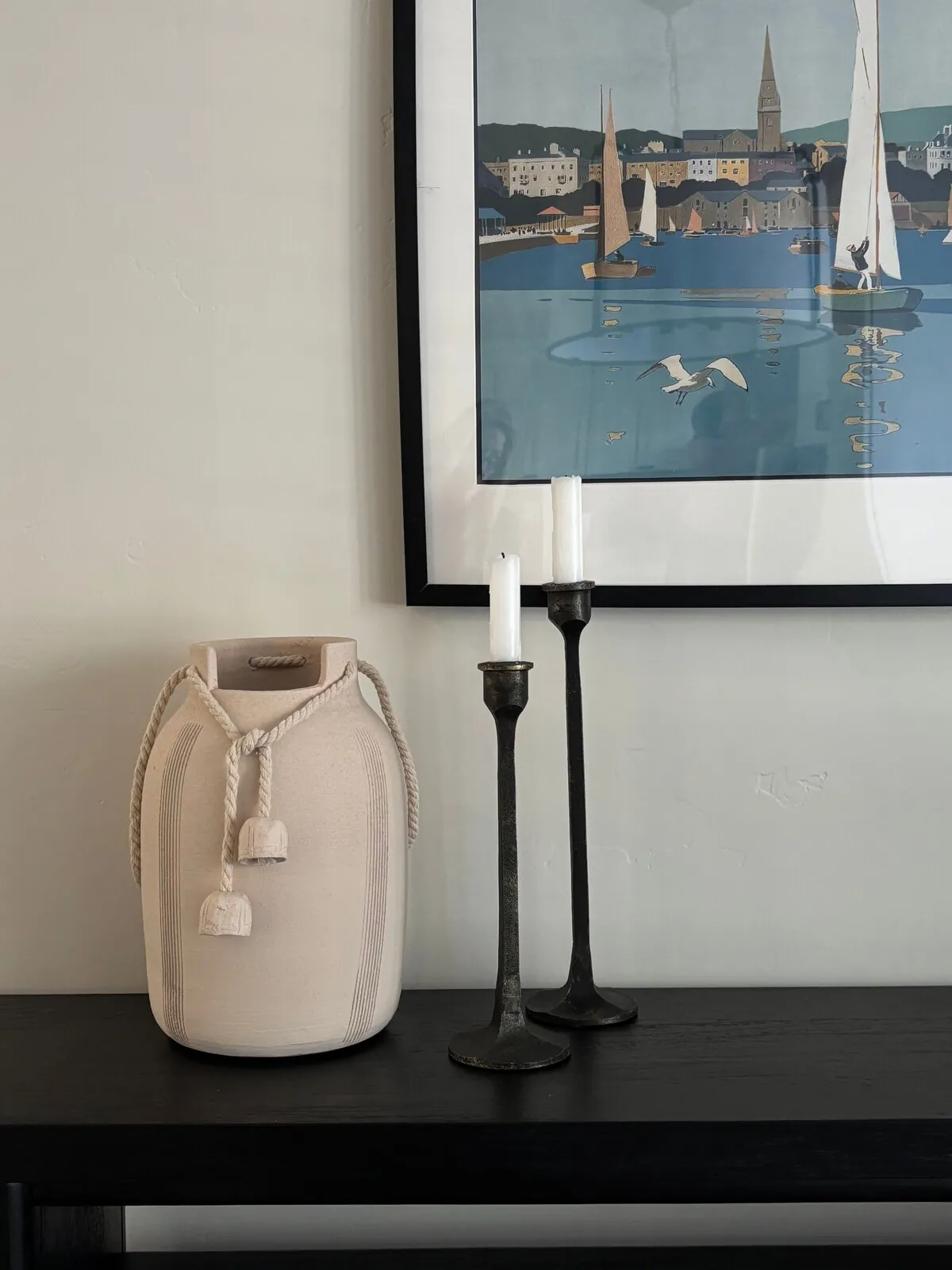
A minimalist interior scene with a beige ceramic vase with rope detail, two black metal candle
A bright living room with a large beige sectional sofa, wooden coffee tables, modern armchairs, and large windows showing a brick building outside.

In 2026, the evolving concept of harmony in interior design is about creating spaces that feel both balanced and authentic, reflecting a forward-looking blend of technology, sustainability, and cultural nuance. Harmony in 2026 will emphasize understated elegance through intentional simplicity, emotional resonance, and sustainable materials. This guide explores how design trends, technological advances, and cultural shifts are shaping the future of harmony in interiors, with insights rooted in our ongoing projects across Sacramento and Marin.

Built from our active project files, this post will detail anticipated trends such as the integration of smart technology, the role of sustainable materials, and new design philosophies redefining harmony. We’ll also examine how regional influences in Sacramento support these shifts, offering expert predictions for interior harmony in 2026 from a designer’s perspective.

Direct Answers (Harmony Interior Design Definition 2026)

What is the definition of harmony in interior design for 2026?In 2026, harmony in interior design emphasizes subtle balance, understated elegance, emotional resonance, and the integration of technology and sustainable materials.
How does regional influence in Sacramento shape the concept of harmony in interior design?Sacramento's diverse architecture and landscape encourage authentic, layered interiors with warm neutrals and tactile textures that reflect local character and environmental values.
What materials are prominent for achieving harmony in 2026 interiors?Sustainable cork, textured linen, and recycled glass are gaining prominence, providing tactile richness while supporting eco-friendly design.
How does technology contribute to harmony in interior design in 2026?Smart lighting and climate controls, like those from Lutron and Nest, enhance emotional balance by allowing seamless, unobtrusive customization of the environment.

The First Major Design Move: Embracing Subtle Balance

In 2026, achieving harmony begins with a subtle balance that emphasizes simplicity and emotional resonance. Across our active project specifications, we are increasingly seeing a shift away from high-contrast, overly ornate interiors toward understated elegance. This involves selecting warm, muted color palettes like soft taupe, gentle greige, and calming clay tones, which serve as a neutral backdrop that allows textures and natural materials to shine.

Materials such as sustainable cork, textured linen, and recycled glass are gaining prominence, providing tactile richness without overwhelming the senses. Finishes are now focused on soft matte or satin sheens that diffuse light gently, creating a calming ambiance. The integration of smart lighting and climate controls enhances this harmony by allowing homeowners to customize their environment seamlessly, reinforcing the importance of technology as a tool for emotional balance. Brands like Lutron and Nest are leading the way in making these smart systems intuitive and unobtrusive, supporting our design philosophy of restrained sophistication.

A white bathroom vanity with black hardware, a marble countertop, a black faucet, decorative plants, and a wooden horse
Exterior view of a two-story rustic house with stone and wood construction, featuring a balcony and patio area with a fire pit.

Material Specificity for 2026 Harmony

Authenticity-grade materials

  • White oak (rift-sawn), for floors and slat detail; calmer grain than plain-sawn
  • Recycled glass, for countertops and decor accents, emphasizing sustainability
  • Natural linen, for upholstery and drapery, offering tactile softness
  • Matte ceramic tiles, for bathrooms and backsplashes, diffusing light subtly
  • Low-VOC paint, for wall finishes, supporting indoor air quality
  • Reclaimed wood, for millwork and accent elements, adding warmth and history
  • Sustainable cork, for flooring and wall coverings, providing acoustic comfort
  • Recycled aluminum, for fixtures and hardware, blending modernity with eco-friendliness

Generic-grade tells we refuse to spec

  • Standard painted drywall, non-eco options with higher VOCs
  • Vinyl flooring, less sustainable and tactile than cork or wood
  • High-gloss finishes, which can feel cold and overpower subtle textures
  • Mass-produced tile, lacking authenticity and warmth
  • Plastic hardware, not durable or environmentally friendly
  • Synthetic fabrics, which may lack the tactile richness of natural linen or wool
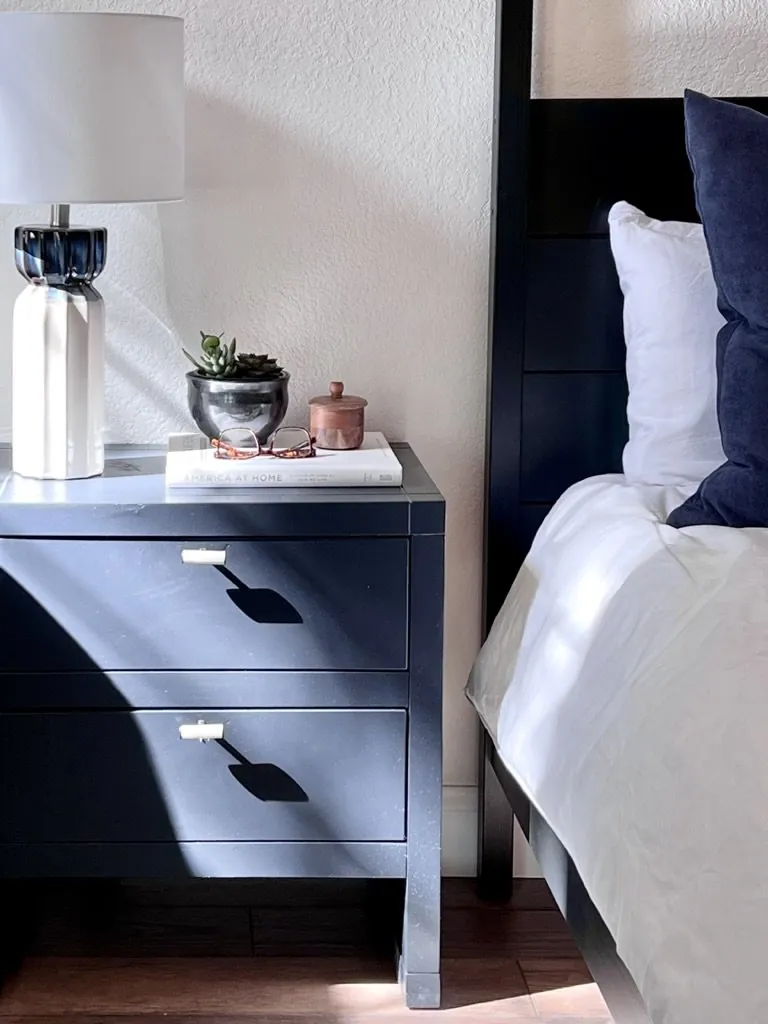
A neatly made bed with dark blue pillows, a gray throw, and a tray with a book and cup, set against a white wall
A beige sectional sofa with patterned and solid pillows beneath a three-panel wall art of a longhorn bull in a modern living room.

How to Achieve a Harmonious Kitchen in 2026

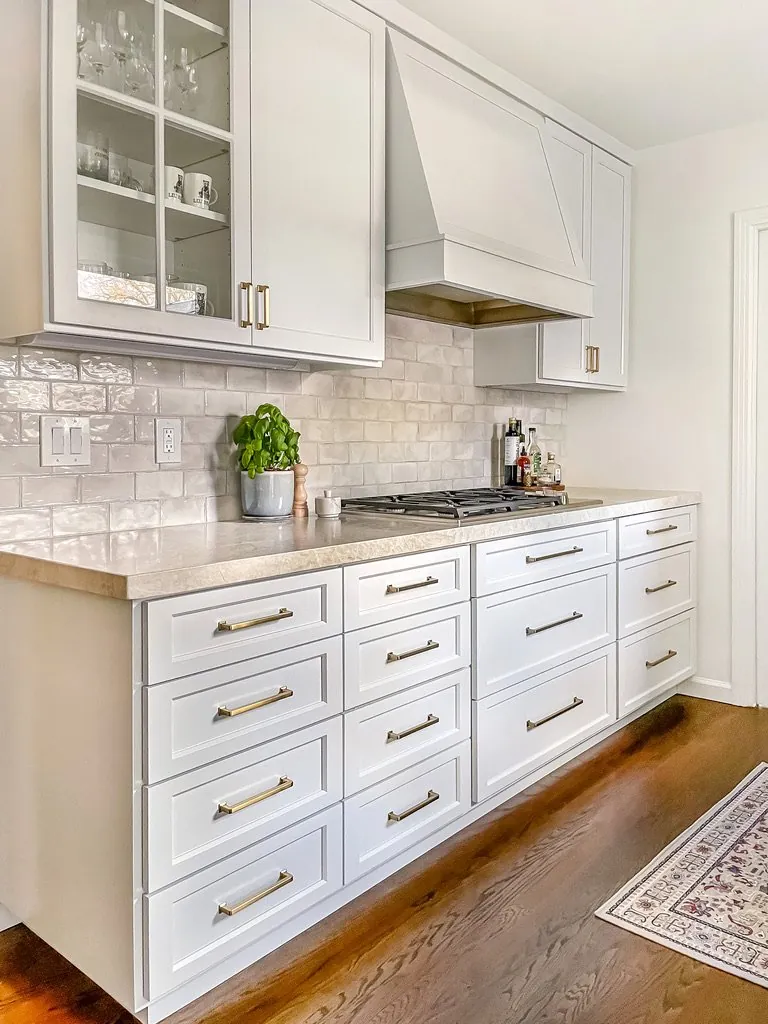
When homeowners ask about designing a kitchen that feels harmonious in 2026, their real concern is how to balance modern technology with timeless appeal. The first question we ask is whether they prefer a sleek, minimalist look or a warmer, more textured environment. Based on that, we guide them through selecting appliances, fixtures, and finishes that complement each other without overwhelming the space.

For example, choosing a 48-inch range with a recessed range hood that fits within standard ceiling heights ensures proportional harmony. We recommend reclaimed wood cabinets paired with matte finish quartz countertops for a look that balances durability and warmth. The integration of smart features like voice-activated lighting and temperature controls should be intuitive and unobtrusive, supporting a seamless flow. We also advise considering the ROI on custom cabinetry versus stock options, especially in Sacramento’s competitive market for high-end remodels, where craftsmanship adds long-term value.

In all cases, the goal is a space that feels connected, effortless, and emotionally satisfying, reflecting the emerging 2026 trend of restrained luxury rooted in regional authenticity.

Sizing and Specification Guide for 2026 Harmonious Interiors

Choosing the right dimensions for fixtures and finishes is crucial for harmony. For example, a standard kitchen island should be at least 36 inches wide to allow comfortable movement but not so large that it dominates the space. Ceiling heights in Sacramento homes typically range from 8 to 10 feet, influencing how lighting and cabinetry are proportioned.

Range hoods should be deep enough to cover the cooktop, generally 24 to 30 inches with a CFM of 600-900 for good ventilation. When selecting materials, opt for low-VOC paints in 1-2 coats, and for larger projects, consider the impact of natural light flow on color and texture perception. Our team recommends working with local fabricators or suppliers who understand regional needs, ensuring the right fit and finish.

Balancing these specifications supports a cohesive, harmonious environment where every element feels intentional and contributes to the overall serenity of the space.

Should You Remodel or Rebuild to Achieve Harmony?

Homeowners in Sacramento often face the decision of whether to remodel an existing space or undertake a rebuild to better achieve harmony. The key considerations include the home’s age, structural integrity, and the potential for preserving historic details. Our first question is whether the existing layout can support modern, harmonious living without extensive structural changes.

If the home’s core is sound but layout or finishes feel outdated, a renovation that prioritizes subtle updates, like refinished millwork, new paint, and upgraded lighting, can restore harmony efficiently. However, if the home has fundamental issues such as poor light, awkward proportions, or structural limitations, a rebuild might be more appropriate. For Sacramento homes with historic charm, preserving character while updating finishes and integrating smart systems often strikes the best balance.

Ultimately, the decision hinges on a careful assessment of ROI, project scope, and regional building codes, which our team navigates with expertise. More insights are available at our Sacramento interior design hub.

Observed Failure Modes, How Harmony Interior Design Definition 2026 Goes Wrong

From our project debriefs and post-occupancy reviews, 2023-2026.

Overcomplicating the Palette

Many homeowners fall into the trap of trying to incorporate too many colors and textures at once, which can create visual clutter and disrupt harmony. The symptom is a space that feels busy or chaotic despite good intentions. The cure is to embrace a restrained palette, focusing on a few core tones and using textures to add depth. Simplifying color choices and balancing tactile elements ensures a calm, cohesive environment that aligns with the 2026 trend of understated elegance.

Ignoring Technology’s Role

Some designers overlook the importance of integrating smart technology thoughtfully, leading to spaces that feel disjointed or overly complicated. The symptom appears as devices that clash visually or disrupt the flow. The solution is to select intuitive, unobtrusive systems like Lutron or Nest that support harmony rather than detract from it. Proper planning ensures tech enhances emotional comfort without overwhelming the aesthetic.

Choosing Non-Sustainable Materials

Opting for non-eco-friendly finishes and materials may seem cost-effective initially but can compromise the sustainability and authenticity that define 2026 harmony. The symptom is a space that feels disconnected from regional values and environmental responsibility. Prioritizing low-VOC paints, recycled materials, and natural textures sustains the aesthetic and supports regional environmental goals, reinforcing harmony through authenticity.

Neglecting Regional Context

Designs that ignore Sacramento’s architectural and landscape context risk feeling out of place or disconnected. The symptom is a space that doesn’t resonate with its surroundings. The cure is to incorporate regional materials, light, and landscape elements that ground the interior in its locale. This regional sensitivity enhances harmony by respecting local character and environmental conditions.

Overly Compartmentalized Layouts

Creating rigid, closed-off rooms can hinder the flow and emotional balance in a space. The symptom is a feeling of confinement or disconnection. Embracing flexible, open layouts with zoning that supports privacy helps foster harmonious interaction. Strategic placement of partial dividers or movable screens can maintain intimacy while supporting overall flow.

What's Going Out for 2026

  • Overly ornate or decorative elements
  • High-contrast color combinations
  • Cluttered and poorly scaled furniture
  • Ignoring natural light and views
  • Excessive use of synthetic finishes
  • Rigid, compartmentalized spaces
  • Neglecting smart technology integration
  • Disregarding regional architectural cues

What Harmony Interior Design Definition 2026 Costs in 2026

ScopeTypical range
Refresh scope: new paint, minor hardware updates$15K-$30K
Mid-tier scope: new cabinetry, upgraded finishes, lighting$75K-$150K
Estate-scale: full rebuild, custom millwork, integrated smart systems$350K-$700K

Working Notes

What We Have Learned Doing This: Harmony Interior Design Definition: A Designer's Guide to the 2026 Look

“What survives the punch list is what was drawn clearly.”

The cheapest tool on any project is a sample board and an afternoon. We have watched five-figure mistakes get caught by a fifteen-dollar paint sample lived with for a week in the actual light of the actual room. Decisions made under showroom lighting do not survive contact with a real house.

A renovation is a dependency chain, not a list of tasks. A two-day cabinet delay quietly becomes a two-week slip by week sixteen because every trade downstream is holding a calendar. The least glamorous part of this work, and the most valuable, is keeping that chain from cascading.

Old houses lie, and so do new ones. Even a ten-year-old house lies the moment you assume the framing sits where the plans say. We stopped trusting old drawings, prior contractor work, and the phrase it should be fine a long time ago. The budget needs a real line for what demolition will uncover, usually 15 to 20 percent once walls start opening.

These notes come from our own harmony interior design definition: a designer's guide to the 2026 look project debriefs. Most were learned the expensive way the first time.

Sources & Professional References

This guide's positions on materials are grounded in published building-code, standards, and recognized design-authority sources, alongside Designed | Curated Interiors' verified credentials and active project files:

Frequently Asked

What is the definition of harmony in interior design for 2026?
In 2026, harmony in interior design emphasizes subtle balance, understated elegance, emotional resonance, and the integration of technology and sustainable materials.
How does regional influence in Sacramento shape the concept of harmony in interior design?
Sacramento's diverse architecture and landscape encourage authentic, layered interiors with warm neutrals and tactile textures that reflect local character and environmental values.
What materials are prominent for achieving harmony in 2026 interiors?
Sustainable cork, textured linen, and recycled glass are gaining prominence, providing tactile richness while supporting eco-friendly design.
How does technology contribute to harmony in interior design in 2026?
Smart lighting and climate controls, like those from Lutron and Nest, enhance emotional balance by allowing seamless, unobtrusive customization of the environment.
When planning a harmonious interior in Sacramento, what should homeowners consider?
Homeowners should consider regional architectural styles, local materials, natural light, and sustainable choices to create spaces that feel timeless and relevant.
What are common cost considerations when designing a harmonious kitchen in 2026?
Choosing between custom and stock cabinetry, integrating smart features, and balancing durability with warmth are key factors affecting costs and ROI.

From Harmony Interior Design Definition 2026 to a Real Room

A trend piece is the briefing document, not the deliverable. The pages below show how we translate these principles into finished rooms across Sacramento and the rest of Northern California.

Start a Project Conversation →

Call (916) 756-5977Book a Consultation