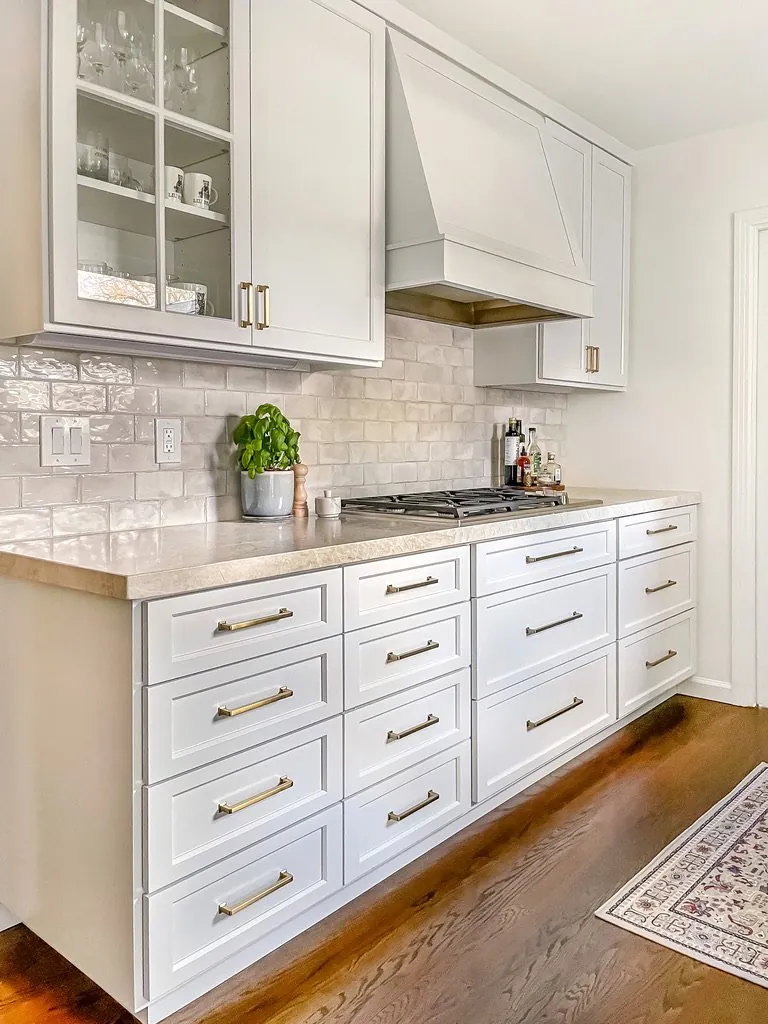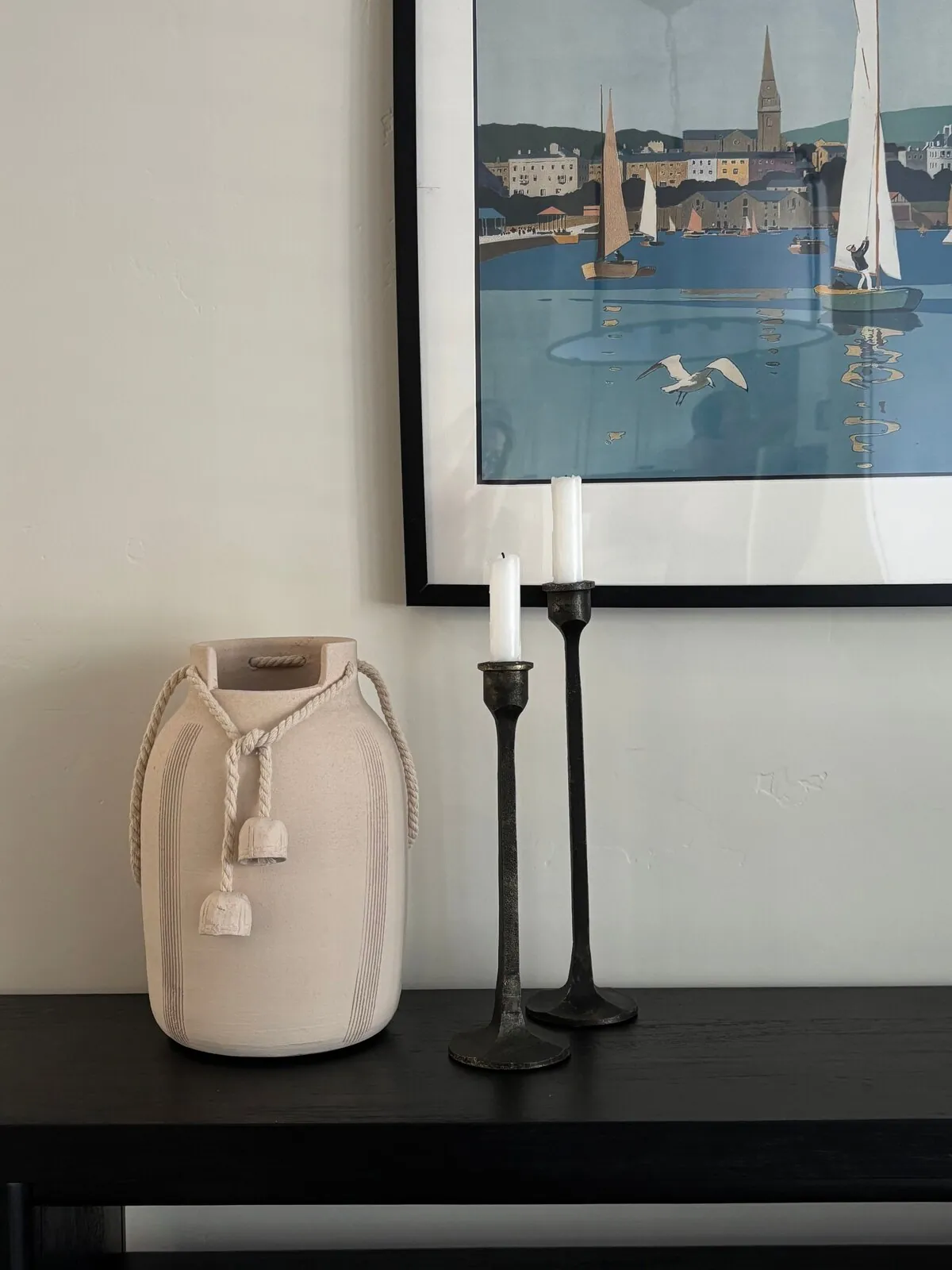
Healdsburg’s homes reflect a rich architectural tapestry shaped by its rural Sonoma County setting and deep agricultural heritage. Unlike the polished modernism of coastal cities or the sprawling suburban styles of inland areas, the region’s design draws from its layered past, whether it’s the sturdy redwood beams of 19th-century farmhouses in the Johnson Street Historic District or the understated elegance of mid-century modern homes that blend seamlessly with the surrounding vineyards. The climate, marked by warm, dry summers and cool, misty mornings in the valleys, influences interiors that prioritize natural airflow, durable materials, and a connection to the land. Reclaimed wood from old barns, locally quarried stone, and deep-stained woodwork pay homage to the area’s farming and winemaking traditions, while newer developments in neighborhoods like Premium South End often incorporate rustic stone fireplaces or built-in wine storage that serves as both function and art. The result is a design philosophy that honors the land’s character, ensuring homes feel as though they’ve grown organically from the landscape rather than imposed upon it.
My design process in Healdsburg begins with an exploration of a home’s relationship to its surroundings, whether it overlooks rolling vineyards, sits near the historic downtown, or borders the quiet backroads of Alexander Valley. I start by assessing how sunlight and breezes move through the space, and which views, like those of the Mayacamas Mountains or the distant Sonoma Coast, deserve prominence. For a home in the Premium South End, I might restore original hardwood floors and expose the original post-and-beam structure, then ground the space with textured wool textiles and leather furniture that evoke the region’s timeless craftsmanship. In a renovation within the Johnson Street Historic District, I preserve the integrity of the original 1920s details, think built-in cabinetry, leaded glass windows, and a mudroom repurposed as a wine cellar, while introducing modern elements that feel intentional rather than disruptive. I also prioritize locally sourced materials, such as Sonoma County oak, slate, or even repurposed wine barrels transformed into lighting or storage, to reinforce the home’s connection to its surroundings. The aim is to create a space that feels both enduring and lived-in, where every detail, from the hardware in the pantry to the textiles on the sofa, reflects the region’s warmth and understated sophistication.
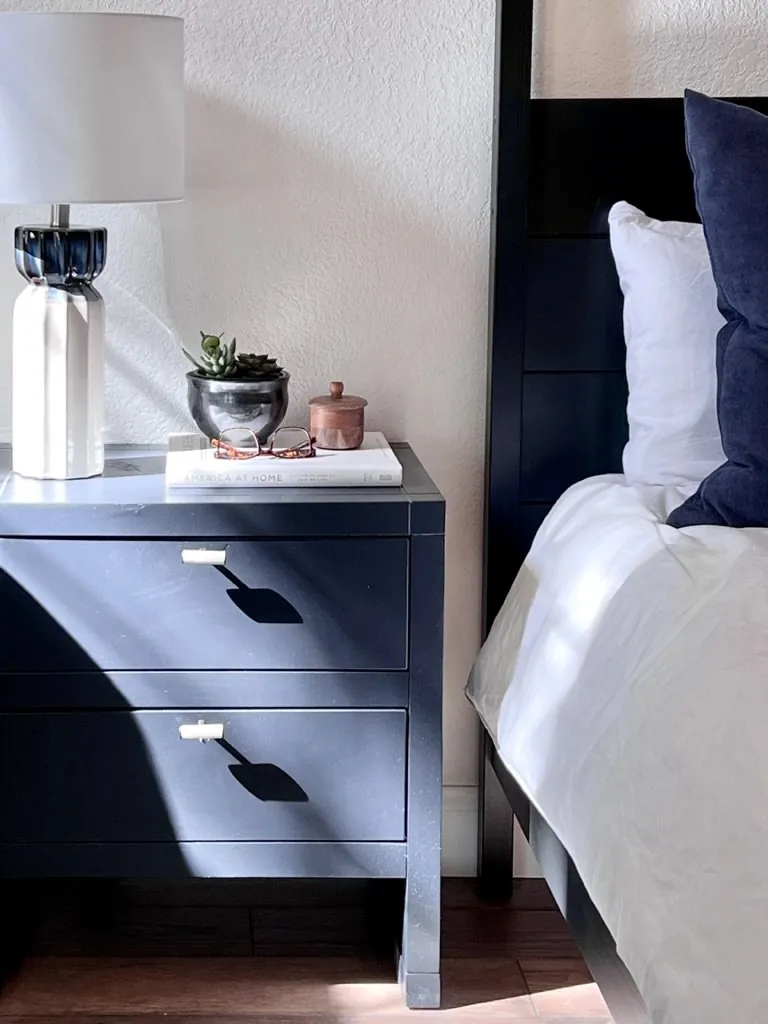
What sets Healdsburg’s design approach apart is its rejection of both coastal minimalism and the more ostentatious styles found in neighboring wine country. While Napa interiors often lean into grand, opulent statements, think marble countertops and gilded accents, Healdsburg favors a quieter, more intimate aesthetic. A kitchen here might feature a live-edge walnut island alongside a vintage farm sink, but it’s just as likely to include a sturdy butcher block table where daily life unfolds naturally. Unlike coastal homes that prioritize ocean breezes and expansive views, Healdsburg interiors focus on framing the land, whether it’s a vineyard at golden hour, the silhouette of Mount St. Helena, or the soft light of a Grove Street evening. The color palettes lean into warm, earthy tones, olive greens, terracotta, deep burgundy, that mirror the hues of the surrounding hills and valleys. Because Healdsburg is a walkable town where community and daily life matter, I design with functionality in mind: mudrooms with built-in drying racks, outdoor spaces that flow effortlessly into gardens, and layouts that encourage connection, like a breakfast nook overlooking the kitchen or a family room centered around a wood-burning stove. The goal is to craft a home that feels like a retreat, one that supports the rhythms of real living rather than just making a visual statement.
Featured Neighborhoods
Our interior design expertise spans Healdsburg and the following neighborhoods: