In 2026, redesigning your pantry to support a healthier lifestyle means creating an organized, accessible space that encourages nutritious choices and minimizes food waste. The key is integrating smart storage, sustainable materials, and thoughtful lighting to make healthy eating effortless.
Built from our active project files, this guide explores the latest trends in pantry design for 2026 that promote wellness, including innovative storage solutions for fresh produce, sustainable finishes, and smart technology integrations. We’ll also cover how lighting and color choices influence eating habits, showcase successful wellness-focused pantry makeovers, and highlight regional considerations specific to Sacramento and the broader Bay Area. As always, our perspective combines forward-looking innovation with timeless design principles, ensuring your pantry supports both health and style in the years ahead.
Direct Answers (Healthy Pantry Makeover 2026)
| What should a healthy pantry makeover include in 2026 for Sacramento homes? | It should prioritize organized, accessible storage with sustainable materials, smart lighting, and zones for fresh produce and health foods. |
| How can I design my pantry to promote healthier food choices in 2026? | Create zones for fresh produce, bulk health foods, and snacks with adjustable, pull-out storage to make nutritious options more accessible and appealing. |
| Are there specific materials recommended for a healthy pantry in Sacramento? | Yes, low-VOC paints, bamboo shelving, and non-toxic finishes are recommended for sustainability and indoor health. |
| What layout considerations are crucial for a wellness-focused pantry? | Prioritize open, zoned storage with easy access, removing dead corners and optimizing circulation for better food preservation and convenience. |
The First Major Move: Creating a Wellness-Centric Layout
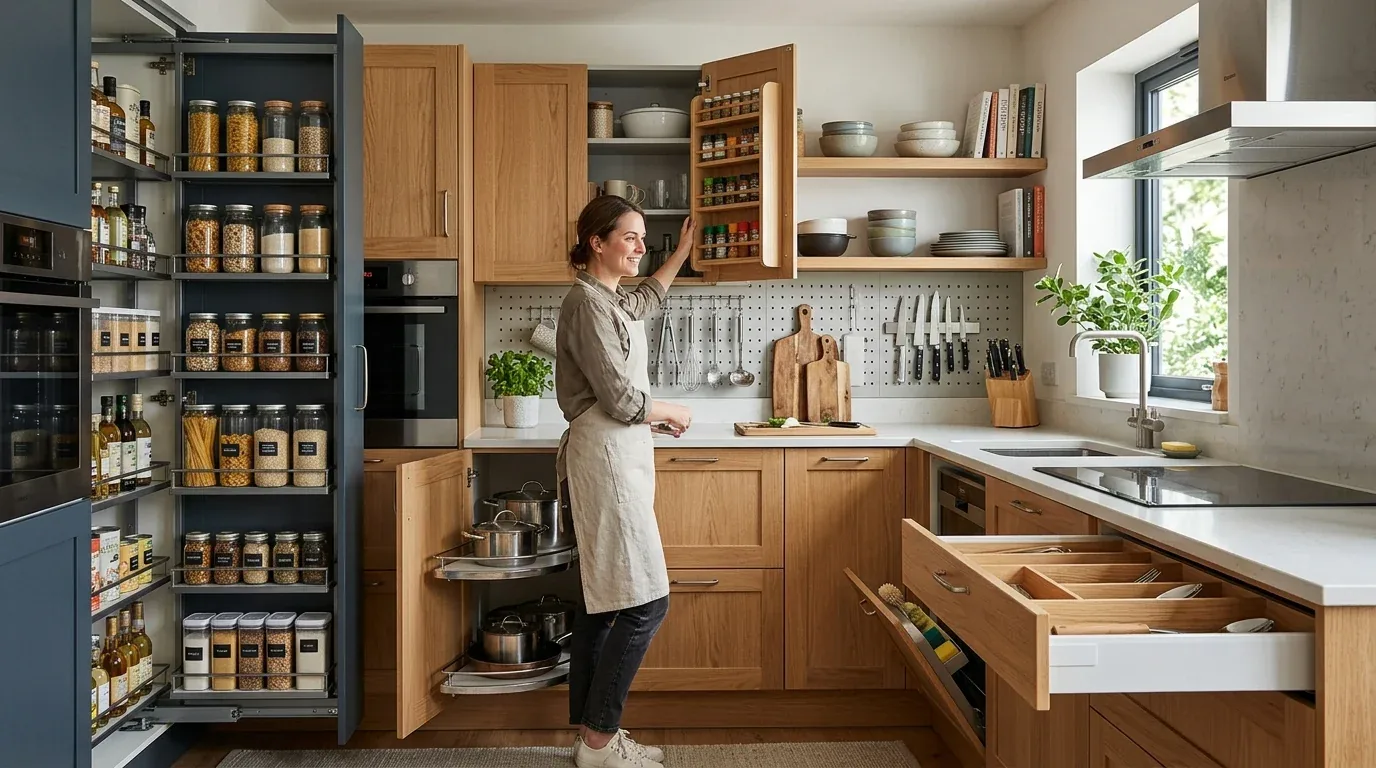
The most impactful step in a healthy pantry makeover for 2026 is designing a layout that prioritizes accessibility and food preservation. Across our active project specifications, we’re emphasizing open, zoned storage areas for fresh produce, bulk health foods, and snack zones that encourage mindful choices. For instance, incorporating pull-out drawers with adjustable dividers from brands like Blum or Salice ensures that users can see all options at a glance, reducing impulse purchases and food waste.
We also focus on integrating sustainable, non-toxic finishes such as low-VOC paints and bamboo shelving, which are considered healthier and more environmentally friendly. The trend toward modular, adaptable storage solutions allows homeowners to customize their pantry over time, supporting evolving dietary needs and reducing clutter. The goal is to make healthy food choices as intuitive and appealing as possible, which begins with thoughtful layout, materials, and lighting design.

Materials and Finishes for a Healthy, Sustainable Pantry
Authenticity-grade materials
- White oak (rift-sawn), for shelves and slats; calmer grain than plain-sawn, durable and low emission
- Bamboo, fast-growing, renewable, and naturally antimicrobial for shelving and accents
- Low-VOC paints and finishes, reduce indoor air pollution and off-gassing
- Recycled glass countertops, sustainable and non-toxic surface options
- Cast concrete, for durable, chemical-free flooring and surfaces
- Solid brass fixtures, PVD-coated for longevity and PBT-free finishes
- Engineered quartz (90-93% quartz content), low maintenance, non-porous, and sealed without additional treatments
- Reclaimed wood, adds character, reduces waste, and supports sustainable sourcing
Generic-grade tells we refuse to spec
- Laminates with Melamine surfaces, prone to off-gassing and less durable
- Particleboard shelving, less stable, often glued with formaldehyde-based adhesives
- Thermofoil finishes, potential for peeling and chemical emissions
- Veneer finishes, less durable and prone to damage from moisture
- Standard MDF, often treated with formaldehyde resins
- Chrome or nickel hardware, less sustainable and prone to corrosion

How can I optimize my pantry for healthier food choices?
The core decision revolves around creating a space that makes nutritious foods accessible and appealing. The first question we ask is: What layout supports daily healthy habits? Across our active project specifications, we focus on zoning for fresh produce, nuts, grains, and snacks, with clear separation to reduce cross-contamination and promote mindful eating. Adjustable shelving, pull-out bins, and dedicated zones for organic or gluten-free items help homeowners make better choices without hassle.
Choosing the right storage solutions and materials also impacts your ability to maintain a healthy pantry. The American Society of Interior Designers emphasizes the importance of natural light and non-toxic finishes to support indoor health. For example, integrating motion-activated lighting and low-VOC paints can influence eating behaviors by creating a calm, inviting environment. Ultimately, designing a pantry that visually supports wellness encourages consistent healthy habits over time.
What are the best storage solutions for fresh produce and bulk health foods?
The decision to select storage solutions hinges on maximizing freshness and reducing waste. The first question we ask is: How can I preserve produce longer while maintaining accessibility? Across our projects, we favor innovative storage like humidity-controlled bins, collapsible baskets, and tiered shelving from brands like Rev-A-Shelf or Hafele. These solutions not only extend freshness but also make healthy foods more appealing and easier to reach.
For bulk health foods, consider large, airtight containers made from recycled or sustainably sourced materials. Drawers with adjustable dividers help organize grains, nuts, and seeds, supporting a wellness-oriented pantry. The trend toward sustainable, chemical-free storage emphasizes durability and environmental responsibility, aligning with our regional focus on eco-conscious design.
Are smart technologies worth integrating into a wellness pantry?
Deciding whether to incorporate smart technology depends on your goals for food management. The first question we ask is: Can automation improve my healthy eating routine? Built into our active projects are solutions like RFID-enabled inventory systems, smart labels, and app-connected sensors from brands like Samsung or LG that track expiration dates and suggest replenishments.
The American Institute of Architects highlights that integrating smart tech enhances usability and reduces food waste, which is both economically and environmentally beneficial. For example, digital inventory apps can notify you when healthy staples are running low, encouraging consistent healthy choices. While initial investment varies, the ROI in reduced waste and improved habits makes these solutions compelling for wellness-focused homes.
How do lighting and color choices influence healthy eating habits?
Lighting and color are powerful tools in shaping behavior. The first question we ask is: Will the environment motivate me to choose healthier foods? Across our projects, we utilize layered lighting, combining task, ambient, and accent lights, to create a calming, inviting space. Soft, natural light enhances the appeal of fresh produce and reduces the temptation for quick, less healthy snacks.
Color choices such as muted greens, warm neutrals, and soft whites promote calm and focus, encouraging mindful eating. The guidance from the American Society of Interior Designers supports that these elements can subtly influence food choices and eating patterns. Thoughtful lighting and color schemes turn the pantry into a space that not only stores food but also fosters wellness and positive habits.
Observed Failure Modes, How Healthy Pantry Makeover 2026 Goes Wrong
From our project debriefs and post-occupancy reviews, 2023-2026.
Overlooking Circulation and Access
The most common failure we see is designing a pantry that looks good but doesn’t support practical use. When circulation paths are narrow or door swings are blocked, even the most sustainable finishes and smart tech are underused. The symptom is cluttered, hard-to-reach shelves that discourage frequent healthy food consumption. The cure is prioritizing circulation and easy access during planning, often by reconfiguring shelving and removing unnecessary obstructions. Tools like site measurements and flow studies help identify these issues early, saving homeowners from costly redesigns later. In Sacramento, where homes often have generous footprints but little built-in storage, paying attention to circulation ensures the space encourages wellness rather than frustration.
Choosing Toxic or Non-Sustainable Materials
Another common mistake is selecting finishes and materials that emit VOCs or are not sustainably sourced. This can undermine the health benefits of a wellness pantry. Symptoms include off-gassing odors and indoor air quality concerns. The solution is specifying low-VOC paints, bamboo shelving, and recycled surfaces aligned with the guidance of the American Society of Interior Designers. These choices not only support healthier indoor environments but also reflect regional eco-conscious values. Educating clients on material certifications and durability ensures their investment promotes both wellness and sustainability over time.
Ignoring Lighting and Color Impact
Many pantry designs overlook lighting and color, which can influence food choices and mood. Bright, harsh lighting can make healthy foods less appealing, while dark, cluttered spaces discourage use. The remedy involves layered lighting strategies and calming color palettes that support mindful, healthy eating. Incorporating natural light where possible, along with warm LED tones, can transform the pantry into a space that motivates nutritious choices. This approach aligns with regional preferences for light-filled homes and natural materials, making wellness an inherent part of everyday living.
What's Going Out for 2026
- Cluttered, inaccessible storage solutions
- Toxic finishes and materials
- Dark, poorly lit pantry spaces
- Overly ornate or traditional styles that hinder accessibility
- Lack of natural light and ventilation
- Ignoring sustainable, non-toxic materials
- Fixed shelving that cannot adapt
- Ignoring technology that can track food inventory
What Healthy Pantry Makeover 2026 Costs in 2026
| Scope | Typical range |
|---|---|
| Cosmetic refresh with refaced cabinets and new fixtures | $40K-$60K |
| Mid-tier full remodel with new cabinetry and layout adjustments | $70K-$110K |
| High-end layout change, structural updates, and integrated smart systems | $120K-$200K+ |
“I had a fantastic experience working with Amy on my bathroom remodel and new pantry after water damage in my home. She has a great eye for design and was amazing at keeping everything organized, especially with all the material choices.”
Working Notes
What We Have Learned Doing This: Healthy Pantry Makeover: A Designer's Guide to the 2026 Look
“The drawings are a promise. Demolition is the truth.”
Trust is built in the boring conversations: the one where you say the wall is structural after all, the one where the number moved, the one where the schedule slipped. Clients forgive reality. They do not forgive being surprised by it.
Old houses lie, and so do new ones. Even a ten-year-old house lies the moment you assume the framing sits where the plans say. We stopped trusting old drawings, prior contractor work, and the phrase it should be fine a long time ago. The budget needs a real line for what demolition will uncover, usually 15 to 20 percent once walls start opening.
After enough projects you stop fearing bad taste and start fearing the boring things: delays, sequencing mistakes, moisture behind a wall, an electrician improvising, framing that is not where the drawings swear it is. The aesthetic part still matters, it is why anyone hires anyone, but execution decides whether the room ever gets built the way it was drawn.
These notes come from our own healthy pantry makeover: a designer's guide to the 2026 look project debriefs. Most were learned the expensive way the first time.
Sources & Professional References
This guide's positions on kitchen are grounded in published building-code, standards, and recognized design-authority sources, alongside Designed | Curated Interiors' verified credentials and active project files:
- American Society of Interior Designers (ASID): interior-design practice standards
- NKBA, Amy Kunst Member Profile (verified credential, NKBA Committee Member)
- Featured in: Homes & Gardens (design expert quote, May 2026) · Sacramento Love (guest author, 2024)
Frequently Asked
What should a healthy pantry makeover include in 2026 for Sacramento homes?
How can I design my pantry to promote healthier food choices in 2026?
Are there specific materials recommended for a healthy pantry in Sacramento?
What layout considerations are crucial for a wellness-focused pantry?
Do I need permits for structural or electrical changes in my pantry remodel in Sacramento?
What are some sustainable finishes and features for a healthy pantry?
How can regional Sacramento architecture influence pantry design choices?
From Healthy Pantry Makeover 2026 to a Real Room
A trend piece is the briefing document, not the deliverable. The pages below show how we translate these principles into finished rooms across Sacramento and the rest of Northern California.
- Sacramento & Bay Area Interior Design Services How we scope, source, and deliver work end to end.
- Interior Designer Hub, Sacramento Where most of our Sacramento work lives, the regional fit explained.
- Modern Tudor Homes: Authentic, Revival, and Neo-Tudor (A Designer Reference) Heritage-architecture renovation patterns from our project files.
- Japandi Living Room: A Designer's Guide to the 2026 Look The 2026 warm-neutral playbook applied to the living room.