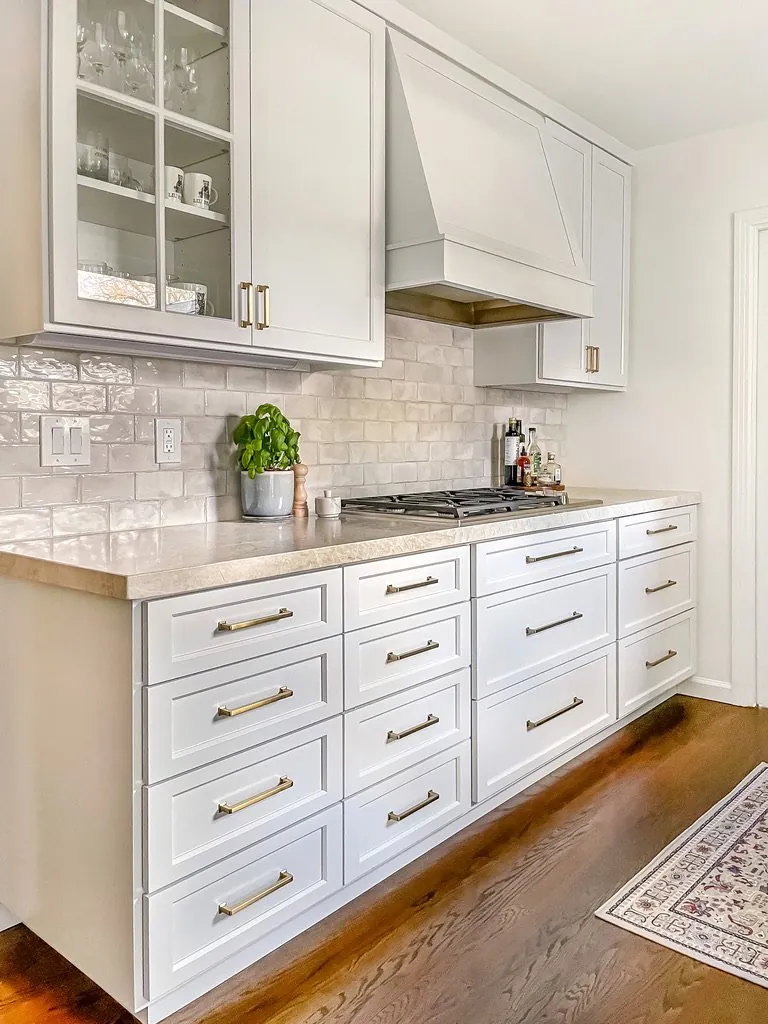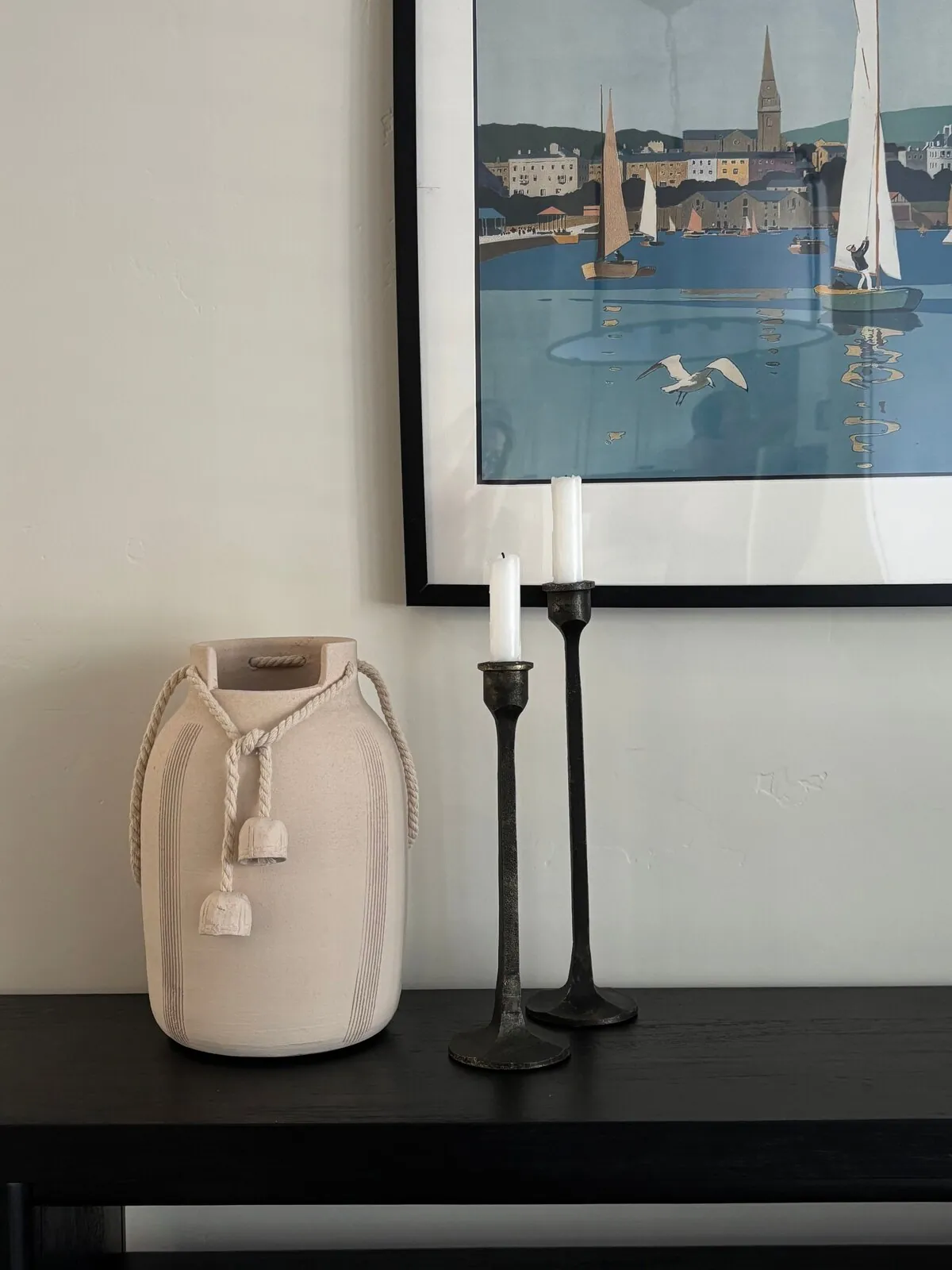
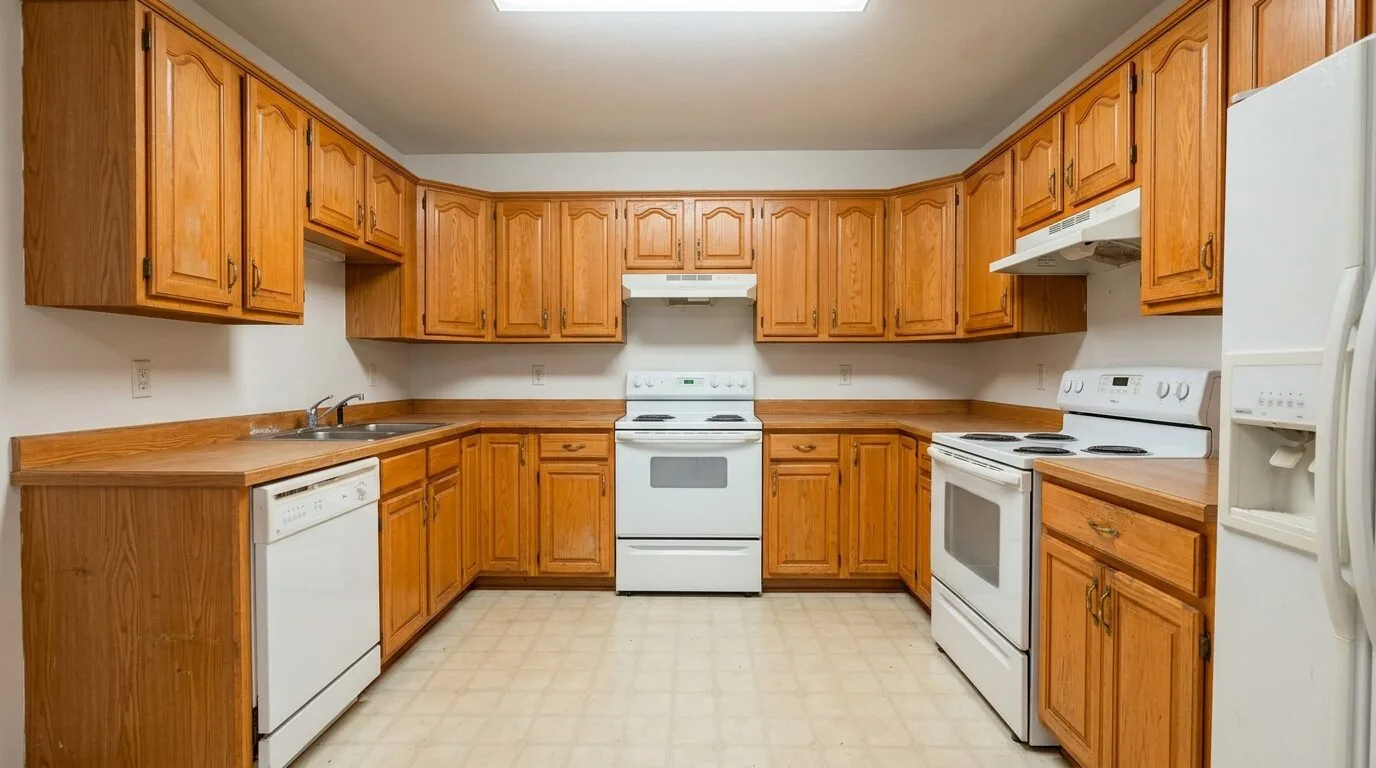
Restaining kitchen cabinets in 2026 involves cutting-edge techniques and eco-friendly products that enhance durability and appearance. Modern methods focus on sustainability, precision, and innovative finishes that were not available in previous years. This guide will help you understand the latest trends and tools for updating your kitchen’s look with confidence.
Built from our active project files, this post covers the newest stain products, trending colors and finishes, technological advancements, budget considerations, and regional design influences specific to Sacramento and Marin. As designers committed to warm-restraint aesthetics, we focus on thoughtful updates that respect both style and sustainability in the evolving 2026 landscape.
Common Questions
| What are the latest techniques for restaining kitchen cabinets in 2026? | The current standard is using water-based stains with advanced polymer binders for better adhesion and durability, paired with precision sprayers like the Wagner Control Pro 250 to minimize waste and ensure even coverage. |
| How do I choose eco-friendly stains for restaining cabinets in Sacramento? | Stick to low-VOC options like Sherwin-Williams Resilience or Benjamin Moore EcoSpec—both are proven for longevity, deep color payoff, and minimal off-gassing, which matters in older homes with limited ventilation. |
| When should I consider restaining instead of replacing kitchen cabinets? | If your cabinets are structurally solid but just need a refresh—say, oak transformed into walnut—restaining is the smarter move, cutting costs and demo hassle while preserving the original framework. |
| Are there specific regional trends in Sacramento for cabinet finishes in 2026? | Locally, warm neutrals—think soft taupes, greiges, and umbers—are dominating, thanks to Sacramento’s bright light and historic homes where muted tones keep the space feeling timeless without overwhelming. |
Embracing Innovative Staining Techniques and Eco-Friendly Products
In 2026, the restaining of kitchen cabinets is shifting toward sustainable, low-impact products that do not compromise on performance. Water-based stains with advanced polymer technology now offer excellent adhesion, color richness, and durability, all while reducing VOC emissions. Brands like Sherwin-Williams' Resilience and Benjamin Moore's EcoSpec are leading the way with formulations designed for longevity and environmental safety.
Alongside product innovation, application methods have evolved. High-efficiency sprayers such as the Wagner Control Pro 250 or Fuji Mini-Mite 4 offer even, controlled coats that minimize waste and mess. These tools allow for faster, cleaner work compared to traditional brushes and rags. Finishing options now include matte and satin sheens that enhance the natural beauty of wood while hiding imperfections. The trend toward warm neutrals like soft taupes, gentle greiges, and muted umbers continues to dominate, providing a timeless yet fresh look for Sacramento kitchens.
Across our active project specifications, these innovations enable homeowners to refresh their cabinets with less disruption and more confidence in the longevity of the finish. The emphasis on sustainability aligns with regional values and the increasing demand for healthier indoor environments. Restaining in 2026 is less about masking and more about celebrating the natural grain with eco-conscious, durable finishes that fit seamlessly into modern, warm-restraint interiors.


Common Mistakes to Avoid in Restaining Kitchen Cabinets in 2026
One of the most common mistakes is choosing the wrong product for the material or finish desired. For example, using traditional oil stains on modern, sleek cabinetry can result in uneven color and longer drying times, which the NKBA highlights as avoidable. Another pitfall is neglecting proper surface prep; skipping sanding or cleaning can cause adhesion issues and uneven coloration, leading to costly rework.
Overlooking environmental factors such as regional humidity and temperature can also cause finishes to peel or bubble over time. In Sacramento, where dry summers and moist winters alternate, selecting low-VOC, flexible finishes is essential. Lastly, rushing the process without testing small areas often results in unexpected color shifts or grain obscuration. Always test before proceeding to the entire cabinet set, especially with new eco-friendly formulations. Watch for traditional brushes for all applications. Avoid skipping environmental testing in regional climate.
Sources & Professional References
This guide's positions on materials are grounded in published building-code, standards, and recognized design-authority sources, alongside Designed | Curated Interiors' verified credentials and active project files:
- American Society of Interior Designers (ASID): interior-design practice standards
- International Code Council (ICC): Chapter 8 Interior Finish Decorative Materials And Furnishings
- NKBA, Amy Kunst Member Profile (verified credential, NKBA Committee Member)
- Featured in: Homes & Gardens (design expert quote, May 2026) · Sacramento Love (guest author, 2024)
Related reading
- Sacramento & Bay Area Interior Design Services How we scope, source, and deliver work end to end.
- Interior Designer Hub, Sacramento Where most of our Sacramento work lives, the regional fit explained.
- San Rafael Kitchen Redesign Consultation: How The Process Works (And What We Actually Ask You) San Rafael kitchen redesign consultation, how the process works, what we ask in the 13-section questionnaire, the on-site walk, and the stru
- Best Gray Paint Colors For Kitchen Cabinets Related cluster piece referenced from the Best Gray Paint Colors For Kitchen Cabinets build files.
- How Much Does Kitchen Countertop Guide In Fresno | Interior Designer Related cluster piece referenced from the How Much Does Kitchen Countertop Guide In Fresno | Interior Designer build files.