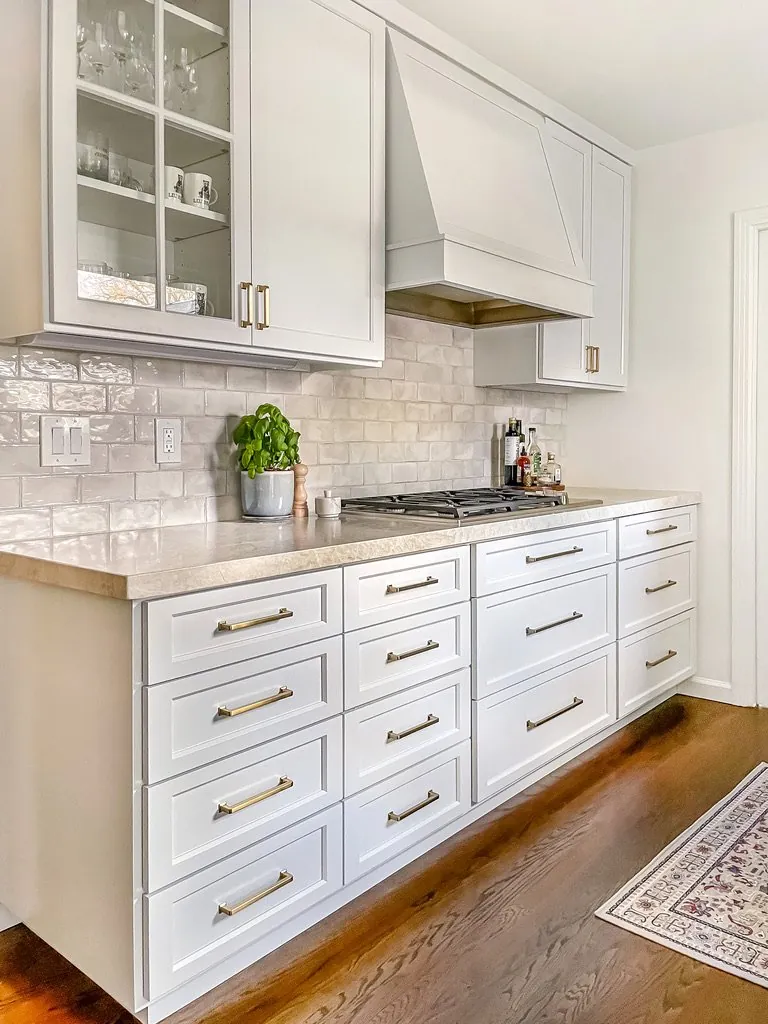
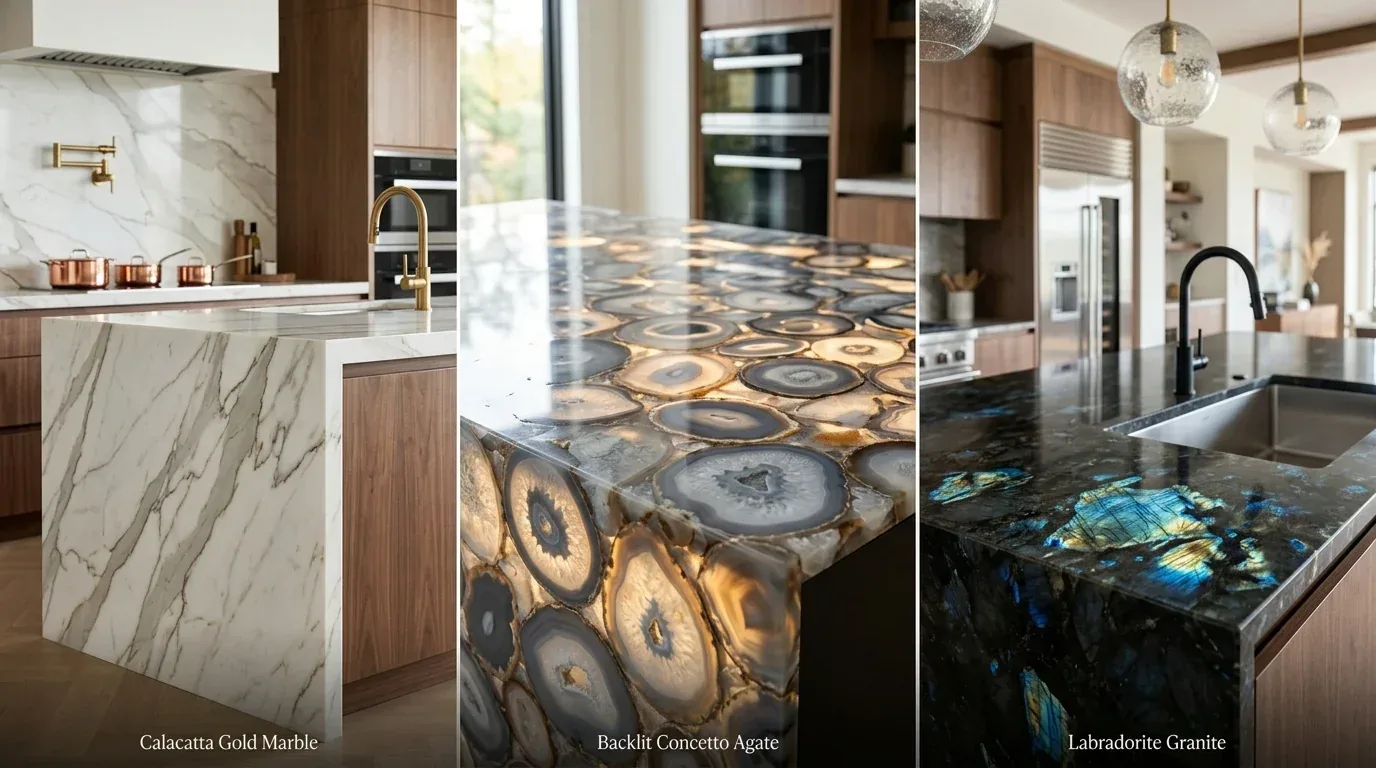
Use the right products and quartz becomes easy to clean. Go for gentle cleansers. No abrasives. Proper maintenance preserves the beauty and durability of quartz while preventing common issues like staining or dulling the finish.
These methods handle quartz cleaning well. It's especially useful for homeowners in Sacramento. We address common stains so you can handle mishaps easily. We want your quartz to stay looking great.
Direct Answers (How To Clean Quartz Countertops)
| What is the best way to clean quartz countertops in Sacramento? | Use diluted dish soap. It's a pH-neutral cleaner. Avoid harsh chemicals. |
| Are there specific products recommended for cleaning quartz countertops? | Yes, NKBA recommends using gentle, non-abrasive cleaners such as mild dish soap or commercial quartz surface cleaners available at local hardware stores. |
| How can I remove stains or spills from my quartz surface safely? | Identify stains. Use mild soap and water. Scrub those tough stains with baking soda. |
| What common mistakes should I avoid when cleaning quartz countertops? | Avoid using scrub pads or anything acidic like vinegar. |
What is in and what is out for 2026: cleaners, chemicals to avoid, cleaning frequency, DIY options, and 4 more
| Element | In | Out |
|---|---|---|
| Cleaners | Gentle, pH-neutral cleaners | Abrasive cleaners |
| Chemicals to avoid | Avoiding harsh chemicals | Harsh bleach or ammonia |
| Cleaning frequency | Regular cleaning schedule | Overly frequent cleaning |
| DIY options | DIY solutions for light stains | DIY solutions that damage |
| Stain removal | Proper stain removal techniques | Aggressive scrubbing |
| Finishing care | Maintaining shine and finish | Using abrasive pads |
| Stain-specific tips | Specific stain treatment knowledge | Leaving spills unattended |
| Product safety | Safe cleaning products | Using vinegar or lemon |
Choosing the Right Products for Quartz Cleaning
When it comes to cleaning quartz countertops, selecting the appropriate products is essential for maintaining their appearance and integrity. The NKBA recommends using pH-neutral, non-abrasive cleansers that are gentle enough to preserve the surface’s engineered resin and quartz particles. Mild dish soap or a quartz cleaner will do the trick. Find them at hardware stores. Skip bleach and ammonia. They discolor quartz.
Homeowners often use cleaners that damage their counters. Scrub pads and vinegar scratch quartz. Soft cloths help. Check what the product label says to do. Clean gently to keep your counters looking shiny.
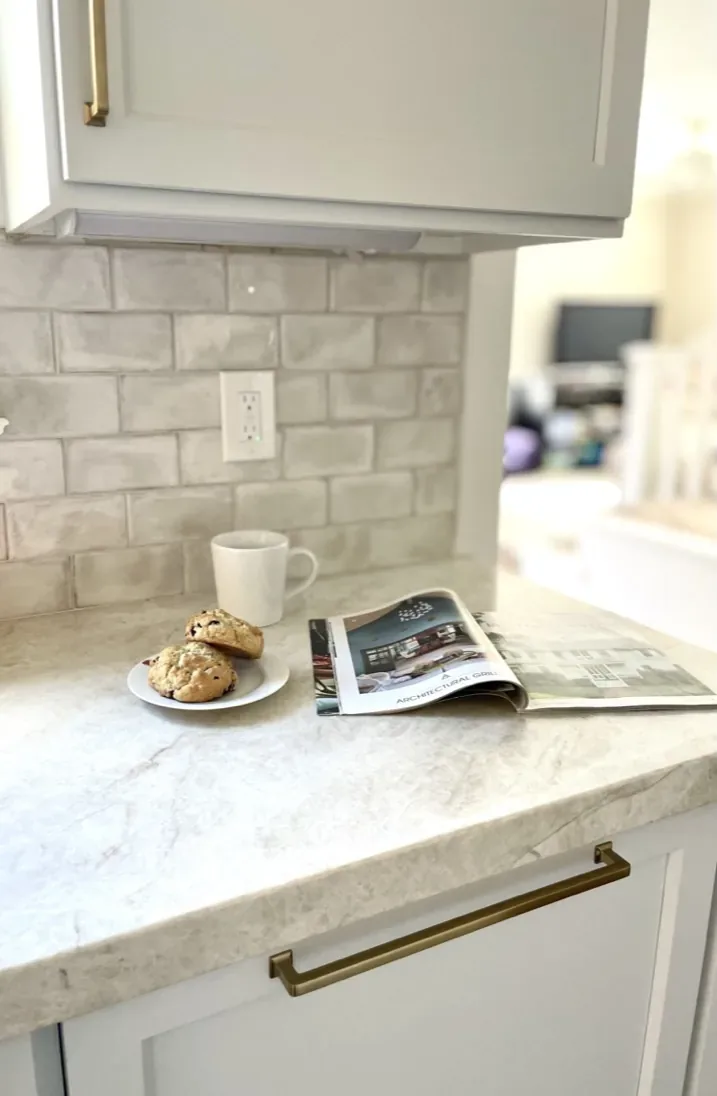
Comparative Styles and Cleaning Implications
| Style | Traits | Ideal Use | Cleaning & Maintenance |
|---|---|---|---|
| Quartz Surface | Engineered, uniform color, stain-resistant | Requires gentle cleaning, avoid abrasives | Best for high-traffic kitchens |
| Natural Granite | Unique veining, requires sealing | Use pH-neutral cleaners, reseal periodically | Ideal for traditional or luxe designs |
| Marble | Soft, veined, high maintenance | Avoid acids and abrasives, frequent sealing | Best for decorative accents or low-use areas |
| Laminate | Cost-effective, easy to replace | Use mild soap, avoid water intrusion | Suitable for budget-conscious projects |
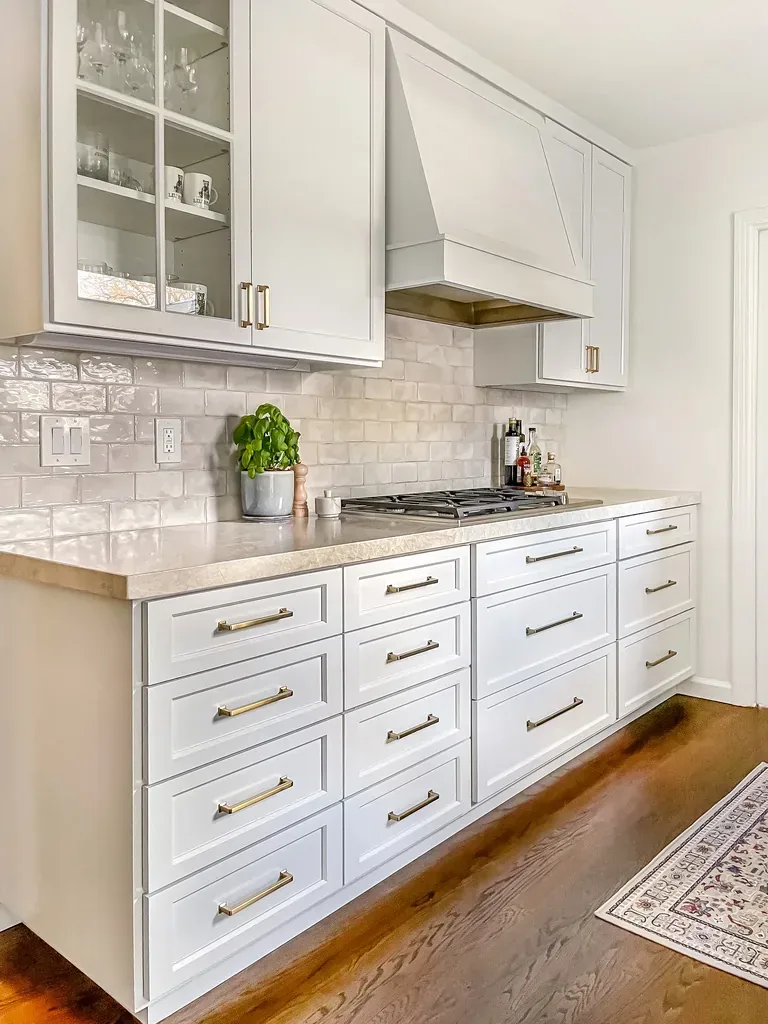
How to Safely Remove Stains and Spills from Quartz
Homeowners often wonder about the best way to handle different types of stains or spills on quartz countertops. The first question we ask is what caused the stain, was it oil, wine, coffee, or something acidic like lemon juice? Know the spill. Safe removal matters for surface protection. Most stains can be removed with water and mild dish soap. Soft cloth, done. Tough stains? Make a paste with baking soda. Use a non-abrasive sponge.
Don't use anything harsh or acidic on quartz. Resin gets damaged by those harsh cleaners or heat. Spills that sit too long? Nightmare to clean. Act quickly. Use a quartz stain remover from local suppliers. Follow the instructions. Act fast. A light touch can restore its shine.
Maintaining the Shine and Finish of Quartz Countertops
Many Sacramento homeowners ask how to keep their quartz countertops looking shiny and fresh over the years. Use a microfiber cloth and a pH-balanced cleaner for maintenance. The American Society of Interior Designers emphasizes that avoiding harsh chemicals and abrasive pads is vital for preserving the surface’s finish. Twice a year, add quartz polish. Stick to what the maker lays out.
Keep heat and sharpness away. Keep hot pads and cutting boards nearby. Regular cleaning and polishing can maintain its luster. Clean that spill right away; you'll skip the stain trouble. With steady care, quartz keeps looking upscale for years. Seal any natural stone too. Avoid neglecting natural stone seals near quartz.
Addressing Different Types of Stains and How to Treat Them
Different stains require tailored approaches, especially on engineered quartz surfaces. Clean coffee or wine spills with soap and a soft cloth. Grease needs a manufacturer-approved degreaser. For deposits? Try a baking soda paste. Use a soft pad. Go light and gentle. Wipe lemon or vinegar right away. Stops etching.
Use a specialized quartz cleaner for stubborn stains. Follow instructions. In Sacramento, don't delay cleanup. Stone yards move fast. Keep quartz flawless with quick, specific fixes. Avoid big repair bills.
Project-specific failure modes: Harsh cleaners, abrasive scrubbing, spill neglect, and overcleaning
From our project debriefs and post-occupancy reviews, 2023-2026.
Applying bleach, ammonia, or acidic cleaners causes discoloration and etching
Applying bleach, ammonia, or acidic cleaners like vinegar or lemon on quartz can cause discoloration or etching. Not safe for quartz resins. They're sensitive. You could end up with dull spots. Repairs get pricey. Try cleaners that have a neutral pH. Look for the manufacturer's cleaning suggestions.
Using steel wool or rough scrub pads creates micro-abrasions and dulls the surface
Using steel wool, rough scrub pads, or abrasive powders can scratch the surface of quartz, creating micro-abrasions that trap dirt and diminish shine. Over time, small flaws might start showing. Overcleaning regrets. Use soft cloths. Go gentle, mild soap does the trick. That'll keep it smooth and shiny.
Ignoring spills leads to staining or etching over time
Leaving spills unattended, especially acidic or pigmented substances like wine or coffee, can lead to staining or etching if not cleaned promptly. Liquids soak in fast. Stone accents make it worse. Wipe quickly with a soft cloth to fend off stains. Regular care saves money.
Overcleaning or excessive polishing dulls the quartz finish
Cleaning too frequently or using harsh polishing agents can dull the finish over time. Too much can ruin protection. Less is more. Polish gently, not often. Stick to mild soap wiping. Balance your routine. That beauty will last.
Sources & Professional References
This guide's positions on bathroom are grounded in published building-code, standards, and recognized design-authority sources, alongside Designed | Curated Interiors' verified credentials and active project files:
- International Code Council (ICC): Chapter 29 Plumbing Systems
- International Code Council (ICC): Chapter 27 Plumbing Fixtures
- NKBA, Amy Kunst Member Profile (verified credential, NKBA Committee Member)
- Featured in: Homes & Gardens (design expert quote, May 2026) · Sacramento Love (guest author, 2024)
Frequently Asked
How does Sacramento’s climate affect quartz countertop maintenance?
Related reading
- Sacramento & Bay Area Interior Design Services How we scope, source, and deliver work end to end.
- Interior Designer Hub, Sacramento Where most of our Sacramento work lives, the regional fit explained.
- Bathroom Renovation and Tile Guide: How to Refinish a Cast Iron Clawfoot Tub, Concrete Bathtub Pros and Cons, Custom Shower Pan for Tile, Shower Jambs, Vintage Pendant Lighting, Built In Shower Mirror, and Easy to Clean Shower Doors Discover the 2026 bathroom renovation tile guide, focusing on trends and materials ideal for Hillsborough and Mill Valley homes.
- How To Maintain Granite Countertops: A Designer's Guide to the 2026 Look Learn essential tips on maintaining granite countertops in Hillsborough, ensuring their beauty and durability for years to come.