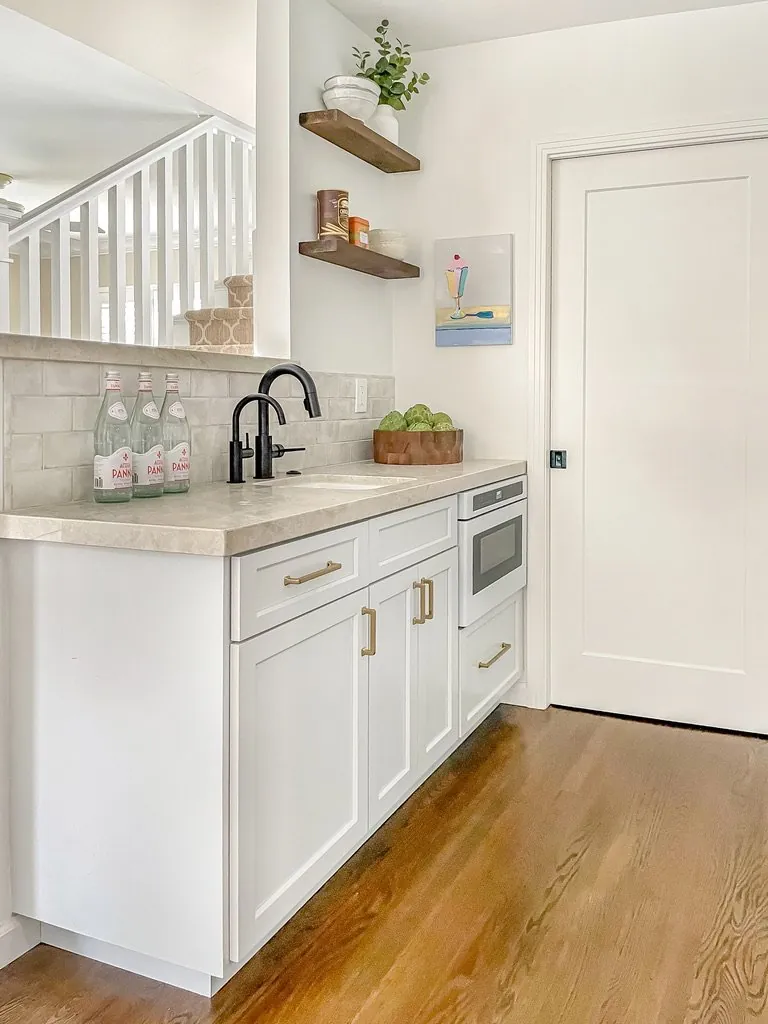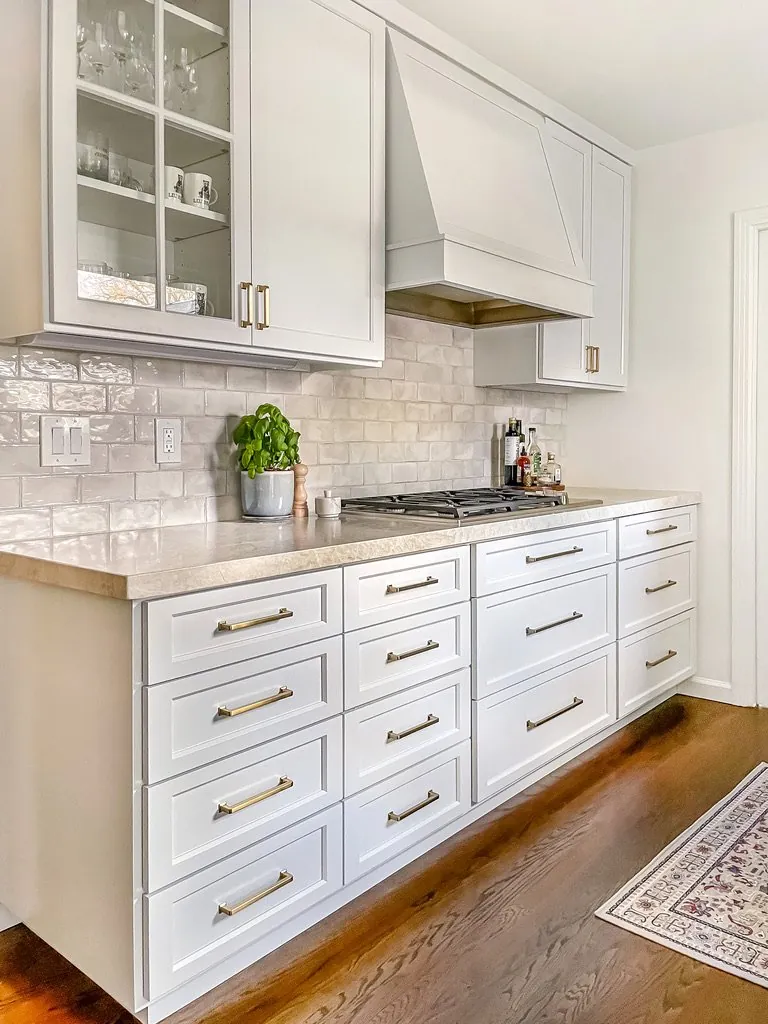
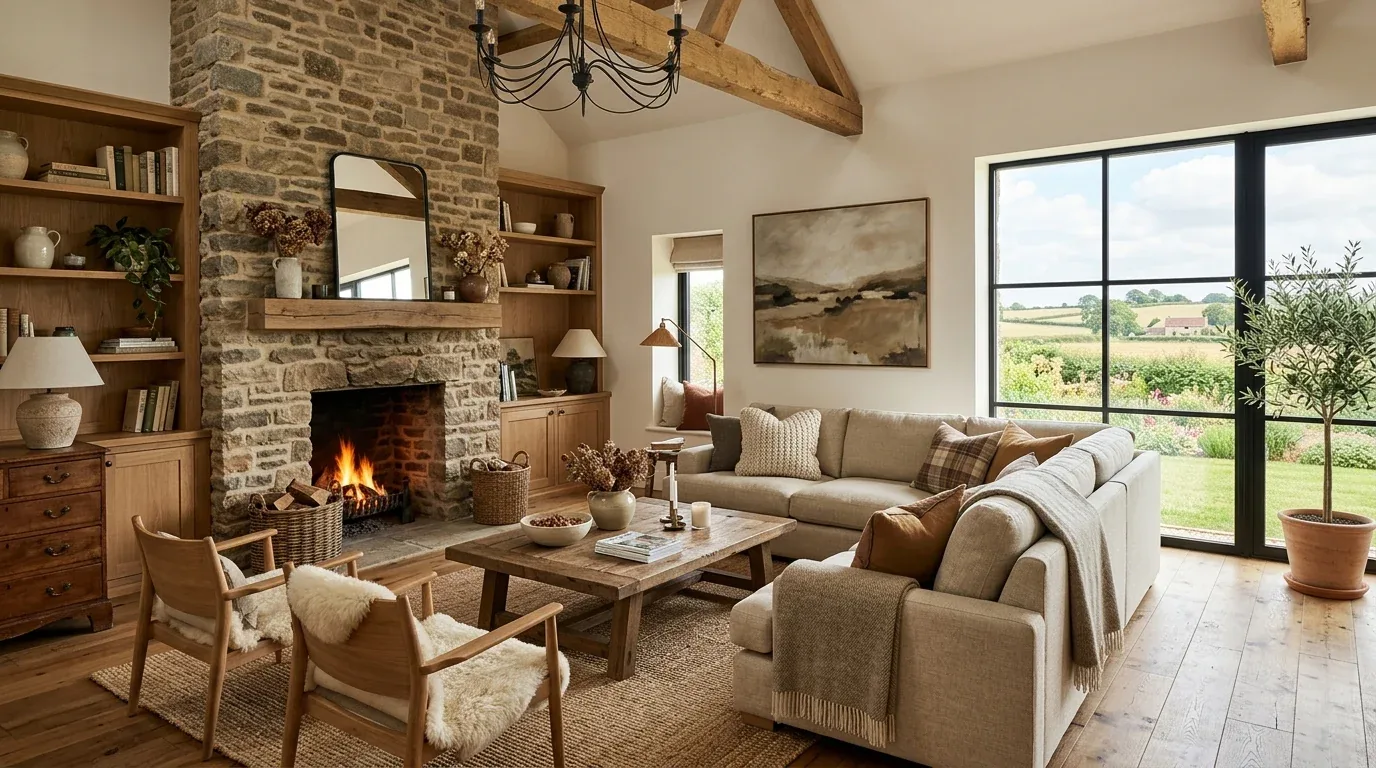
2026 interior design? Integrate tech into spaces that flow and connect easily. Balance smart materials with sustainability and tech. Future focus, local fit. Design in 2026 blends calm transitions and tech within a neat, unified look.
This guide talks material trends, color ideas, smart home setups, all pulled from active projects. We'll add specifics for Sacramento and Marin. Think local styles and tweaks. The goal is mixing warmth, simplicity, and new ideas for a space that's timeless in 2026.
Common Questions
| What are the key principles for designing seamless interiors in 2026? | The focus is on continuity between spaces—no visual breaks between floors, cabinetry, and walls. This means using large-format materials like continuous quartz countertops that span multiple surfaces, and avoiding disruptive trim or hardware. Universal Design principles also play a role, ensuring accessibility without sacrificing cohesion. |
| How can I incorporate technology seamlessly into my interior design? | For cabinets, use flush-mounted wireless charging pads (like those from Belkin or Anker) behind doors with magnetic closures—no visible cords or outlets. Underfloor heating systems (like Warmup’s UFH) can integrate into seamless flooring without surface disruption, and LED strip lighting behind baseboards or under shelves creates ambient glow without bulk. Smart glass (e.g., SageGlass) is an option for privacy control, but it’s costly—typically $200–$400 per square foot—and best suited for high-traffic areas where glare is an issue. |
| What materials are recommended for achieving seamless surfaces in 2026? | Polished quartz remains a top choice for countertops and wall panels because it’s non-porous, resists stains, and can be fabricated in large sheets (up to 12 feet) for uninterrupted runs. For wood, large-format veneers (like 4x8-foot sheets) minimize visible seams, but they require precise installation to avoid gaps—especially in high-moisture areas. Natural stone (e.g., honed marble or travertine) can also work, but it’s heavier and needs professional sealing to prevent staining. |
| How does regional architecture influence seamless interior design in Sacramento? | Sacramento’s climate—hot, dry summers and mild winters—favors open, airy layouts that maximize cross-ventilation, which aligns with seamless design’s emphasis on fluidity. Locally sourced materials like reclaimed redwood or butternut wood veneers add warmth without clashing with the region’s mid-century modern and craftsman influences. For seamless surfaces, locally quarried stone (e.g., Sierra granite) can reduce shipping costs and support continuity in texture and tone. |
Embracing Seamless Surfaces and Hidden Tech
In 2026, the most impactful design move for achieving seamless interiors is the adoption of continuous surface materials combined with integrated technology. Go for big quartz slabs. They streamline things. Surfaces run from counters to walls, creating a relaxed, connected space.
Tech hides in cabinets and floors. It vanishes but works. Wireless charging, voice lights, smart glass. It's expected now. The American Society of Interior Designers emphasizes that a seamless interior is about less visual clutter and more harmony, achieved through thoughtful material and tech choices. Aesthetics vs. function. Keep tech useful, not in your face.
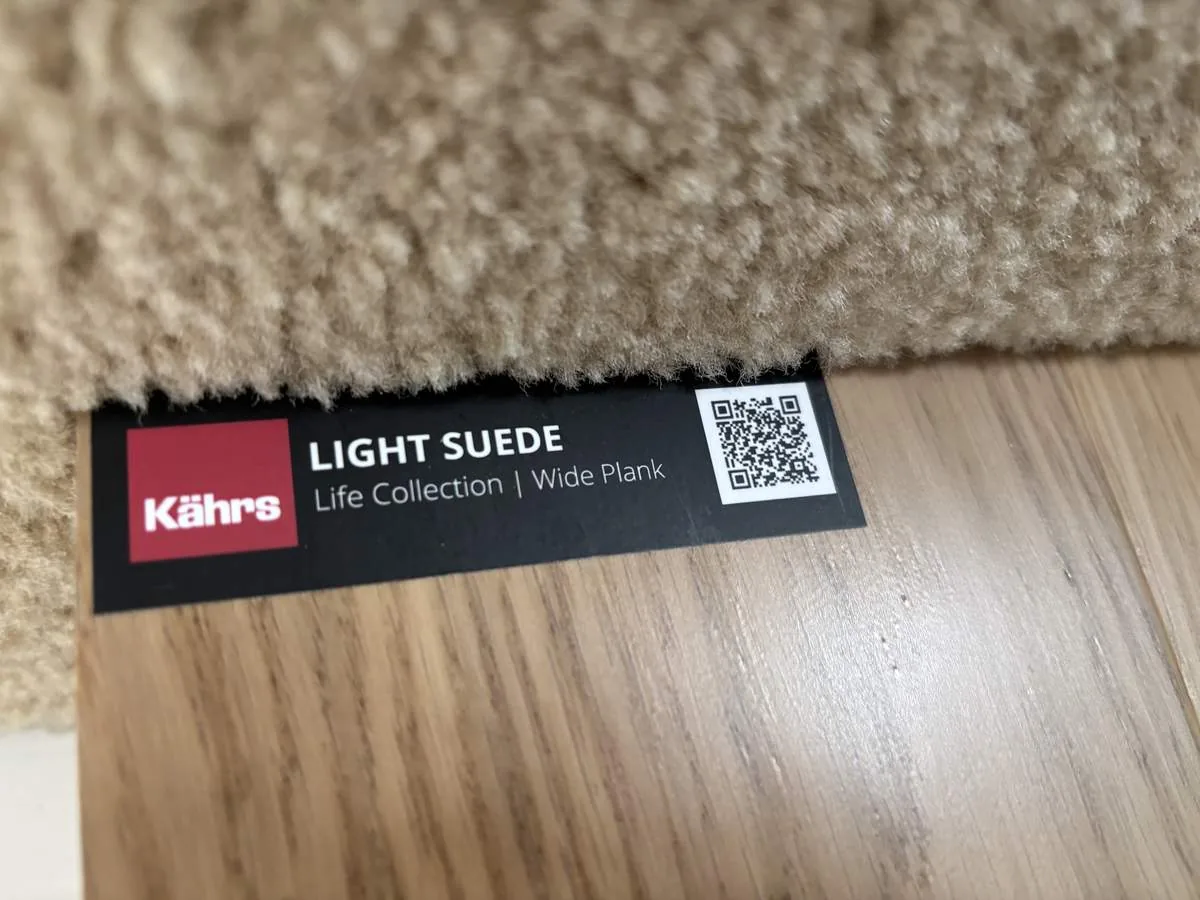
Material Specificity for Seamless Interiors in 2026
Authenticity-grade materials
- White oak (rift-sawn), for floors and slat details; calmer grain than plain-sawn, enhances warmth
- Polished porcelain, for continuous surfaces; durable and mimics natural stone
- Matte black hardware, for subtle accents; blends into the overall muted palette
- Low-VOC paint, for sustainability; reduces VOCs and adds to indoor air quality
- Felted wool, for acoustic panels; softens sound and adds texture
- Smart glass, for windows and partitions; adjusts transparency seamlessly
- Reclaimed wood, for accents; regionally sourced and eco-friendly
- Brushed brass, for fixtures; adds warmth without visual clutter
Generic-grade tells we refuse to spec
- Standard laminate, less durable and less authentic
- Glossy paint, prone to fingerprints and glare
- Plastic hardware, less sustainable and lower quality
- Varnished wood, less environmentally friendly
- Synthetic stone, lacks authenticity and warmth
- Conventional drywall, not acoustically optimized
- Non-recyclable finishes, environmentally irresponsible
- Obvious tech casings, disrupt visual flow
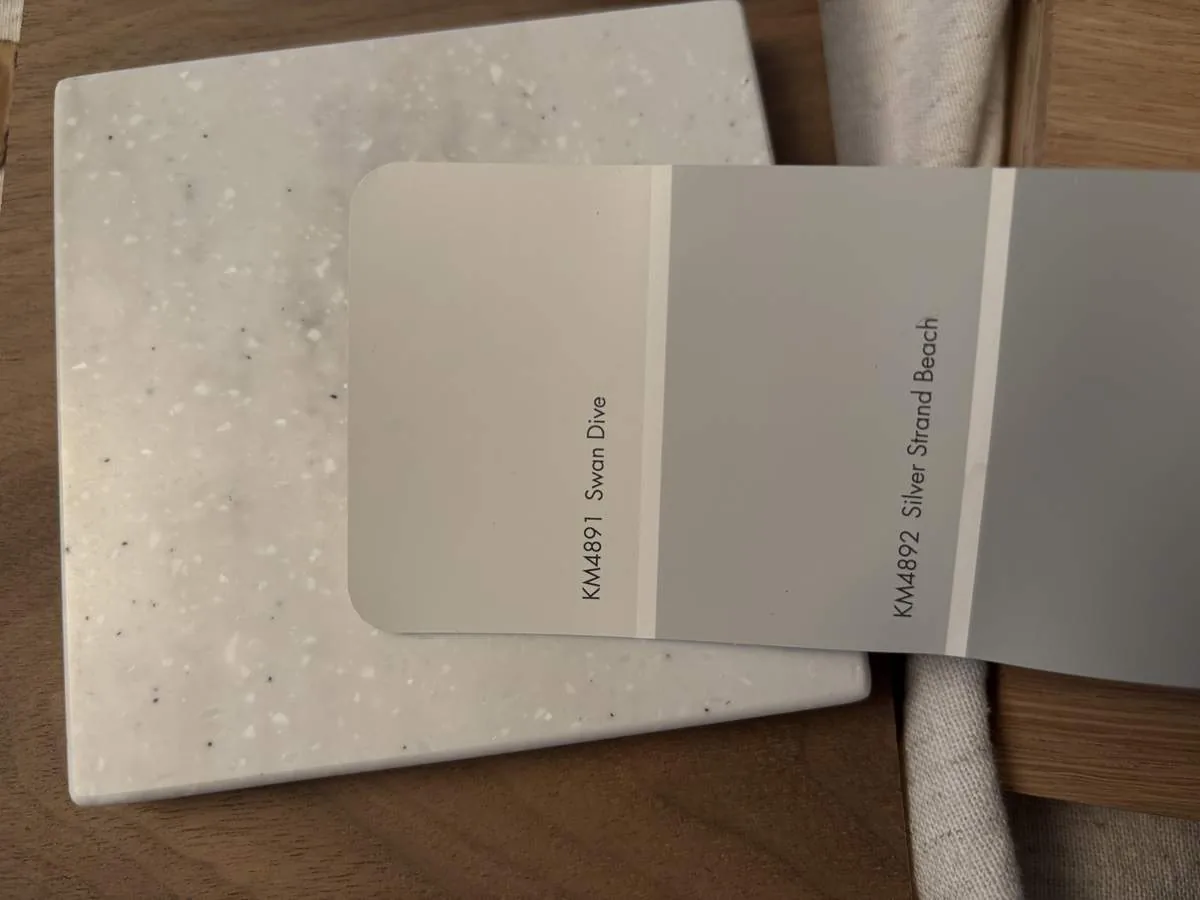
How to Decide on the Right Surface and Tech Integration
The core challenge for homeowners is understanding how to choose surfaces and embedded technology that enhance flow without cluttering the space. The first question we ask is: what are the main functions of the space, and how can surfaces support those? Turn those quartz counters up the wall. Induction cooktops? Tuck those away. Smart glass keeps living rooms open, views unblocked.
Our approach involves detailed measurements, mockups, and material sampling. We often use site photos and story poles to verify dimensions and ensure that surfaces align perfectly. Hide wires, use wireless pads to clear surfaces. Plan to avoid mistakes like clashing materials. Saves time and money. Homeowners need to know Sacramento’s material lead times to avoid mismatches. Surfaces and tech should mix well. Aim for calm spaces.
Custom vs Stock: What’s the Best Choice for Seamless Interiors?
Choose between stock or custom materials for 2026. The first question we ask is: what is your budget, and how much flexibility do you have? Custom details and finishes integrate best. They take time and cost more, though. Custom cabinets can hide tech, making them blend in perfectly.
Stock options from local fabricators or high-quality brands like Wayfair’s premium lines can deliver good results faster and often at a lower cost. The American Society of Interior Designers emphasizes that a well-chosen stock piece, with strategic modifications, can achieve a seamless effect if planned carefully. Balance budget with how you want it to look and work. In Sacramento, plan early with suppliers. Material supply can be unpredictable.
Will This Trend Be Timeless or Just a 2026 Fad?
Decide: trendy features or timeless design? The first question we ask is: what is your long-term vision for the space? Stick with hidden tech and neutral colors. Pick low-VOC finishes. They're green and match 2026 trends. Good for future value in Sacramento.
Tech changes. Flow and cohesion? Classic. The American Society of Interior Designers highlights that a balanced approach, combining current innovations with classic materials, ensures your space stays relevant and functional for years. Think long-term. Remodeling's pricey in Sac. Focus on flexibility. Mix your style with 2026 trends.
Common Mistakes That Make Seamless Interiors Look Cheap or Date Fast
One common mistake is overusing high-gloss surfaces that reflect fingerprints and glare, making the space look busy rather than cohesive. Skip bulky tech shells. Conceal them in cabinets or walls. Pick finishes that suit the region. It affects longevity. Bad choices happen without careful material selection and planning.
Observed Failure Modes We See in the Field
From our project debriefs and post-occupancy reviews, 2023-2026.
Misaligned Surface Transitions
In several recent projects, homeowners assumed that large-format slabs would seamlessly connect without detailed planning. Marked the layout. Seams land at the sink. Too visible. The seam was obvious. Lighting showed mismatched grain and color. $25,000 and two weeks lost altering the layout. Plan transitions now. Sacramento's stock changes often. Avoid expensive errors. Use a light meter.
Obtrusive Tech Elements
Installing visible tech components like bulky outlets or exposed wiring can undermine the seamless aesthetic. Chargers got added after. Messy. It left a patchy mess. More cleanup needed. The American Society of Interior Designers emphasizes the importance of concealing tech within cabinetry or behind panels. Plan early! Saves time and money.
Choosing Inappropriate Materials
Using materials that are not regionally suitable or sustainable can lead to premature wear or environmental issues. That high-gloss finish? It showed prints and glare. Bad choice. Sacramento likes matte, low-VOC, reclaimed wood. Choose materials wisely. They shape durability and area character.
Ignoring Natural Light
Overlooking the role of natural light can make even the most seamless surfaces appear dull or disconnected. Wanted a dark interior? Too little light made it feel closed. Place windows smartly to bounce light around. The American Society of Interior Designers advocates for designing with natural light in mind to enhance cohesion and mood.
Poor Planning for Layout and Flow
Failing to consider how spaces interact can result in layouts that feel disjointed. Open rooms need furniture that works hard. Bad surface changes ruin flow. Kickoff with photos and mockups to spot flow problems early. Open floor plans in Sacramento homes need thoughtful design to work properly.
What's Going Out for 2026
- Overly ornate or traditional details
- Obtrusive tech visible on surfaces
- High-gloss finishes prone to fingerprints
- Fragmented layout with disconnected zones
- Clashing materials and textures
- Heavy, bulky furniture disrupting flow
- Ignoring regional material suitability
- Poor lighting design that flattens surfaces
- Neglecting natural light opportunities
- Unplanned surface seams leading to mismatches
What This Costs in 2026
| Scope | Typical range |
|---|---|
| Refresh scope: new hardware, paint, minor surface updates | $40K-$80K |
| Mid-tier scope: extensive surface updates, integrated tech, custom cabinetry | $150K-$350K |
| Estate-scale: full rebuild with high-end materials, advanced tech, and sustainable finishes | $600K-$2M |
Working Notes
What We Have Learned Doing This: How To Design Seamless Interiors: A Designer's Guide to the 2026 Look
“A decision made late costs three times the same decision made early.”
Order long-lead items first. Design around them so work continues smoothly. Appliance delivery, stone selection, and custom millwork set your schedule. Ignore that and lose a month.
Money's wasted on confidently fixing the wrong problem. Homeowners often think they need more space. Contractors suggest additions, but the issue might be light or proportions. We make the room tell us the problem before anyone signs a demolition contract.
Specify for the next ten years, not the next photo shoot. The work that holds its value is quiet, well made, and a little bit boring on the day it is installed.
These notes come from our own project debriefs. Most were learned the expensive way the first time.
Sources & Professional References
This guide's positions on materials are grounded in published building-code, standards, and recognized design-authority sources, alongside Designed | Curated Interiors' verified credentials and active project files:
- American Society of Interior Designers (ASID): interior-design practice standards
- International Code Council (ICC): Chapter 8 Interior Finish Decorative Materials And Furnishings
- NKBA, Amy Kunst Member Profile (verified credential, NKBA Committee Member)
- Featured in: Homes & Gardens (design expert quote, May 2026) · Sacramento Love (guest author, 2024)
From Principle to a Real Room
A trend piece is the briefing document, not the deliverable. The pages below show how we translate these principles into finished rooms across Sacramento and the rest of Northern California.
- Sacramento & Bay Area Interior Design Services How we scope, source, and deliver work end to end.
- Interior Designer Hub, Sacramento Where most of our Sacramento work lives, the regional fit explained.
- How To Design Commercial Interiors: A Designer's Guide to the 2026 Look Explore the latest trends in commercial interior design for 2026, emphasizing biophilic elements and sustainability in Sacramento.