

Many candle owners notice that their candles develop tunnels or wells in the wax, which can diminish both their aesthetic appeal and their functional burn time. The key to fixing this issue is understanding how to correct candle tunneling effectively. Addressing candle tunneling involves carefully reconditioning the candle’s burn pattern to promote even melting and prolong its lifespan.
Built from our active project files, this guide will explain what candle tunneling is, why it occurs, and step-by-step methods to repair it. We will also cover how to prevent tunneling in future candles, tips for selecting less prone options, and how fixing tunneling enhances the ambiance of a room. As with all design elements, approaching this issue with a warm-restraint perspective ensures the result feels both intentional and refined.
Direct Answers (How To Fix Candle Tunneling)
| What is the best way to fix candle tunneling in Sacramento homes? | Reheating the candle with a heat gun or hairdryer to soften the wax and then allowing it to harden can help create an even surface. |
| How can I prevent candle tunneling from occurring in the first place? | Ensure the wick size is appropriate for the jar and burn the candle long enough, at least one hour per inch of diameter, to promote even melting and prevent tunneling. |
| Why does candle tunneling happen more frequently with certain candles? | Tunneling often occurs when the wick is too small for the container or if the candle is not burned long enough for the wax to melt evenly to the edges. |
| When should I consider replacing the wick to fix tunneling? | If tunneling persists despite proper burn practices, replacing the wick with one designed for the jar’s size can help ensure even melting and prevent future tunneling. |
Understanding Candle Tunneling and Its Causes
Candle tunneling occurs when the wax near the wick melts and forms a deep well, while the surrounding wax remains solid. This often results from improper wick size, burn time, or placement. Across our active project specifications, we see tunneling most frequently in candles with undersized wicks or inconsistent burning habits. The American Society of Interior Designers emphasizes that the aesthetic and functional value of candles is best preserved when the wax melts evenly, creating a full, flat surface each burn.
In our experience, the root cause can often be traced to wick selection or burn practices. For example, a candle with a wick too small for its jar will struggle to melt the wax evenly, leading to tunneling. Additionally, burning a candle for less than the recommended time can prevent the wax from reaching the edges, reinforcing uneven burning cycles. Correcting this involves understanding how to adjust burn habits and choose appropriate candles for your space.
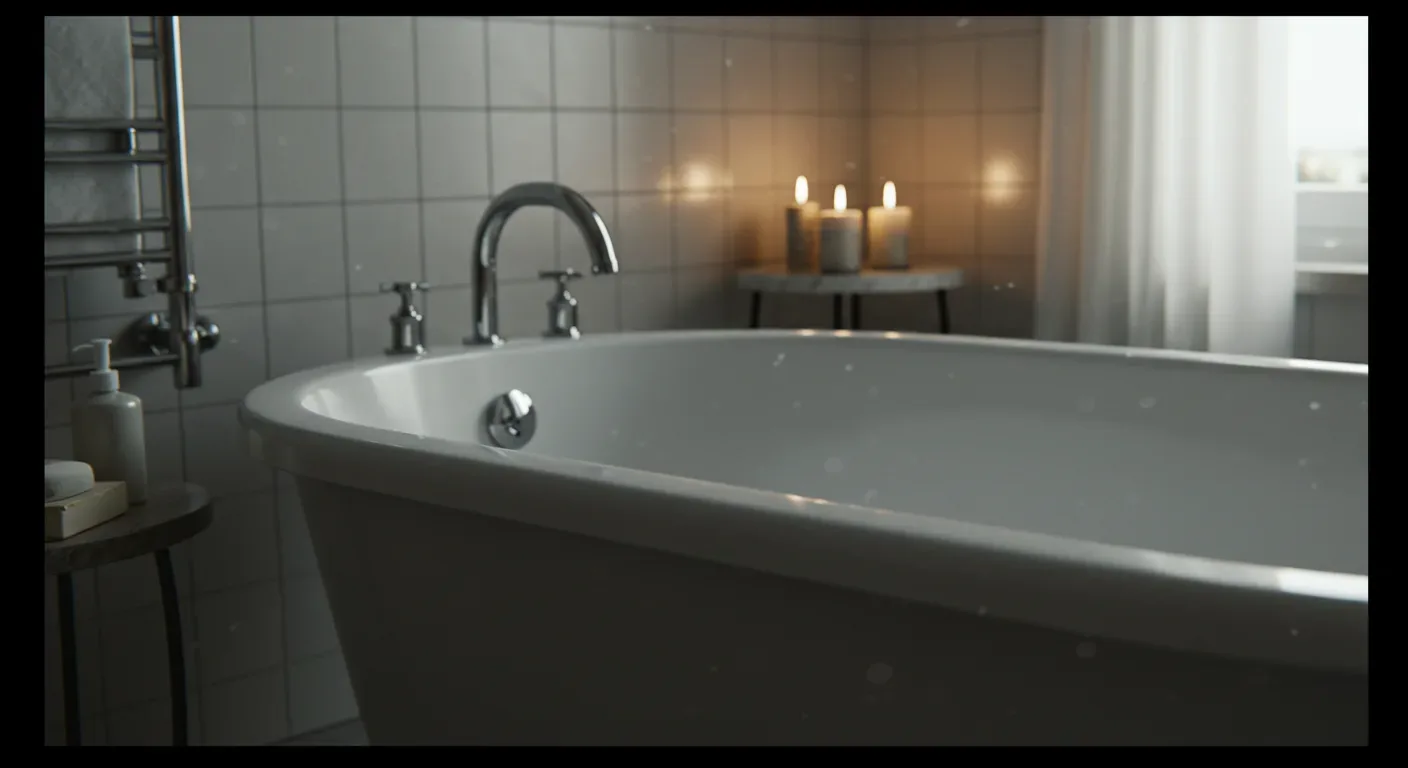
Material Specifics for Candle Tunneling Prevention
Authenticity-grade materials
- Natural soy wax, burns cleaner and melts more evenly, reducing tunneling risks
- Cotton wicks, provide consistent combustion and are less prone to mushrooming or uneven burn
- Glass jars with wide mouths, allow for even wax melt pools, preventing well formation
- Wood wicks, offer a unique aesthetic and promote more uniform burning if selected correctly
- High-quality fragrance oils, ensure even scent distribution without affecting burn quality
- Additives like stearic acid, improve wax hardness and melting consistency
- Thermostable wax blends, resist cracking and tunneling during burn cycles
- Wick sustainers or clips, keep wicks centered, ensuring even wax melting
Generic-grade tells we refuse to spec
- Paraffin wax, common but can cause uneven burning if not formulated properly
- Low-quality wicks, tend to mushroom or burn unevenly
- Thin glass containers, restrict wax expansion and promote tunneling
- Synthetic fragrances, may interfere with burn quality
- Cheap additives, can cause inconsistent melting
- Overly narrow jars, restrict wax flow and increase tunneling risk
How to Correct Candle Tunneling Effectively
The homeowner’s underlying question is often how to restore a candle’s even burn and improve its appearance. The first question we ask is whether the wick size is appropriate for the candle’s jar or container. In many cases, tunneling occurs because the wick is too small or too large, leading to uneven wax melting.
To fix this, start by trimming the wick to about ¼ inch before each burn. When tunneling has already formed, the most effective method is to reheat the candle carefully. Using a heat gun or a hairdryer on a low setting, gently warm the top surface to soften the wax without melting the entire candle. Once the wax is soft enough, allow it to cool and harden, which can help create a more even surface. Over several burns, maintaining a full melt pool from edge to edge ensures the wax melts evenly, preventing future tunneling. For a more permanent fix, consider replacing the wick with one suited to the jar’s diameter, as recommended by the National Kitchen and Bath Association’s guidance on candle safety and performance.
Consistent burn practices, such as burning for at least one hour per inch of diameter, will promote a flat wax surface and extend the candle’s lifespan. This simple, methodical approach ensures your candles look polished and perform reliably, enhancing the ambiance of any Sacramento home.
Choosing Candles Less Prone to Tunneling
The real decision often revolves around selecting the right candles for longevity and aesthetic appeal. When shopping, look for candles with wicks labeled as suitable for the jar size, preferably made of natural cotton or wood. The American Society of Interior Designers emphasizes that quality materials and proper sizing are key to avoiding tunneling issues.
Opt for candles that specify a burn time aligning with the container’s size and have a consistent wax blend. Soy wax blended with beeswax or palm wax tends to burn more evenly than paraffin alone. Additionally, selecting candles with a wide, flat base and a wick centered precisely will minimize uneven burning. Avoid candles with synthetic fragrances or low-quality additives, which can interfere with the melting process. Properly choosing your candles is an investment in their continued performance and your interior’s visual harmony.
How Fixing Candle Tunneling Enhances Your Interior Ambiance
Addressing candle tunneling isn’t just about improving candle performance; it’s about elevating the entire room’s ambiance. When candles burn evenly and look pristine, they become intentional design accents rather than overlooked flaws. Properly maintained candles cast a warm, inviting glow that complements natural light and architectural details.
In Sacramento’s varied homes, from historic bungalows to sleek modern spaces, well-cared-for candles serve as subtle yet impactful decor elements. Restoring a candle’s surface to a flat, full melt pool ensures the flame’s flicker is uniform and soothing. This consistency creates a calming atmosphere and emphasizes the curated quality of your interior styling. The effort to repair and select the right candles aligns with a thoughtful, restrained design approach that values small details as much as grand features.
Observed Failure Modes, How To Fix Candle Tunneling: What Goes Wrong
From our project debriefs and post-occupancy reviews, 2023-2026.
Wick Size Mismatch
If the wick is too small for the jar or wax volume, it will struggle to melt the wax evenly, causing tunneling. The solution is to replace the wick with one designed for your container size, ensuring a full melt pool each burn. Ignoring this leads to wasted wax and a shortened candle lifespan, diminishing both aesthetic appeal and functional burn time.
Inconsistent Burn Habits
Turning off candles too early or burning for less than the recommended time results in incomplete wax melt and promotes tunneling. Always burn candles long enough for the wax to reach the edges of the container, typically one hour per inch of diameter. This consistent practice encourages even melting and prolongs candle life.
Poor Quality Materials
Using candles made from low-quality wax blends or synthetic fragrances can cause uneven melting and tunneling. Investing in high-quality soy or beeswax candles with natural wicks ensures a cleaner, more even burn. Avoid cheap candles with additives that interfere with wax flow, which often lead to well formation and aesthetic issues.
Improper Placement
Candles placed in drafts or near vents tend to burn unevenly, increasing tunneling risk. Keep candles away from air currents, and ensure they are on stable, level surfaces. Proper placement helps maintain a steady burn pattern, preventing the formation of wells or tunnels.
Incorrect Candle Size for Space
Choosing candles that are too small for their containers or space can lead to uneven melting. Always select a candle with a wick and size appropriate for your jar and room scale. Proper sizing minimizes the risk of tunneling and ensures a pleasing visual and functional experience.
What’s Going Out for 2026
- Using cheap or synthetic candles that tunnel quickly
- Ignoring wick size recommendations for containers
- Burning candles for less than the full melt cycle
- Placing candles in drafts or near vents
- Choosing mismatched jar sizes and wick types
- Skipping proper wick trimming before each burn
- Using candles with overly narrow or tall jars
- Neglecting to reheat and fix tunneling before it worsens
What How To Fix Candle Tunneling Costs in 2026
| Scope | Typical range |
|---|---|
| Basic candle fix (wick replacement, wick trimming) | $50K-$100K |
| Mid-tier repair with custom wick setup and reconditioning | $100K-$300K |
| Full candle replacement with high-end, curated selection | $300K-$700K |
Working Notes
What We Have Learned Doing This: How to fix candle tunneling: A Designer’s Guide
“Good rooms are built twice. Once on paper, once in the field.”
A renovation is a dependency chain, not a list of tasks. A two-day cabinet delay quietly becomes a two-week slip by week sixteen because every trade downstream is holding a calendar. The least glamorous part of this work, and the most valuable, is keeping that chain from cascading.
The cheapest tool on any project is a sample board and an afternoon. We have watched five-figure mistakes get caught by a fifteen-dollar paint sample lived with for a week in the actual light of the actual room. Decisions made under showroom lighting do not survive contact with a real house.
After enough projects you stop fearing bad taste and start fearing the boring things: delays, sequencing mistakes, moisture behind a wall, an electrician improvising, framing that is not where the drawings swear it is. The aesthetic part still matters, it is why anyone hires anyone, but execution decides whether the room ever gets built the way it was drawn.
These notes come from our own how to fix candle tunneling: a designer’s guide project debriefs. Most were learned the expensive way the first time.
Sources & Professional References
This guide’s positions on materials are grounded in published building-code, standards, and recognized design-authority sources, alongside Designed | Curated Interiors’ verified credentials and active project files:
- American Society of Interior Designers (ASID): interior-design practice standards
- International Code Council (ICC): Chapter 8 Interior Finishes
- NKBA, Amy Kunst Member Profile (verified credential, NKBA Committee Member)
- Featured in: Homes & Gardens (design expert quote, May 2026) · Sacramento Love (guest author, 2024)
Frequently Asked
What is the best way to fix candle tunneling in Sacramento homes?
How can I prevent candle tunneling from occurring in the first place?
Why does candle tunneling happen more frequently with certain candles?
When should I consider replacing the wick to fix tunneling?
Are there specific materials or candle types that resist tunneling better?
From How To Fix Candle Tunneling to a Real Room
A trend piece is the briefing document, not the deliverable. The pages below show how we translate these principles into finished rooms across Sacramento and the rest of Northern California.
- Sacramento & Bay Area Interior Design Services How we scope, source, and deliver work end to end.
- Interior Designer Hub, Sacramento Where most of our Sacramento work lives, the regional fit explained.
- Modern Tudor Homes: Authentic, Revival, and Neo-Tudor (A Designer Reference) Heritage-architecture renovation patterns from our project files.
- Japandi Living Room: A Designer’s Guide to the 2026 Look The 2026 warm-neutral playbook applied to the living room.