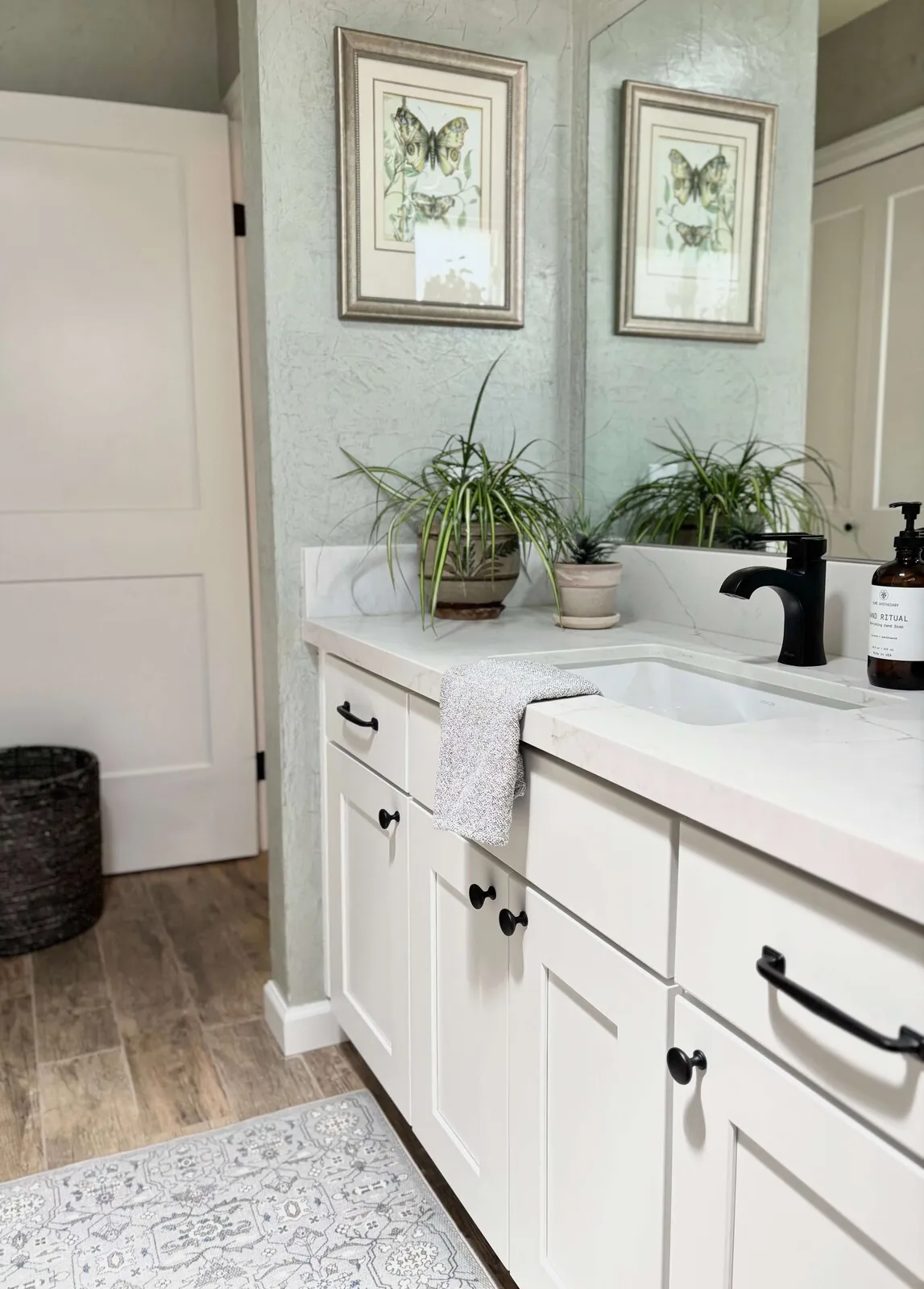
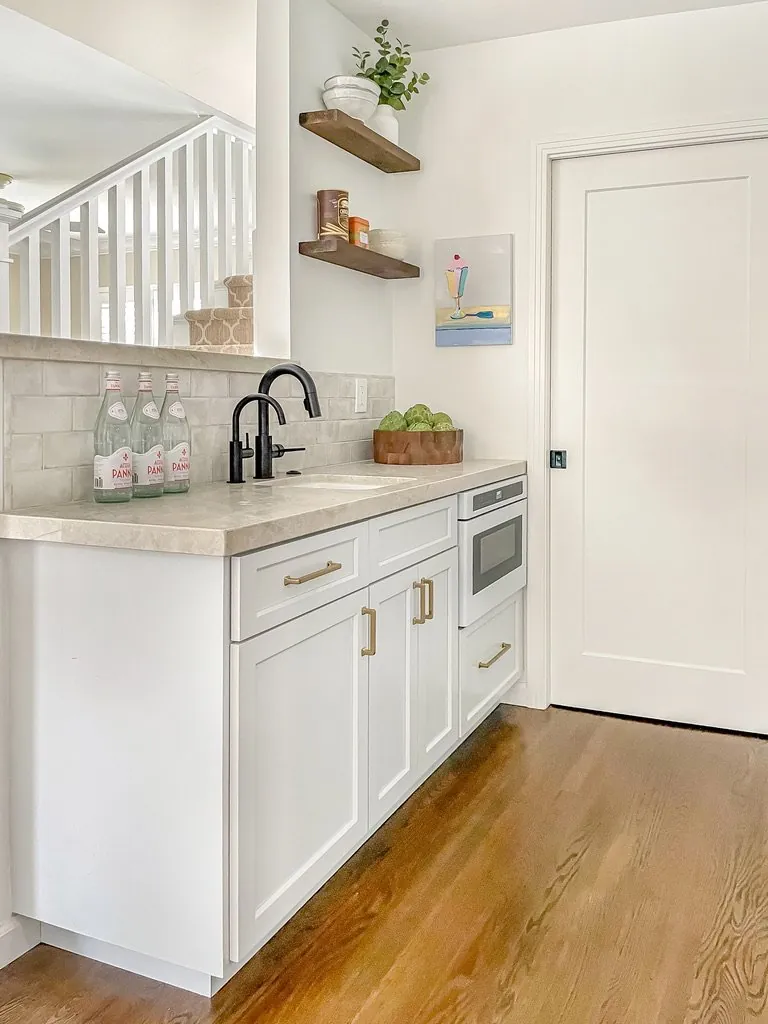
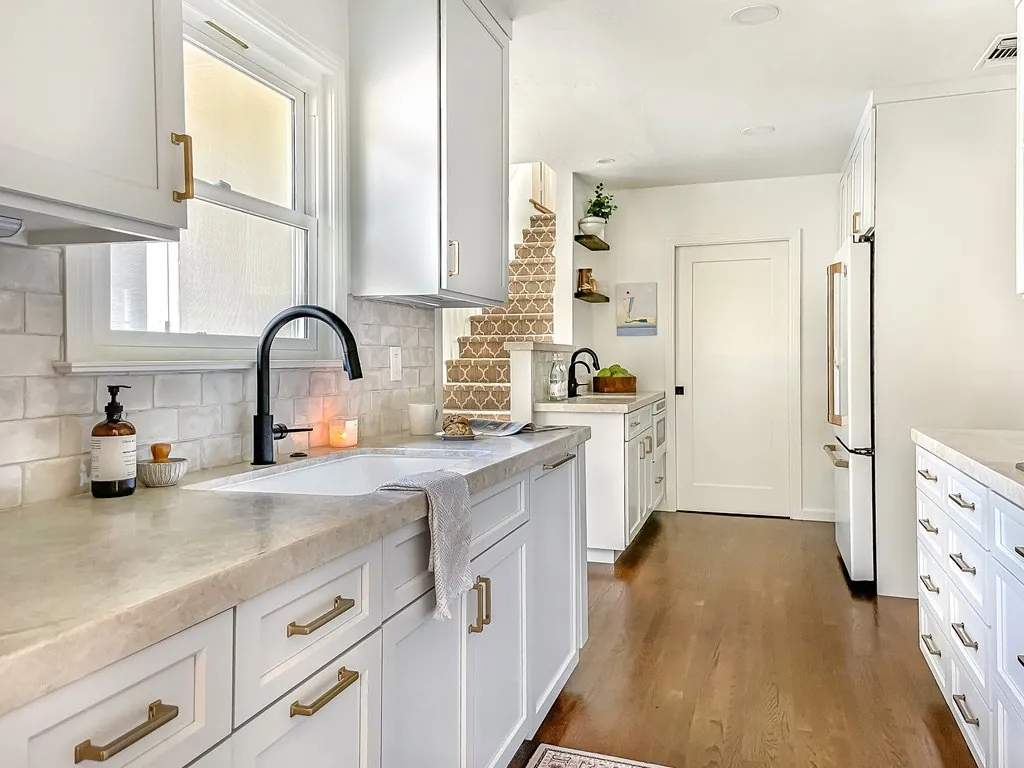
When I take on a remodel in Folsom, my first focus is on honoring the city’s architectural identity while pushing it forward with intentional updates for 2026. Folsom’s homes, whether historic Craftsman bungalows in the downtown core or mid-century modern gems in the foothills, often feature warm wood accents, exposed beams, and built-in cabinetry, but many have been layered with dated finishes or overlooked structural details. My approach starts with a deep dive into the home’s original bones: I’ll peel back unnecessary drywall to reveal original hardwood floors (common in Folsom’s older homes) or restore vintage plaster moldings that add character without sacrificing modern flow. For newer builds or contemporary remodels, I lean into the region’s signature clean lines but incorporate subtle nods to Folsom’s past, like reclaimed barn wood in a mudroom or locally sourced travertine in a bathroom, so the design feels rooted yet fresh. The key is balancing respect for the existing architecture with the practical needs of today’s families, whether that’s open-concept living spaces that work for hybrid work setups or smart storage solutions that keep clutter at bay in our often tight urban lots.
Folsom’s climate and local materials are non-negotiable in my process. The city’s dry, hot summers and cool nights demand thoughtful material choices, think durable, low-maintenance finishes like sealed concrete countertops or thermally efficient windows that keep homes cool without relying on excessive AC. I source a lot from Northern California: reclaimed redwood for flooring (a nod to the region’s history and a sustainable choice), locally quarried granite for countertops, and even Folsom-made tiles for backsplashes, which adds a unique touch while supporting local craftsmanship. Ventilation is another priority; I often incorporate passive cooling strategies like high ceilings with exposed ductwork (stained to match the home’s aesthetic) or courtyard-style layouts that catch breezes from the Sierra foothills. Even in the more suburban areas, I pay attention to how a home’s orientation can maximize natural light and shade, whether by positioning a living room to face the morning sun or adding deep overhangs to protect patios from the afternoon heat. These details aren’t just functional, they’re what make a Folsom home feel like it belongs here, not like a copy of a design from somewhere else.
Ultimately, my designs for Folsom homeowners blend their personal lifestyle with the city’s evolving aesthetic, think “modern farmhouse meets tech-savvy” or “coastal minimalism with a touch of Sierra grit.” I start by asking questions that dig deeper than just “what’s your style?”—like, “Do you host weekend dinners where the kitchen becomes the heart of the home?” or “How do you want your outdoor space to feel: a serene retreat or an extension of your living room?” For families, that might mean a flexible mudroom that doubles as a homework station or a backyard kitchen with a pizza oven for summer BBQs. Younger professionals often prioritize sleek, low-maintenance spaces with built-in charging stations and hidden storage, while empty nesters might opt for a spa-like master suite with a soaking tub and views of the foothills. I also keep an eye on Folsom’s trends, like the rise of biophilic design (incorporating indoor plants or natural textures) or the demand for energy-efficient upgrades, that align with the city’s values without feeling forced. The goal is a space that’s uniquely yours but also effortlessly fits into Folsom’s ever-changing landscape.
Featured Neighborhoods