When Amy takes on a remodel in Mill Valley, she starts by studying the home’s relationship to the land, not just as a structure, but as an extension of the redwood-studded hills and the ever-present coastal breeze that shapes daily life here. The architectural style of this area leans toward mid-century modern, Craftsman, and contemporary interpretations of California’s natural aesthetic, so she often works with existing bones like exposed beams, stone fireplaces, or original woodwork to preserve that organic connection. For example, in a 1960s ranch-style home with vaulted ceilings and floor-to-ceiling windows, she might keep the open-plan flow but refine it with warm, locally sourced materials like reclaimed redwood or locally milled oak to honor the region’s craftsmanship. Even in newer builds, she insists on details that feel rooted, think deep overhangs for shade, operable windows that catch the marine layer, or built-ins that mimic the horizontal lines of the surrounding hills. The goal isn’t just to update a space but to make it feel like it belongs to this place, where indoor and outdoor living blur seamlessly.
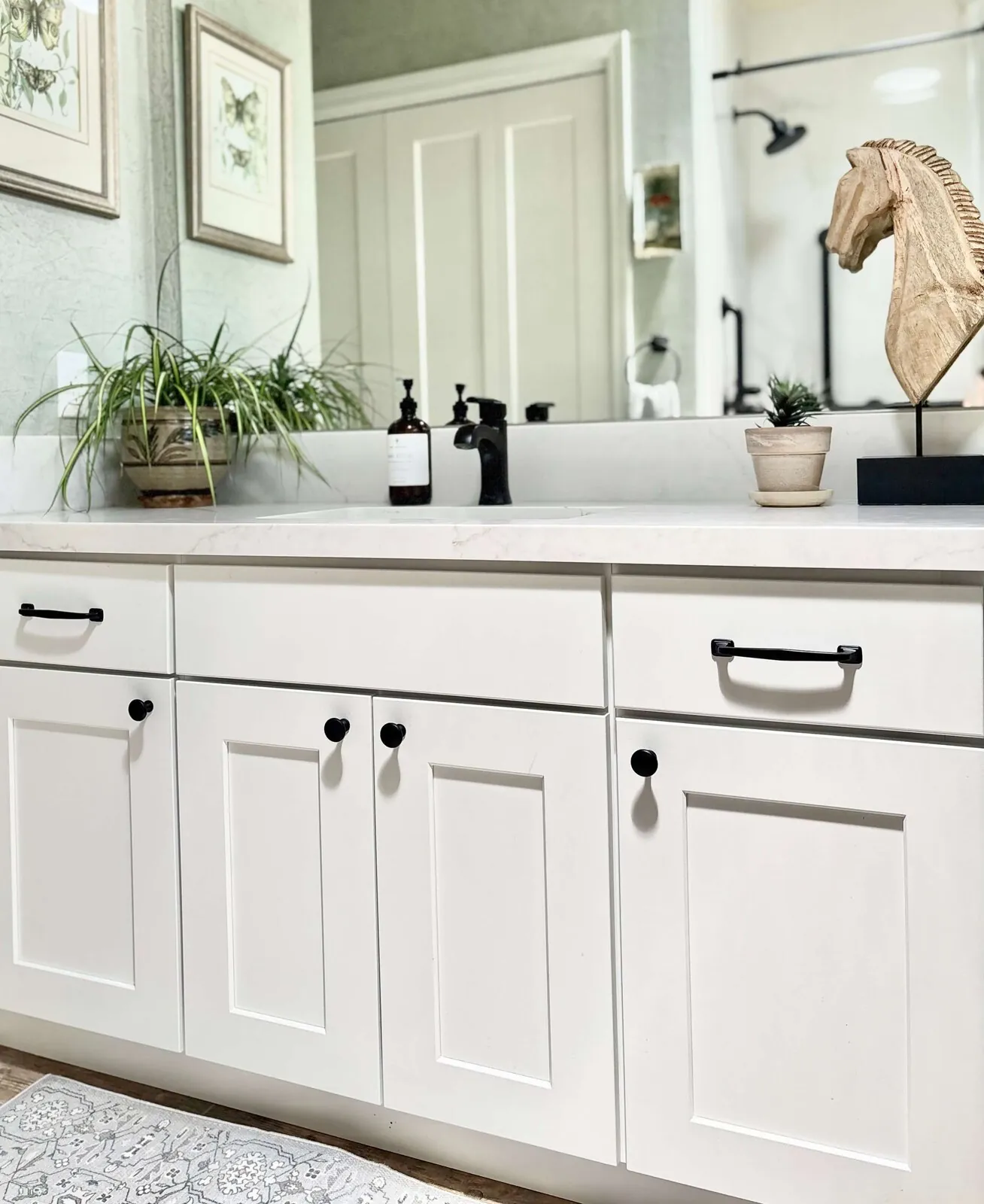
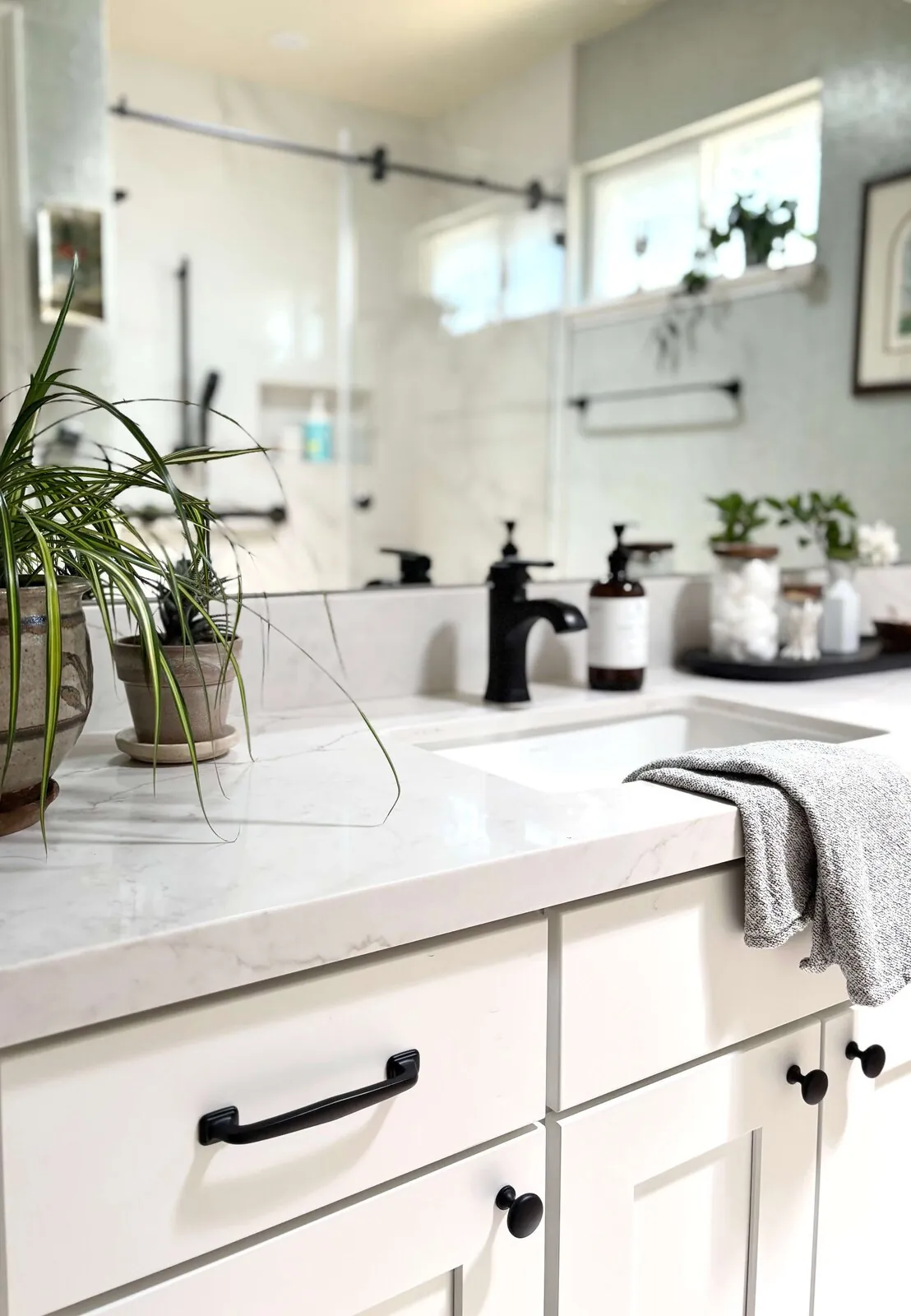
Mill Valley’s climate and the character of its neighborhoods, whether it’s the quiet, wooded streets of Tamalpais Valley or the more urban, walkable vibe near downtown, direct every material and layout decision Amy makes. The coastal fog and mild winters mean humidity control and ventilation are critical, so she specifies materials that resist moisture, like sealed concrete countertops, cedar closets treated for stability, or stone tiles that won’t fade in the dappled light filtering through the canopy. In the more densely treed areas, she often incorporates natural light solutions like skylights or solar tubes to combat the dimmer, shaded interiors, while in sun-drenched spots near the water, she’ll use textured fabrics and deep greens or blues to ground the space. For neighborhoods like Rockerbox or St. Vincent, where homes are closer together, she leans into shared courtyards or outdoor living rooms with fire pits and lush planting beds to foster community, because in Mill Valley, the way you live outside is just as important as how you live inside. Even the color palette reflects this: soft, muted tones inspired by the forest floor or the muted blues of the bay, with pops of color that feel intentional, like a vintage Mill Valley sign or a piece of local art.
Amy’s process is deeply collaborative, but she always grounds her recommendations in the homeowner’s lifestyle and the story they want their space to tell. If a family loves hosting dinner parties, she might design a kitchen with a live-edge island and a butcher block table that doubles as a gathering spot, sourced from a local mill in Point Reyes. For a couple who works remotely, she’ll prioritize a quiet, tech-integrated home office with blackout shades to combat the glare off the water, while still keeping the views accessible. And in homes where sustainability is a priority, something that resonates deeply in this eco-conscious community, she’ll specify FSC-certified wood, low-VOC paints, and energy-efficient systems that align with Mill Valley’s values. Whether it’s restoring a historic home in the downtown core or modernizing a contemporary build near the golf course, Amy’s approach is to listen first: to the homeowner’s habits, the neighborhood’s rhythm, and the land’s whispers. The result isn’t just a beautiful space, but one that feels like a second home, one that reflects who you are and where you live.
Featured Neighborhoods