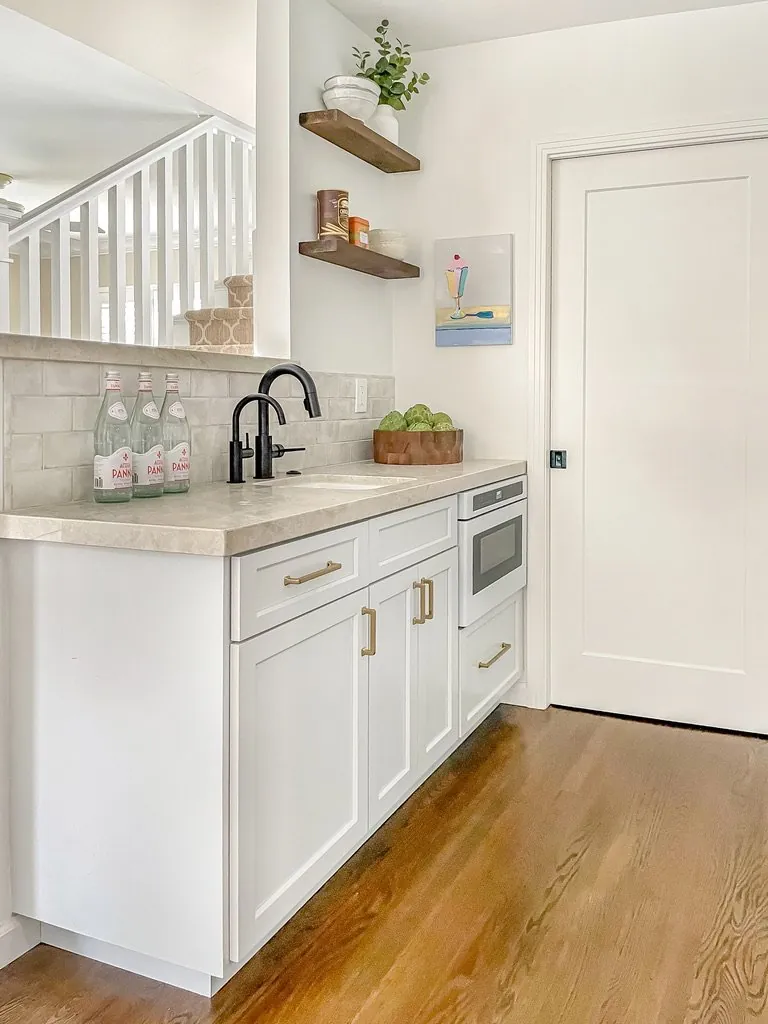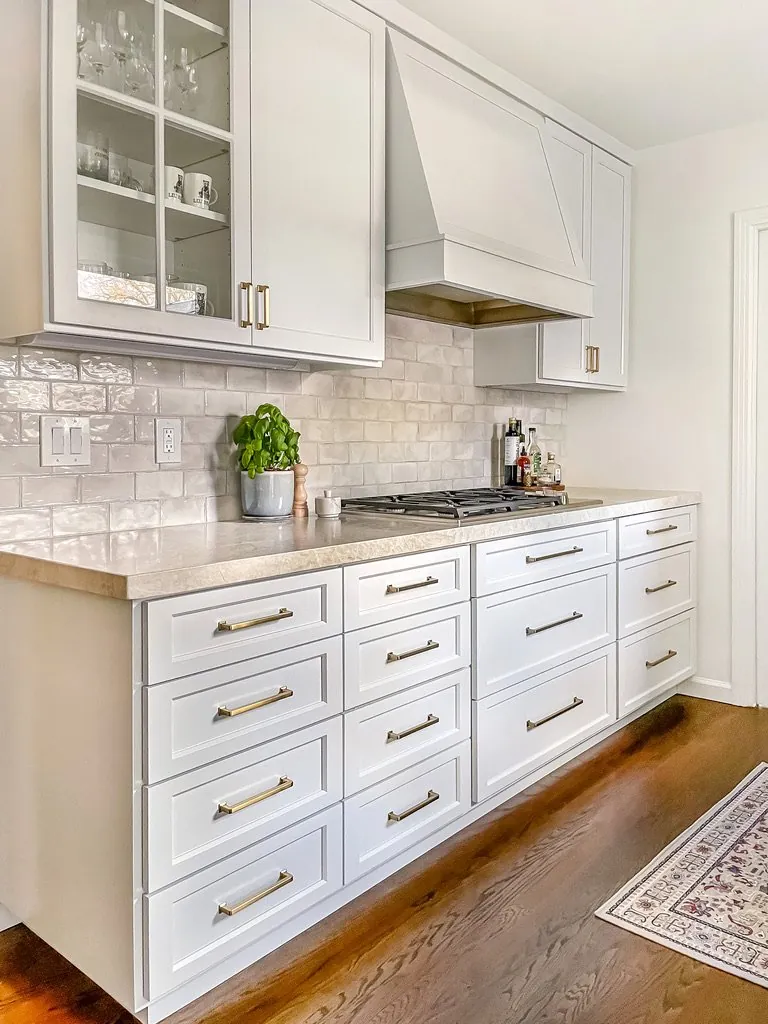
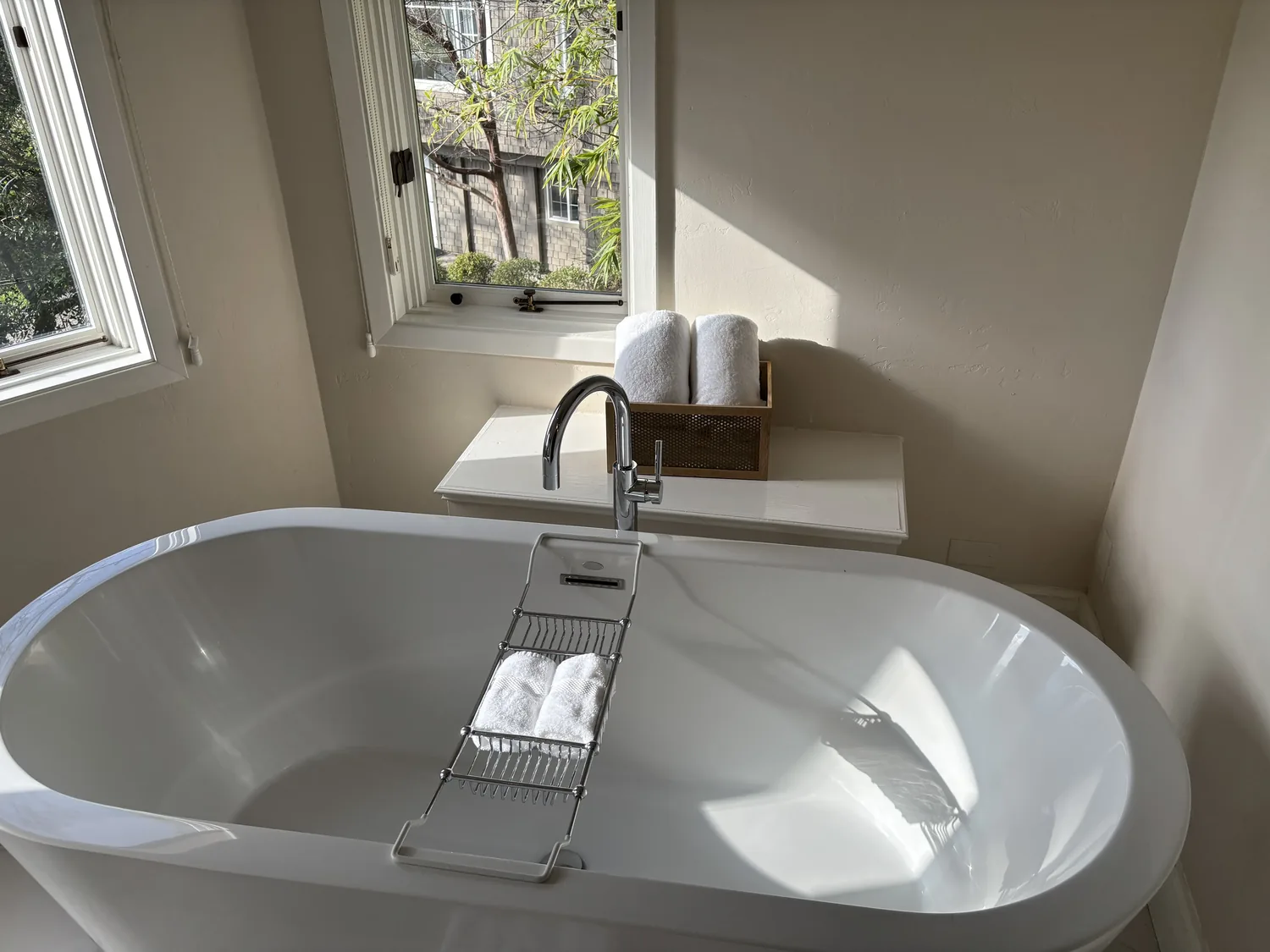
Let’s dive into limewash basics. It’s different from regular paint. We’ll look at color choices, how it looks, how you put it on, and what keeps it looking good. We'll walk through applying limewash indoors with concrete steps. Photos help picture if it fits your room.
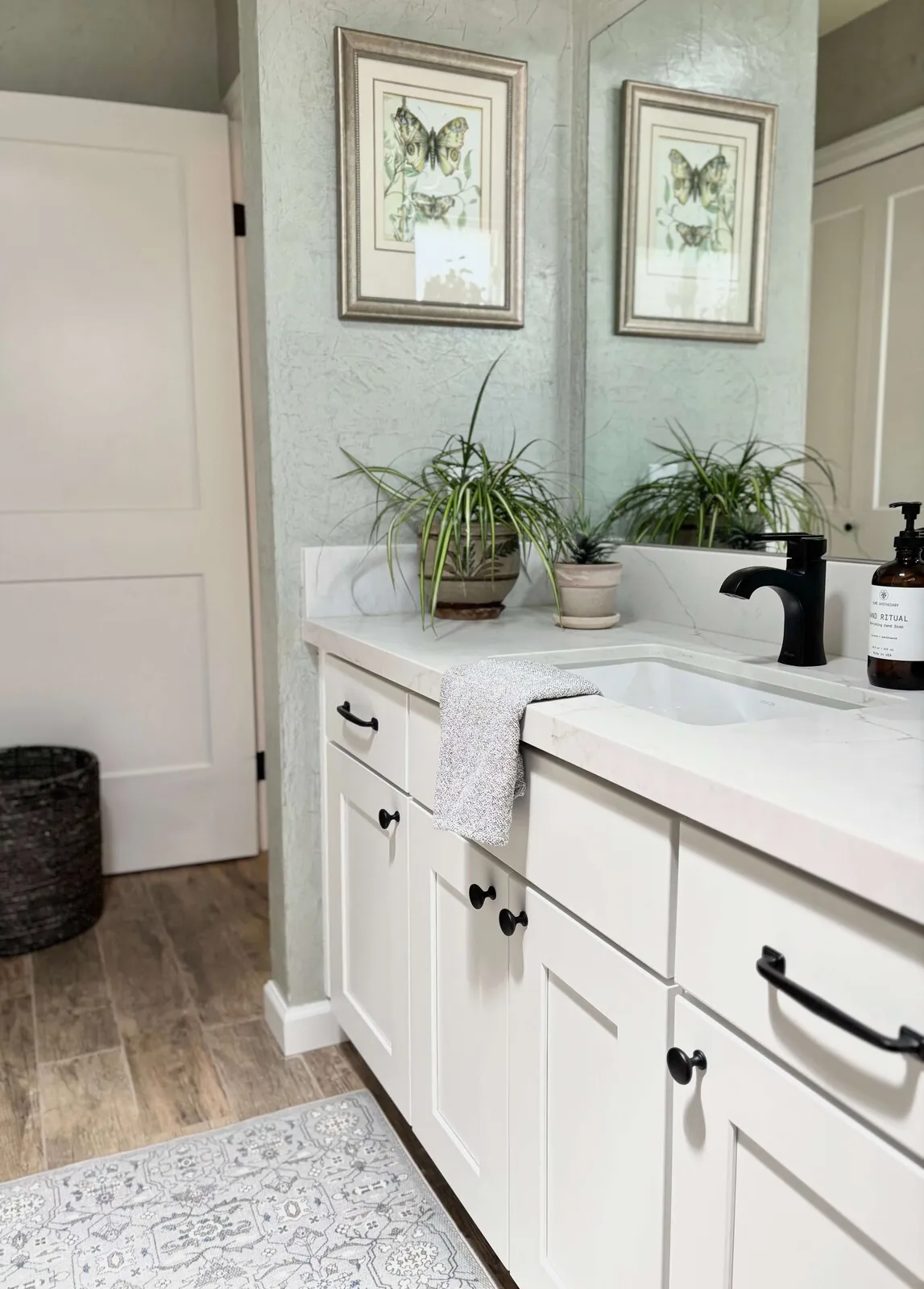
Quick Answer — Is interior limewash right for your walls?
Limewash breathes like no other. It gives surfaces a soft, cloudy finish. Expect $0.60 to $1.20 per square foot in materials and $1.50 to $4.00 per square foot professionally applied, roughly 1.5x to 2x the cost of quality flat paint.
- Standard drywall needs a primer made for minerals. Plaster, brick, or stone don’t. They’re ready for limewash.
- It is not scrubbable like acrylic, but touch-ups blend invisibly instead of flashing.
- Best rooms: living rooms, bedrooms, fireplace walls. Skip it behind ranges and in splash zones.
Want walls with character and depth? Limewash justifies its price. Need easy cleaning? Pick a mineral-look flat paint.
Direct Answers (Interior Limewash)
| What is interior limewash? | Limewash is a coat made with minerals. It gives walls a velvety matte finish, creating an aged look. |
| How does interior limewash differ from regular paint? | Semi-transparent, unlike typical paint. Texture shines through, matte and velvety. |
| What colors are recommended for interior limewash in Sacramento? | Stick to neutrals. Warm beiges, soft grays, ochres fit Sacramento's light and architecture history. |
| What are the steps to properly apply interior limewash? | Clean surfaces first. Fix cracks. Primer might be needed. Use a stiff brush. Multiple thin coats go on for an even finish. |
The First Major Design Move: Embracing Texture and Authenticity
We’ve added limewash to historic homes in Sacramento, giving the walls extra character. Over time, limewash's mineral base makes walls gain a beautiful, aging matte surface. Limewash lets the underlying texture show through. Regular paint can't do that. Limewash makes rooms softer and inviting. A tactile finish that begs to be touched. We used Romabio’s Limewash for its warm, earthy tone, perfect on plaster walls. Adds depth to any room subtly. You need precise prep or it goes on unevenly. Thin coats, stiff brush, or roller, stick with that. Works great on plaster and some drywall. Might need primer on porous stuff.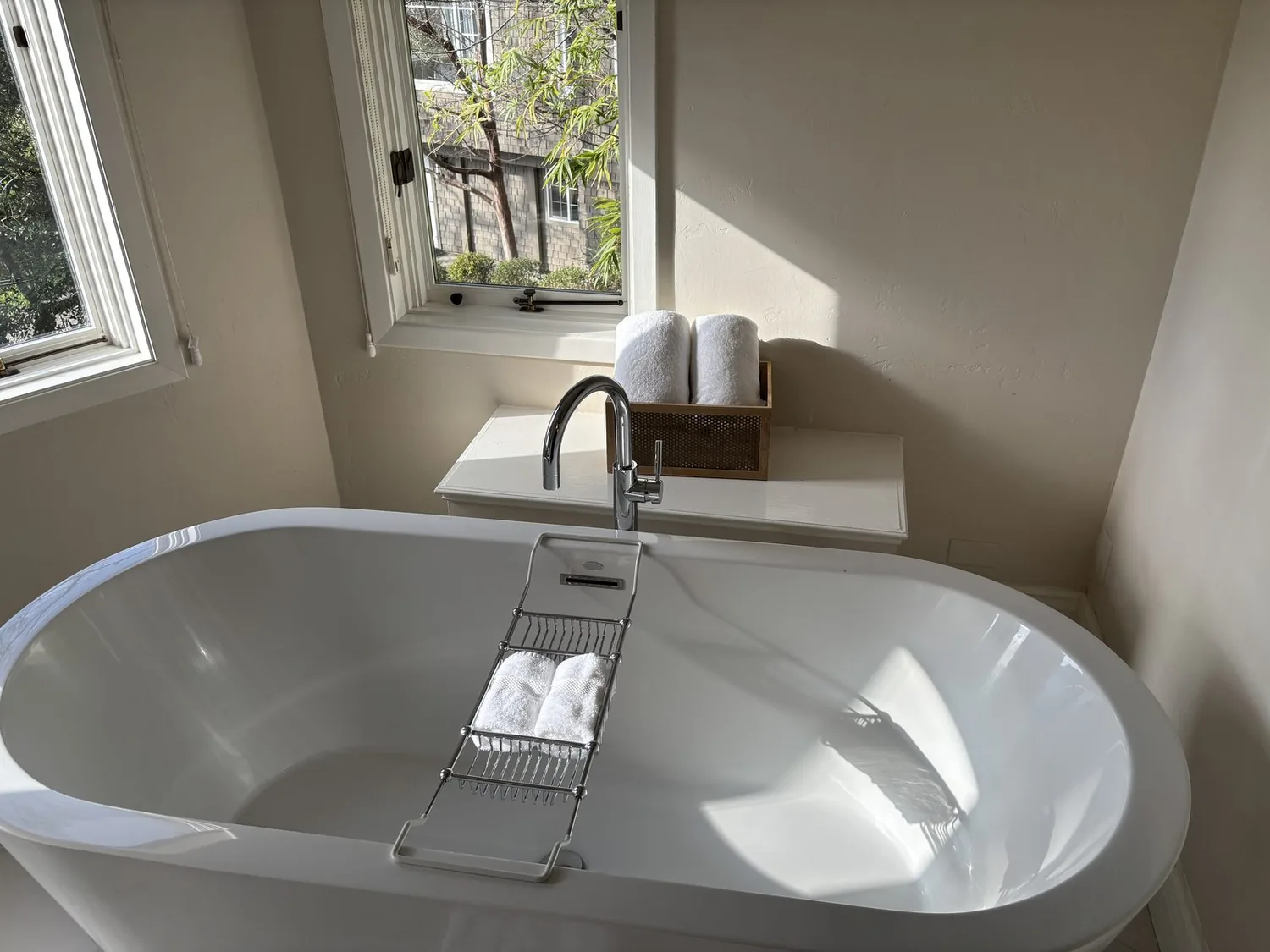
Material Specificity: Authentic vs. Generic
Authenticity-grade materials
- Romalabio Limewash, pure mineral, breathable, and designed for interior use
- Traditional lime plaster, natural, porous, ages beautifully
- Natural earth pigments, for rich, transparent color variations
- Clay-based sealers, to protect and enhance the finish
- Translucent matte topcoats, for durability without gloss
- Mineral-based primers, improve adhesion on drywall
- Old-world lime mixes, for historic restoration projects
- Breathable acrylic seals, for high-traffic areas
Generic-grade tells we refuse to spec
- Standard latex paint, less breathable, more plastic-like
- Acrylic-based primers, less natural, can trap moisture
- Oil-based paints, less eco-friendly, harder to maintain
- Gloss or semi-gloss finishes, less authentic, more reflective
- Heavy-duty primers, unnecessary for limewash
- Synthetic dyes, limited depth, less natural
- Vinyl-based sealers, less breathable
- Standard wall primers, incompatible with mineral finishes
Designer Decision Matrix: Which Interior Limewash Approach Fits Your Home
How we actually decide: match your situation to what we would specify, and the reasoning behind it.
| Your Goal | Best Solution | Why We Recommend It |
|---|---|---|
| Achieve a historic, textured look in a high-end Sacramento home | Limewash with natural earth pigments | The mineral composition ages beautifully and offers a breathable, authentic surface suited to older homes with plaster or stucco walls. |
| Create a sleek, modern interior with easy maintenance | Painted drywall in matte finish | Synthetic paint provides a smooth, uniform surface that’s easier to clean and more cost-effective for minimal texture needs. |
| Add tactile warmth to a rustic mountain retreat | Textured plaster with lime-based finishes | Thick, tactile surfaces age well and offer a historic look that complements the natural landscape and architecture. |
| Maximize durability in a high-traffic area | Sealed textured plaster | A heavier, sealed surface resists damage and can be cleaned without damaging the finish, ideal for active households. |
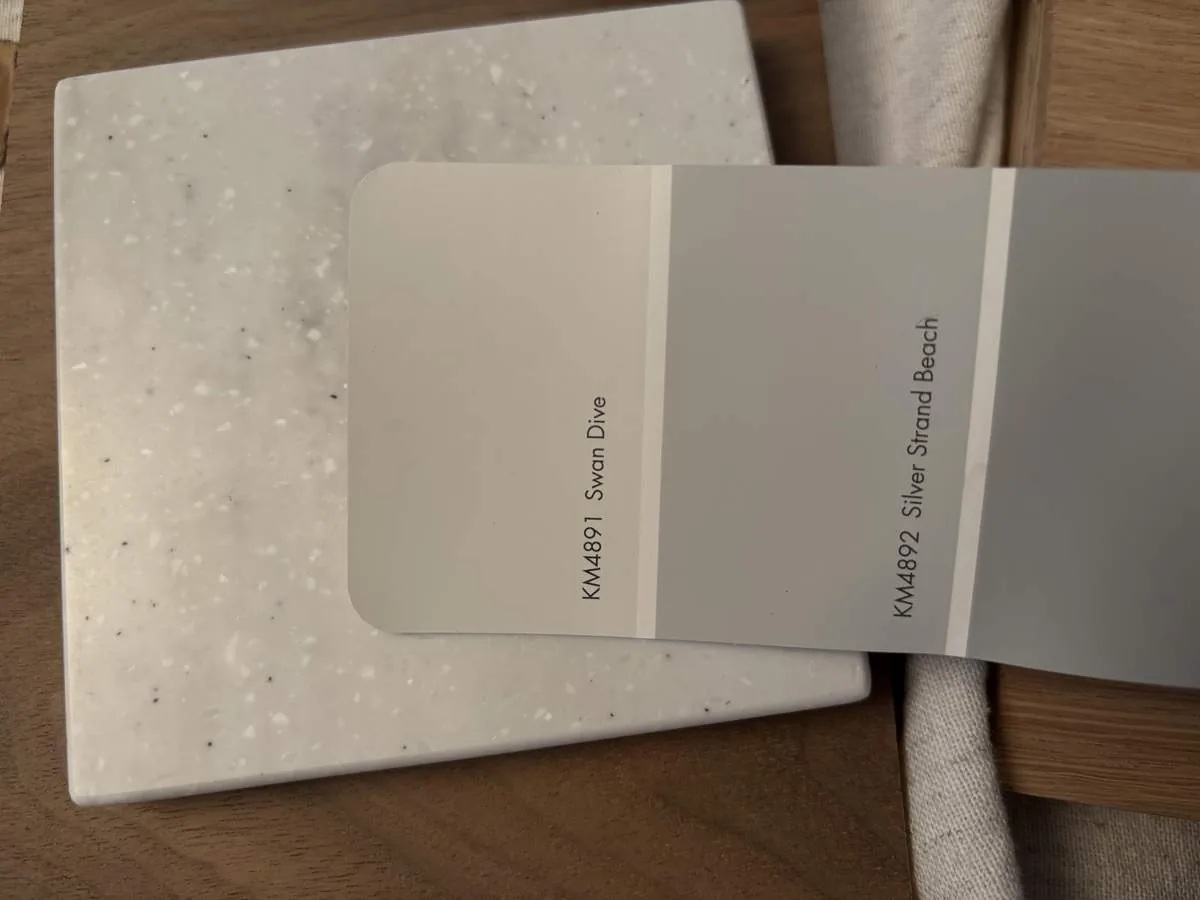
How do I choose the right limewash finish and color for my interior walls?
First question: finish or color? Match your style. Limewash's effect depends heavily on the hue. Get this right. Warm beige, soft gray, ochre. They pop in Sacramento’s light. The American Society of Interior Designers emphasizes that color choices should complement the architecture and lighting conditions.
Before you decide, try small wall swatches. Limewash can surprise. Start with a neutral base. Thin layers give depth. More pigment, darker shade. But too dark? Loses charm.
What are the steps to properly apply limewash indoors for the best results?
How do you apply it? And its durability? Surface prep comes first. Clean it thoroughly and fix cracks or holes. Older Sacramento homes? A mineral-based primer on your drywall boosts adhesion. Dampen plaster walls. Helps limewash stick.
Use a stiff brush, maybe a roller. Thin coats, crisscross for coverage. Let each coat dry a day. Texture needs a light touch. More character, less polish. Seal it with a matte coat. Simplifies cleaning, keeps it protected. Patience is key. But the result? Rich texture and aging with grace.
What maintenance does limewash require once applied indoors?
Keeping it up worries homeowners. Limewash needs little care. Just soft brush it occasionally. Skip rough scrubbers. They wear down the finish. Time adds a patina to limewash. Many people love this look. Got some stains or damage? Extra limewash coats can fix that nicely. Re-sealing with a breathable matte sealer every few years helps maintain the integrity and appearance of the finish, especially in Sacramento’s climate where dust and humidity can affect indoor air quality. Limewash ages beautifully. Few touch-ups. Lasts decades.
What are common mistakes to avoid when using limewash indoors?
Keep it thin. Thick coats won't work. Too thick means uneven drying and cracks. Apply in thin layers. Let each cure fully. Don't skip cleaning the surface. Peeling and weird color happen on unclean or porous surfaces. Using limewash on glossy or sealed drywall? Not a good idea. Use a primer to help it stick better, last longer. Old Sacramento walls? Their condition is crucial. Take time with each layer. Patience gives you an authentic look that ages nicely. Too much pigment or no sealant messes with breathability. Future problems might pop up.
Observed Failure Modes, How Interior Limewash Goes Wrong
From our project debriefs and post-occupancy reviews, 2023-2026.
Uneven application leading to patchy appearance
Applying limewash too thick or unevenly causes patchiness and inconsistent color. Rushing limewash or using bad technique? Common mistakes there. Go for thin coats. Focus on small areas. Keep a damp sponge handy for drips. Clean the surface first. Dampness helps with absorption and sticking. In Sacramento, manage moisture well. Dry walls stop uneven aging or peeling. Focus on patience. Look closely at details. That'll really give you a smooth finish.
Incorrect surface preparation causing adhesion issues
If the wall surface isn’t properly cleaned and primed, limewash can peel or flake over time. Drywall and painted surfaces need extra attention. Clean well and use a primer that breathes with mineral finishes. Spray or sponge water on plaster before starting. Helps limewash bond right. Super important in old plaster walls here, avoids trouble later. Skip prep? Expect costly fixes and ruined looks. No charm left. Prep costs range wide, under $100 to hundreds. Durability and looks? Worth it.
Choosing the wrong color or opacity for the space
Dark or overly opaque limewash can make a space look heavy or dated, defeating the goal of a light, textured wall. Check samples in different light. Sacramento sunlight can change everything. Go for lighter, transparent shades to highlight texture and aging. Very dark shades? They'll hide the texture, making spaces feel tight. Start light. Add depth slowly. The American Society of Interior Designers recommends selecting colors that harmonize with the overall palette and lighting for a balanced, timeless result.
Neglecting proper sealing and maintenance
Failing to seal limewash adequately can lead to staining and damage over time, especially in areas prone to moisture or dust. Add a matte sealer once dry. Done. Let it breathe. Wipe it down often to keep it fresh. Sealing's key with our local humidity swings. Stops moisture from causing trouble. Skip this and you’ll face ugly aging, then big bills to fix. Seal properly and keep it up. Looks last longer that way.
What's Going Out for 2026
- Overly glossy or slick finishes that mimic new paint
- Dark, opaque colors that hide texture
- Heavy textures that look unaged or artificial
- Sealing with non-breathable products
- Applying thick coats in one pass
- Ignoring surface prep and cleaning
- Using synthetic or chemical-based sealers
- Choosing bright or unnatural hues
What Interior Limewash Costs in 2026
| Scope | Typical range |
|---|---|
| Refresh scope with basic application | $4,500-$10,000 |
| Mid-tier project with custom color and multiple coats | $10,000-$20,000 |
| Estate-scale renovation with extensive surface prep and sealing | $20,000-$50,000 |
Working Notes
What We Have Learned Doing This: interior limewash
“Nothing expensive announces itself. It shows up as a small delay.”
After a lot of jobs, you start fearing delays, mistakes in sequence, hidden moisture, rogue electricians, and misplaced framing over bad taste. Looks matter. It's why clients come to us. But building it like the drawing? That's what counts.
Trust grows in the dull chats: confirming walls are structural, adjusting numbers, admitting to schedule slips. Clients forgive reality. They do not forgive being surprised by it.
Most of the money that gets wasted is spent solving the wrong problem confidently. A homeowner asks for more space, every contractor agrees and prices an addition, and the real issue turns out to be light, or proportion, or one bad sightline. We make the room tell us the problem before anyone signs a demolition contract.
These notes come from our own interior limewash project debriefs. Most were learned the expensive way the first time.
Sources & Professional References
This guide's positions on materials are grounded in published building-code, standards, and recognized design-authority sources, alongside Designed | Curated Interiors' verified credentials and active project files:
- American Society of Interior Designers (ASID): interior-design practice standards
- International Code Council (ICC): Chapter 8 Interior Finish Decorative Materials And Furnishings
- NKBA, Amy Kunst Member Profile (verified credential, NKBA Committee Member)
- Featured in: Homes & Gardens (design expert quote, May 2026) · Sacramento Love (guest author, 2024)
Frequently Asked
What is interior limewash?
How does interior limewash differ from regular paint?
What colors are recommended for interior limewash in Sacramento?
What are the steps to properly apply interior limewash?
Is interior limewash suitable for historic Sacramento homes?
What maintenance is required for interior limewash walls?
Can interior limewash be applied on drywall or plaster surfaces?
From Interior Limewash to a Real Room
A trend piece is the briefing document, not the deliverable. The pages below show how we translate these principles into finished rooms across Sacramento and the rest of Northern California.
- Sacramento & Bay Area Interior Design Services How we scope, source, and deliver work end to end.
- Interior Designer Hub, Sacramento Where most of our Sacramento work lives, the regional fit explained.
- Modern Tudor Homes Heritage-architecture renovation patterns from our project files.
- Japandi Living Room Design The 2026 warm-neutral playbook applied to the living room.