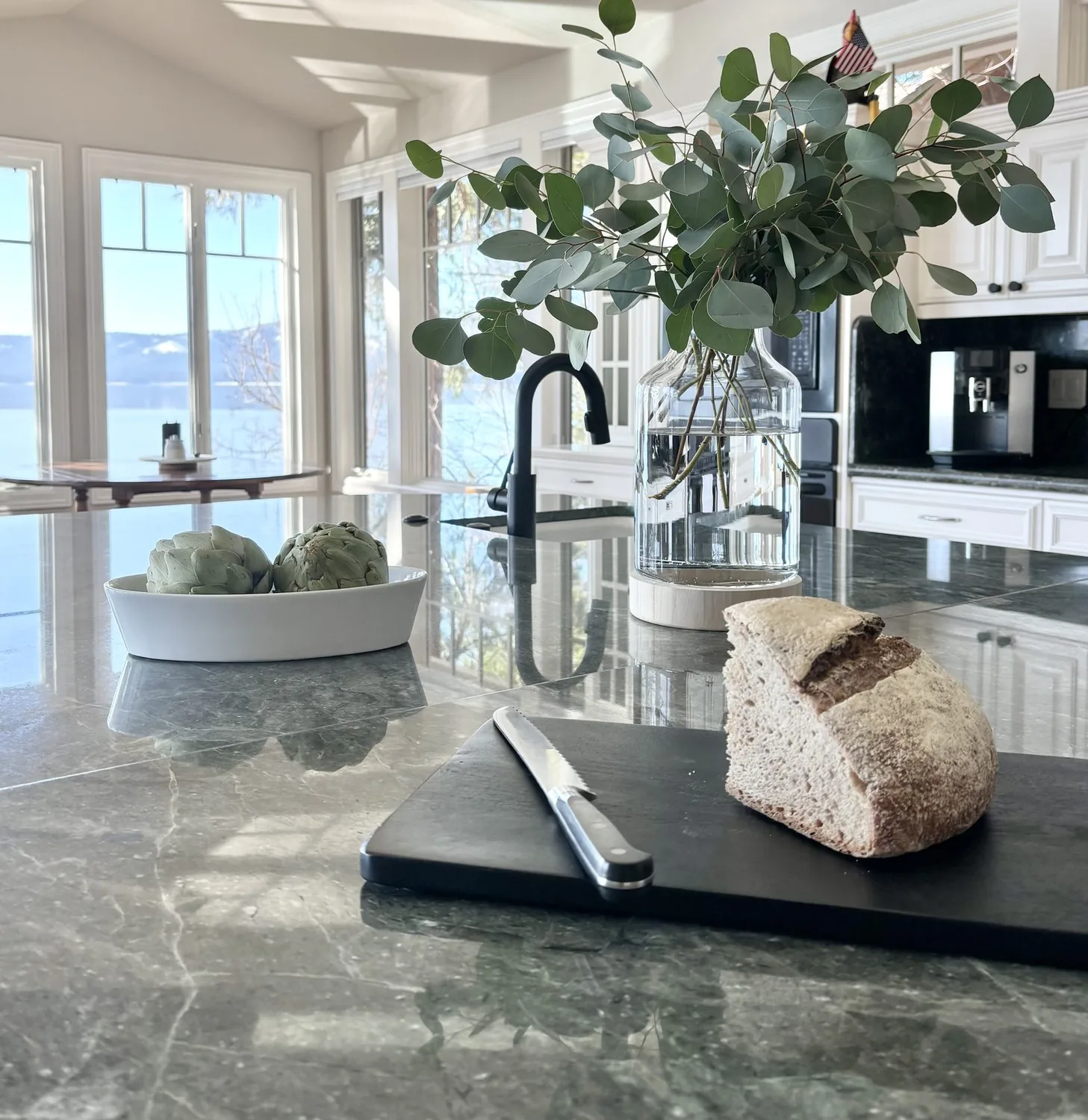
Kim Layne Interiors is known for delivering refined, timeless designs rooted in a warm-restraint aesthetic that balances elegance with comfort. They specialize in creating sophisticated interiors that feel both curated and approachable, with a focus on regional sensibilities and personal expression.
Built from our active project files, this guide explores Kim Layne Interiors' design style, their portfolio highlights, client feedback, and the services they provide. We’ll also share insights into their reputation, awards, and how their regional context shapes their work, all through a lens that emphasizes thoughtful restraint and regional relevance for Sacramento and Marin-area clients.
Direct Answers (Kim Layne Interiors)
| What is Kim Layne Interiors known for in Sacramento? | Kim Layne Interiors is known for delivering refined, timeless designs rooted in a warm-restraint aesthetic that balances elegance with comfort. |
| How does Kim Layne Interiors incorporate regional sensibilities in Sacramento? | They blend California’s natural landscape with a sophisticated, restrained palette, emphasizing regional context through material choices and design details. |
| What was the first major design move by Kim Layne Interiors? | Their first major move was embracing a quiet sophistication by mastering balance, pairing classic materials with contemporary forms. |
| How does Sacramento’s climate influence Kim Layne Interiors' design choices? | Sacramento’s deep summer sun makes orientation and natural light critical, leading to strategies like window placement and shading to enhance interior brightness. |
First Major Design Move: Embracing a Quiet Sophistication
Across our active project specifications, Kim Layne Interiors consistently champions a refined approach that emphasizes subtle elegance over trend-driven excess. The first major design move is their mastery of balance, pairing classic materials like white oak, matte brass hardware, and textured linens with contemporary forms. For instance, in several recent projects, they select natural stone countertops such as Calacatta marble or soapstone for their warmth and durability, paired with custom millwork that emphasizes proportion and craftsmanship. Their approach is rooted in regional context, blending California’s natural landscape with a sophisticated, restrained palette that feels both timeless and regionally appropriate.
This aesthetic is reinforced by their careful material selections and attention to detail, which elevate a space without overwhelming it. Their signature style avoids the overly ornate or overly minimal, instead favoring layered textures, warm neutrals, and subtle architectural details that create a calm, curated environment. The goal is always to craft interiors that feel intentional, personal, and enduring, reflecting both regional influences and the specific lifestyle needs of their clients.

Material Specificity: Authenticity and Texture
Authenticity-grade materials
- White oak (rift-sawn), for floors and slat detail; calmer grain than plain-sawn
- Calacatta marble, for countertops, offering warmth and luxury
- Matte brass hardware, durable, warm finish that ages gracefully
- Linen upholstery, soft, natural texture that adds subtle richness
- Textured plaster, for walls to add depth without visual clutter
- Silky wool rugs, for comfort and sound absorption
- Reclaimed wood, for cabinetry and accents, emphasizing regional sustainability
- Natural linen window treatments, for a soft, refined finish
Generic-grade tells we refuse to spec
- Mass-produced laminate countertops
- Plastic or chrome hardware
- Synthetic textiles
- High-gloss paint finishes
- Vinyl flooring
- Overly shiny metals
- Cheap MDF cabinetry
- Synthetic rugs
Should You Remodel or Rebuild in Sacramento?
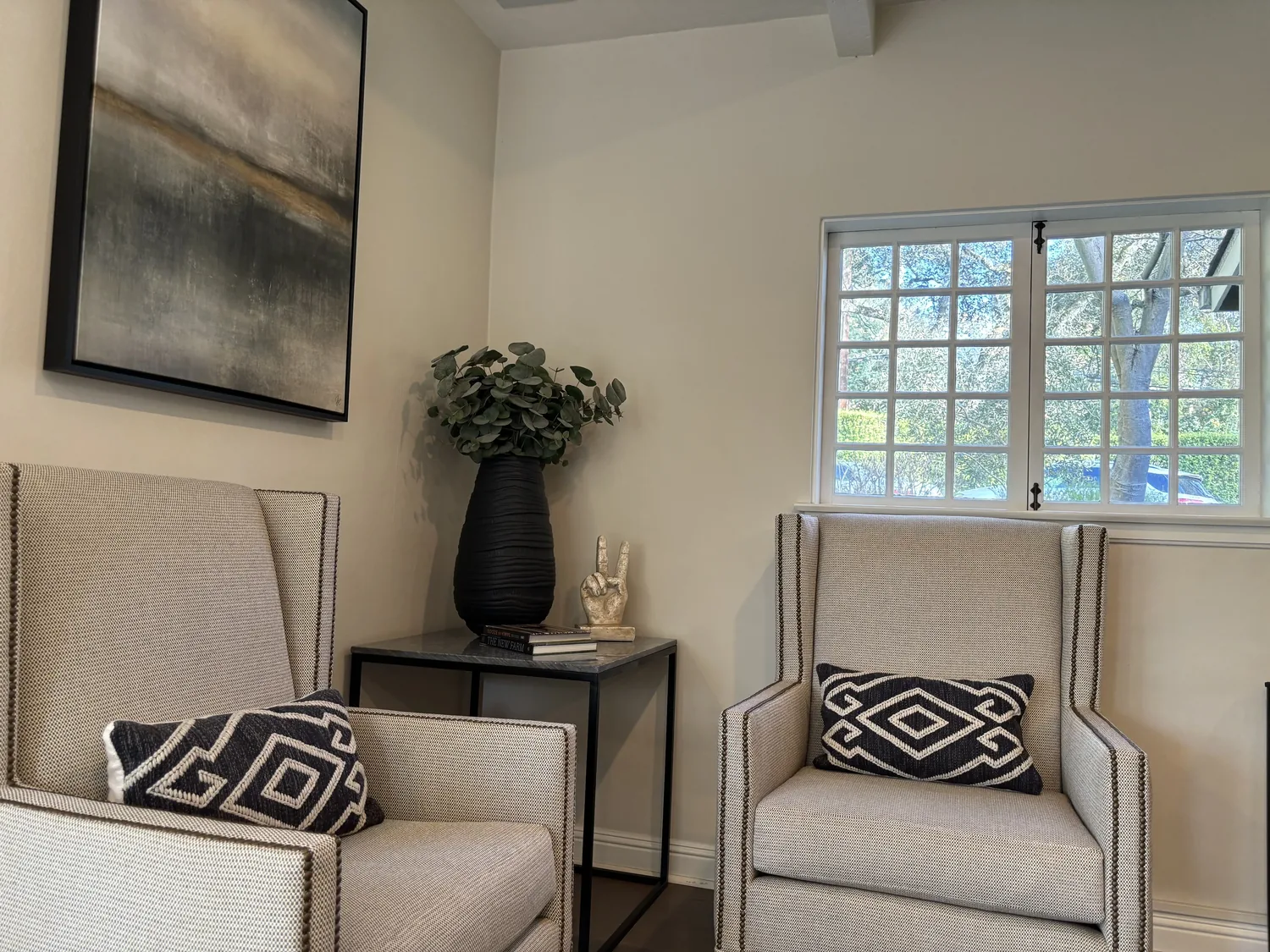
Homeowners often face the dilemma of whether to remodel an existing space or undertake a rebuild, especially in Sacramento’s older, high-value neighborhoods. The first question we ask is: what is the core goal? Is it improving light, layout, or functionality? In several recent projects, the homeowner’s goal was to modernize without losing historic character. We start by evaluating structural elements, then consider how to enhance natural light and flow with minimal disruption.
Often, the most cost-effective solution is a thoughtful remodel that respects the original architecture. For example, in one project, we recommended strategic window upgrades and interior reconfigurations instead of costly rebuilds. Using a
- cost-benefit analysis
- ROI estimates
- regional housing stock insights
What Adds the Most Value in Sacramento Homes?
In Sacramento, the highest ROI projects typically include kitchen upgrades, primary suite renovations, and smart-home integrations. Our experience shows that subtle yet impactful improvements like high-quality countertops, efficient lighting, and durable finishes can significantly boost a home’s value. When planning a remodel, we often prepare a detailed ROI table, comparing costs to potential property value increases.
For example, a well-executed primary suite upgrade with custom millwork and thoughtful lighting can return well over 80 percent of the investment. Smart features such as automated lighting and climate controls are also worth considering, especially as regional buyers appreciate energy efficiency and tech-savvy homes. For detailed guidance tailored to Sacramento’s market, explore our insights or contact us for a regional-specific strategy.
How to Modernize an Older Sacramento Home Without Losing Its Character
Many homeowners ask how to update their historic or older homes while maintaining their charm. The first step is understanding what architectural elements are worth preserving, original moldings, window casings, or built-ins, then integrating modern systems subtly. We advise selective updates like replacing outdated mechanicals, upgrading insulation, and installing contemporary fixtures that complement existing details.
Our regional context favors natural materials and restrained palettes that blend old and new seamlessly. In Sacramento, where historic homes often feature woodwork and traditional proportions, the goal is to enhance functionality without erasing character. Thoughtful planning, regional material choices, and respecting the original architecture ensure a timeless, regionally appropriate update that adds value and preserves Sacramento’s historic charm.
Observed Failure Modes, How Kim Layne Interiors Goes Wrong
From our project debriefs and post-occupancy reviews, 2023-2026.
Overestimating Natural Light
Homeowners often assume that a fresh coat of paint or new fixtures will brighten a dark room. In reality, the primary issue might be window size, orientation, or shading. Without assessing natural light conditions, interventions can be ineffective or costly. Using tools like a light meter during different times of day reveals the true light dynamics, preventing unnecessary renovations or budget overruns. Sacramento’s intense summer sun makes understanding window placement and shading essential for effective lighting solutions.
Ignoring Regional Climate in Material Choices
Choosing materials that are not suited for Sacramento’s climate can lead to premature wear or maintenance issues. For example, using high-gloss finishes or synthetic textiles may seem appealing but can be less durable or feel out of place regionally. Authentic, regional materials like reclaimed wood or natural stone not only withstand the climate but also enhance the design’s regional authenticity, making the investment last longer and feel more connected to the local environment.
Overlooking Light Management Strategies
Many projects focus solely on interior design without considering how light enters and behaves in a space. Proper shading, window placement, and material choices are crucial, especially in Sacramento where sunlight can be intense. Failing to address these factors results in interiors that feel dull or overly bright at different times of day, reducing comfort and aesthetic appeal. Incorporating regional insights into light management ensures a balanced, timeless interior.
Underestimating Structural and Permitting Constraints
Embarking on a remodel without understanding local permitting rules can cause costly delays. In Sacramento, the permit process is straightforward but requires attention to historic preservation guidelines and structural safety. Consulting the Sacramento Building Division early helps avoid surprises and ensures design ideas align with code, saving time and money in the long run.
What's Going Out for 2026
- Overly ornate or trendy styles that date quickly
- Mass-market, low-quality materials
- Ignoring regional climate in material or design choices
- Over-expanding spaces unnecessarily
- Overlooking natural light and shading strategies
- Using generic fixtures without regional context
- Neglecting historic character in remodels
- Choosing high-maintenance finishes for Sacramento’s climate
What Kim Layne Interiors Costs in 2026
| Scope | Typical range |
|---|---|
| Refresh scope including new fixtures and finishes | $80K-$150K |
| Mid-tier renovation with custom cabinetry and detailed finishes | $200K-$500K |
| Estate-scale project with complete rebuilds or additions | $500K-$2M+ |
Working Notes
What We Have Learned Doing This: Kim Layne Interiors
“The best money spent on a renovation is spent before it starts.”
Old houses lie, and so do new ones. Even a ten-year-old house lies the moment you assume the framing sits where the plans say. We stopped trusting old drawings, prior contractor work, and the phrase it should be fine a long time ago. The budget needs a real line for what demolition will uncover, usually 15 to 20 percent once walls start opening.
The cheapest tool on any project is a sample board and an afternoon. We have watched five-figure mistakes get caught by a fifteen-dollar paint sample lived with for a week in the actual light of the actual room. Decisions made under showroom lighting do not survive contact with a real house.
Most of the money that gets wasted is spent solving the wrong problem confidently. A homeowner asks for more space, every contractor agrees and prices an addition, and the real issue turns out to be light, or proportion, or one bad sightline. We make the room tell us the problem before anyone signs a demolition contract.
These notes come from our own kim layne interiors project debriefs. Most were learned the expensive way the first time.
Sources & Professional References
This guide's positions on materials are grounded in published building-code, standards, and recognized design-authority sources, alongside Designed | Curated Interiors' verified credentials and active project files:
- American Society of Interior Designers (ASID): interior-design practice standards
- International Code Council (ICC): Chapter 8 Interior Finish Decorative Materials And Furnishings
- NKBA, Amy Kunst Member Profile (verified credential, NKBA Committee Member)
- Featured in: Homes & Gardens (design expert quote, May 2026) · Sacramento Love (guest author, 2024)
Frequently Asked
What is Kim Layne Interiors known for in Sacramento?
How does Kim Layne Interiors incorporate regional sensibilities in Sacramento?
What was the first major design move by Kim Layne Interiors?
How does Sacramento’s climate influence Kim Layne Interiors' design choices?
What materials does Kim Layne Interiors prefer for their projects?
When should homeowners consider remodeling versus rebuilding in Sacramento?
What are the most valuable upgrades in Sacramento homes according to Kim Layne Interiors?
From Kim Layne Interiors to a Real Room
A trend piece is the briefing document, not the deliverable. The pages below show how we translate these principles into finished rooms across Sacramento and the rest of Northern California.
- Sacramento & Bay Area Interior Design Services How we scope, source, and deliver work end to end.
- Interior Designer Hub, Sacramento Where most of our Sacramento work lives, the regional fit explained.
- Modern Tudor Homes: Authentic, Revival, and Neo-Tudor (A Designer Reference) Heritage-architecture renovation patterns from our project files.
- Japandi Living Room: A Designer's Guide to the 2026 Look The 2026 warm-neutral playbook applied to the living room.