
In 2026, the concept of "line" in interior design refers to how shapes, edges, and directional elements guide the eye, create rhythm, and establish harmony within a space. Lines are the fundamental visual language that designers use to shape perception and mood in interiors. Understanding how lines are defined and utilized today helps homeowners and designers craft environments that feel both current and timeless.
Built from our active project files, this guide explores how the definition of "line" has evolved in 2026, showcasing contemporary applications, emerging trends, and innovative techniques. We’ll examine how lines influence visual interest, spatial perception, and movement, especially within Sacramento’s evolving housing stock. Whether you're considering furniture, fixtures, or decor, this article provides a strategic look at how to incorporate lines thoughtfully in your interior projects today.
Direct Answers (Line Definition In Interior Design 2026)
| What is the definition of 'line' in interior design in 2026? | In 2026, 'line' in interior design refers to how shapes, edges, and directional elements guide the eye, create rhythm, and establish harmony within a space. |
| How has the role of 'line' evolved in interior design by 2026? | The role of 'line' has shifted from basic structural elements to sophisticated tools that shape perception and mood, with a focus on clean, deliberate lines to create order and calm. |
| What materials are commonly used to emphasize lines in 2026 interior design? | Materials like matte aluminum, textured wood veneers, and high-performance laminates are used to highlight precise, expressive lines in contemporary interiors. |
| How can homeowners in Sacramento incorporate lines to improve their interior spaces? | Homeowners can use layered lighting, streamlined millwork, and furniture placement to create intentional lines that enhance space perception and harmony. |
The Evolution of Line in Modern Interior Design
As of 2026, the role of "line" in interior design has shifted from basic structural elements to sophisticated tools that shape perception and mood. Modern designers in Sacramento and beyond are increasingly using clean, deliberate lines to create a sense of order and calm amid the complexity of contemporary life. The resurgence of minimalist aesthetics paired with innovative materials like matte aluminum, textured wood veneers, and high-performance laminates has elevated the importance of precise, expressive lines.
Across our active project specifications, we see lines applied not only in furniture and architecture but also in lighting design and decor accents. For example, brands like Boffi and Poliform are pushing the boundaries with sleek, continuous profiles that visually expand a space, while subtle linear lighting integrated into millwork adds an extra layer of depth without clutter. The key is understanding how to balance bold, graphic lines with softer, flowing contours to craft spaces that feel both modern and inviting. Designers are now more than ever using lines to anchor a space’s personality while maintaining harmony with the architectural context.

Material Specificity in Line Design
Authenticity-grade materials
- Rift-sawn White Oak, for clean, stable linear millwork and flooring, offering a subtle grain that reads calm and sophisticated
- Matte Aluminum, for sleek, durable profiles in lighting and fixtures that reflect contemporary minimalism
- Textured Concrete, used in accent walls or flooring to add tactile depth with deliberate line patterns
- High-Gloss Lacquer, for furniture and cabinetry that emphasizes sharp, reflective edges
- Brushed Nickel, for hardware and trim, providing a subtle sheen that complements modern line profiles
- Glass with Metal Framing, for transparent dividers and shelving that create clean, lightweight lines
- Textured Wallcoverings, with linear patterns to add visual interest without overwhelming the space
- Solid Surface Materials, like Corian or quartz, for integrated countertops and backsplashes with seamless line continuity
Generic-grade tells we refuse to spec
- Basic plywood or MDF, often used but lacks the premium aesthetic
- Glossy plastic laminates, cheap and easily scratched
- Standard drywall paint, flat or matte finishes without texture
- Inexpensive ceramic tiles, with busy patterns that distract from line clarity
- Vinyl flooring, prone to wear and less refined in line expression
- Mass-produced hardware, generic styles lacking design finesse
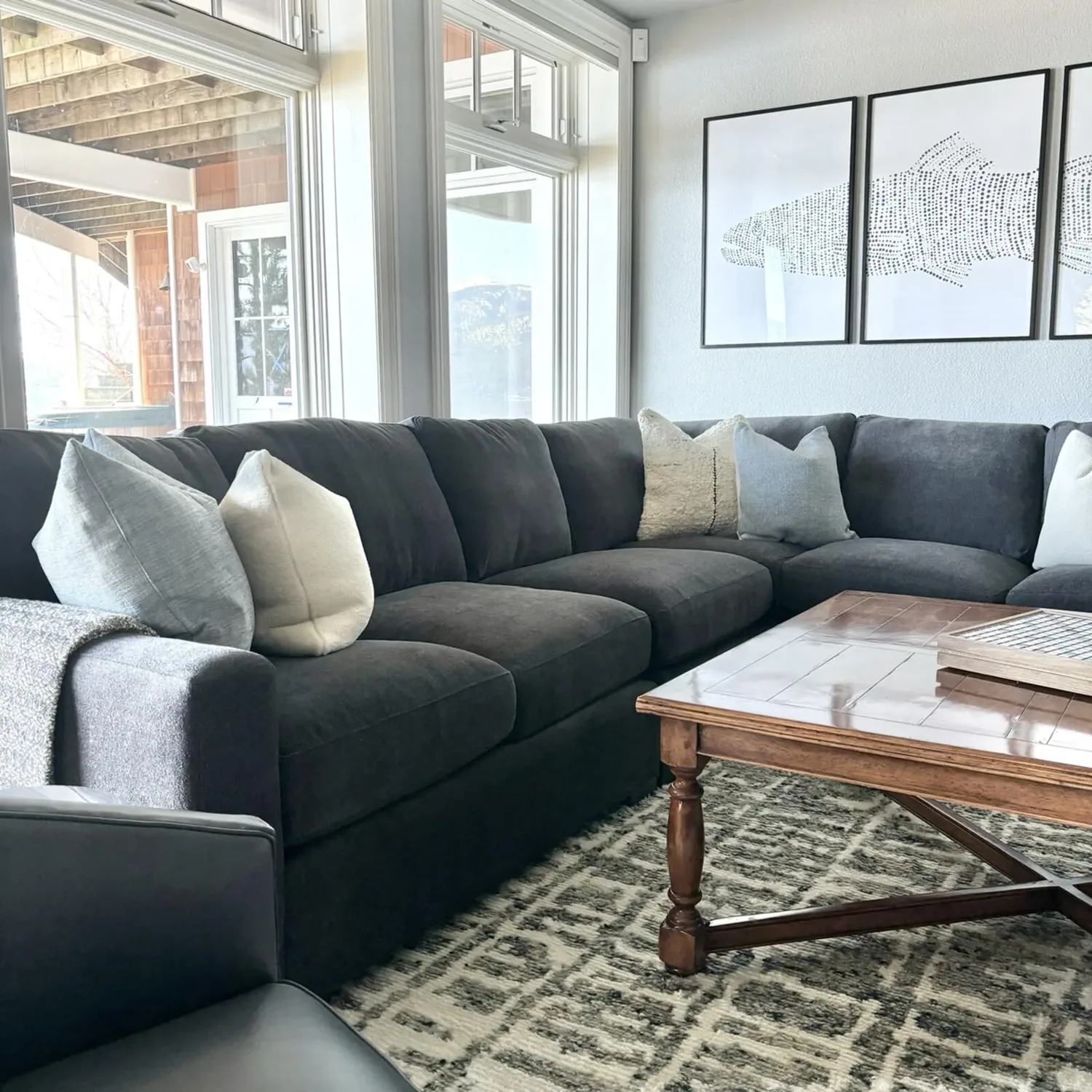
How to Use Lines to Enhance Your Interior Style and Space Perception
When deciding how to incorporate lines into your Sacramento home, the first question we ask is: What decision are you struggling to make about this space? Whether it’s a new built-in, a kitchen backsplash, or lighting fixtures, understanding your core goal guides the design. For example, in a recent project, the homeowner wanted a more expansive living room feel. We explored how continuous lines in ceiling moldings and furniture could visually extend the space. Using tools like a story pole and site photos, we identified that the existing walls had too many competing textures that broke the line flow. We opted for streamlined millwork and integrated linear lighting, which subtly directed the eye along the room’s length, creating a sense of openness without structural changes. The key is balancing bold lines with softer shapes to keep the space inviting.
In Sacramento, where many homes have layered architecture, strategic use of lines can either unify or fragment a space. Choosing the right materials, like matte aluminum for fixtures or textured concrete for accent walls, enhances the visual flow. The goal is to create a space that feels modern yet rooted in its character, using lines as the guiding thread. This approach ensures your interior feels both current and contextual, avoiding the trap of overly trendy or cold design.
Sizing and Specification Tips for Line-Driven Fixtures and Elements
Choosing the right dimensions for fixtures like range hoods, lighting, and cabinetry is essential for achieving a balanced look. For example, a 36-inch range requires a hood that’s at least 42 inches wide to avoid visual imbalance, while a 48-inch range benefits from a hood 48 to 54 inches wide for proportionality. Ceiling heights in Sacramento homes often range from nine to ten feet, allowing for elongated linear lighting or wall panels that draw the eye upward or along the room’s length. When selecting materials, opt for high-precision profiles in matte aluminum or high-gloss lacquer to ensure crisp, continuous lines that maintain their integrity over time.
For custom millwork, working with local fabricators who understand these proportions can save time and money. Stock options from mass-market retailers may lack the exacting details needed for a seamless line appearance, so a comparison of cost, lead time, and quality is worthwhile. Ultimately, proper sizing enhances both function and aesthetic, anchoring your design in practicality while elevating visual impact.
Common Mistakes That Diminish Line Impact in Sacramento Homes
One common mistake is overusing decorative lines that clutter the space and detract from the overall harmony. Another is choosing materials with inconsistent textures or finishes that break the visual flow. A third pitfall is neglecting scale; for example, installing a thin, delicate profile in a large room can make the line feel lost, while oversized elements can overwhelm. These errors often result from rushing the design process or not considering the architectural context. To avoid these, focus on cohesive material choices, proportionate sizing, and layered lighting that highlights the intended lines rather than competing with them. Thoughtful planning ensures your interior design feels intentional and timeless.
Observed Failure Modes, How Line Definition In Interior Design 2026 Goes Wrong
From our project debriefs and post-occupancy reviews, 2023-2026.
Overly Busy Line Patterns
When homeowners or designers introduce too many competing line patterns or textures without regard for scale or context, the result is a cluttered, chaotic space that overwhelms the senses. This often happens when trying to incorporate trendy linear details across every surface without a clear hierarchy. The cure is to select a dominant line language, such as sleek millwork or lighting, and keep other elements more subdued. In Sacramento, respecting the architectural style and using lines to unify rather than fragment is essential to avoid visual overload.
Inconsistent Material Finishes
Using different finishes for similar lines can break the visual continuity and diminish the impact of a well-planned line design. For example, mixing matte aluminum fixtures with shiny lacquer cabinetry can create a disjointed look. The solution is to standardize material choices or use subtle variations in tone and texture to maintain cohesion. Consistency in finish elevates the perception of quality and helps the space feel more curated and harmonious.
Incorrect Scale of Lines
Choosing lines that are either too thin or too thick relative to the space can undermine the intended visual effect. Thin lines may disappear in large rooms, while thick, heavy lines can dominate small spaces. Proper scale consideration, guided by the room size and architectural proportions, ensures lines enhance rather than detract. In Sacramento homes, where many spaces are layered with character, balancing line scale is crucial to achieving a modern yet respectful aesthetic.
Ignoring Lighting in Line Design
Failing to incorporate lighting that accentuates lines can result in flat, uninspired interiors. Proper lighting creates shadows and highlights that emphasize the shape and flow of lines, adding depth and drama. Integrated linear LED fixtures or concealed cove lighting are effective tools. In Sacramento, where natural light varies, thoughtful lighting design is essential to maximize the impact of your line work and create a dynamic environment.
What's Going Out for 2026
- Overly ornate, busy lines that clutter the space
- Inconsistent finishes on similar line profiles
- Ignoring scale and proportion of lines
- Excessive use of linear lighting without layering
- Applying lines without regard to architectural context
- Relying solely on bold lines to define a space
- Using cheap materials that warp or degrade
- Overloading a space with too many competing lines
What Line Definition In Interior Design 2026 Costs in 2026
| Scope | Typical range |
|---|---|
| Basic refresh with simple fixtures and millwork | $20K-$50K |
| Mid-tier renovation with custom millwork and layered lighting | $60K-$120K |
| Estate-scale overhaul with integrated systems and high-end materials | $150K-$400K |
Working Notes
What We Have Learned Doing This: Line Definition In Interior Design: A Designer's Guide to the 2026 Look
“The drawings are a promise. Demolition is the truth.”
Most of the money that gets wasted is spent solving the wrong problem confidently. A homeowner asks for more space, every contractor agrees and prices an addition, and the real issue turns out to be light, or proportion, or one bad sightline. We make the room tell us the problem before anyone signs a demolition contract.
Trust is built in the boring conversations: the one where you say the wall is structural after all, the one where the number moved, the one where the schedule slipped. Clients forgive reality. They do not forgive being surprised by it.
Old houses lie, and so do new ones. Even a ten-year-old house lies the moment you assume the framing sits where the plans say. We stopped trusting old drawings, prior contractor work, and the phrase it should be fine a long time ago. The budget needs a real line for what demolition will uncover, usually 15 to 20 percent once walls start opening.
These notes come from our own line definition in interior design: a designer's guide to the 2026 look project debriefs. Most were learned the expensive way the first time.
Sources & Professional References
This guide's positions on materials are grounded in published building-code, standards, and recognized design-authority sources, alongside Designed | Curated Interiors' verified credentials and active project files:
- American Society of Interior Designers (ASID): interior-design practice standards
- International Code Council (ICC): Chapter 8 Interior Finish Decorative Materials And Furnishings
- NKBA, Amy Kunst Member Profile (verified credential, NKBA Committee Member)
- Featured in: Homes & Gardens (design expert quote, May 2026) · Sacramento Love (guest author, 2024)
Frequently Asked
What is the definition of 'line' in interior design in 2026?
How has the role of 'line' evolved in interior design by 2026?
What materials are commonly used to emphasize lines in 2026 interior design?
How can homeowners in Sacramento incorporate lines to improve their interior spaces?
Are there regional styles in Sacramento that influence the use of lines?
What are some common mistakes to avoid when using lines in interior design?
Where can I find more regional insights on line application in Sacramento interior design?
From Line Definition In Interior Design 2026 to a Real Room
A trend piece is the briefing document, not the deliverable. The pages below show how we translate these principles into finished rooms across Sacramento and the rest of Northern California.
- Sacramento & Bay Area Interior Design Services How we scope, source, and deliver work end to end.
- Interior Designer Hub, Sacramento Where most of our Sacramento work lives, the regional fit explained.
- Modern Tudor Homes: Authentic, Revival, and Neo-Tudor (A Designer Reference) Heritage-architecture renovation patterns from our project files.
- Japandi Living Room: A Designer's Guide to the 2026 Look The 2026 warm-neutral playbook applied to the living room.