Finding an interior designer in Berkeley who specializes in large glass panels involves locating professionals with the right experience and local knowledge to handle both design and maintenance challenges. Designers who understand how to work with large glass panels ensure your home remains both beautiful and functional, while navigating Berkeley’s unique regulations and climate.
Built from our active project files, this guide will explore how top interior designers approach large glass panels, best practices for upkeep, material choices, costs, and how to connect with local experts who can help you achieve a seamless integration of glass into your home’s aesthetic and daily life.
Common Questions
| How can I find professionals experienced in maintaining large glass panels in Berkeley homes? | Start with local interior designers who’ve worked with Berkeley’s climate and building codes—like those certified in Universal Design—and structural engineers who’ve handled glass panel installations before. Ask for case studies or references involving similar projects in the area. |
| What are the best practices for maintaining large glass panels in homes near Berkeley? | Clean them annually with ammonia-free glass cleaners to avoid streaking, check powder-coated aluminum or stainless-steel frames for corrosion every six months, and verify that load-bearing supports meet Berkeley’s seismic and wind-load requirements. Ignore the ‘just wipe it down’ advice—dirt buildup can weaken seals over time. |
| Are there specific materials recommended for large glass panels in Berkeley homes? | Use low-iron tempered glass from brands like Saint-Gobain or PPG for clarity and durability, paired with powder-coated aluminum or 304-grade stainless steel framing to resist corrosion from the Bay Area’s salt air and humidity. Avoid cheaper anodized aluminum—it fails faster in coastal climates. |
| Do I need permits or adhere to specific codes when installing large glass panels in Berkeley? | Yes—Berkeley’s Building Safety Division mandates permits for any glass panel over 24 square feet, and you’ll need to comply with fire-rated glazing (like wired glass near exits) and structural engineering sign-offs for panels exceeding 120 square feet. Skip the DIY route unless you’re willing to redo the whole thing when the inspector flags it. |
Prioritizing Structural and Aesthetic Balance in Glass Panel Design
When working with large glass panels in Berkeley homes, the first major move is to prioritize both structural integrity and aesthetic harmony. Across our active project specifications, we emphasize selecting high-quality, durable glazing options such as low-iron tempered glass from trusted brands like Guardian or Pilkington. The framing system must be robust yet sleek, often combining aluminum or stainless steel for a modern look that withstands Berkeley’s coastal humidity.
Designing around large glass involves considering how the panels will impact light, privacy, and thermal performance. We often recommend integrating smart-tinting films or layered shades that can adapt to changing sunlight, maintaining comfort without sacrificing views. The key is collaborating with structural engineers early to ensure that framing and support systems meet local building codes while achieving the desired visual openness. This proactive approach helps avoid costly retrofit issues later, ensuring the glass becomes a seamless part of the home’s aesthetic and functional fabric.
Why Berkeley Residents Love Large Glass Panels and How to Maintain Them
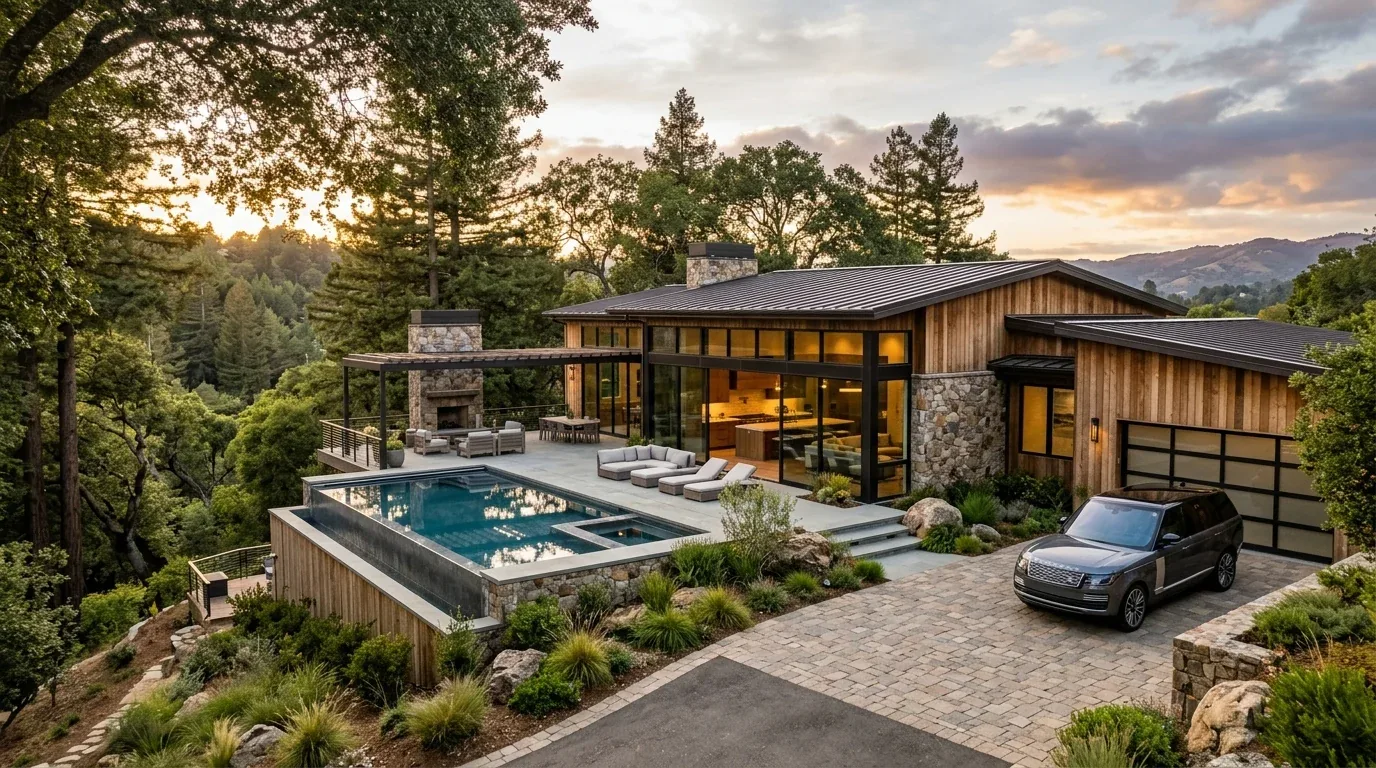
In Berkeley, the blend of historic charm and modern innovation makes large glass panels a popular choice for homeowners seeking to maximize light and landscape views. The region’s mild climate allows for extensive glass installations without typical concerns about extreme weather, but maintaining clarity and performance remains essential.
The area's coastal proximity means choosing materials resistant to humidity and salt corrosion is critical. We often recommend powder-coated aluminum framing and UV coatings to ensure longevity. Additionally, Berkeley’s strict building codes related to fire safety and energy efficiency mean working with experienced local designers like those at our Oakland hub ensures compliance without sacrificing aesthetic goals.
Landscape and light play a vital role in Berkeley’s architectural character. Large glass panels should be thoughtfully integrated to enhance views while providing privacy options, which is why local expertise is invaluable. These design choices support the region’s eco-conscious, forward-thinking ethos, ensuring that your home remains both beautiful and sustainable for years to come.
…
How to Choose the Right Glass and Support System for Your Home
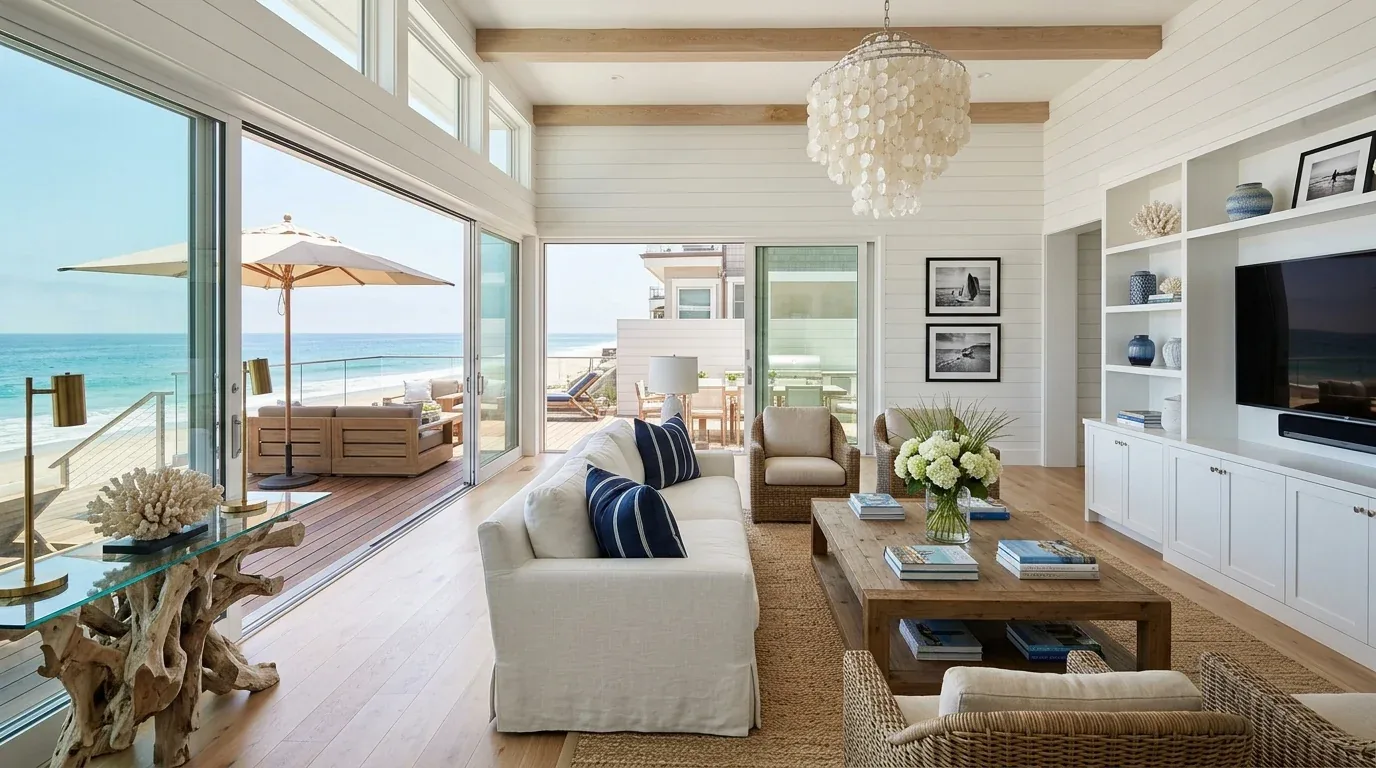
The first question we ask homeowners is what they want to achieve with their large glass panels: maximizing views, enhancing natural light, or improving energy efficiency. The decision about glass type and framing support is critical. For example, a 36-inch wide opening may only need a simple support system, but a floor-to-ceiling wall requires reinforced steel framing and specialized glazing that can handle thermal expansion and wind loads.
In several recent projects, we’ve helped clients select low-iron tempered glass with UV coatings for clarity and durability. We also advise on smart-tinting films that can be controlled via smart home systems for privacy and glare control. Cost and longevity are intertwined, so considering the balance between initial investment and long-term maintenance is key. Consulting with local structural engineers and glass specialists early ensures your project remains within budget and meets code standards.
- Size and weight of glass panels
- Type of framing material
- Local code and safety requirements
- Thermal and acoustic performance
- Ease of maintenance and cleaning
Common Mistakes When Maintaining Large Glass Panels in Homes
One common mistake is neglecting regular cleaning with inappropriate products that can scratch or cloud the glass. Using harsh abrasives or ammonia-based cleaners can damage coatings and reduce clarity. Another pitfall is overlooking the importance of proper sealing around frames, leading to leaks and energy loss. Lastly, ignoring local regulations or failing to work with experienced professionals may result in costly compliance issues or structural problems down the line.
By choosing the right materials, scheduling routine maintenance, and consulting with local experts familiar with Berkeley’s building codes and climate, homeowners can extend the life of their large glass panels and preserve their home’s beauty.
Local permits & planning
Sources & Professional References
This guide's positions on materials are grounded in published building-code, standards, and recognized design-authority sources, alongside Designed | Curated Interiors' verified credentials and active project files:
- American Society of Interior Designers (ASID): interior-design practice standards
- International Code Council (ICC): Chapter 8 Interior Finish Decorative Materials And Furnishings
- Building Safety Division, Berkeley (Alameda County) building permit portal
- NKBA, Amy Kunst Member Profile (verified credential, NKBA Committee Member)
- Featured in: Homes & Gardens (design expert quote, May 2026) · Sacramento Love (guest author, 2024)
Related reading
- Sacramento & Bay Area Interior Design Services How we scope, source, and deliver work end to end.
- Interior Designer Hub, Berkeley Where most of our Berkeley work lives, the regional fit explained.
- Consultation Minimizing Construction Noise In Occupied Homes Berkeley - Interior Designer Related cluster piece referenced from the Consultation Minimizing Construction Noise In Occupied Homes Berkeley - Interior Designer build fi