Sacramento + Marin Interior Designer · Amy Kunst, NKBA 📞 916-756-5977 Get Free Quote

Mill Valley Builder Grade Upgrade What Lasts What Resells

A spacious outdoor wooden deck with modern patio furniture, a fire pit, and large windows overlooking
A spacious outdoor wooden deck with modern patio furniture and a fire pit, surrounded by trees and overlooking a scenic view.

In Mill Valley, builder-grade upgrades that last and boost resale value are those made with durability and timeless appeal in mind. The key is choosing materials and fixtures that withstand local environmental factors while aligning with buyer expectations. Ultimately, selecting the right upgrades can make your home more attractive and investment-worthy without overextending your budget.

Built from our active project files, this guide explores which builder-grade upgrades in Mill Valley stand the test of time, which deliver the best return on investment, and how local climate influences material longevity. We’ll also cover regional design preferences, regulatory considerations, and cost comparisons to help you make informed decisions that resonate with Mill Valley homebuyers.

Direct Answers (Mill Valley Builder Grade Upgrade What Lasts What Resells)

What builder-grade upgrades in Mill Valley tend to last the longest?Durable upgrades like moisture-resistant engineered hardwood flooring, quartz countertops, and corrosion-resistant fixtures are designed to withstand Mill Valley's environmental conditions and last over time.
Which upgrades are most likely to resell well in Mill Valley?High-quality, low-maintenance features such as durable flooring, modern fixtures, and moisture-resistant surfaces appeal to buyers and can boost resale value.
How does local climate influence the longevity of builder-grade upgrades in Mill Valley?The damp Marin climate makes moisture-resistant materials like engineered hardwood and quartz more suitable for lasting durability in Mill Valley homes.
When should I consider upgrading fixtures versus replacing entire systems?Upgrading fixtures from brands like Brizo or Delta with corrosion-resistant finishes can be a cost-effective way to improve durability, but replacing entire systems may be necessary if there are structural or major system issues.

Mill Valley Builder Grade Upgrade What Lasts What Resells 2026 at a Glance

ElementInOut
MaterialsDurable materials for Mill Valley upgradesUndurables and trendy finishes
ROIHigh ROI upgrade optionsCheap fixtures with short lifespan
Design TrendsPopular local design trendsFads that fade quickly
Climate FactorsClimate impacts on materialsMaterials vulnerable to moisture
RegulationsRegional building regulationsOverly complex permit processes
CostCost differences between upgradesExpensive high-end fixtures
Essential UpgradesEssential upgrades for resaleNon-essential aesthetic updates

Prioritizing Durable, Resale-Boosting Upgrades

In Mill Valley, homeowners aiming for longevity and resale value often focus on foundational upgrades that stand up to the Bay Area’s unique environmental conditions. Across our active project specifications, we see that selecting high-quality, moisture-resistant materials is essential. For example, engineered hardwood flooring with a water-resistant finish, like those from Shaw or Armstrong, offers a durable surface that resists warping in the damp Marin climate. Similarly, quartz countertops such as Caesarstone or Silestone are favored over natural stone for their resilience to staining and scratching, making them practical for busy households.

When considering fixtures, high-grade hardware and fittings from brands like Brizo or Delta with corrosion-resistant finishes ensure longevity in the face of fog, rain, and humidity. These choices not only withstand environmental stressors but also appeal to Mill Valley homebuyers who value low-maintenance, high-performance features. The real challenge is balancing cost with durability; opting for mid-tier yet high-quality options often delivers the best ROI, especially in a competitive market where buyers seek homes that require less immediate upkeep.

A modern living room with a large marble feature wall, low wooden coffee table, beige sofa, and large windows showing
A sophisticated bedroom with a large upholstered bed, two navy armchairs, a bench, and elegant decor including a chandelier and framed artwork.

Material Specificity for Long-Lasting Upgrades

Authenticity-grade materials

  • White oak (rift-sawn), for floors and slat detail; calmer grain than plain-sawn
  • Porcelain tile, highly resistant to moisture and temperature fluctuations
  • Marine-grade stainless steel, for fixtures exposed to humidity
  • High-density spray foam insulation, improves energy efficiency and prevents moisture issues
  • Low-VOC, durable paint, maintains appearance in damp climates
  • Bamboo flooring, sustainable and resilient when properly finished
  • Solid brass hardware, corrosion-resistant for longevity
  • Quartz surfaces, non-porous and scratch-resistant

Generic-grade tells we refuse to spec

  • Standard softwood, prone to warping in moisture
  • Natural stone, susceptible to staining and chipping
  • Uncoated metals, prone to corrosion
  • Low-quality MDF or particleboard, less durable
  • Basic paint with VOCs, less durable and more prone to peeling
  • Laminate flooring, less resistant to moisture and wear

Mill Valley Regional Perspective on Durable Upgrades

Mill Valley’s distinct landscape and historic architectural stock make choosing the right builder-grade upgrades especially important. The region’s frequent fog and damp conditions mean materials must withstand moisture without deterioration. For instance, engineered hardwoods and quartz surfaces perform better here than natural stone or softwood alternatives. The area's older homes, often built before modern insulation standards, require upgrades that address moisture and air quality without compromising character.

In the broader Marin and Bay Area context, many buyers prioritize low-maintenance, high-performance interiors that reflect a polished, contemporary aesthetic while respecting regional charm. Our design perspective emphasizes selecting finishes that age well and resist environmental stressors. For homeowners near Throckmorton Avenue considering renovations, understanding local climate influences and regional tastes helps create spaces that are both durable and highly appealing. To explore regional trends further, visit our San Rafael interior design hub.

This regional approach ensures that upgrades support long-term resilience, reduce future maintenance costs, and align with Mill Valley’s architectural heritage.

A natural forest scene with a small creek, ferns, and tall trees
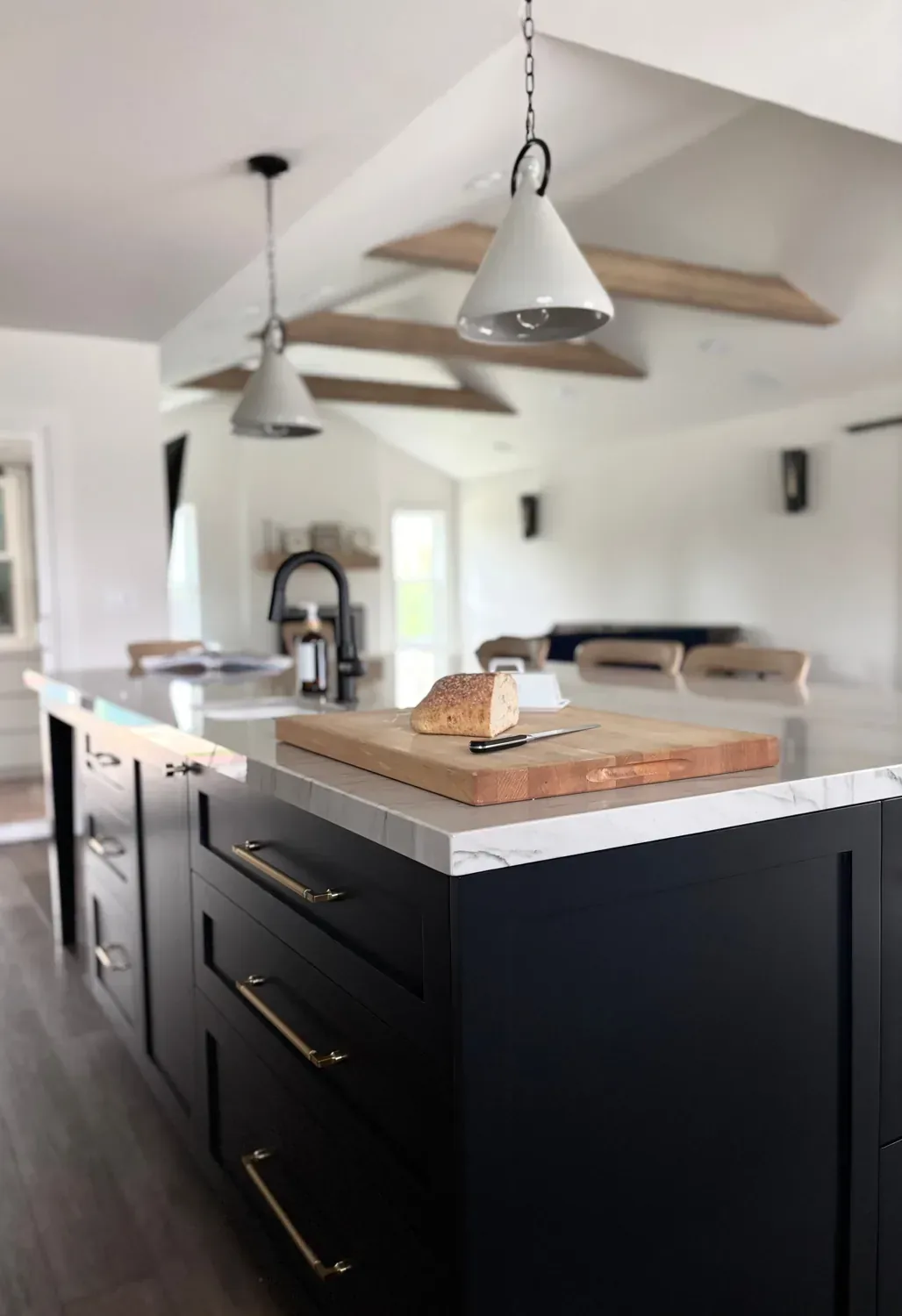
A modern kitchen island with dark cabinetry, marble countertop, pendant lights, and a cutting board with bread and knife.

Should You Remodel or Rebuild in Mill Valley?

The first question many homeowners face is whether to upgrade builder-grade materials or consider a full rebuild. In Mill Valley, where land value is high and older homes form the majority of the housing stock, this decision hinges on structural integrity, budget, and long-term goals. Upgrades like replacing flooring, fixtures, or cabinetry with durable, high-quality options can significantly improve resale value without the upheaval of a full rebuild. However, if foundational issues or extensive modernization are needed, rebuilding may be more cost-effective in the long run.

Our experience suggests that focusing on key upgrades such as moisture-resistant flooring, energy-efficient windows, and high-grade fixtures offers excellent ROI while preserving the home's character. The choice depends on your home's condition, your desired timeline, and regional regulations. For example, older homes might require permits from the Mill Valley Planning & Building Department before major work begins.

What Add the Most Value in Mill Valley Homes?

In Mill Valley, primary kitchens, primary suites, and outdoor living spaces remain top-value upgrades. The key is selecting builder-grade materials that last and appeal to local buyers. For kitchens, upgrading to quartz countertops, high-quality cabinetry, and durable flooring yields a high ROI. In primary suites, installing soundproofing, moisture-resistant finishes, and energy-efficient windows appeals to buyers seeking comfort and low ongoing costs.

Our data indicates that investing in exterior upgrades like low-maintenance siding and drought-tolerant landscaping can also boost curb appeal and resale value. A detailed ROI table can help prioritize projects based on budget and expected return. Remember, Mill Valley buyers value authenticity, so maintaining architectural integrity while modernizing is crucial.

How to Modernize an Older Mill Valley Home Without Losing Its Character

Modernizing older homes while preserving their charm is a balancing act. Focus on upgrading builder-grade finishes with durable, period-appropriate materials like shaker-style cabinetry, timeless tile patterns, and classic hardware finishes. Incorporate modern amenities discreetly, such as energy-efficient lighting and smart home features, without overwhelming historic details. The American Society of Interior Designers emphasizes respecting the home's original character while enhancing its functionality.

In Mill Valley, where the architectural style often leans toward Craftsman or mid-century modern, subtle updates that improve longevity and comfort are preferred. For example, replacing builder-grade vinyl windows with high-performance, wood-clad units maintains aesthetic integrity. The goal is to create a space that feels both authentic and resilient, ensuring it remains appealing for years to come.

Common Mistakes We See with Builder-Grade Upgrades

Biggest Waste: Choosing low-quality materials that quickly wear out, such as cheap laminate flooring or unsealed natural stone.
Biggest Regret: Overlooking moisture-resistant options in kitchens and bathrooms, leading to early deterioration.
Hidden Cost: Underestimating the need for structural or permit upgrades, especially in older homes, which can add thousands to the project budget unexpectedly.

Observed Failure Modes, How Mill Valley Builder Grade Upgrade What Lasts What Resells Goes Wrong

From our project debriefs and post-occupancy reviews, 2023-2026.

Choosing Inadequate Materials for Mill Valley Climate

Many homeowners assume that standard builder-grade materials are sufficient for Mill Valley’s damp climate. The mistake is selecting softwood or natural stone without considering moisture resistance, leading to warping, staining, or mold over time. For example, using soft maple or unsealed travertine in kitchens or bathrooms often results in early wear. The cure is to specify engineered wood or porcelain tiles, which are designed to withstand high humidity and temperature fluctuations, common in this region. Recognizing the importance of climate-specific materials early on can save thousands on repairs and replacements later.

Ignoring Local Regulations and Permit Requirements

Another common mistake is neglecting to research local building codes and permit requirements for upgrades. In Mill Valley, certain structural or electrical changes, even in cosmetic upgrades, may require permits from the Planning & Building Department. Failing to secure these can lead to costly delays or fines. The first step is to consult with a local professional familiar with regional regulations, especially for projects involving significant alterations to load-bearing walls or electrical systems. Proper planning ensures compliance, avoiding surprises that can double or triple project costs.

Overlooking Long-Term Maintenance in Material Selection

Many homeowners focus on initial costs but forget to consider ongoing maintenance. Choosing builder-grade fixtures or finishes that require frequent sealing, refinishing, or repairs can diminish ROI over time. For example, unprotected softwood flooring or unsealed grout lines may look fine initially but deteriorate quickly in the Marin environment. The American Society of Interior Designers recommends selecting low-maintenance, durable materials like quartz, high-quality stainless steel, and sealed hardwoods to reduce future costs and preserve aesthetic appeal.

What's Going Out for 2026

  • Cheap laminate flooring
  • Unsealed natural stone
  • Softwood or softwood-based materials
  • Low-quality fixtures prone to corrosion
  • Overly trendy finishes that date quickly
  • Non-compliant electrical fixtures
  • Inadequate moisture barriers
  • Ignoring regional climate considerations

What Mill Valley Builder Grade Upgrade What Lasts What Resells Costs in 2026

ScopeMill Valley / Bay AreaSacramento
Basic builder-grade refresh$20K-$40K$15K-$30K
Mid-tier upgrade with durable materials$40K-$90K$30K-$70K
Whole-home renovation with premium finishes$90K-$200K$70K-$150K

Local permits & planning

Working Notes

What We Have Learned Doing This: Mill Valley Builder Grade Upgrade What Lasts What Resells

“Site conditions vote last, and they always vote.”

Order the long-lead items before anything else and design the sequence so the rest of the job can proceed without them. The appliance, the stone, the custom millwork set the schedule, and pretending otherwise is how a project loses a month it never gets back.

After enough projects you stop fearing bad taste and start fearing the boring things: delays, sequencing mistakes, moisture behind a wall, an electrician improvising, framing that is not where the drawings swear it is. The aesthetic part still matters, it is why anyone hires anyone, but execution decides whether the room ever gets built the way it was drawn.

Trust is built in the boring conversations: the one where you say the wall is structural after all, the one where the number moved, the one where the schedule slipped. Clients forgive reality. They do not forgive being surprised by it.

These notes come from our own mill valley builder grade upgrade what lasts what resells project debriefs. Most were learned the expensive way the first time.

Sources & Professional References

This guide's positions on materials are grounded in published building-code, standards, and recognized design-authority sources, alongside Designed | Curated Interiors' verified credentials and active project files:

Frequently Asked

What builder-grade upgrades in Mill Valley tend to last the longest?
Durable upgrades like moisture-resistant engineered hardwood flooring, quartz countertops, and corrosion-resistant fixtures are designed to withstand Mill Valley's environmental conditions and last over time.
Which upgrades are most likely to resell well in Mill Valley?
High-quality, low-maintenance features such as durable flooring, modern fixtures, and moisture-resistant surfaces appeal to buyers and can boost resale value.
How does local climate influence the longevity of builder-grade upgrades in Mill Valley?
The damp Marin climate makes moisture-resistant materials like engineered hardwood and quartz more suitable for lasting durability in Mill Valley homes.
When should I consider upgrading fixtures versus replacing entire systems?
Upgrading fixtures from brands like Brizo or Delta with corrosion-resistant finishes can be a cost-effective way to improve durability, but replacing entire systems may be necessary if there are structural or major system issues.
Are there regional design preferences that affect which upgrades last and resell well?
Yes, Mill Valley homeowners prefer timeless, high-quality finishes that align with regional charm, which helps upgrades stay attractive and retain value over time.
What permits or codes should I be aware of when making builder-grade upgrades in Mill Valley?
Major upgrades may require permits from the Mill Valley Planning & Building Department, especially if they involve structural or electrical changes, as outlined on their official website.

From Mill Valley Builder Grade Upgrade What Lasts What Resells to a Real Room

A trend piece is the briefing document, not the deliverable. The pages below show how we translate these principles into finished rooms across Mill Valley and the rest of Northern California.

Start a Project Conversation →

Call (916) 756-5977Book a Consultation