Sacramento + Marin Interior Designer · Amy Kunst, NKBA 📞 916-756-5977 Get Free Quote

Mill Valley Interior Design Cost: Real Numbers by Neighborhood

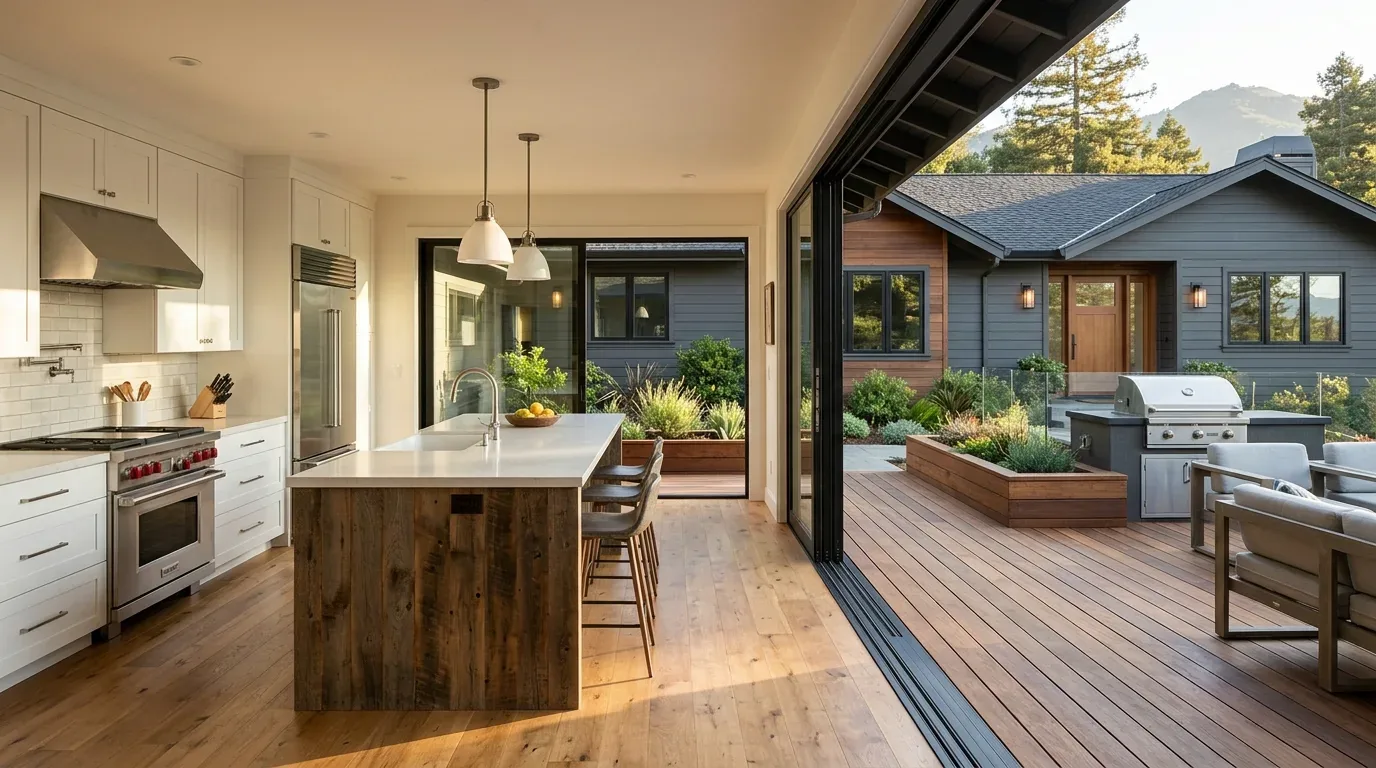
A modern kitchen with a large island opens up to an outdoor deck with seating and a grill, surrounded
A modern kitchen with a large island opens up to an outdoor deck with seating and a grill, surrounded by greenery and a mountain view.

In 2026, interior design costs across Mill Valley neighborhoods vary significantly, influenced by local styles, property sizes, and the level of luxury desired. Understanding these neighborhood-specific costs helps homeowners plan smarter budgets and avoid surprises.

This guide, built from our active project files, breaks down average fees, compares high-end versus budget-friendly areas, and shares real project examples. We explore factors driving cost differences, local designer availability, and additional neighborhood-related costs like permits or travel fees. Our goal is to provide clear, regionally anchored insights that empower homeowners to make informed decisions while respecting Mill Valley’s unique architectural character and demographic influences.

Direct Answers (Mill Valley Interior Design Real Cost By Neighborhood)

What is the typical interior design cost range by neighborhood in Mill Valley?In 2026, interior design fees in Mill Valley neighborhoods range from approximately $100 to $250 per hour depending on the area, scope, and designer expertise.
How do high-end neighborhoods near Throckmorton Avenue influence interior design costs?High-end areas near Throckmorton Avenue tend to command premium rates due to luxury styles, larger property sizes, and bespoke finishes.
What factors contribute to cost differences across Mill Valley neighborhoods?Factors include property size, style preferences, project complexity, neighborhood demographics, and the level of luxury desired.
Are there additional neighborhood-related costs to consider besides design fees?Yes, additional costs such as permits, travel fees, and site-specific challenges can impact the final budget.

Mill Valley Interior Design Real Cost By Neighborhood 2026 at a Glance

ElementInOut
Cost VariationNeighborhood variation in design costsUniform design fees across neighborhoods
Fee ComparisonHigh-end vs budget-friendly feesLack of neighborhood-specific info
Project ExamplesProject example costs by areaGeneric project costs
Influencing FactorsFactors influencing neighborhood pricingIgnoring local style influences
Designer AvailabilityLocal designer specializationLimited local designer options
Demographics & TrendsDemographic impact on design trendsNeglecting demographic effects
Additional CostsAdditional neighborhood costs like permitsOverlooking extra neighborhood costs

Understanding the Neighborhood Cost Spectrum in Mill Valley

Across our active project specifications in Mill Valley, interior design fees can range from approximately $100 to $250 per hour depending on the neighborhood, scope, and designer expertise. High-end areas near Throckmorton Avenue tend to command premium rates due to their luxury architectural styles, larger property sizes, and the expectation of bespoke finishes. Conversely, more budget-conscious neighborhoods just off Throckmorton may see lower fees, especially when homeowners opt for semi-custom or stock finishes.

Factors such as the property’s size, style preferences, and the complexity of the project influence these costs. For example, a primary suite renovation in a high-end estate might involve custom millwork, high-end fixtures, and intricate lighting, pushing the total cost well above standard upgrades. Meanwhile, smaller projects in modest homes often lean toward more streamlined, cost-effective solutions. Local designers often specialize in certain neighborhoods, understanding the nuances of style and expectations that drive costs up or down. It’s essential to consider neighborhood demographics as they influence design trends, material choices, and even the availability of specialized trades. Additional costs like permits, travel fees, and site-specific challenges further impact the final budget.

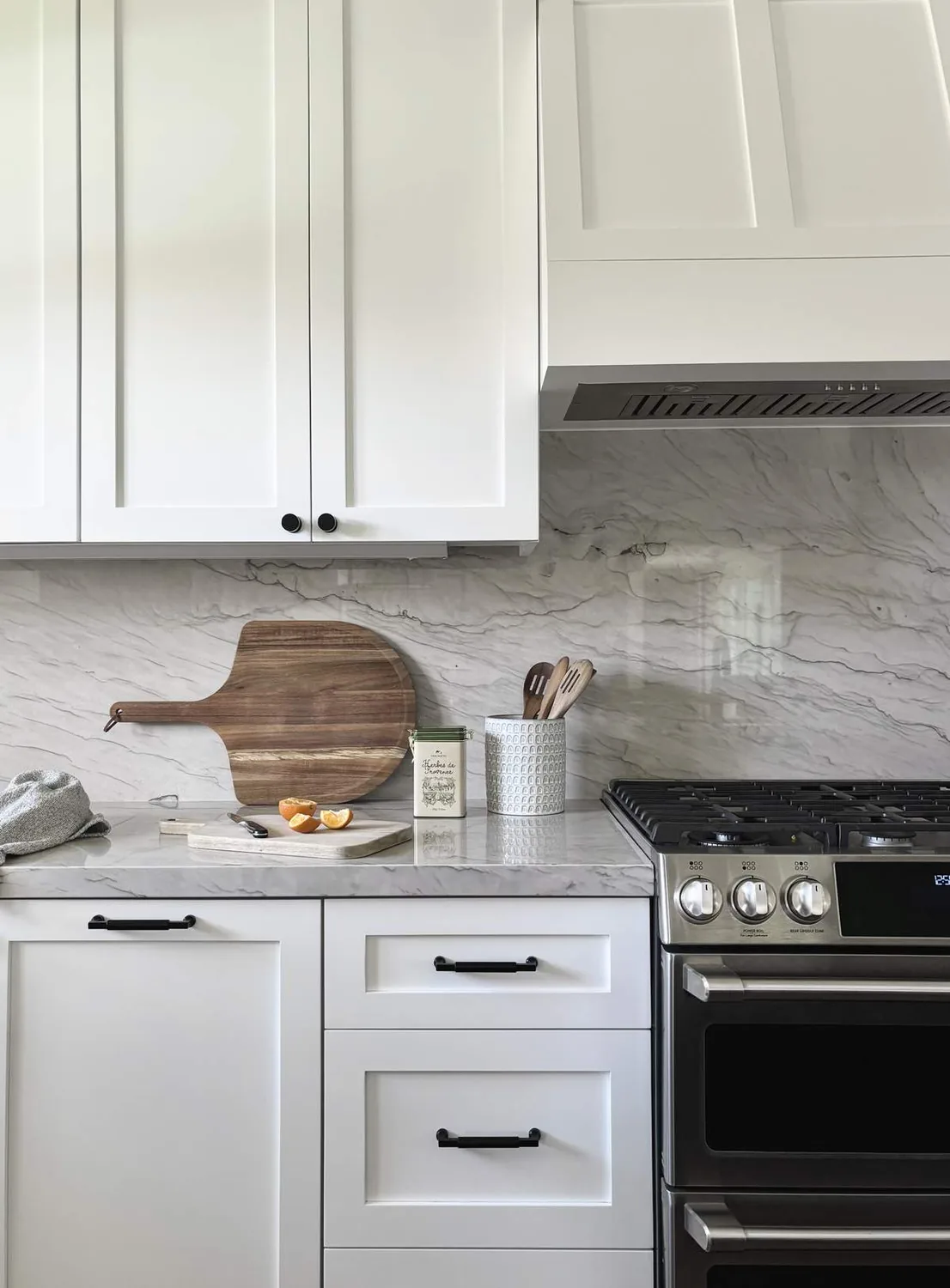
A modern kitchen countertop with white cabinets, a marble backsplash, a wooden cutting board, and a stainless steel stove
A modern kitchen countertop with white cabinets, a marble backsplash, a wooden cutting board, and a stainless steel stove.

Material Specificity in Mill Valley Interiors

Authenticity-grade materials

  • White oak (rift-sawn), for floors and slat detail; calmer grain than plain-sawn
  • Bronze hardware, for a warm, timeless finish
  • Calacatta marble, for countertops and accent surfaces
  • Linen fabric, for upholstery and drapery with natural texture
  • Matte black fixtures, for modern contrast and durability
  • Reclaimed wood, for sustainable accents and furniture
  • Porcelain tile (large format), for low-maintenance, upscale flooring
  • Custom glass, for seamless shower enclosures

Generic-grade tells we refuse to spec

  • Standard MDF, for cabinetry and millwork
  • Chrome hardware, ubiquitous and less warm
  • Ceramic tile, more common and less upscale
  • Polyester fabric, lower-cost, synthetic option
  • Polished nickel fixtures, traditional but less durable
  • Veneer plywood, economy-grade for panels
  • Standard laminate countertop, budget-friendly but less refined
  • Mass-produced glass, off-the-shelf solutions

Why Mill Valley’s Neighborhoods Shape Interior Design Costs in 2026

Mill Valley’s unique architectural stock, characterized by a mix of historic homes and modern estates, influences interior design costs profoundly. The proximity to lush landscapes and the town’s affluent demographics make high-end finishes and custom solutions more common, especially near Throckmorton Avenue where luxury properties predominate. The area's demand for bespoke millwork and integrated smart-home features drives costs upward, yet the scenic landscape and strict preservation guidelines also add complexity to projects. This regional context makes understanding neighborhood-specific costs essential for realistic budgeting.

The broader Marin County and Sacramento areas share similar luxury preferences, but Mill Valley’s dense tree canopy and older home stock often require tailored approaches. The local supply chain for custom cabinetry and specialty finishes is highly responsive, but costs can escalate quickly if permits or structural modifications are needed. To navigate these nuances, consulting a local designer familiar with Mill Valley’s neighborhood styles and permitting process, like our San Rafael hub, ensures projects stay aligned with both budget and character.

Ultimately, understanding how neighborhood demographics influence style preferences and costs helps homeowners prioritize investments that add genuine value while respecting Mill Valley’s distinctive charm.

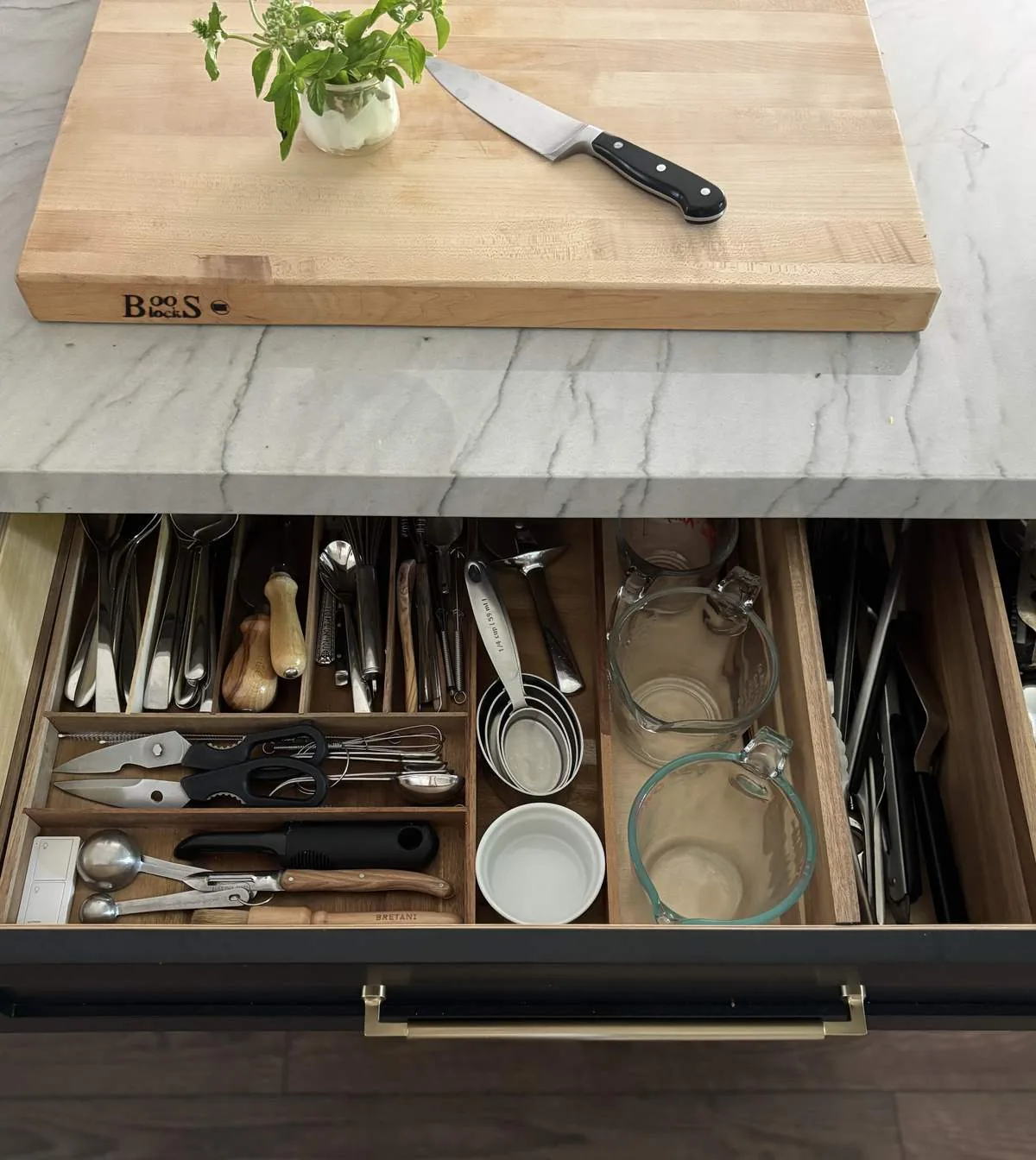
A kitchen drawer organizer with various utensils and measuring cups beneath a marble countertop with a wooden cutting board and knife on top
A kitchen drawer organizer with various utensils and measuring cups beneath a marble countertop with a wooden cutting board and knife on top.

Should You Remodel or Rebuild in Mill Valley?

The first question many homeowners face when considering interior design costs is whether to remodel their existing space or opt for a rebuild. In Mill Valley, older homes often come with the charm of historic architecture but may require extensive updates to meet modern standards. For example, a homeowner near Throckmorton Avenue might want to update a vintage kitchen. The initial instinct is to overhaul the existing layout, but the real decision hinges on structural integrity, permit requirements, and long-term value.

Our typical process begins with assessing the existing structure using tools like a tape measure and reviewing historic permits. If the foundation and framing are sound, a thoughtful remodel can preserve character and save costs. However, if the home’s layout is not conducive to current needs or code upgrades are prohibitively expensive, rebuilding might be more cost-effective in the long run. In Mill Valley, tight land use restrictions and preservation guidelines often influence this decision, making expert guidance crucial. A well-executed remodel can retain Mill Valley’s charm while updating interiors efficiently, but sometimes a rebuild aligns better with future goals.

What Adds the Most Value in Mill Valley’s Interior Projects?

Understanding what design upgrades yield the best return on investment is vital. In Mill Valley, high-end kitchens, primary suites, and outdoor living spaces consistently add the most value. For example, a recent project in the Shorebird neighborhood showed that investing in custom cabinetry and appliances in the kitchen increased resale value significantly more than cosmetic updates. Our ROI table compares project types, emphasizing that strategic upgrades like energy-efficient systems and durable materials often outperform purely aesthetic changes.

For homeowners, balancing luxury finishes with functionality is key. Upgrading to smart-home features that improve daily life and energy savings can be worth the expense, especially in Mill Valley’s tech-savvy community. The local market favors timeless, high-quality materials that stand the test of time, ensuring investments retain value. Consulting with a local designer helps identify these high-value areas, ensuring every dollar spent drives both immediate comfort and long-term resale gains.

How to Modernize an Older Mill Valley Home Without Losing Its Character

Many Mill Valley homeowners want a contemporary feel without sacrificing their home’s historic charm. The challenge is balancing modern materials and layouts with preservation guidelines. Our first step is evaluating the architectural elements worth retaining, such as moldings, fireplaces, and window styles. We then identify areas where updates, like new lighting, open floor plans, or modern fixtures, can be integrated seamlessly.

Techniques such as integrating contemporary kitchens with vintage cabinetry or preserving original flooring while updating finishes help achieve this harmony. The American Society of Interior Designers emphasizes the importance of respecting the original character during modernization. In Mill Valley, working within local preservation constraints and landscape integration means carefully selecting materials and design moves. A thoughtful approach ensures the home feels current yet authentic, appealing to both current owners and future buyers.

What Homeowners Need to Know About Cost Breakdown and Neighborhood Differences

Homeowners often seek a clear understanding of how interior design costs vary by neighborhood in Mill Valley. The reality is that neighborhood-specific factors such as land value, property age, architectural style, and demand for custom finishes directly influence pricing. For example, a remodel in a historic district near Throckmorton Avenue might require specialty materials and preservation-approved design moves, increasing costs. Conversely, more modest neighborhoods may prioritize efficiency and standard finishes, reducing expenses.

By analyzing recent projects and supplier pricing, we see that high-end areas consistently demand more investment in bespoke details, while budget areas favor streamlined, stock options. Recognizing these differences helps homeowners set realistic expectations and allocate budgets appropriately, ensuring their design ambitions align with neighborhood realities.

Observed Failure Modes, How Mill Valley Interior Design Real Cost By Neighborhood Goes Wrong

From our project debriefs and post-occupancy reviews, 2023-2026.

Assuming Uniform Costs Across Neighborhoods

Many homeowners believe that interior design costs are similar throughout Mill Valley, but this is rarely the case. Neighborhoods near Throckmorton Avenue or in estate zones typically require premium finishes, bespoke millwork, and specialized trades, all of which drive costs higher. This misconception can lead to underfunded projects or overinvestment in less impactful areas. Recognizing neighborhood-specific factors early ensures budgets reflect real needs and expectations.

Neglecting Permit and Regulatory Impact

Ignoring local permitting requirements can cause unexpected delays and costs. Projects involving structural changes or additions often require permits from the Mill Valley Planning & Building Department. Failing to research these early can result in redesigns, fines, or work stoppages, inflating costs and pushing deadlines. Early permit consultation and understanding local rules are essential for smooth project execution.

Overestimating Material Flexibility in Historic Areas

Choosing incompatible materials for Mill Valley’s historic or climate-sensitive zones can lead to early deterioration and costly replacements. For example, using standard laminate in outdoor transitional spaces fails in the moist environment. Selecting durable, climate-appropriate materials like porcelain tile or moisture-resistant cabinetry preserves longevity and maintains the neighborhood’s character, avoiding costly repairs later.

Ignoring Local Supply Chain Variability

Assuming supplier prices and lead times are stable across time and neighborhoods can cause budgeting issues. Mill Valley’s proximity to Sacramento and Bay Area suppliers means prices fluctuate, especially for high-end finishes. Relying on outdated bids or off-the-shelf solutions may lead to surprises. Regularly updating supplier quotes and planning ahead prevents budget overruns and delays.

Failing to Work with Local Experts

Not engaging local designers familiar with Mill Valley’s regulations and style expectations can result in misaligned designs and increased costs. Local expertise ensures projects meet neighborhood standards, permits are handled efficiently, and material choices suit the environment. This professional insight often saves thousands by avoiding costly mistakes and rework.

What's Going Out for 2026

  • Using generic cost estimates without neighborhood context
  • Ignoring permit requirements early in planning
  • Overlooking local climate effects on material durability
  • Assuming all designers charge similar rates
  • Neglecting to update supplier quotes over time
  • Choosing inappropriate finishes for historic or moist environments
  • Underestimating extra costs like permits or travel fees
  • Forgetting neighborhood style influences on material choices

What Mill Valley Interior Design Real Cost By Neighborhood Costs in 2026

ScopeMill Valley / Bay AreaSacramento
Basic refresh of small spaces with standard finishes$20K-$40K$15K-$30K
Mid-tier renovation with semi-custom finishes and moderate scope$70K-$140K$50K-$100K
Estate-scale remodel including major structural work and bespoke finishes$300K-$700K$200K-$500K

Local permits & planning

Working Notes

What We Have Learned Doing This: Mill Valley Interior Design Cost: Real Numbers by Neighborhood

“Sequence beats speed. Every time.”

Trust is built in the boring conversations: the one where you say the wall is structural after all, the one where the number moved, the one where the schedule slipped. Clients forgive reality. They do not forgive being surprised by it.

Order the long-lead items before anything else and design the sequence so the rest of the job can proceed without them. The appliance, the stone, the custom millwork set the schedule, and pretending otherwise is how a project loses a month it never gets back.

Old houses lie, and so do new ones. Even a ten-year-old house lies the moment you assume the framing sits where the plans say. We stopped trusting old drawings, prior contractor work, and the phrase it should be fine a long time ago. The budget needs a real line for what demolition will uncover, usually 15 to 20 percent once walls start opening.

These notes come from our own mill valley interior design cost: real numbers by neighborhood project debriefs. Most were learned the expensive way the first time.

Sources & Professional References

This guide's positions on materials are grounded in published building-code, standards, and recognized design-authority sources, alongside Designed | Curated Interiors' verified credentials and active project files:

Frequently Asked

What is the typical interior design cost range by neighborhood in Mill Valley?
In 2026, interior design fees in Mill Valley neighborhoods range from approximately $100 to $250 per hour depending on the area, scope, and designer expertise.
How do high-end neighborhoods near Throckmorton Avenue influence interior design costs?
High-end areas near Throckmorton Avenue tend to command premium rates due to luxury styles, larger property sizes, and bespoke finishes.
What factors contribute to cost differences across Mill Valley neighborhoods?
Factors include property size, style preferences, project complexity, neighborhood demographics, and the level of luxury desired.
Are there additional neighborhood-related costs to consider besides design fees?
Yes, additional costs such as permits, travel fees, and site-specific challenges can impact the final budget.
How can understanding neighborhood styles help in budgeting for interior design?
Knowing neighborhood-specific styles and expectations helps homeowners plan realistic budgets and choose appropriate finishes and features.
Where can I find local permits and building requirements for interior projects in Mill Valley?
You can consult the Planning & Building page of Mill Valley at https://www.cityofmillvalley.gov/231/Building for official permitting information.

From Mill Valley Interior Design Real Cost By Neighborhood to a Real Room

A trend piece is the briefing document, not the deliverable. The pages below show how we translate these principles into finished rooms across Mill Valley and the rest of Northern California.

Start a Project Conversation →

Call (916) 756-5977Book a Consultation