When you’re remodeling in Mill Valley, especially in the historic neighborhoods like the downtown core or the rolling hills of Tamalpais Valley, the process starts with understanding why permits and timelines stretch longer than you might expect, and why budgets often do too. The city’s architectural DNA is a mix of mid-century modern gems, Craftsman bungalows with deep porches, and more recent contemporary homes that lean into the natural landscape with expansive glass and reclaimed wood. But here’s the catch: Mill Valley’s permitting process is notoriously thorough, especially for structural changes or additions, because of the area’s seismic activity and strict building codes tied to the Bay Area’s earthquake risks. The city also prioritizes preserving the character of older neighborhoods, which means even something as seemingly straightforward as extending a deck or adding a skylight can trigger multiple inspections, historical review boards, and coordination with the Marin County Fire Department, each step adding weeks, if not months, to your timeline. And let’s talk budgets: labor costs in Northern California are high, and the demand for skilled carpenters, electricians, and plumbers is fierce, especially when you’re competing with projects in nearby Sausalito or San Francisco. Then there’s the reality of supply chain delays, which hit coastal California harder than most places. When you factor in the need for locally sourced, durable materials, think redwood or cedar for trim, slate or composite shingles for roofs, and energy-efficient windows to combat the foggy, windy climate, you’re looking at premium pricing that can easily balloon if you’re not accounting for these variables upfront.
Amy’s approach starts with a deep dive into your home’s existing bones and how they interact with Mill Valley’s unique climate and terrain. The fog that rolls in off the Pacific means your remodel needs to account for moisture resistance, whether that’s through sealed wood, proper ventilation in bathrooms and kitchens, or choosing materials that won’t warp or rot over time, like ipe decking or fiber cement siding instead of traditional wood. If you’re in the hillside neighborhoods, like those near Ring Mountain or the back of the Tam, you’ll also need to think about drainage and erosion control, which can add unexpected costs if not planned for early. The neighborhood’s aesthetic is another guiding force; in downtown Mill Valley, where Craftsman and Victorian details are common, Amy might suggest restoring original woodwork, adding built-in shelving, or using muted earth tones to honor the area’s history. But if you’re in a more modern home near the water, she’ll lean into clean lines, large windows to frame the views of Richardson Bay, and materials like steel or concrete to contrast with the surrounding redwoods. Every decision is made with an eye on how it’ll hold up in this environment, whether that’s choosing low-VOC paints for the smoggy summer air or selecting outdoor furniture that won’t fade in the intense sunlight when the fog burns off.
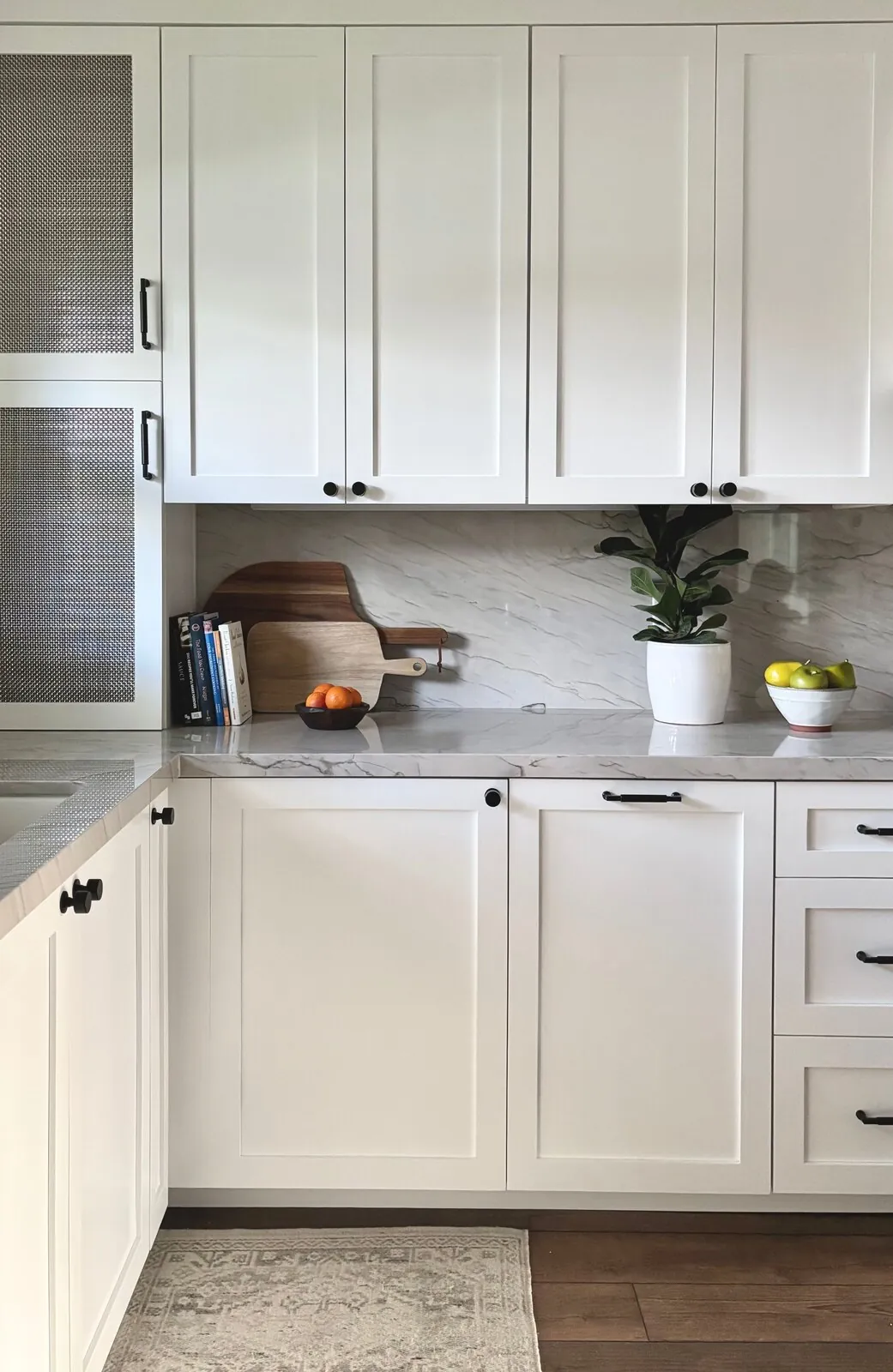
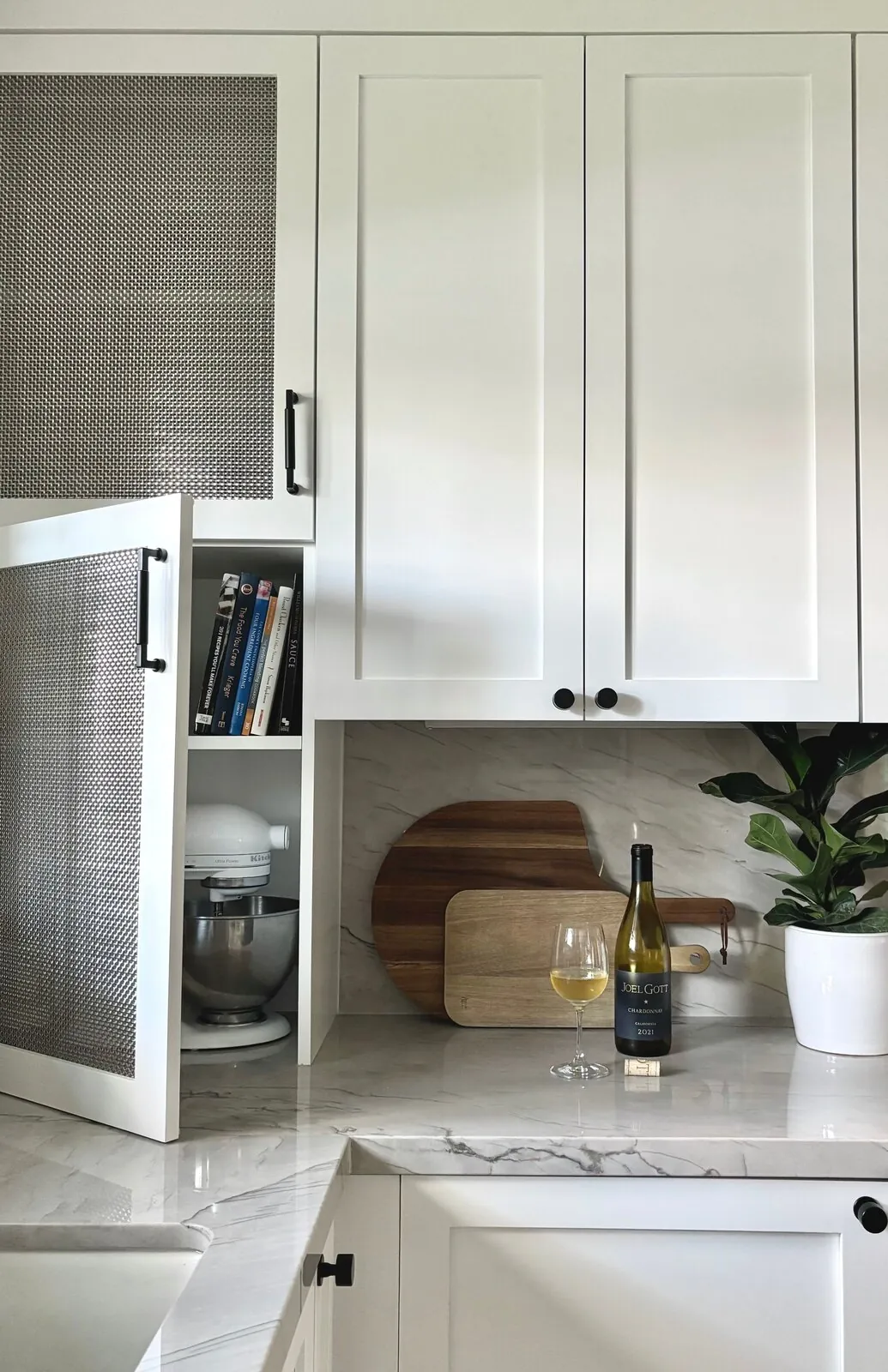
What sets Amy’s process apart is her ability to translate Mill Valley’s aesthetic and homeowner preferences into a design that feels intentional, not just trendy. Locally, there’s a strong preference for open, airy spaces that blur the lines between indoors and out, think living rooms that flow onto covered decks with views of the bay or kitchens designed for entertaining with easy access to outdoor dining areas. But homeowners here also value sustainability, so she often incorporates passive solar design, like south-facing windows to maximize natural light and heat in the winter, or greywater systems for irrigation, especially in the drier months. There’s a quiet luxury in Mill Valley remodels, too, it’s not about flashy finishes but about craftsmanship and longevity. That might mean investing in high-end cabinetry with solid wood doors, custom millwork that complements the home’s era, or even restoring original hardwood floors instead of covering them up. Amy also knows that many homeowners here are balancing preservation with modernization, so she’ll often suggest subtle updates, like a floating vanity in a bathroom to create the illusion of more space, or a minimalist fireplace surround in a living room to add warmth without overwhelming the room. The goal is to create a space that reflects your lifestyle while standing the test of time, both in terms of durability and resale value in this competitive market. It’s a slower, more deliberate process, but that’s what makes the end result feel so uniquely Mill Valley.
Featured Neighborhoods