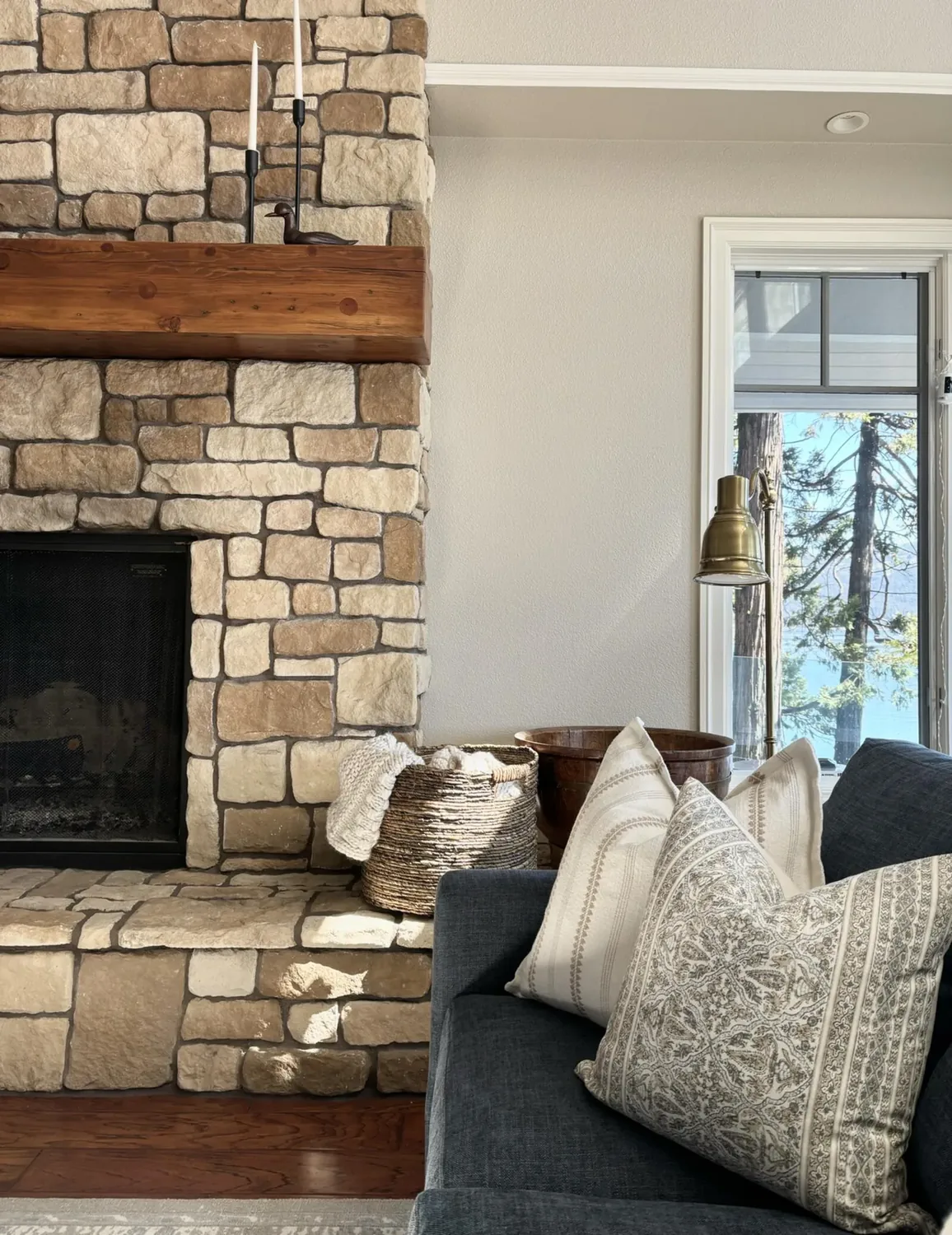
Designing a living room that feels connected to nature starts with selecting authentic natural elements and a soothing, nature-inspired aesthetic. The goal is to create a space that feels calming, organic, and seamless with the outdoors. In 2026, the focus is on subtle, layered natural textures, warm earthy palettes, and sustainable materials that support well-being and environmental consciousness.
Built from our active project files, this guide explores how to incorporate natural elements effectively, from color choices and materials to decor and lighting. It provides practical, step-by-step advice on creating a balanced, nature-inspired living room that withstands trends and feels timeless, all within the context of Sacramento’s climate and architectural style.
Common Questions
| What elements define a nature living room in Sacramento? | A nature living room in Sacramento features authentic natural materials like reclaimed wood, limestone, and linen fabrics, along with natural light, indoor plants, and nature-inspired decor for a calming, organic aesthetic. |
| How can I incorporate Sacramento’s climate into a nature living room design? | Utilize large windows and skylights to maximize natural light, and choose breathable, sustainable materials suitable for Sacramento's climate to enhance comfort and authenticity. |
| What are some cost-effective ways to create a nature-inspired living room in Sacramento? | Focusing on natural textures, adding indoor plants, and using existing architectural features with layered lighting can transform the space without costly structural changes. |
| Are there specific materials recommended for a sustainable, nature-inspired living room in Sacramento? | Yes, materials like reclaimed wood, natural stone, linen, jute, and hemp are recommended for their sustainability and tactile richness. |
Prioritizing Natural Elements for a Harmonious Living Space
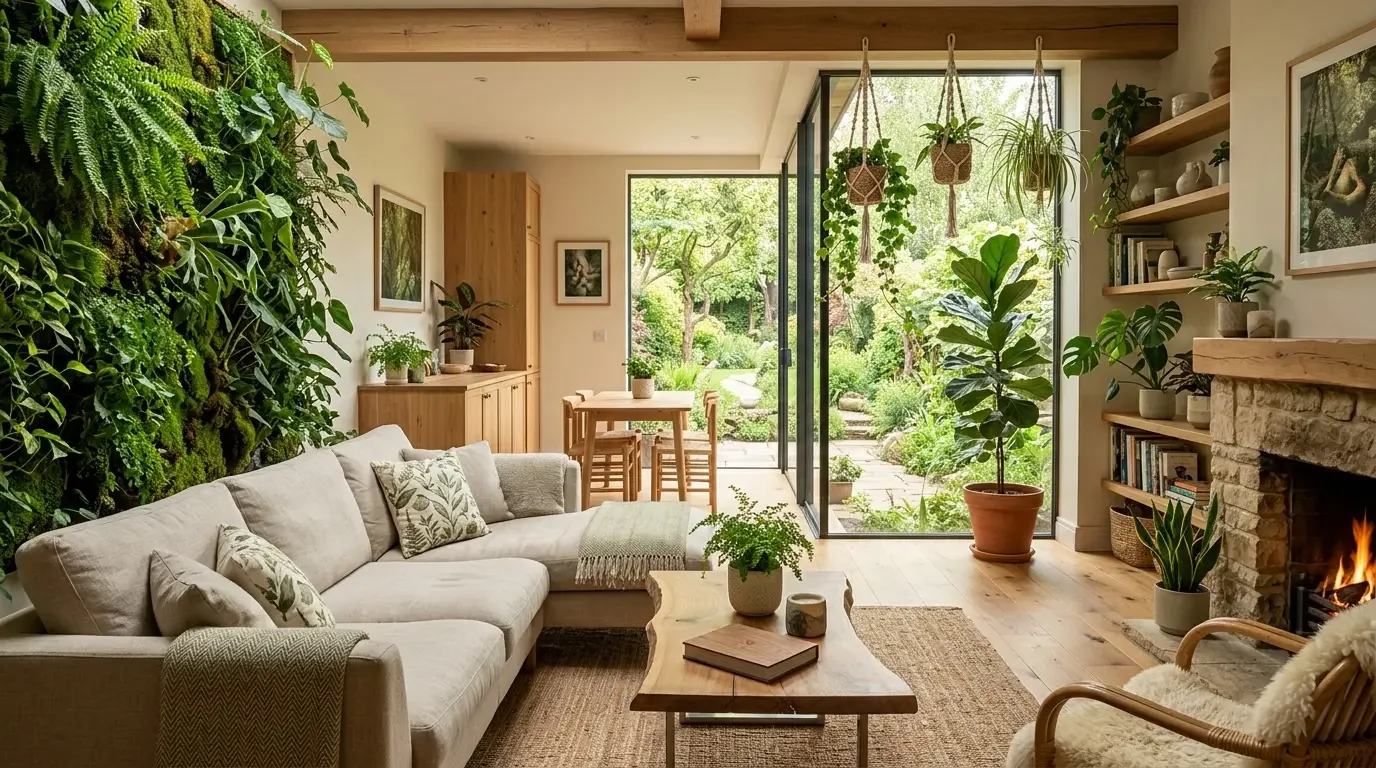
Our design approach begins with integrating authentic natural materials like reclaimed wood, limestone, and linen fabrics across our active project specifications. These elements set the foundation for a calming, nature-inspired aesthetic that feels genuine rather than contrived. For instance, choosing rift-sawn white oak for flooring or furniture pieces adds subtle grain variation and warmth, grounding the space in earthy tones. Incorporating natural fibers such as jute or hemp into rugs and upholstery enhances tactile richness and visual depth.
One of the key moves is balancing these materials with strategic lighting. Large, unobstructed windows and skylights are essential for Sacramento's abundant sunlight, which can be enhanced with light-filtering shades or sheer curtains. The right combination of natural light and organic textures creates an inviting, restorative environment. It is also vital to select decor items like handcrafted wall art or sculptures inspired by nature to reinforce the theme without overwhelming the space. Across our active project specifications, these choices foster a sense of tranquility that is both stylish and sustainable.
Material Specificity for a Genuine Nature-Inspired Living Room
Authenticity-grade materials
- White oak (rift-sawn), for floors and slat detail; calmer grain than plain-sawn
- Limestone, natural, durable surface for accent walls or flooring
- Linen, breathable fabric for upholstery and curtains
- Reclaimed wood, sustainable and adds character to furniture and decor
- Hemp or jute, natural fibers for rugs and wall coverings
- Terracotta or clay, for pottery and decorative accents
- Cork, eco-friendly flooring option with natural sound absorption
- Wool, insulating and textured for rugs and throws
Generic-grade tells we refuse to spec
- Vinyl or synthetic flooring, less authentic and less sustainable
- Plastic decor items, lack tactile and visual warmth
- Mass-produced furniture, synthetic finishes and poor aging
- Polyester fabrics, less breathable and less natural feel
- Laminate surfaces, fake wood or stone look, lacking authenticity
- Acrylic or glass accents, overly modern and cold in a natural scheme
How to Select and Size Fixtures and Decor for a Nature Living Room
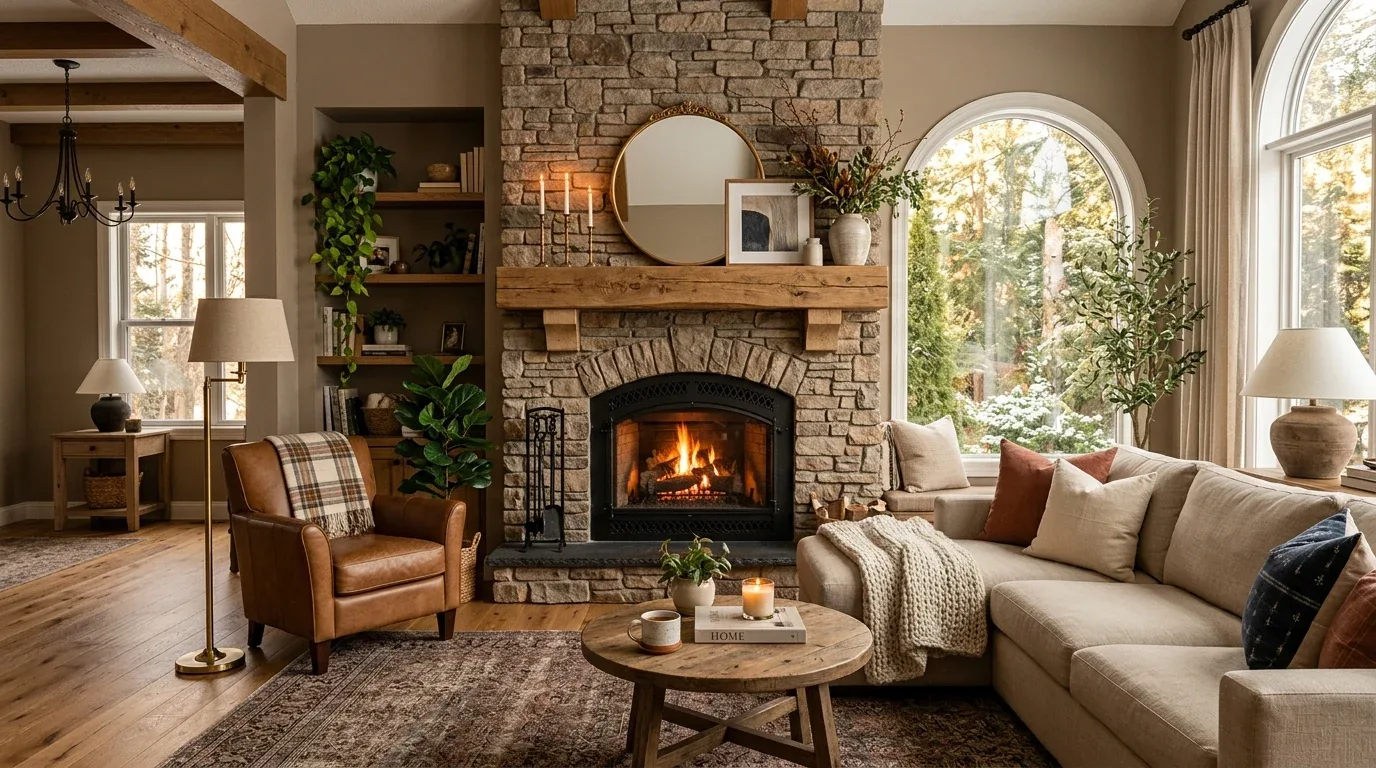
The homeowner’s real question is about balancing authenticity with function when choosing fixtures like lighting, furniture, and decor. The first question we ask is: What decision are you struggling to make about this space? Many clients worry about choosing the right size or style that complements natural textures without feeling overwhelming. For example, a 36-inch range hood might suit a cozy space, but in a large California room with high ceilings, a 48-inch hood with greater CFM may be necessary for proper ventilation. Similarly, selecting furniture that isn’t too bulky or too delicate requires understanding the scale relative to the room’s dimensions.
We recommend measuring ceiling heights, window sizes, and traffic flow before selecting key items. For lighting, fixtures with warm finishes and dimmable LED bulbs enhance the natural aesthetic while providing flexibility. When it comes to decor, opting for handcrafted pieces or items made from sustainable materials adds authenticity. Here is a simple sizing guide:
- Ceiling height: 8-10 feet is ideal for layered lighting and proportionate furniture.
- Rug size: For seating areas, at least 8x10 feet for a standard sofa setup.
- Furniture scale: Avoid oversized pieces in small rooms; opt for low-profile, streamlined designs.
Custom vs Stock: Making the Right Choice for Natural Materials and Decor
The core decision many homeowners face is whether to go custom or choose stock options for their natural living room elements. The first question we ask is: Are you willing to invest in bespoke pieces that truly reflect your style and the natural aesthetic? Custom millwork, such as a reclaimed wood media console or built-in shelving, offers a highly authentic look and can be tailored to exact dimensions and finishes. However, it often involves longer lead times and higher costs. On the other hand, stock items from local suppliers or retailers like Wayfair can be quick and budget-friendly, but may lack the same depth of character.
We compare based on price, lead time, and quality. For example, a custom wood coffee table might cost $2,000 and take 8-10 weeks, but provide a unique, heirloom-quality piece. A stock option from a local fabricator or retailer might be $800 with a 2-week lead time, but less personalized. The choice depends on your priorities and the specific look you want to achieve. Our experience suggests that blending both approaches, custom for key furniture and stock for accessories, delivers the best balance of authenticity and efficiency.
Timeless vs Trendy: Creating a Living Room That Lasts
The fundamental question is whether to adopt a trend-driven look or focus on timeless design principles. The first question we ask is: Will this style still appeal in five or ten years? In Sacramento’s context, where many homes have historic roots, a timeless approach with natural materials and neutral palettes tends to age gracefully. Incorporating classic elements like a linen sofa, reclaimed wooden accents, and simple, organic decor ensures longevity. While trendy accents like bold-colored cushions or modern sculptures can be added temporarily, they should be easily replaceable.
In 2026, the trend is toward layered textures and subtle color variations that create depth without overwhelming. This approach supports a natural aesthetic that remains relevant over time. Our advice: invest in quality, authentic materials and avoid overly fussy finishes. This strategy not only preserves the value of your home but also enhances your daily living experience, especially in a region like Sacramento where climate and architecture favor enduring, natural design.
Common Mistakes We See in Creating a Nature-Inspired Living Room
Biggest Waste: Overloading the space with too many decorative items that clutter the natural aesthetic, making it feel busy rather than calming.
Biggest Regret: Choosing synthetic or faux materials that look cheap and feel less authentic, undermining the entire natural theme.
Hidden Cost: Underestimating the importance of proper lighting and insulation, which can diminish the warmth and ambiance that natural textures and colors are meant to evoke.
What's Going Out for 2026
- Cold or overly bright color palettes
- Synthetic or plastic decor items
- Mass-produced furniture lacking character
- Overly minimal or sterile spaces
- Faux natural materials
- High-gloss finishes that clash with organic textures
- Heavy use of metal or plastic accents
- Ignoring natural light opportunities
What This Costs in 2026
| Scope | Typical range |
|---|---|
| Refresh scope including new textiles and decor | $12K-$20K |
| Mid-tier renovation with custom furniture and lighting | $35K-$70K |
| Estate-scale overhaul with structural changes and premium materials | $100K-$250K |
Working Notes
What We Have Learned Doing This: Nature Living Room
“Trades do not read minds. They read drawings.”
Order the long-lead items before anything else and design the sequence so the rest of the job can proceed without them. The appliance, the stone, the custom millwork set the schedule, and pretending otherwise is how a project loses a month it never gets back.
After enough projects you stop fearing bad taste and start fearing the boring things: delays, sequencing mistakes, moisture behind a wall, an electrician improvising, framing that is not where the drawings swear it is. The aesthetic part still matters, it is why anyone hires anyone, but execution decides whether the room ever gets built the way it was drawn.
The cheapest tool on any project is a sample board and an afternoon. We have watched five-figure mistakes get caught by a fifteen-dollar paint sample lived with for a week in the actual light of the actual room. Decisions made under showroom lighting do not survive contact with a real house.
These notes come from our own project debriefs. Most were learned the expensive way the first time.
Sources & Professional References
This guide's positions on materials are grounded in published building-code, standards, and recognized design-authority sources, alongside Designed | Curated Interiors' verified credentials and active project files:
- American Society of Interior Designers (ASID): interior-design practice standards
- International Code Council (ICC): Chapter 8 Interior Finishes
- NKBA, Amy Kunst Member Profile (verified credential, NKBA Committee Member)
- Featured in: Homes & Gardens (design expert quote, May 2026) · Sacramento Love (guest author, 2024)
From Principle to a Real Room
A trend piece is the briefing document, not the deliverable. The pages below show how we translate these principles into finished rooms across Sacramento and the rest of Northern California.
- Sacramento & Bay Area Interior Design Services How we scope, source, and deliver work end to end.
- Interior Designer Hub, Sacramento Where most of our Sacramento work lives, the regional fit explained.
- Designing a Living Room Ideas TL;DR: the best living rooms are usually the result of correct sequencing, not better taste. Most expensive mistakes happen when homeowners
- Should I Hire Living Room Design In Fresno | Interior Designer Related cluster piece referenced from the Should I Hire Living Room Design In Fresno | Interior Designer build files.
- Where To Find Living Room Inspiration Richmond - Interior Designer Related cluster piece referenced from the Where To Find Living Room Inspiration Richmond - Interior Designer build files.