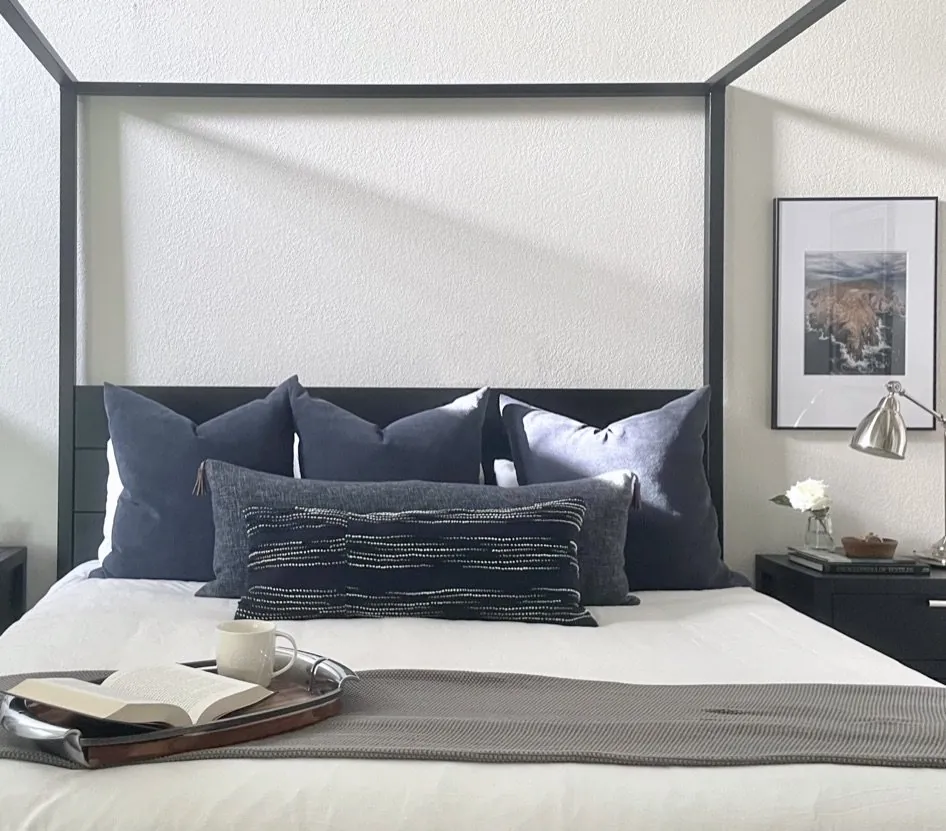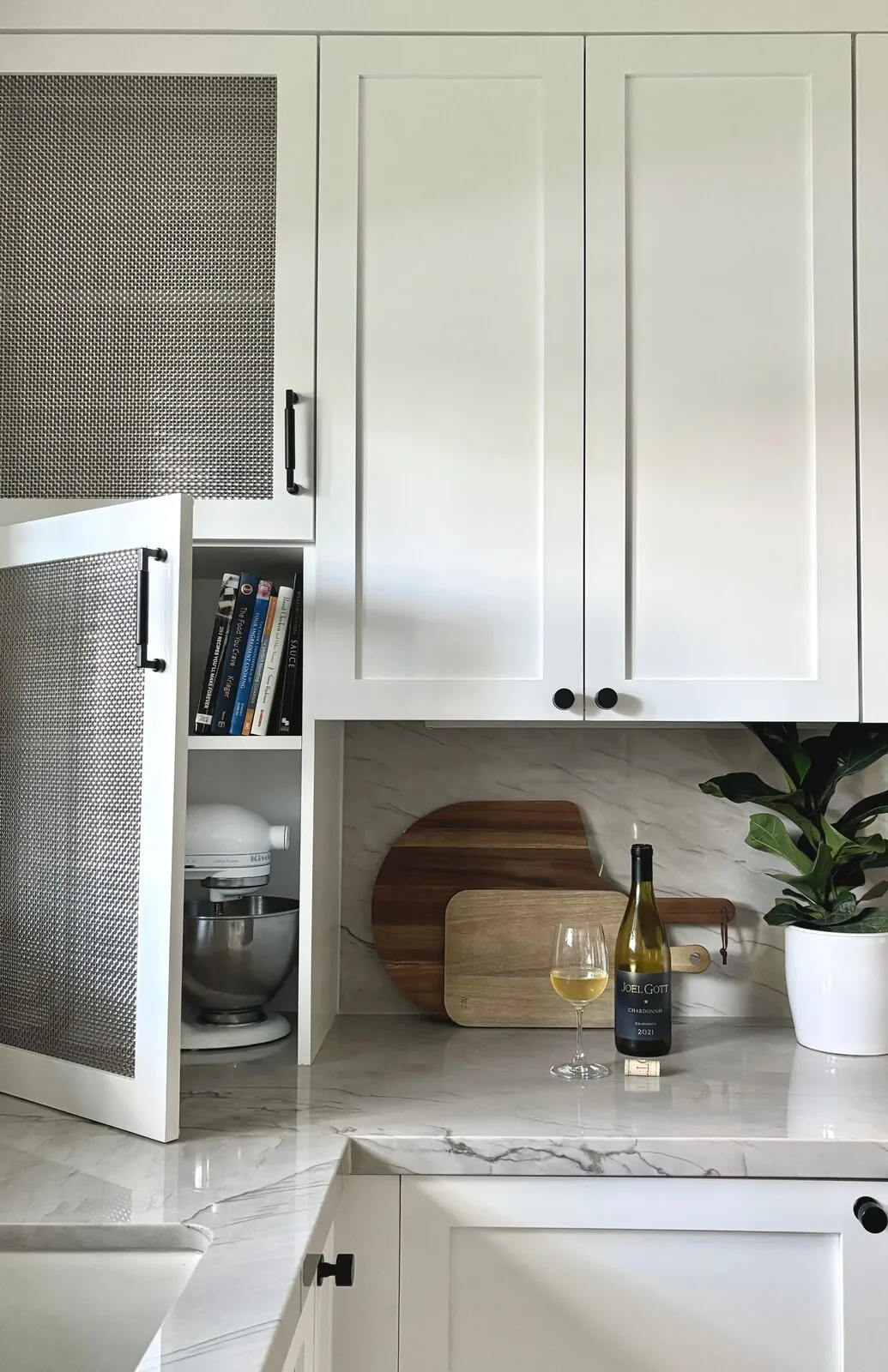
When I approach a remodel in Palo Alto, the first thing I notice isn’t just the layout of your home, but how it fits, or could fit, into the intentional, community-driven character of this place. The city’s architecture reflects its layered history, from the mid-century modernist homes that emphasize open living and indoor-outdoor flow to the Craftsman-style details found in older neighborhoods like Old Palo Alto and Professorville, where Stanford’s influence is woven into the fabric of the streets. My process begins with honoring that heritage. In historic areas near downtown or along University Avenue, I often preserve original elements like built-in shelving, original woodwork, or the subtle architectural quirks that tell the story of the neighborhood. Meanwhile, in the more modernist homes scattered throughout Crescent Park or along tree-lined streets, I focus on stripping back to the essentials, clean lines, natural materials, and an emphasis on functionality, while ensuring the design remains timeless rather than trend-driven. The goal is to create a space that feels like a natural extension of Palo Alto’s understated elegance, where every detail serves a purpose without calling undue attention to itself.
The climate and materials here play a crucial role in shaping every design decision, from the choice of wood to how we manage natural light. Palo Alto’s Mediterranean climate, marked by warm, dry summers and cool, damp winters, means we prioritize materials that withstand humidity and occasional rain without sacrificing beauty. I often specify locally sourced redwood or reclaimed wood for cabinetry and flooring, as these materials age gracefully, developing a warm patina that complements the area’s natural surroundings. For outdoor spaces, weather-resistant materials like composite decking or treated wood are ideal, ensuring durability without sacrificing the region’s signature relaxed aesthetic. Natural light is another key consideration; while many homes already feature large windows, we often rethink their placement to frame views of the surrounding redwoods or the Stanford campus while controlling glare. Light-filtering window treatments, such as linen drapes or sheer shades, help create cozy, lived-in spaces that feel intentional rather than overly bright. Given that many homes here are designed for both casual gatherings and quiet moments, we focus on low-maintenance yet high-quality materials, like matte-finish porcelain tile in kitchens or durable, stain-resistant fabrics, that keep the space feeling polished and inviting.
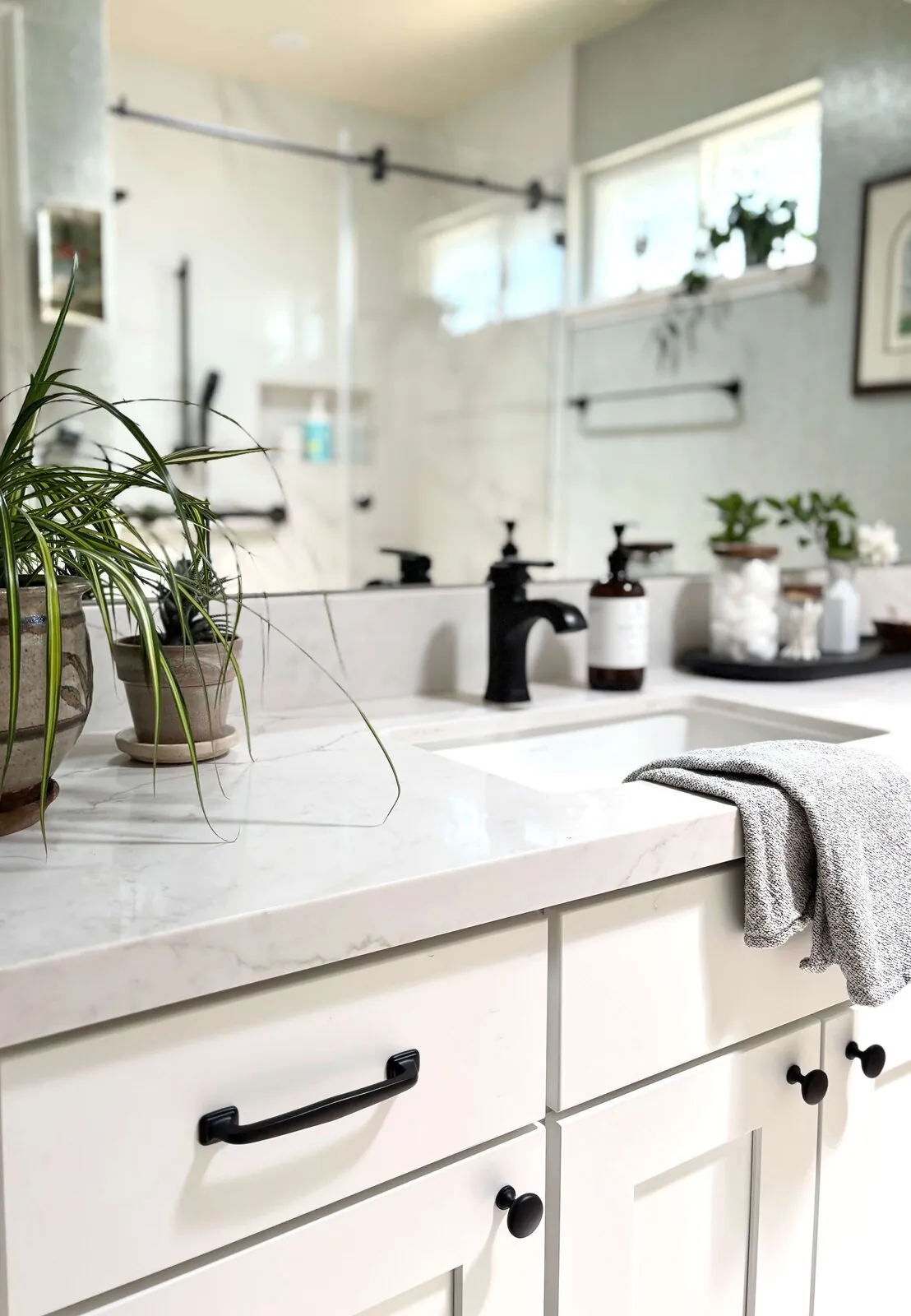
My approach to designing in Palo Alto is rooted in balancing personal storytelling with the neighborhood’s collective identity. I begin by listening to what resonates with homeowners about living here, whether it’s the walkability of their street, the way their home captures the light during sunset, or the sense of community in their corner of the city. For example, if a family loves hosting in their backyard, we might design an outdoor kitchen with a built-in grill and a long farm table, but we’d ensure the materials and finishes align with the Craftsman or mid-century aesthetic of their neighbors. For a tech professional who values minimalism, the focus would shift to high-quality, functional pieces that feel warm and intentional, avoiding unnecessary clutter. I also pay attention to the small details that reflect Palo Alto’s unique character, such as incorporating vintage-inspired lighting or a color palette that harmonizes with the surrounding greenery. The result is a space that feels authentically part of the community, where the design reflects both the homeowner’s lifestyle and the quiet sophistication of this Silicon Valley gem.