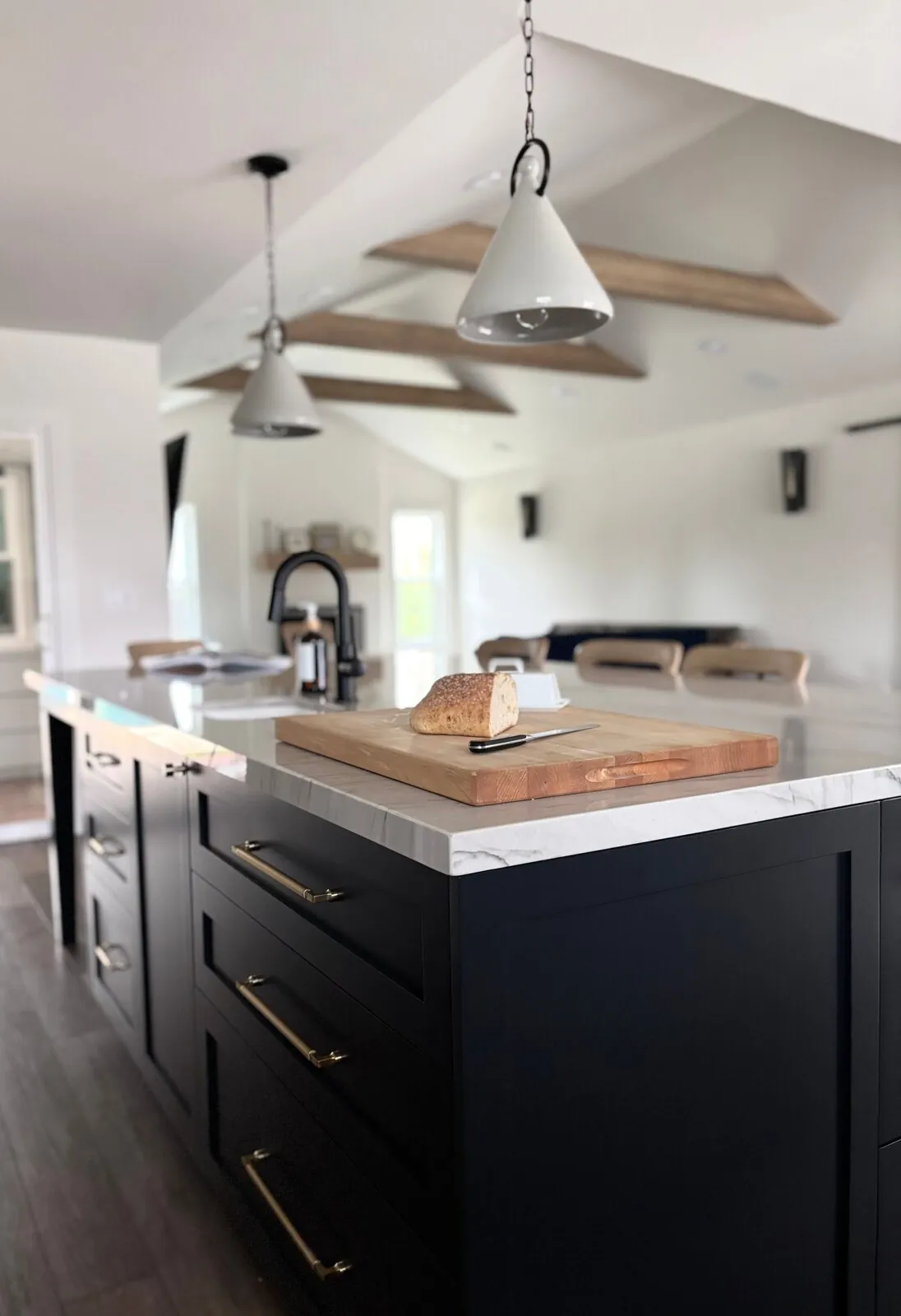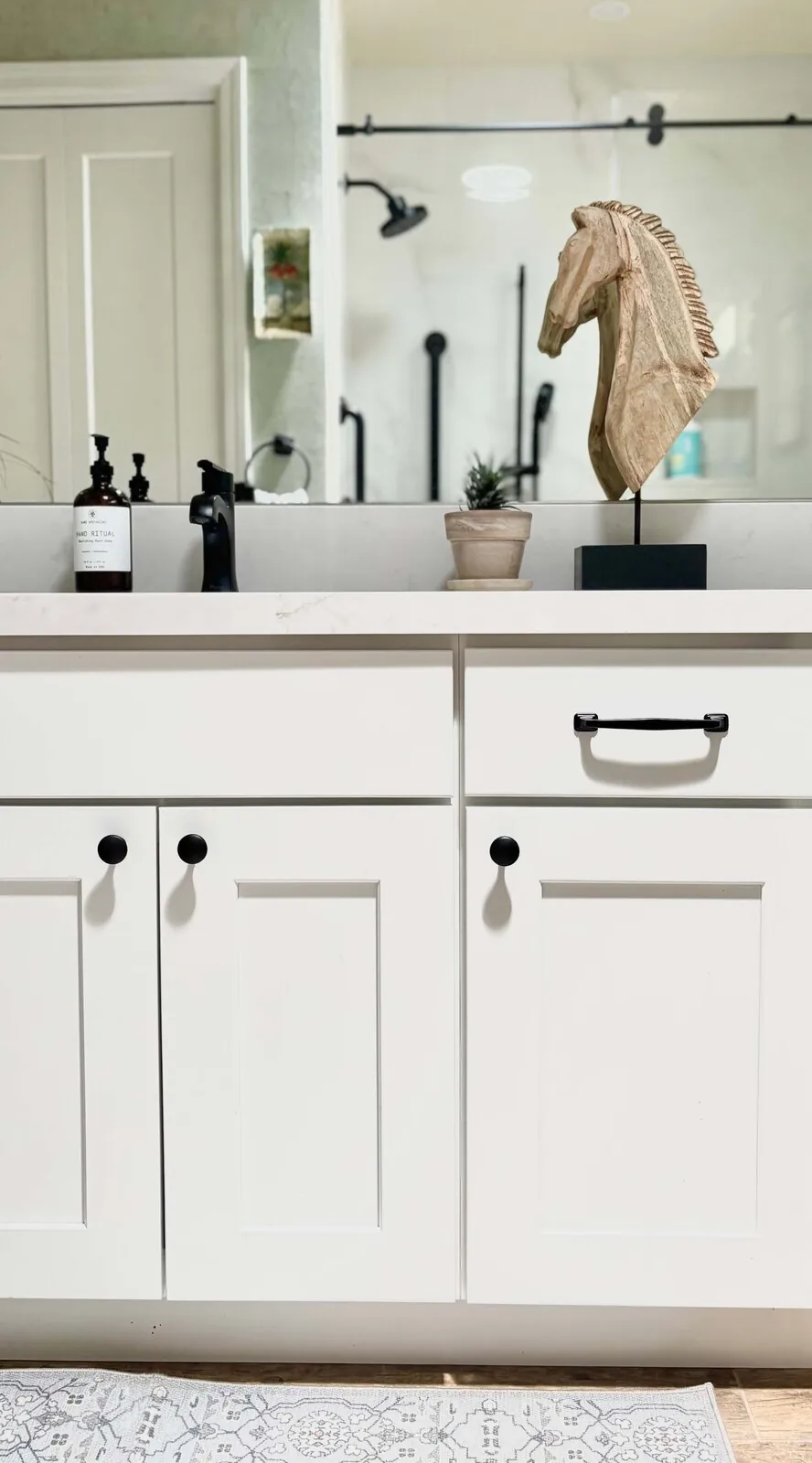
The neighborhoods of Pittsburg, nestled in Contra Costa County, reflect a design sensibility shaped by the area’s rolling hills and its blend of working-class heritage and modern sensibilities. In the Southern and hillside tracts, homes often feature a quiet, understated elegance that avoids the bold architectural statements found in more affluent East Bay enclaves. Instead, you’ll see mid-century modern revival elements, deep overhangs, clerestory windows, and built-ins, that frame the surrounding hills while maintaining a connection to the land. The Railroad Avenue corridor, with its Craftsman and bungalow influences, offers a warmer, more lived-in character, characterized by rich millwork, exposed beams, and fireplaces that serve as focal points. Even newer developments in these areas lean toward refined minimalism, with open floor plans that maximize flow and natural light, though with practical adaptations like wider doorways to navigate the hilly terrain and storage solutions that account for the region’s seasonal shifts, mild, dry summers and cooler, occasionally damp winters. The landscape here plays a central role in shaping home design, whether through views of the East Bay hills or the way outdoor spaces extend living areas.
My approach to designing in Pittsburg begins with an exploration of how each home interacts with its surroundings, whether it’s a hillside property with sweeping vistas or a flat-lot home along Railroad Avenue that needs to feel seamlessly connected to the outdoors. I start by examining the existing architectural framework, vaulted ceilings, original built-ins, or the bones of a newer build, to determine how to enhance or reinterpret them. For hillside homes, I prioritize visual continuity with floating staircases, glass railings, and terraces that guide movement while preserving privacy. In older neighborhoods, I often restore historic details like pocket doors or built-in desks, updating them with modern finishes to bridge past and present. Lighting is carefully considered to mirror the natural light shifts of the region, from warm tones for cozy evenings to brighter whites that cut through the occasional overcast skies. Given Pittsburg’s variable climate, cool winters and mild summers, I incorporate adaptable design elements, such as moisture-resistant materials in bathrooms, smart storage for outdoor gear, and heating solutions that complement existing fireplaces without overwhelming the space.
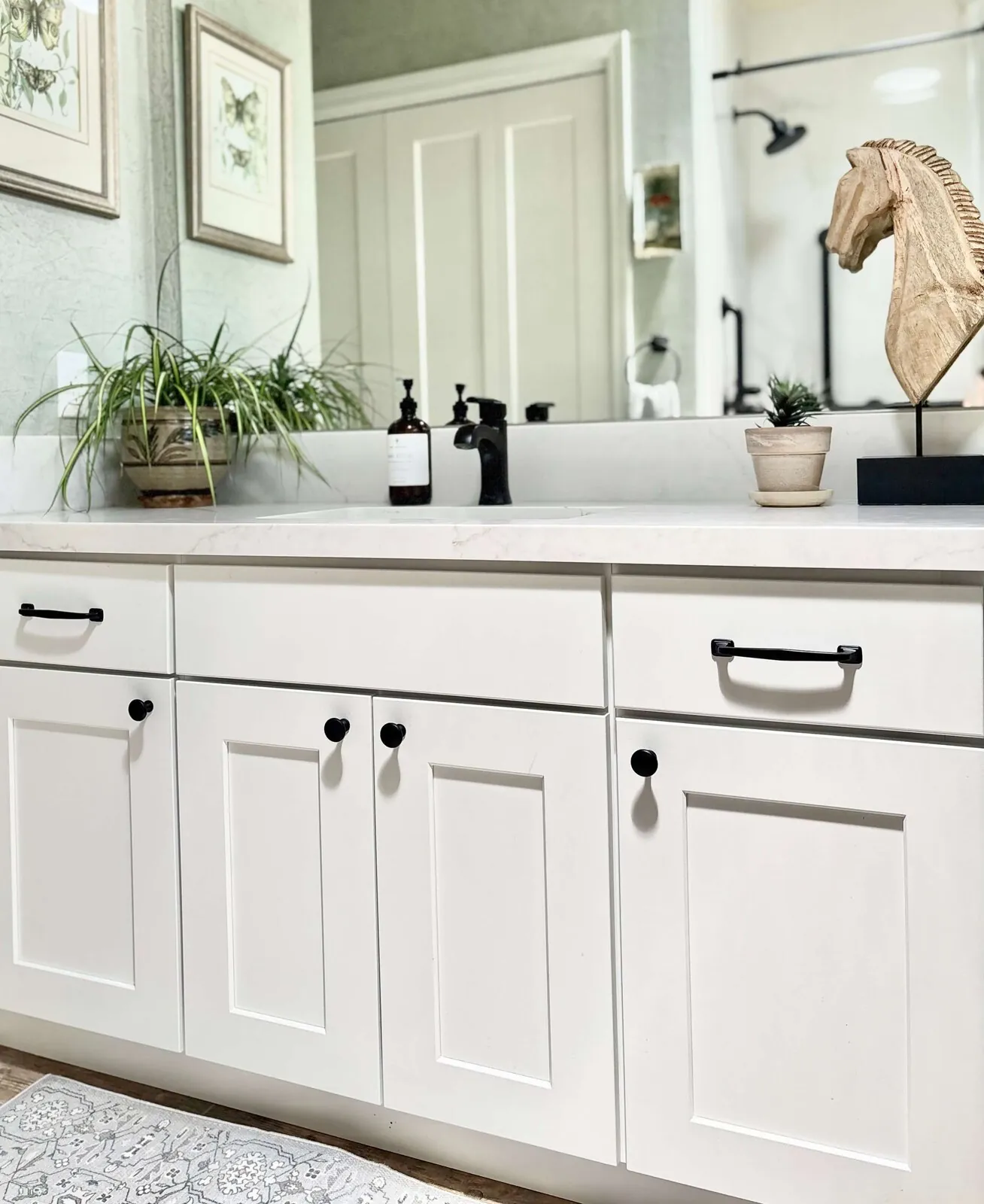
Pittsburg’s design culture stands apart from other East Bay areas due to its emphasis on authenticity over exclusivity, a reflection of the community’s working-class roots and its evolution into a more desirable yet still accessible place to live. Unlike the highly curated interiors of neighboring enclaves, Pittsburg homes embrace a practical, lived-in aesthetic that values function without sacrificing style. Spaces here are designed for everyday use, with an eye toward comfort and utility, think a primary bathroom with a deep soaking tub, heated floors, and built-in storage rather than a purely decorative powder room. The area’s design aesthetic is also influenced by its proximity to industrial and craft traditions, leading to a preference for handcrafted elements like custom woodwork or locally made ceramics over mass-produced finishes. This approach ensures that each home feels personal and intentional, telling a story that’s distinctly Pittsburg, grounded, warm, and effortlessly refined, rather than striving to mimic the designs of wealthier East Bay communities.
Featured Neighborhoods
Our interior design expertise spans Pittsburg and the following neighborhoods: