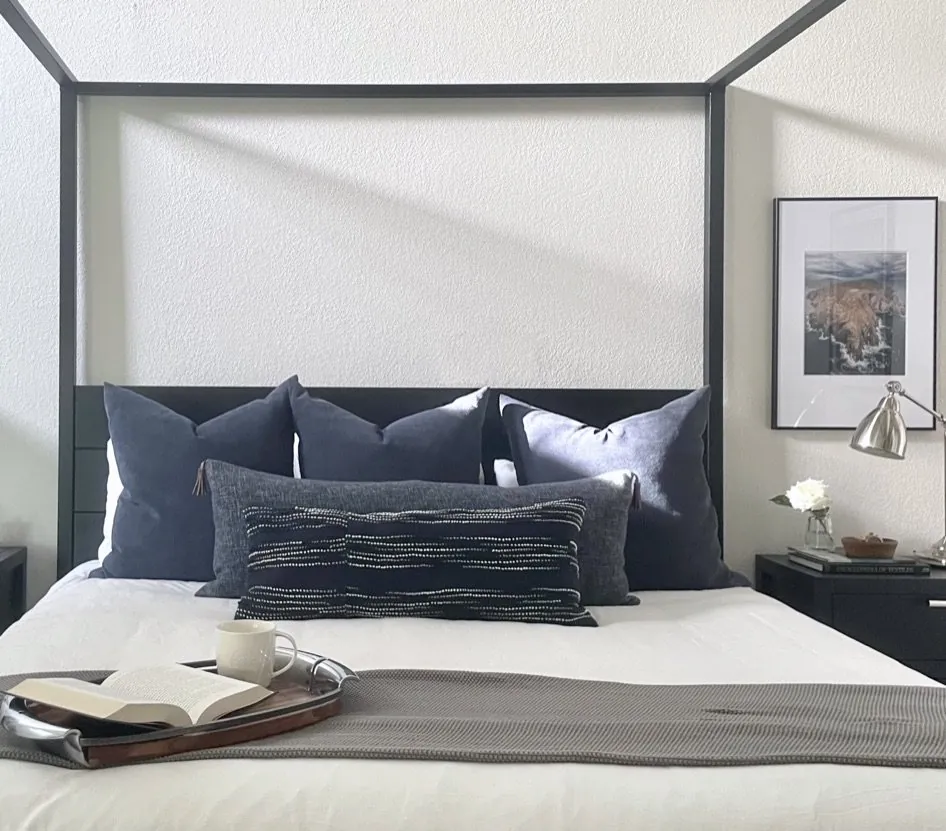
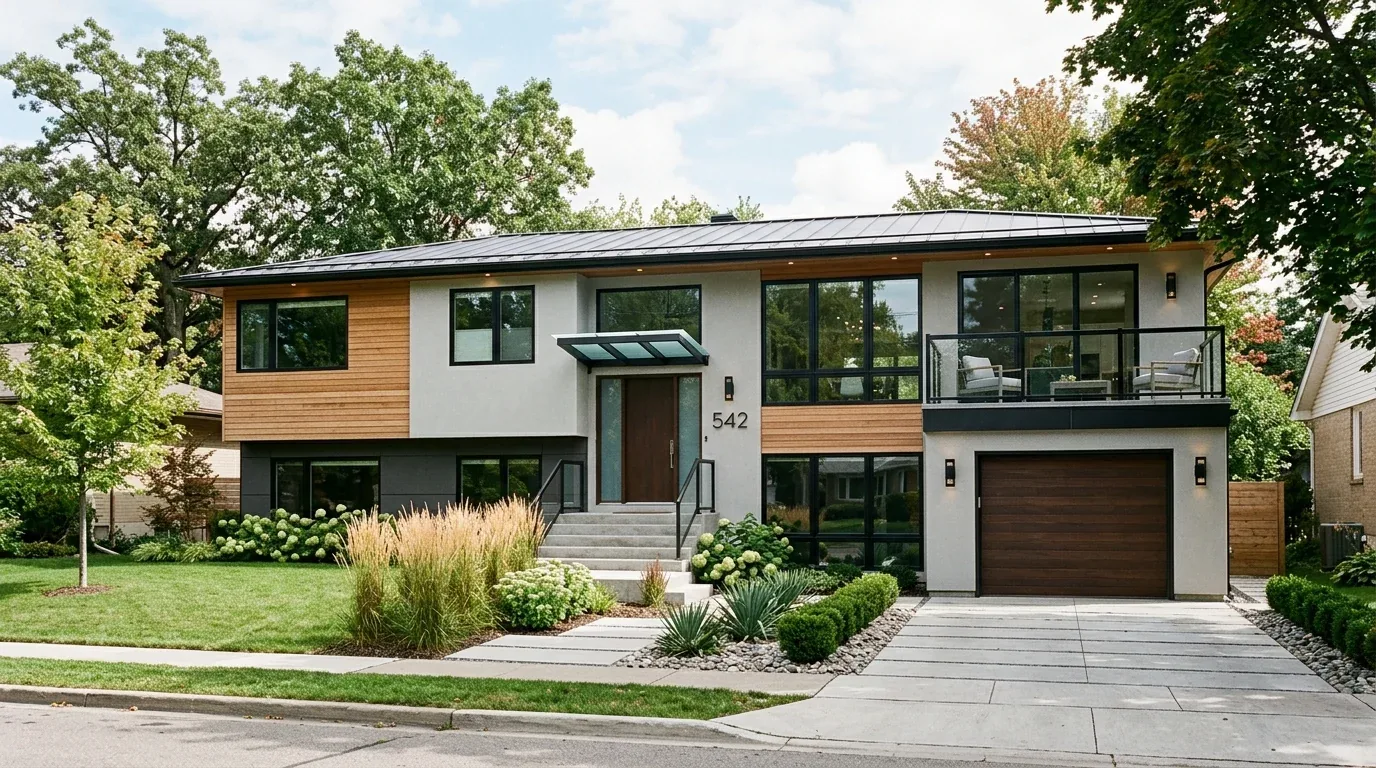
Organize decor around a center point. Everything radiates outward from there. The eye needs a place to land. It helps ground the room. Round arrangements can echo flow and balance. It's an approach that supports dynamic spaces.
Let's see where radial balance fits. Which spaces work with that shape best? Here in Sacramento, it fits. Houses often have curves and arches, especially older ones. Use this to guide your approach. Each choice can steer how a room feels.
Common Questions
| What is radial balance in interior design? | Radial balance organizes space around a central focal point, radiating outward like spokes on a wheel—think of a chandelier over a dining table with chairs evenly spaced around it, or a fireplace as the hub with seating arranged in a semi-circle. |
| How can I incorporate radial balance in my Sacramento home? | Use a round rug (like a 9-foot jute or wool model) as your anchor, then place furniture—such as a mid-century modern sofa and armchairs—along its perimeter. For smaller spaces, a statement pendant light or a circular console table can serve as the focal point, with decor (e.g., framed prints or vases) arranged symmetrically around it. |
| Why is radial balance particularly suitable for Sacramento homes? | Sacramento’s historic homes often feature built-in circular elements—like bay windows with curved seating nooks or arched doorways—that naturally lend themselves to radial layouts. For example, a sunroom with a domed ceiling or a living room with a curved staircase can be enhanced by arranging furniture to emphasize the existing geometry, such as placing a circular sofa against a bay window. |
| What are some practical tips for achieving radial balance? | Begin by marking your centerpiece’s exact location with painter’s tape to define the radius—measure from the center to the outer edge (e.g., 6 feet for a rug) and use a laser level to ensure even spacing. For furniture placement, test layouts with temporary tape outlines on the floor before committing to positioning; this is especially useful in rooms with uneven subfloors, where precise measurements prevent misalignment. |
Radial Balance In Interior Design 2026 at a Glance
| Element | In | Out |
|---|---|---|
| Focus | Centered focal points | Asymmetrical layouts |
| Arrangement | Circular furniture arrangements | Linear arrangements |
| Lighting | Symmetrical lighting layouts | Disjointed focal points |
| Weight | Balanced visual weight | Uneven visual weight |
| Flow | Harmonious flow | Chaotic flow |
| Architecture | Curved architectural features | Sharp angular features |
| Pattern | Unified pattern repetition | Random patterning |
| Design Style | Elegant yet restrained design | Overly busy design |
Creating a Centered, Harmonious Space
Implementing radial balance begins with establishing a clear focal point that anchors the room. Lately in Sacramento, these pieces help focus the room. Each draws the eye. Place pieces out from a center. Balance keeps things visually stable. Think of a round table in the middle. Seats flare out from there, reinforcing symmetry. Matte metals and wood from Emtek or Sherwin-Williams. Round out that cohesive feel.
Map it out first. Visualize first with painter's tape. Check distances to ensure evenness. Round tables and a centered light make for easy dining room flow. Consciously design the layout. Everything clicks together for a whole.
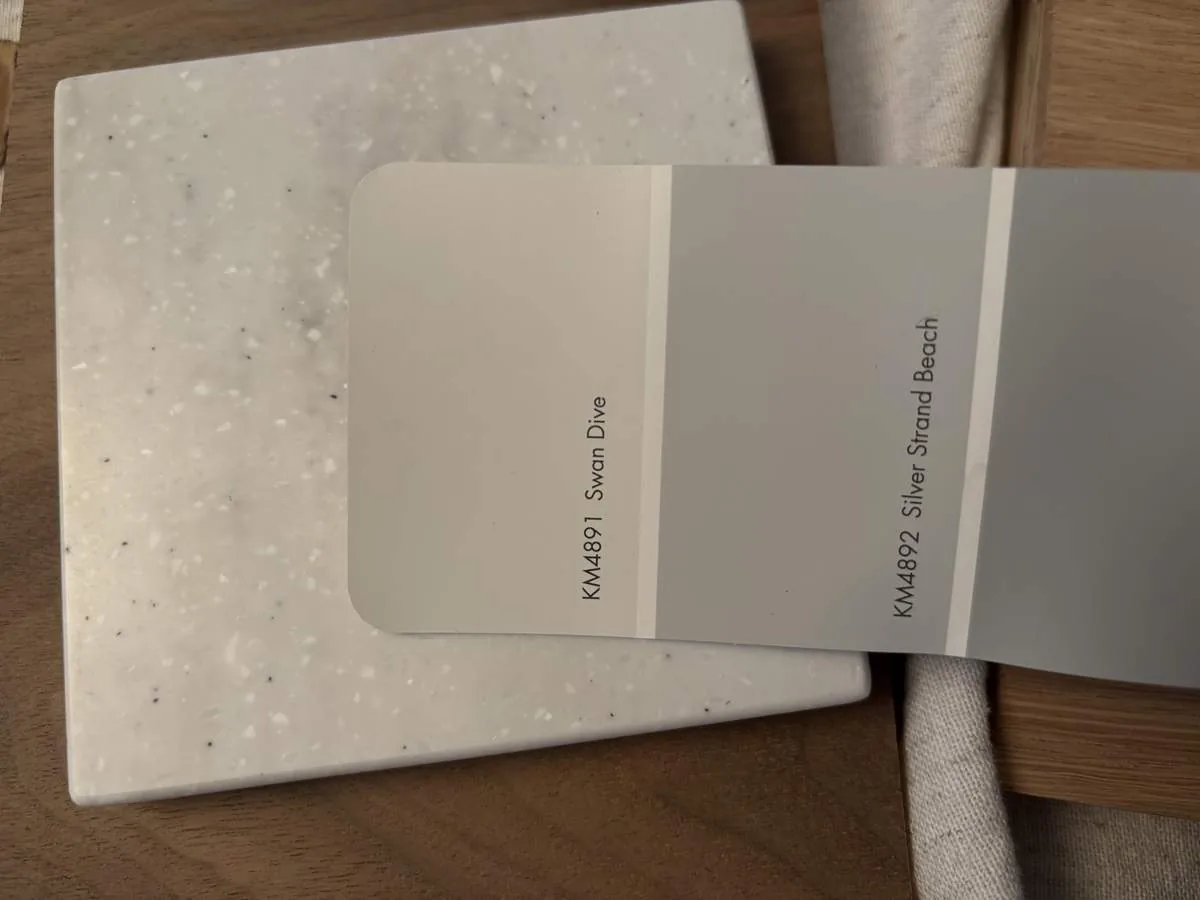
Material Specificity for Radial Balance
Authenticity-grade materials
- White oak (rift-sawn), for floors and slat detail; calmer grain than plain-sawn
- Matte brass fixtures, for a warm, understated glow that complements circular motifs
- Soft wool or jute rugs, to add texture and define central areas
- Natural stone (travertine or limestone), for focal points like fireplace surrounds
- Glass or acrylic accents, to reflect light and enhance the sense of flow
- Textured plaster finishes, for walls that subtly radiate from the center
- Velvet or linen upholstery, for seating that adds softness and elegance
- Wood veneer or bamboo, for accent panels that emphasize radial symmetry
Generic-grade tells we refuse to spec
- Standard laminate flooring, lacks texture and warmth
- Glossy finishes, can create harsh reflections and disrupt harmony
- Heavy or ornate fixtures, may overpower the simplicity of radial balance
- Synthetic rugs, lack natural texture and warmth
- Bright, contrasting paint colors, can break the flow
- Opaque, non-reflective surfaces, reduce light and visual connection
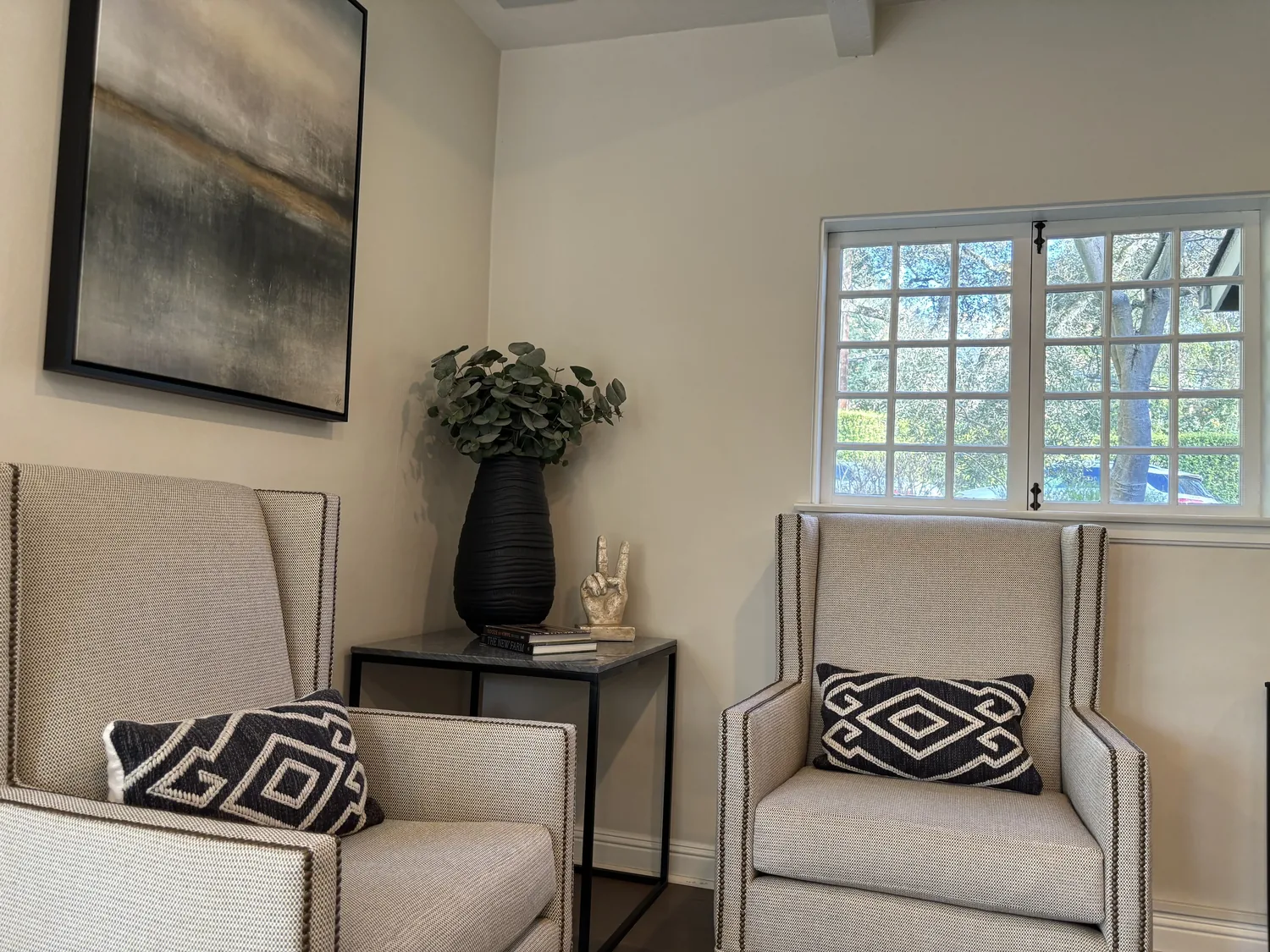
How to Achieve Radial Balance in Different Rooms
The first question we ask homeowners is what the room’s primary function and focal point will be. Circular rugs or central fireplaces anchor living rooms. Round tables with bold chandeliers set the radial tone in dining rooms. Bedrooms benefit from seating rings, or a centered bed with matching side tables. Arrange furniture around a center point, spreading out evenly. Pendant lights or sconces should flank the center to boost harmony. Using photos and floor plans can clarify the layout before building. You’ll see plenty of circular layouts in Sacramento homes. It’s a practical yet stylish choice. Creates a unified vibe. Space feels inviting and well planned.
Choosing Fixtures and Furniture for Radial Balance
When selecting fixtures, opt for items that emphasize symmetry and flow. Think about a round dining area. Central chandelier? Sure. Maybe a circular mirror too. Furniture should form a circle. Keep it even. It balances the room. Sofas can face each other for conversation. Arrange chairs in a circle, all facing toward the center. Room with 12-foot ceilings? Get a chandelier that's 24 to 30 inches wide. Sizes suit the space. Using a larger fixture? More lights too. Helps maintain that radial look. The American Society of Interior Designers emphasizes that consistency in material and finish helps unify the design. Warmth? Opt for wood or stone for the finish. Fits with Sacramento's easygoing style.
Common Mistakes to Avoid in Radial Design
One of the biggest mistakes is overloading the central focal point, which can make the space feel cluttered rather than harmonious. Off-kilter pieces throw off the room. Keep it even around your focal point. Poor lighting choice breaks symmetry. Fixtures need aligning with the layout. Mismatch materials ruin design flow. Pick finishes that work. Plan it out. Visual tools help keep finishes and spacing consistent. Sacramento homes need careful planning to avoid noticeable fix-ups.
Observed Failure Modes We See in the Field
From our project debriefs and post-occupancy reviews, 2023-2026.
Misaligned Focal Points
When the focal point is not clearly defined or is misaligned, the entire radial balance can fall apart. Art or fixture size matters. Make it fit the room’s style and layout. Disjointed spaces confuse the eye. Feels off-kilter. Pick a strong centerpiece. Align furniture and decor. Use a tape measure or pics to find the exact center. Irregular rooms need mockups before changes. Helps to plan wisely.
Ignoring Architectural Features
Many designers overlook existing architectural elements that support radial design, such as rounded walls, archways, or curved staircases. Forced designs stand out when elements clash. Lost connection between design and home's character makes it feel off. Check the architecture first. Design should enhance existing features. Curved walls? Use a circular rug or custom curved cabinetry to boost the radial look. This method respects the home's core. Helps blend past and present smoothly. Sacramento's older areas make us blend charm into our designs.
Overusing Circular Elements
While circular furniture and fixtures are central to radial balance, overdoing them can lead to a monotonous look. Too many similar round pieces make a space flat. Mix it up. Expect boredom and no focal point. Add different shapes. Use circles sparingly. A few angular pieces add contrast. Keeps things lively. In Sacramento, blend circles with lines and materials for warmth.
Poor Lighting Placement
Lighting that is not symmetrically placed around the focal point can break the radial harmony. Off-center lights draw eyes away. Watch out for that. The American Society of Interior Designers highlights that lighting enhances the perception of balance and flow. Line up your fixtures to highlight the center. Dimmable lights help. They add depth; it ties back to the radial idea. Natural light changes in Sacramento homes. Use good artificial lighting for balance.
Ignoring Material Consistency
Inconsistent finishes or textures can disrupt the cohesive feel of a radial design. Mixing metals with rustic wood can jar the eye. The National Kitchen and Bath Association says pick finishes that go well together. Consistent materials tie everything together, making it all look planned. Sacramento homes need right materials to keep peace between old and new.
What's Going Out for 2026
- Overly complex circular patterns that clutter the space
- Using mismatched finishes that break harmony
- Placing fixtures asymmetrically around focal points
- Ignoring existing architectural features
- Overloading with too many round furniture pieces
- Neglecting light placement that disrupts flow
- Choosing materials that clash or do not support the design
- Randomly scattering decor without purpose
What This Costs in 2026
| Scope | Typical range |
|---|---|
| Refresh scope | $20K-$50K |
| Mid-tier scope | $50K-$150K |
| Estate-scale | $150K-$500K |
Working Notes
What We Have Learned Doing This: Radial Balance In Interior Design
“Good rooms are built twice. Once on paper, once in the field.”
Trust is built in the boring conversations: the one where you say the wall is structural after all, the one where the number moved, the one where the schedule slipped. Clients forgive reality. Surprises are not welcome. Avoid them.
Fear delays and surprises, not bold designs. Mistakes lurk behind walls. Looks matter, but making it real counts more.
Old houses lie, and so do new ones. Even new houses lie about where their framing should be. We stopped trusting old drawings, prior contractor work, and the phrase it should be fine a long time ago. The budget needs a real line for what demolition will uncover, usually 15 to 20 percent once walls start opening.
These notes come from our own project debriefs. Most were learned the expensive way the first time.
Sources & Professional References
This guide's positions on materials are grounded in published building-code, standards, and recognized design-authority sources, alongside Designed | Curated Interiors' verified credentials and active project files:
- American Society of Interior Designers (ASID): interior-design practice standards
- International Code Council (ICC): Chapter 8 Interior Finish Decorative Materials And Furnishings
- NKBA, Amy Kunst Member Profile (verified credential, NKBA Committee Member)
- Featured in: Homes & Gardens (design expert quote, May 2026) · Sacramento Love (guest author, 2024)
From Principle to a Real Room
A trend piece is the briefing document, not the deliverable. The pages below show how we translate these principles into finished rooms across Sacramento and the rest of Northern California.
- Sacramento & Bay Area Interior Design Services How we scope, source, and deliver work end to end.
- Interior Designer Hub, Sacramento Where most of our Sacramento work lives, the regional fit explained.
- Modern Tudor Homes: Authentic, Revival, and Neo-Tudor (A Designer Reference) Heritage-architecture renovation patterns from our project files.
- Japandi Living Room: A Designer's Guide to the 2026 Look The 2026 warm-neutral playbook applied to the living room.