
Finding an interior designer in Rancho Cordova who specializes in contemporary style and can implement effective acoustic separation solutions for your home office is now easier than ever. Contemporary design paired with advanced acoustic strategies creates a productive, stylish workspace that suits modern living.
Built from our active project files, this guide explores how local designers approach contemporary interior design with integrated acoustic solutions, shares specific product recommendations aligned with aesthetic goals, and provides regional case examples. We’ll also cover costs, principles of blending form and function, and reviews of local expertise, all through a warm, professional perspective tailored for Rancho Cordova homeowners seeking practical, elegant home office environments in 2026.
Common Questions
| What is the role of acoustic separation in a contemporary home office in Rancho Cordova? | Acoustic separation in Rancho Cordova’s modern homes isn’t just about noise reduction—it’s about controlling reverberation and airborne sound to create a functional workspace without sacrificing the clean lines of contemporary design. Without it, open floor plans and high ceilings (common in the area’s mid-century and modern renovations) amplify echo and outside noise, making focus nearly impossible. The goal is to dampen sound while keeping surfaces sleek, so you don’t end up with a space that looks like a soundproofing lab. |
| How can I incorporate acoustic solutions into a contemporary interior design in Rancho Cordova? | Stick to materials that match the palette and avoid bulky treatments. Fabric-wrapped MDF panels in matte or textured finishes (like those from AcousticsFirst) can be painted to blend with walls, while acoustic drywall—when installed with a resilient channel—keeps the look clean but adds real mass. If you’re working with glazed partitions, acoustic glazing (like those from Saint-Gobain) is the only way to maintain light while blocking noise, but it’s pricey—expect $150–$300 per square foot for custom units. Skip the foam tiles; they scream ‘temporary fix.’ |
| Are there specific materials recommended for acoustic separation in Rancho Cordova's modern homes? | For Rancho Cordova’s climate and home styles, MDF with a dense mineral wool core (like Rockwool) wrapped in fabric or veneer is the gold standard—it handles humidity better than fiberglass and won’t sag. Acoustic drywall (with a 5/8” or thicker core) is non-negotiable for walls shared with living spaces, but it requires proper sealing at seams to work. Glazed partitions with laminated acoustic glass are an option if you need sightlines, but they’re overkill unless you’re dealing with street noise or thin walls. And no, mass-loaded vinyl isn’t a design move—it’s a last resort for floors or ceilings where you can hide it. |
| When should I consider custom cabinetry with sound-absorbing surfaces for my home office? | Only if you’re already building custom cabinetry and need to kill two birds with one solution. Sound-absorbing surfaces (like a honeycomb core or embedded acoustic panels) add 10–15% to the cost, but they work best when paired with sealed edges and no gaps. For most Rancho Cordova offices, though, it’s cheaper to treat the walls first—unless you’re dealing with a shared wall or a space where cabinetry is the primary surface. And if you go this route, specify the exact acoustic rating (NRC or STC) upfront; contractors will lowball you otherwise. |
First Major Move: Integrating Contemporary Aesthetic with Acoustic Functionality
In our recent projects across Rancho Cordova, the first step toward successful contemporary acoustic separation in home offices involves selecting the right materials that blend form and function seamlessly. We prioritize sleek, low-profile acoustic panels from brands like AcousticsFirst and Soundproof Cow, which offer options that can be painted or covered with fabric to match wall finishes. The goal is to create a calming environment with minimal visual clutter while controlling sound effectively.
Across our active project specifications, we often incorporate built-in cabinetry with sound-absorbing surfaces using materials like MDF panels wrapped in fabric or veneer. These solutions help maintain the clean lines typical of contemporary style, avoiding bulky or overly technical appearances. The key is balancing aesthetic restraint with acoustic performance, which requires careful material selection, precise placement, and subtle detailing. For example, using a matte black or soft gray finish on panels complements modern palettes and reduces visual noise, creating a space that feels both stylish and functional.
Why Rancho Cordova's Home Environment Supports Contemporary Acoustic Design
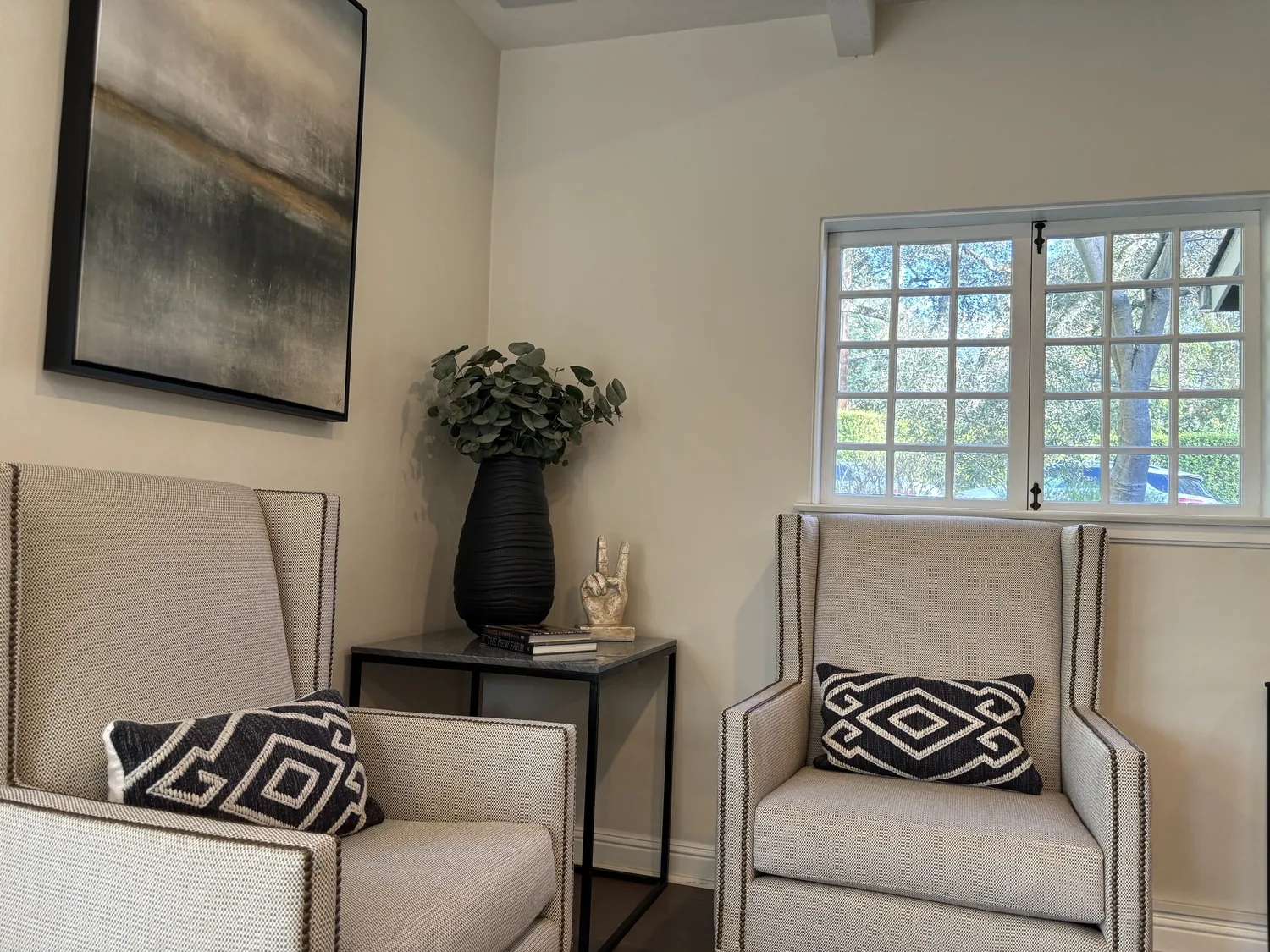
Rancho Cordova’s housing stock, characterized by newer construction and open floor plans, lends itself well to contemporary interior design. The abundance of natural light from large windows and the modern architecture prevalent in the area support clean, minimalist aesthetics paired with subtle acoustic solutions. Our approach considers local factors such as the typical ceiling heights, which often range from nine to ten feet, making the integration of floating acoustic panels straightforward and visually seamless.
In the broader Sacramento region, the trend toward sleek, sound-absorbing elements aligns with local preferences for sustainable, low-maintenance materials. The proximity to urban centers and the demand for flexible workspaces make this approach especially relevant. When working with clients here, I often recommend solutions that can be easily adapted to existing structures, avoiding costly structural changes. For more insights, visit our Sacramento interior designer hub, which offers a wealth of regional expertise and project examples.
Choosing local materials and understanding regional architecture helps ensure that acoustic solutions do not disrupt the home's character but enhance its modern appeal. This regional context supports a design philosophy that emphasizes subtlety, sustainability, and style, making Rancho Cordova an ideal setting for contemporary acoustic home offices.
How to Achieve Effective Acoustic Separation in a Contemporary Home Office
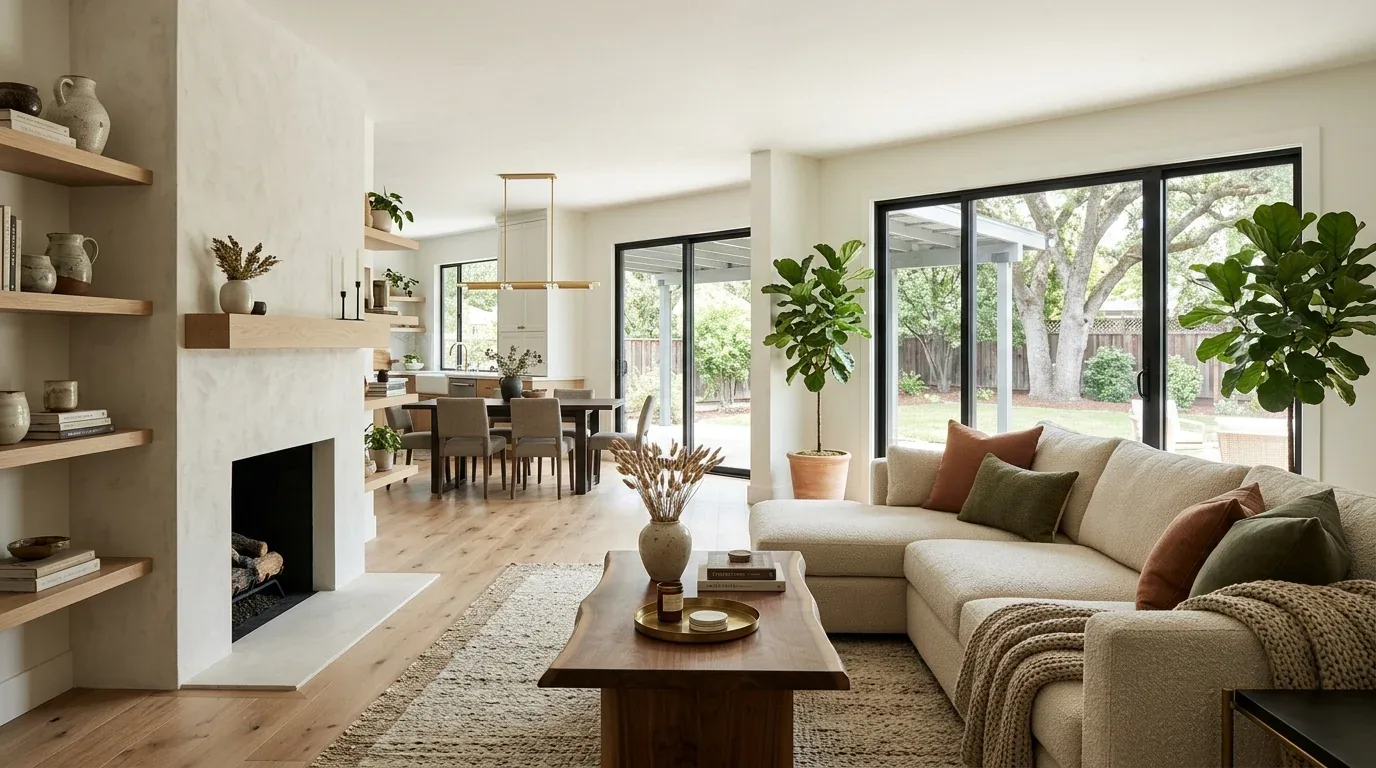
The homeowner's real question is how to effectively block noise while maintaining a sleek, modern aesthetic. The first question we ask is what specific noise issues are the priority, speech privacy, external noise, or equipment sounds? Once identified, we consider the room’s size, ceiling height, and existing finishes. The goal is to select materials like matte-finish acoustic panels from brands such as AcousticsFirst that can be painted to match the wall color, creating a seamless look. We also evaluate the placement, installing panels at key reflection points and behind furniture can dramatically improve sound quality without cluttering the space.
In several recent projects, we’ve used a combination of floating panels and transparent acoustic glass partitions to preserve openness and light while controlling sound transmission. These solutions are especially appealing in contemporary design, where minimalism is key. It’s important to balance acoustic effectiveness with aesthetic restraint, which often involves custom fabrication and careful planning. Budget considerations are critical, and I always recommend clients to allocate a contingency fund for unforeseen challenges, especially when integrating acoustic elements into existing structures.
Choosing the Right Products and Materials for Aesthetic Harmony
The key decision is whether to opt for off-the-shelf solutions or custom-designed elements. Custom options like veneer-wrapped panels or fabric-covered MDF can be tailored to match the room’s palette and texture, ensuring a cohesive look. The American Society of Interior Designers emphasizes the importance of materials that are both functional and beautiful, especially in contemporary spaces where simplicity is paramount.
In our practice, we prefer low-VOC paints and sustainable fabrics to align with eco-conscious trends. For example, using linen or wool-blend fabrics on acoustic panels provides softness and warmth, contrasting nicely with sleek surfaces like glass and metal. When selecting products, consider their acoustic ratings, durability, and ease of maintenance. The right combination of materials enhances both sound quality and design integrity, creating a space that is calm, stylish, and functional.
Regional Considerations and How Local Design Influences Acoustic Choices
In Rancho Cordova, the typical housing stock and architectural style support a modern, minimalist approach to acoustic separation. The natural light and open floor plans prevalent in the area make integrated, low-profile acoustic solutions especially effective. The local climate and building practices also influence material selection; for example, using moisture-resistant finishes in certain areas ensures longevity.
Our approach considers the regional landscape, where a clean, uncluttered look maintains the contemporary feel. The proximity to Sacramento means we often incorporate sustainable materials and energy-efficient solutions, which are highly valued by local homeowners. Partnering with regional suppliers ensures better pricing and quicker turnaround. For more regional insights, visit our Sacramento interior designer hub. This local context helps ensure acoustic solutions blend seamlessly with the existing architecture, enhancing the home's character while delivering high-performance results.
Common acoustic separation mistakes in Rancho Cordova home offices
From our project debriefs and post-occupancy reviews, 2023-2026.
Overestimating material thickness for aesthetic compatibility
One common mistake is assuming that installing the thickest, most soundproofing materials will automatically create the best environment. This can lead to overly bulky panels that clash with contemporary aesthetics and inflate costs. The symptom is a room that feels cluttered or heavy, defeating the design intent. The cure is to focus on strategic placement of slim, high-performance acoustic panels and transparent glazing options, which can achieve privacy without sacrificing style. Tools like a decibel meter and site mockups help verify effectiveness early, saving thousands in unnecessary construction and materials.
Ignoring reflection points for effective sound control
Another mistake is neglecting the importance of reflection points in sound control. Poor placement of panels results in echoes and a less effective acoustic environment. The symptom is a space that still feels noisy despite having soundproofing in place. The solution is to identify key reflection points using simple techniques like the mirror test, then install panels precisely where sound waves bounce. This targeted approach maximizes efficiency and preserves the sleek, uncluttered look of the space.
Selecting materials that disrupt minimalist design aesthetics
Using materials that do not match the contemporary aesthetic can undermine the entire design. For example, bulky fabric-covered panels or shiny, high-gloss finishes look out of place in a minimalist setting. The symptom is a disjointed visual that distracts from the clean lines. The fix is to select materials with matte finishes and subtle textures, such as linen fabric or veneer panels, which blend seamlessly into modern interiors. This approach maintains aesthetic integrity while delivering acoustic performance.
Cost ranges for acoustic separation in Rancho Cordova home offices
2026 planning ranges by scope, Sacramento against Bay Area / Marin. They bracket a budget; they are not a quote for a specific house.
| Scope | Sacramento | Bay Area / Marin |
|---|---|---|
| Basic acoustic treatment with painted MDF panels | $3K-$6K | $5K-$10K |
| Mid-range custom cabinetry with integrated acoustic panels | $8K-$15K | $12K-$25K |
| High-end integrated acoustic design with premium finishes and glazing | $20K-$40K | $30K-$70K |
Local permits & planning
Sources & Professional References
This guide's positions on materials are grounded in published building-code, standards, and recognized design-authority sources, alongside Designed | Curated Interiors' verified credentials and active project files:
- American Society of Interior Designers (ASID): interior-design practice standards
- International Code Council (ICC): Chapter 8 Interior Finish Decorative Materials And Furnishings
- Community Development, Rancho Cordova (Sacramento County) building permit portal
- NKBA, Amy Kunst Member Profile (verified credential, NKBA Committee Member)
- Featured in: Homes & Gardens (design expert quote, May 2026) · Sacramento Love (guest author, 2024)
Related reading
- Sacramento & Bay Area Interior Design Services How we scope, source, and deliver work end to end.
- Interior Designer Hub, Rancho Cordova Where most of our Rancho Cordova work lives, the regional fit explained.
- Interior Designers Rancho Cordova CA Rancho Cordova, California, is a growing community just east of....
- Interior Designer Rancho Cordova An interior designer in Rancho Cordova functions as a technical planning role that coordinates spatial layout, material decisions, and const
- Rancho Cordova Interior Designer Related cluster piece referenced from the Rancho Cordova Interior Designer build files.