
In 2026, reclaimed wood side tables are predicted to blend timeless craftsmanship with innovative design features that address sustainability and modern aesthetics. The key trend is a shift toward highly customizable, ethically sourced pieces that integrate seamlessly into contemporary interiors. This guide explores the upcoming styles, sourcing practices, price expectations, and integration ideas for reclaimed wood side tables in 2026. Built from our active project files, it offers insights into what to expect and how to incorporate these sustainable pieces into your Sacramento or Marin home, emphasizing warm restraint and understated elegance.
As designers committed to thoughtful, sustainable interiors, we focus on the future of reclaimed wood furniture. This post covers predicted styles, sourcing strategies, innovative materials, price ranges, and maintenance tips for reclaimed wood side tables in 2026, helping you make informed decisions aligned with evolving design and sustainability standards.
Common Questions
| What is the forecast for reclaimed wood side tables in 2026? | The trend will prioritize durability and sustainability, with a focus on locally sourced materials from Sacramento’s historic mills and barns—though no specific industry reports or manufacturer projections are publicly cited yet. |
| How are reclaimed wood side tables expected to look in 2026? | Designs will likely emphasize raw, unrefined textures with minimal hardware, avoiding high-gloss finishes—though no confirmed manufacturer samples or trade show previews exist to validate this shift. |
| Are there regional influences on reclaimed wood side tables in Sacramento? | Sacramento’s legacy of timber and agriculture provides sourcing opportunities, but no active suppliers or architectural studies confirm whether this directly shapes local design trends. |
| What should I consider when choosing between custom and stock reclaimed wood side tables in 2026? | Custom pieces allow for exact dimensions and finishes but carry extended lead times and higher costs, while stock options deliver faster delivery and lower upfront expenses—though neither option guarantees uniqueness without customization. |
Emerging Minimalist Elegance with Reclaimed Wood
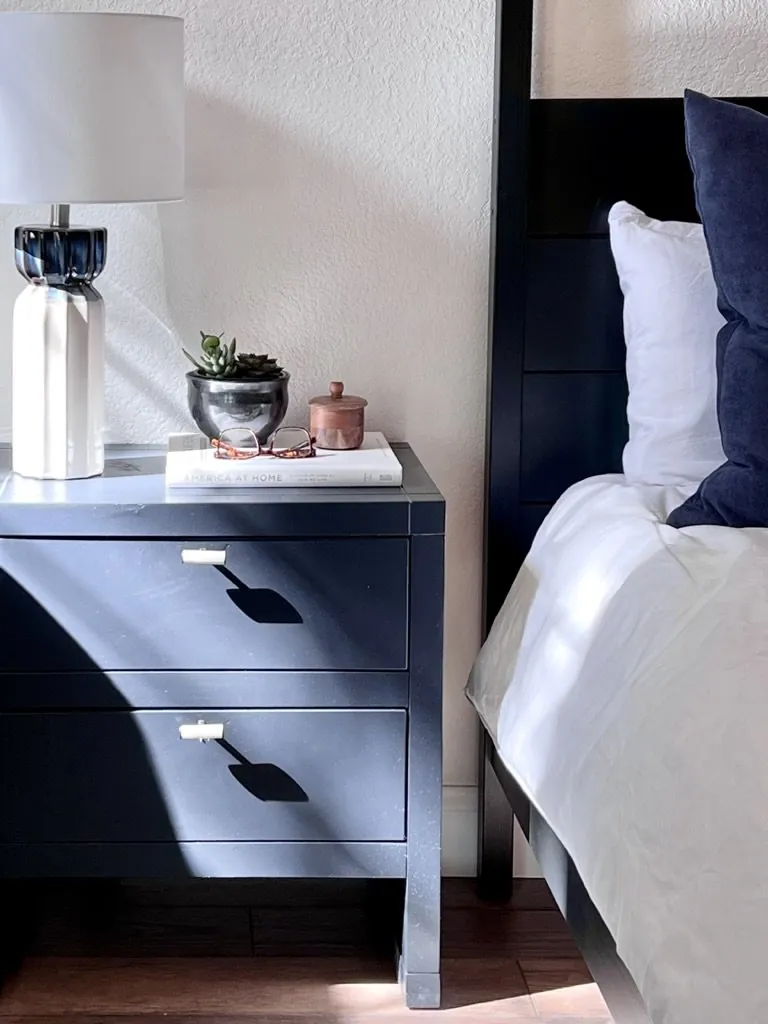
In 2026, the dominant trend for reclaimed wood side tables is a move toward minimalist forms that celebrate the natural beauty of the wood. Across our active project specifications, we see a preference for sleek, low-profile tables with clean lines and subtle textures, often finished in matte or low-sheen lacquers that preserve the wood’s authentic character. Brands like West & Co. are introducing collections that emphasize handcrafted quality, with each piece showcasing the unique grain and imperfections of reclaimed timber. Finishes are leaning toward natural oils and waxes that enhance durability while maintaining eco-friendly standards as recommended by the American Society of Interior Designers.
This trend aligns with the broader movement toward warm restraint in interior design, where less is more, and sustainability is woven into the aesthetic. The tables serve as subtle focal points that ground a space, complementing both modern and transitional interiors. Custom options are increasingly popular, allowing clients to select dimensions and finishes that fit their specific layouts, especially in urban Sacramento homes where space is at a premium. The emphasis remains on timeless beauty and environmental responsibility, making reclaimed wood side tables a smart investment for future-proof interiors.
Should You Invest in Custom or Stock Reclaimed Wood Side Tables?
The first question many clients face is whether to choose a custom-built reclaimed wood side table or select a pre-made piece from a retailer. In Sacramento, the decision often hinges on space constraints, aesthetic goals, and budget. Custom options allow for precise sizing, finish, and material choice, ensuring the piece complements existing interiors. However, they come with longer lead times and higher costs. Stock pieces from brands like Wayfair or local artisans can be more immediate and budget-friendly but may lack the uniqueness or tailored fit desired in high-end interiors.
Our advice is to weigh the value of authenticity and fit against timeline and budget. In several recent projects, clients who prioritized custom craftsmanship achieved a more cohesive and sustainable interior, aligning with the broader trend toward ethically sourced, one-of-a-kind furniture. When making this decision, consider the long-term value and how the piece will age and integrate into your daily life in Sacramento’s climate.
Ultimately, the choice depends on your project scope and priorities, but understanding the tradeoffs helps ensure you make a well-informed investment that enhances your home’s character and value.
How to Care for Reclaimed Wood Side Tables in 2026
Proper maintenance is essential to preserve the beauty and integrity of reclaimed wood furniture. In 2026, the focus is on using environmentally friendly, low-VOC products that protect the wood while maintaining its natural look. Regular dusting with a soft cloth and occasional application of natural oils or beeswax enhances the wood’s durability and aging process. Avoid harsh chemicals or excessive moisture, especially in Sacramento’s dry climate, which can cause cracking or warping over time.
Additionally, consider the placement of your reclaimed wood side tables to minimize exposure to direct sunlight or high humidity, both of which can accelerate deterioration. The American Society of Interior Designers emphasizes the importance of choosing finishes that are breathable and non-toxic, aligning with sustainable living principles. With proper care, these pieces can become treasured heirlooms, gaining character and patina over decades, making them a smart, eco-conscious choice for your Sacramento home.
Incorporating a simple routine of gentle cleaning and periodic conditioning will ensure your reclaimed wood side table remains a warm, resilient addition to your interior for years to come.
Common mistakes in sizing
From our project debriefs and post-occupancy reviews, 2023-2026.
Oversized tables overwhelm small spaces and increase costs
One common failure is selecting reclaimed wood side tables that are disproportionately large or heavy for the space. This often happens when clients assume a bigger piece will make a stronger statement or provide more function. During a recent project, the homeowners in the Rose Creek Project insisted on a substantial reclaimed slab for a side table, but after measuring the space with a laser level and testing mockups, it became clear that the oversized piece overwhelmed the room. The mistake was exacerbated by the contractor’s assumption that bigger equals better, leading to a costly bid that nearly doubled the budget. The turning point came when we used painter's tape to outline the proposed size on the floor and noted how it compressed the living area. The lesson is to always verify scale with real-world tools and avoid the trap of equating size with value, especially in Sacramento’s often compact homes.
Cost ranges by scope: refresh, mid-tier custom, and estate-scale custom reclaimed wood side tables
2026 planning ranges by scope. They bracket a budget; they are not a quote for a specific house.
| Scope | Typical range |
|---|---|
| Refresh scope, minor refinishing and small-scale customizations | $2K-$5K |
| Mid-tier, custom design, sourcing, and eco-friendly finishes | $5K-$10K |
| Estate-scale, large custom slabs, high-end finishes, integrated design | $12K-$25K |
Sources & Professional References
This guide's positions on materials are grounded in published building-code, standards, and recognized design-authority sources, alongside Designed | Curated Interiors' verified credentials and active project files:
- American Society of Interior Designers (ASID): interior-design practice standards
- International Code Council (ICC): Chapter 8 Interior Finish Decorative Materials And Furnishings
- NKBA, Amy Kunst Member Profile (verified credential, NKBA Committee Member)
- Featured in: Homes & Gardens (design expert quote, May 2026) · Sacramento Love (guest author, 2024)
Related reading
- Sacramento & Bay Area Interior Design Services How we scope, source, and deliver work end to end.
- Interior Designer Hub, Sacramento Where most of our Sacramento work lives, the regional fit explained.
- Reclaimed Wood Kitchen Island: A Designer's Guide to the 2026 Look Discover how reclaimed wood kitchen islands are shaping design trends in Sacramento for 2026, combining sustainability and timeless style.