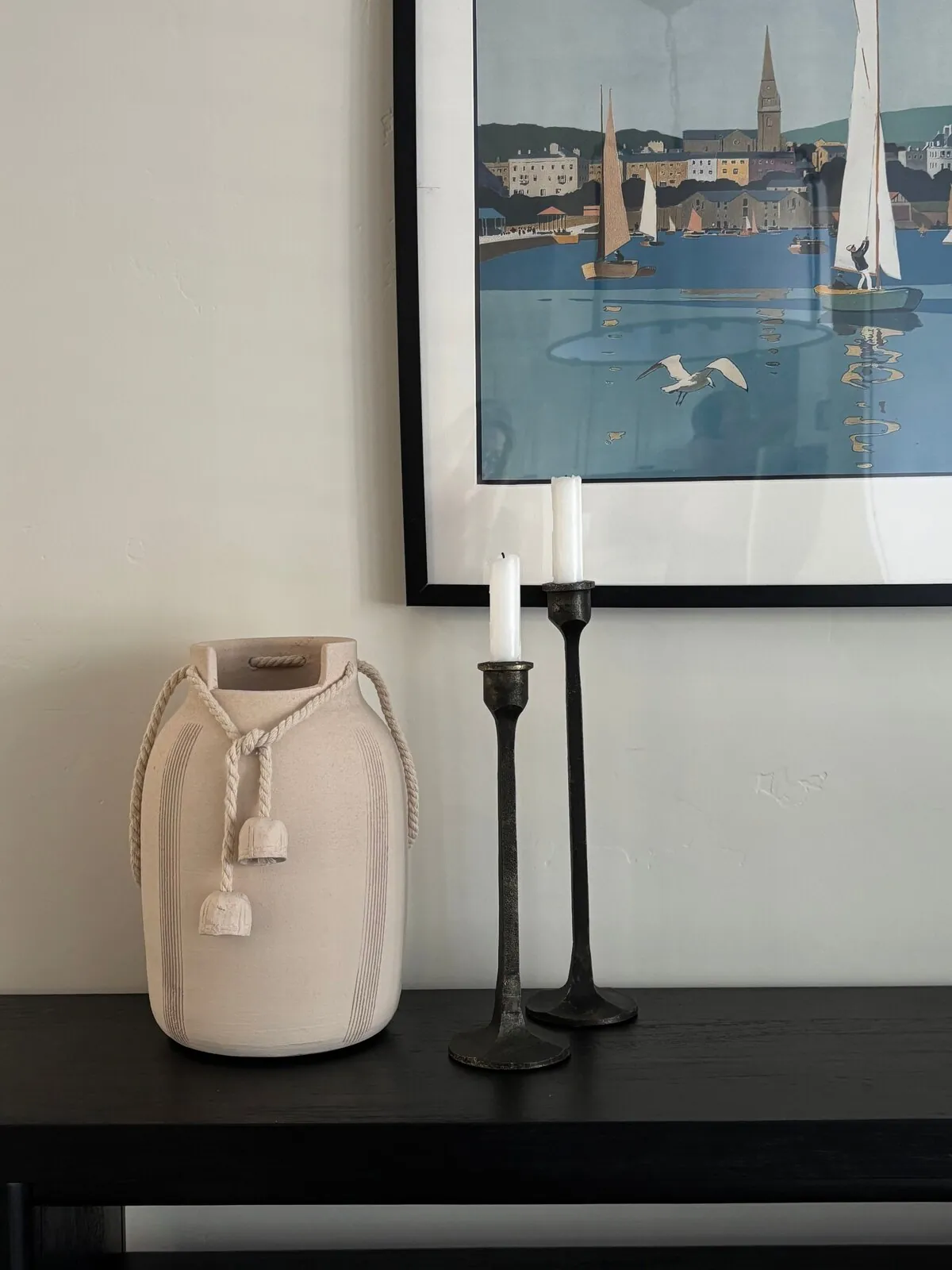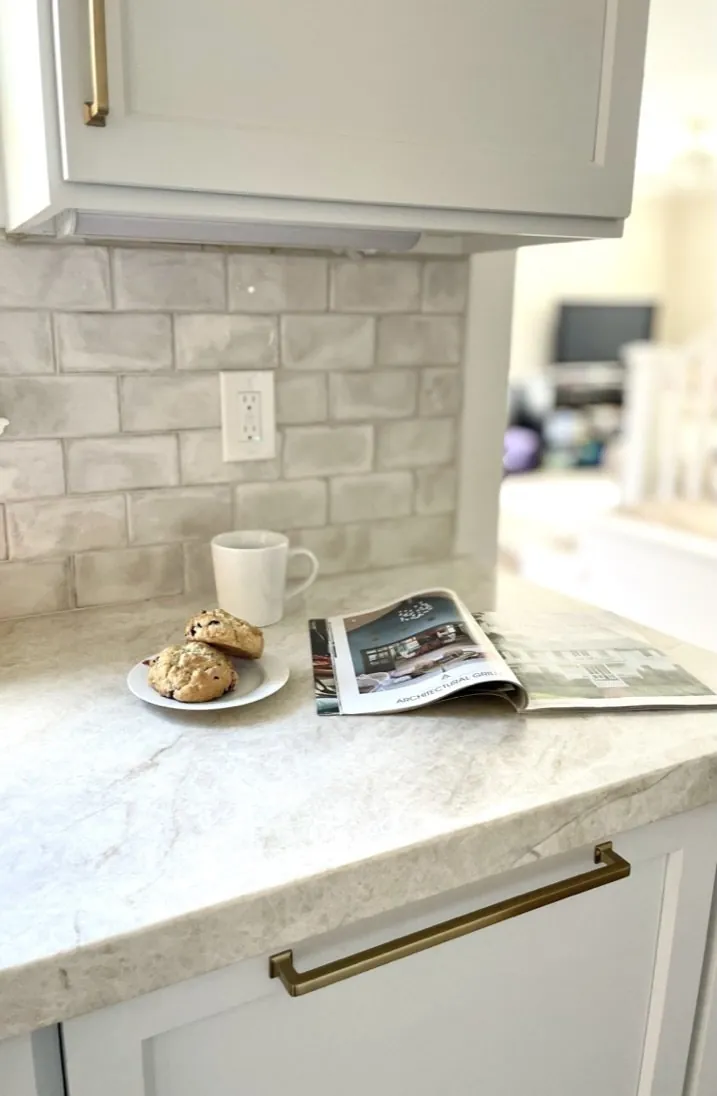
Sacramento’s homes reflect a rich architectural tapestry where the craftsmanship of early 20th-century Craftsman bungalows blends seamlessly with the bold, functional lines of mid-century modern designs shaped by the region’s post-war growth. Unlike densely packed coastal cities, Sacramento’s architecture embraces a more expansive scale, from the grand Spanish Revival estates with vaulted ceilings in historic neighborhoods like Land Park to the inviting porches of Arts & Crafts homes in areas like Arden Fair. The city’s climate, marked by warm, dry summers and cool, occasionally foggy winters, inspires designs that emphasize indoor-outdoor connections, with courtyards, shaded patios, and breezy layouts that make the most of seasonal shifts. Locally sourced materials like redwood, warm oak millwork, and exposed brick fireplaces remain staples, reflecting a commitment to durability and timelessness over fleeting trends. Here, design celebrates the city’s character, whether through a well-placed oak tree framing a view of the Capitol dome or the quiet charm of a neighborhood’s historic bones.
My design approach in Sacramento begins with an appreciation for the home’s original purpose, as these houses were built to suit the rhythms of Valley life. In a Land Park estate, that might mean restoring original plaster details and pocket doors while introducing modern storage to maintain the home’s airy elegance. For a bungalow in neighborhoods like Alkali Flat or American River Parkway, the focus shifts to enhancing sightlines to the outdoors, perhaps with sliding glass doors that blur the line between indoor and garden, or a butler’s pantry that nods to the home’s historic kitchen layout. I favor a refined yet warm palette of natural tones, soft neutrals, deep earthy hues, and textures like linen, reclaimed wood, and handcrafted ceramics, to ground spaces in the region’s organic aesthetic, all while allowing for vibrant accents inspired by Sacramento’s public art or the lush greenery along the American River. Given the city’s walkable, community-oriented neighborhoods, I prioritize adaptable spaces: a cozy breakfast nook that serves as a guest room or a mudroom designed for both daily use and hosting gatherings. The aim is to create homes that feel both enduring and intimately lived-in, as the most cherished spaces here are those that tell a story.
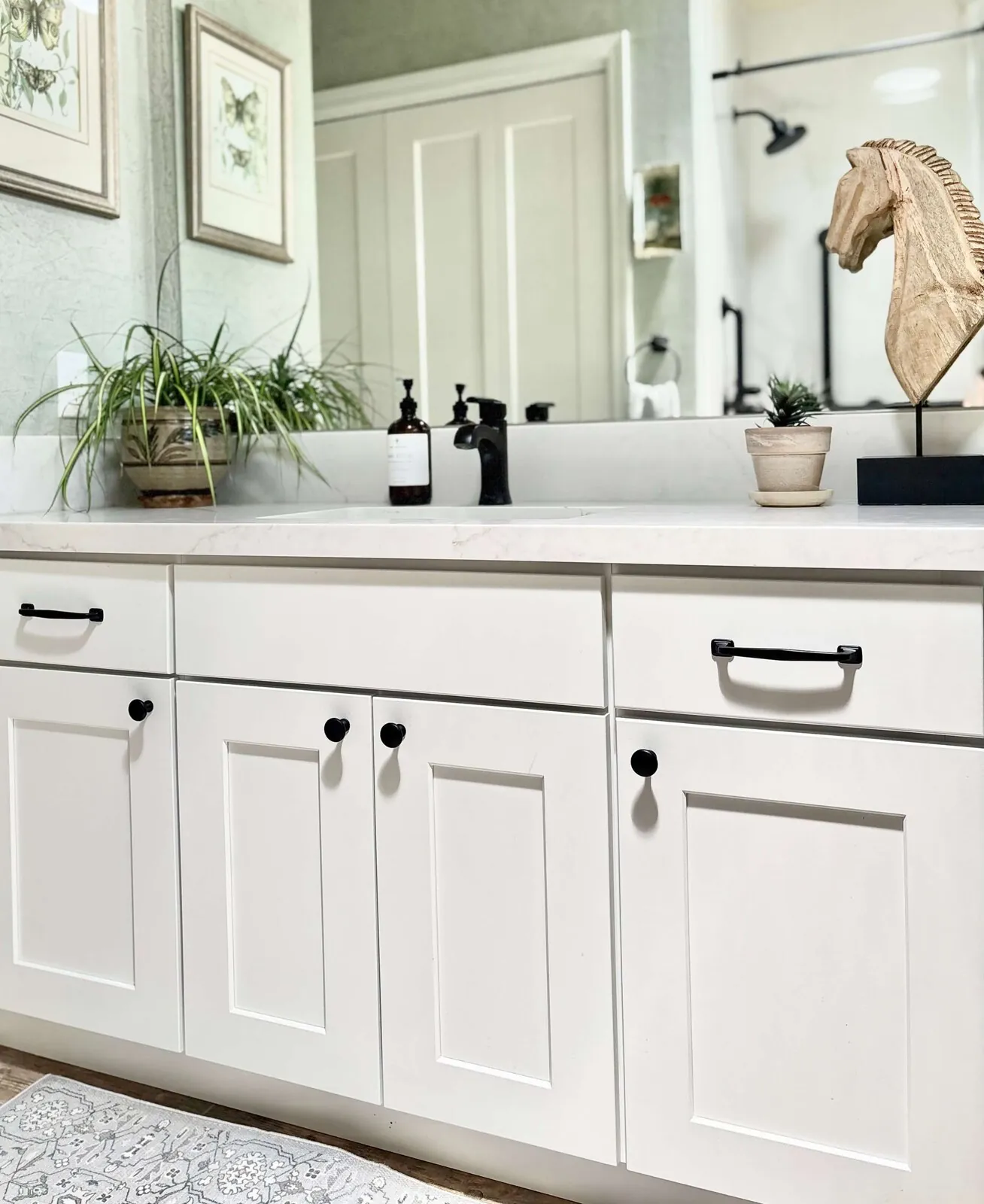
Sacramento’s design philosophy sets it apart from other Northern California markets, where aesthetics often lean toward minimalist luxury or maximalist grandeur. Here, the emphasis is on *functional elegance*—a kitchen that balances beauty with practicality for family meals, or a master suite that offers retreat-like comfort while staying connected to the rest of the home. Unlike the Bay Area’s preference for expansive open-concept layouts, Sacramento homes often embrace cozier, defined spaces, such as built-in window seats in Curtis Park’s smaller homes or intimate dining nooks in Fabulous Forties cottages. While coastal markets prioritize ocean or vineyard views, Sacramento homes celebrate local landmarks, the golden glow of the Capitol dome at dusk, the quiet allure of tree-lined streets, or the dappled light filtering through oaks in historic districts. Working within more modest budgets than Northern neighbors, my designs focus on meaningful edits: replacing generic cabinetry with custom pieces made from local hardwoods or selecting a statement light fixture that elevates a room without excessive cost. Ultimately, Sacramento design captures the essence of Northern California living, infused with warmth, a strong sense of place, and the enduring charm of the Valley’s character.
Featured Neighborhoods
Our interior design expertise spans Sacramento and the following neighborhoods: