
Know the San Francisco preservation standards or risk fines and redo costs. These rules tell us how far we can go with changes without messing up original designs. San Francisco's guidelines stop us from changing too much, keeping old buildings unique.
Built from our active project files, this post covers the key guidelines homeowners and designers must follow, how these standards influence the design process, the types of features and materials that must be preserved, and the legal and permit requirements involved. We'll give real examples and point out who oversees the rules and where to find help. Blend the old with new needs without overdoing it.
Common Questions
| What are the key design standards for home remodels in San Francisco's historic districts? | Inspection keeps San Francisco's traditional look. |
| How do I ensure my home remodel in San Francisco respects historic preservation standards? | Get written OK before starting. Use good materials that look like the originals. |
| What features are typically protected by San Francisco's preservation standards during a remodel? | Keep those old window casings and moldings or restore them. |
| When should I consider rebuilding instead of remodeling in a historic district? | If the framing's shot or codes can’t be met, might need to rebuild. |
San Francisco Historic Preservation Design Standards For Home Remodels 2026 at a Glance
| Element | In | Out |
|---|---|---|
| Guidelines | Strict preservation guidelines in effect | Lax preservation standards ignored |
| Design Impact | Design standards focus on architectural integrity | Design flexibility disregarded |
| Materials | Materials and features must be preserved | Materials and features replaced indiscriminately |
| Permits | Permits required for most modifications | Permitting process overlooked |
| Cost & Timeline | Design impact on cost and timeline | Unanticipated cost overruns |
| Case Studies | Successful case studies available | Few local examples or guidance |
| Authorities | Local authorities enforce standards | Lack of oversight or enforcement |
| Resources | Resources and experts for compliance | Limited professional assistance |
First Major Design Move: Respecting Architectural Features
In our experience across active project specifications, the first major step in any historic home remodel in San Francisco is understanding which architectural features are protected by preservation standards. Original window details must stay or be carefully redone. Break rules, get fined. The American Society of Interior Designers emphasizes the importance of integrating these features seamlessly into modern design while respecting their historical significance.
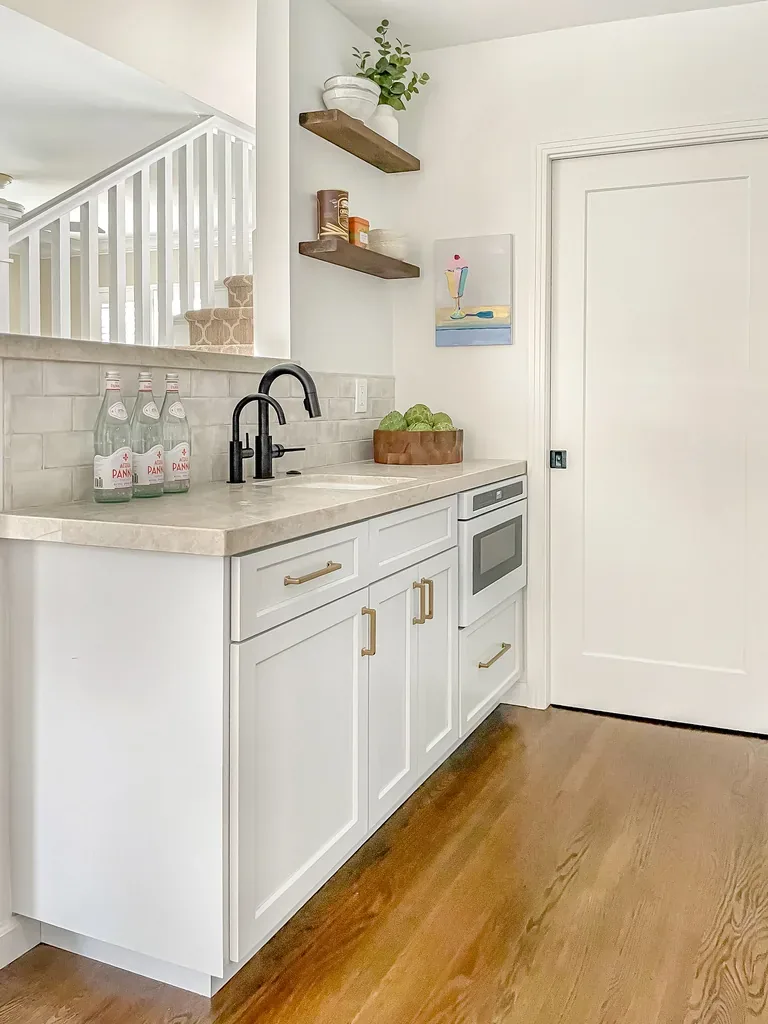
We often suggest materials that match old finishes for remodels. For instance, using Benjamin Moore’s historic paint colors or custom millwork from local fabricators ensures authenticity. We balance old charm and new function daily. Sticking to these keeps us in line with San Francisco's rules.
Material Specificity: Authentic vs. Generic Choices
Authenticity-grade materials
- White oak (rift-sawn), for floors and slat detail; calmer grain than plain-sawn, authentic to historic homes.
- Original plaster, for interior walls, maintaining the home's authentic surface.
- Custom ironwork, for stair railings, replicating period-appropriate craftsmanship.
- Lime-based mortar, for exterior masonry, compatible with historic materials.
- Reclaimed wood, for cabinetry and accents, reducing environmental impact.
- Historic tile, for kitchen backsplashes, matching original patterns.
- Lead-based paint, where permitted, for restoration of original woodwork.
- Period-appropriate hardware, brass, bronze, or wrought iron, for authenticity.
Generic-grade tells we refuse to spec
- Standard MDF or plywood for millwork
- Modern synthetic paints instead of historic finishes
- Mass-produced hardware from big box stores
- Engineered wood flooring without character
- Plastic or laminate tiles
- Non-reclaimed, new construction materials
- Low-cost drywall finishes
- Generic metal railings
San Francisco’s Unique Preservation Context
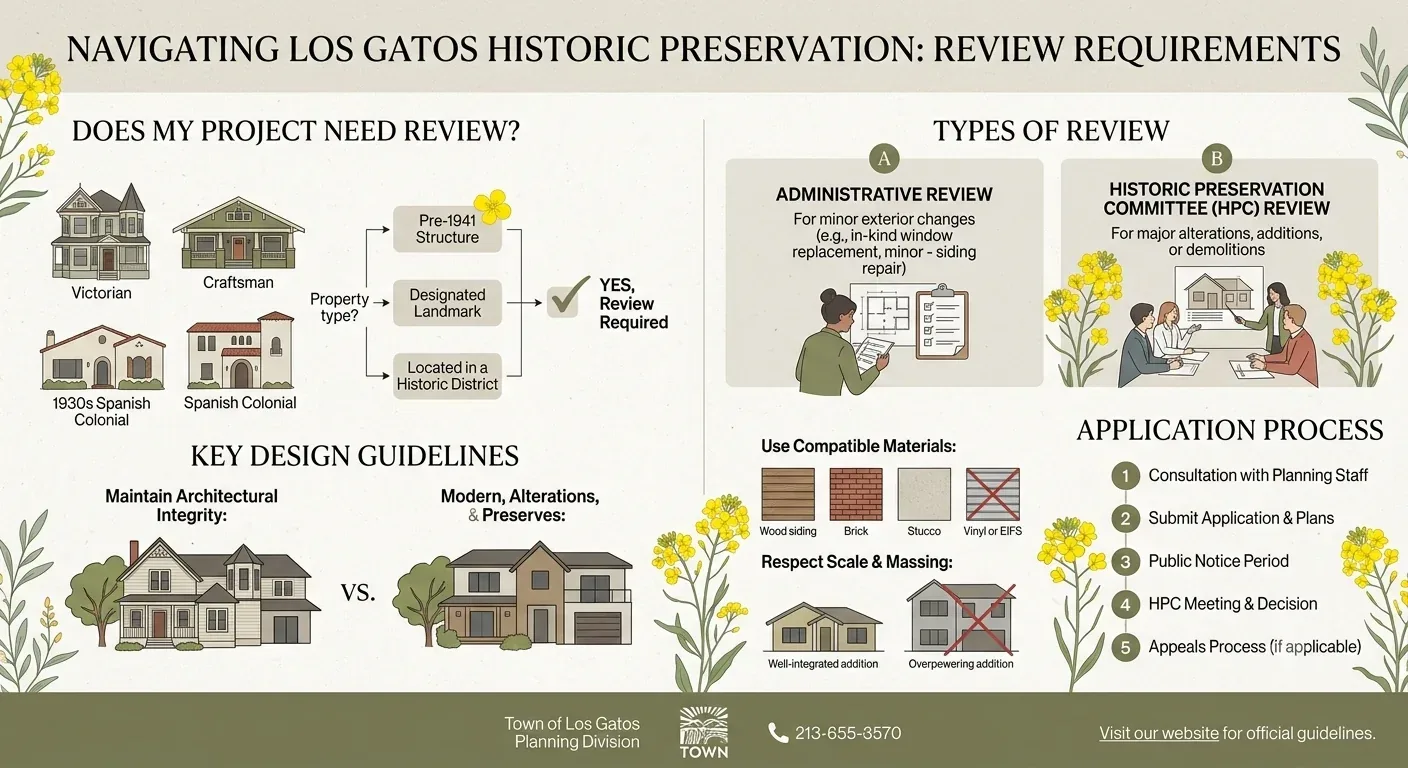
San Francisco’s historic preservation standards are shaped by the city’s rich architectural legacy, from Victorian row houses to early 20th-century craftsman homes. These rules work best in tightly-knit old neighborhoods. Original details can keep or boost property value. San Francisco's unique lighting guides design. Lean towards restoring, not modernizing too much. Putting in original-style sash windows with the right hardware? Big curb appeal boost, plus you meet the rules.
Marin and San Francisco enforcement varies. Check what's required before you start. We've found that talking to local officials early helps avoid delays. Check local building codes. For homeowners in Pacific Heights or nearby historic districts, engaging local resources like San Francisco’s Department of Building Inspection helps clarify what features must be preserved and how to document your work properly. Mix new with old in San Francisco. Stay compliant.
Should You Remodel or Rebuild in San Francisco’s Historic Districts?
Remodel in the current space or rebuild for preservation compliance? A key decision for owners. The first question we ask is: what is the primary goal of your project? To modernize but keep main features? Remodeling saves money. Sometimes, a full rebuild is needed. Structural or code issues might force it if the frame's bad.
Know the guidelines for your renovation plans. Projects in historic spots? The American Planning Association says you'll need a lot of documentation and approval. SF Building Department deals with permits for preserving history, city style. Budget might shift 10-20%. Compliance surprises? Add time and cost. Talk to a preservation expert early so you dodge expensive errors.
What This Costs in 2026
| Scope | San Francisco / Bay Area | Sacramento |
|---|---|---|
| Basic refresh of preserved features | $50K-$120K | $20K-$50K |
| Mid-tier renovation with some new features | $120K-$350K | $50K-$150K |
| Full estate-scale restoration and rebuild | $350K-$1M+ | $150K-$500K+ |
Local permits & planning
Working Notes
What We Have Learned Doing This: San Francisco Historic Preservation Design Standards for Home Remodels
“Good rooms are built twice. Once on paper, once in the field.”
A renovation is a dependency chain, not a list of tasks. A two-day cabinet delay quietly becomes a two-week slip by week sixteen because every trade downstream is holding a calendar. Stopped disasters don't usually grab headlines, but they're vital.
Trust grows in those tedious chats. The kind where you admit the wall's structural, or mention shifted numbers. Even when the timeline's slipped. Clients forgive reality. Surprises aren't forgiven easily here.
Get those long-lead items ordered first. Plan around them to keep the job moving. The appliance, the stone, the custom millwork set the schedule, and pretending otherwise is how a project loses a month it never gets back.
These notes come from our own project debriefs. Most were learned the expensive way the first time.
Sources & Professional References
This guide's positions on materials are grounded in published building-code, standards, and recognized design-authority sources, alongside Designed | Curated Interiors' verified credentials and active project files:
- American Society of Interior Designers (ASID): interior-design practice standards
- International Code Council (ICC): Chapter 8 Interior Finishes
- Department of Building Inspection, San Francisco (San Francisco County) building permit portal
- NKBA, Amy Kunst Member Profile (verified credential, NKBA Committee Member)
- Featured in: Homes & Gardens (design expert quote, May 2026) · Sacramento Love (guest author, 2024)
From Principle to a Real Room
A trend piece is the briefing document, not the deliverable. The pages below show how we translate these principles into finished rooms across San Francisco and the rest of Northern California.
- Sacramento & Bay Area Interior Design Services How we scope, source, and deliver work end to end.
- Interior Designer Hub, San Francisco Where most of our San Francisco work lives, the regional fit explained.
- Interior Designer in San Francisco Related cluster piece referenced from the Interior Designer in San Francisco build files.
- San Francisco Home Remodeling Permit Requirements and Delays Related cluster piece referenced from the San Francisco Home Remodeling Permit Requirements and Delays build files.
- San Francisco Pre1940 Homes Remodeling Challenges Related cluster piece referenced from the San Francisco Pre1940 Homes Remodeling Challenges build files.